

























![Kingdom Hearts Collection [I-III] Review](https://gazettely.com/wp-content/uploads/2026/10/Kingdom-Hearts-Collection-I-III-1-360x180.webp "Kingdom Hearts Collection [I-III] Review: KHII Holds Steady as Newer Entries Fluctuate 37")



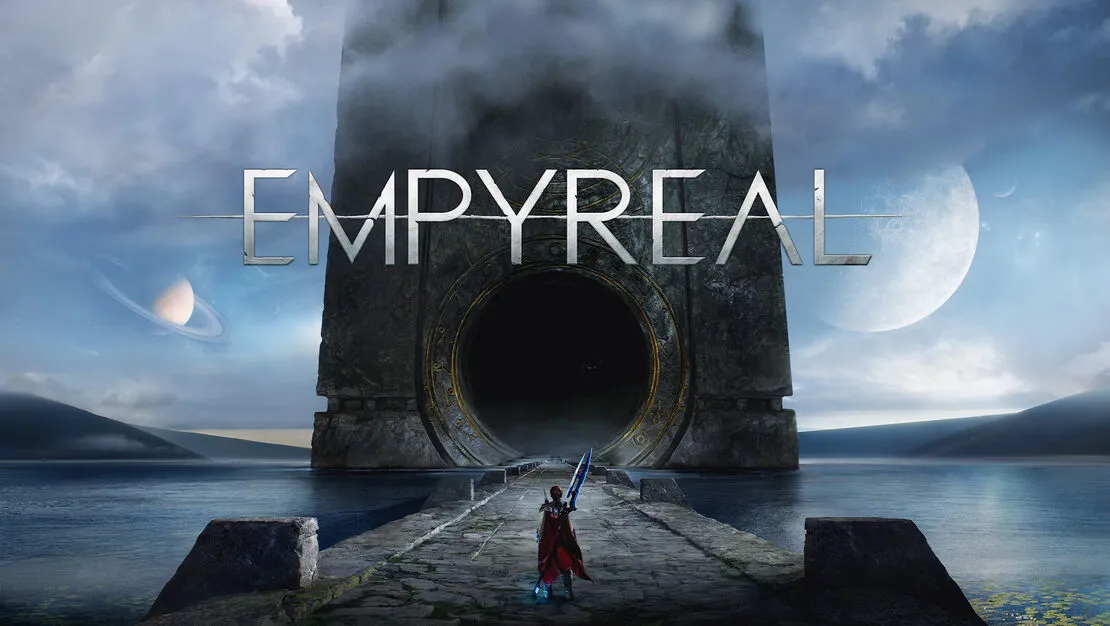

From the first echoing drone as you step toward the Ziggurat’s towering archways to the precise flash of an enemy’s telegraphed strike, Empyreal stakes its claim at the intersection of British indie ingenuity and a broader sci-fi tradition. This single-player, loot-based action RPG from Silent Games—a compact UK team of twelve—spreads its ambitions across PC, Xbox, PlayStation and even the Steam Deck. In each 10–20-minute run, you choose a “cartogram,” delve into a hand-crafted quadrant, gather randomized gear, confront a boss, then return to tinker with stats in preparation for your next ascent.
That loop draws as much on the ritual of Japanese roguelites as it does on Western dungeon crawlers, and the result feels familiar yet subtly reinterpreted. You’re a mercenary probing an alien construct that could have been lifted from a Tarkovsky landscape or a modern anime epic, every narrative beat underscored by the same systems you master in combat.
Here, layered elemental buffs echo narrative themes of transformation and control, while the Ziggurat’s art-deco ruins recall global myths of forbidden knowledge. In its willingness to blend precise gameplay timing with moments of slow-burn awe, Empyreal asks us: how do we translate ancient archetypes into digital challenges—and who gets to write that code?
Echoes Across Worlds: Story and Setting
Silent Games casts the Ziggurat as both relic and riddle, a monolith rising from an overgrown alien planet whose broken architecture evokes Miyazaki’s forested ruins as much as Ridley Scott’s derelict spaceships. Each of its four Quadrants—from cathedral-like halls of shattered stone to wind-scoured desert chambers—unfolds in carefully crafted sequences.
Waterfalls tumble through fractured archways, moss-choked staircases lead to hidden alcoves, and cryptic glyphs hint at a lost civilization. This environmental storytelling borrows from Eastern reverence for nature’s reclamation and Western sci-fi’s fascination with the sublime, making the world feel simultaneously familiar and uncharted.
Progression pivots on a hub-based structure that mirrors classic JRPG towns while letting you revisit NPCs whose terse dialogue recalls both British wit and Japanese understatement. In the camp, you barter with a blunt-spoken barman, decode the scientist’s clipped reports, and trade banter with Isolda’s energetic optimism.
These scenes punctuate runs through procedurally echoed corridors, offering brief human anchors amid machine guardians. Branching dialogue choices can tip your ending toward hope or regret, yet the main arc remains spare, teasing grand revelations without fully committing—much like arthouse films that flirt with ambiguity.
Your custom mercenary, sculpted through background choices, embodies identity themes found in global literature: the outsider drawn to forbidden knowledge. Moments when the drone of approaching enemies crescendos into silence recall Kubrick’s 2001 in both sound design and existential weight, reminding us that scale can humble as much as spectacle. Yet, the narrative often dissolves into system-led runs, leaving a tension between story’s promise and gameplay’s looped insistence—an invitation to ponder which truly carries the weight of meaning.
Precision and Poise: Mechanics Across Cultures
Empyreal’s combat feels born of both Eastern and Western action traditions, weaving precise timing systems with loot-driven progression. Enemies announce their strikes through a name tag and an orange bar filling at their head, a clear nod to Japanese titles like Sekiro’s posture gauge and Monster Hunter’s tells.
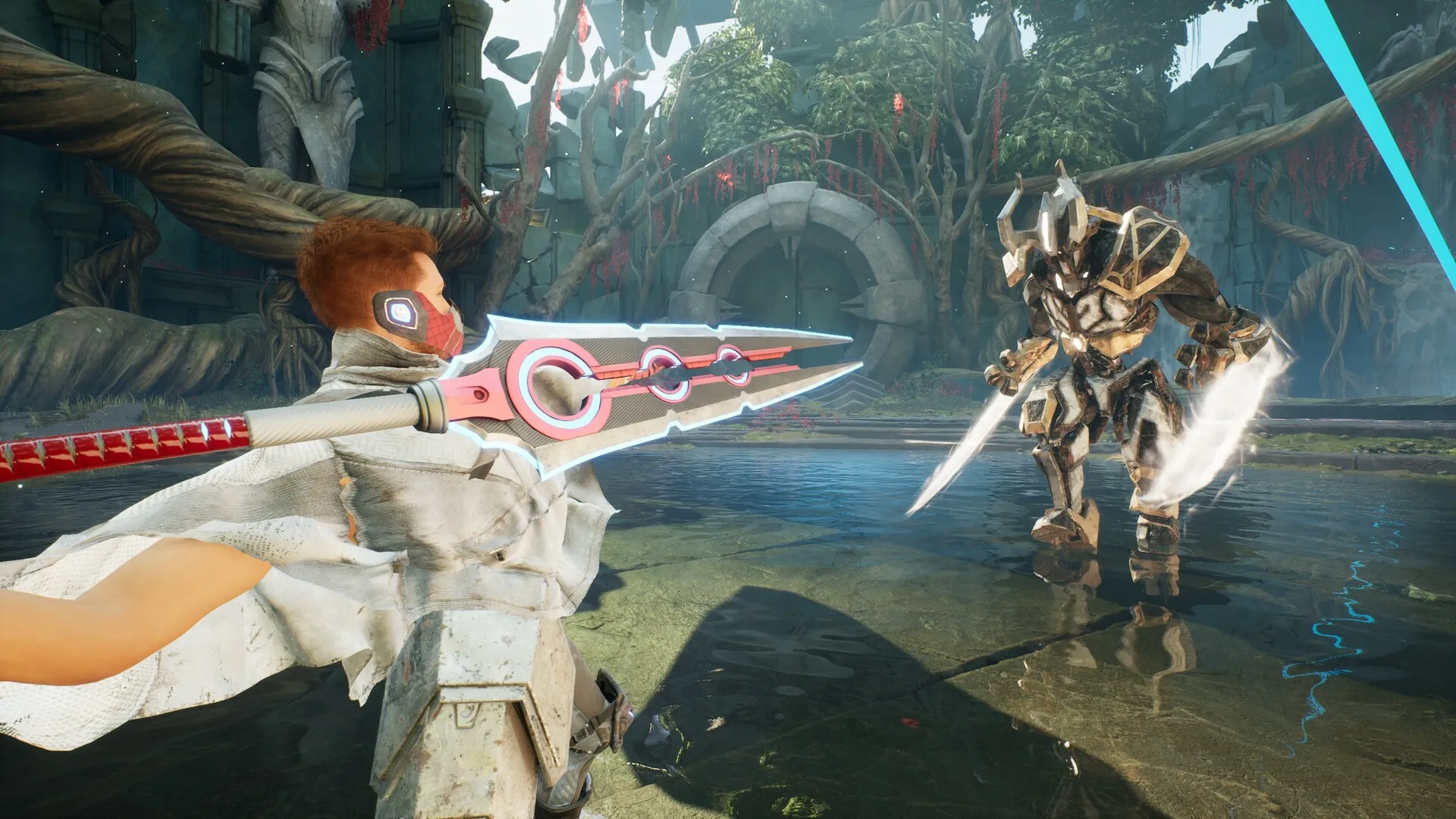
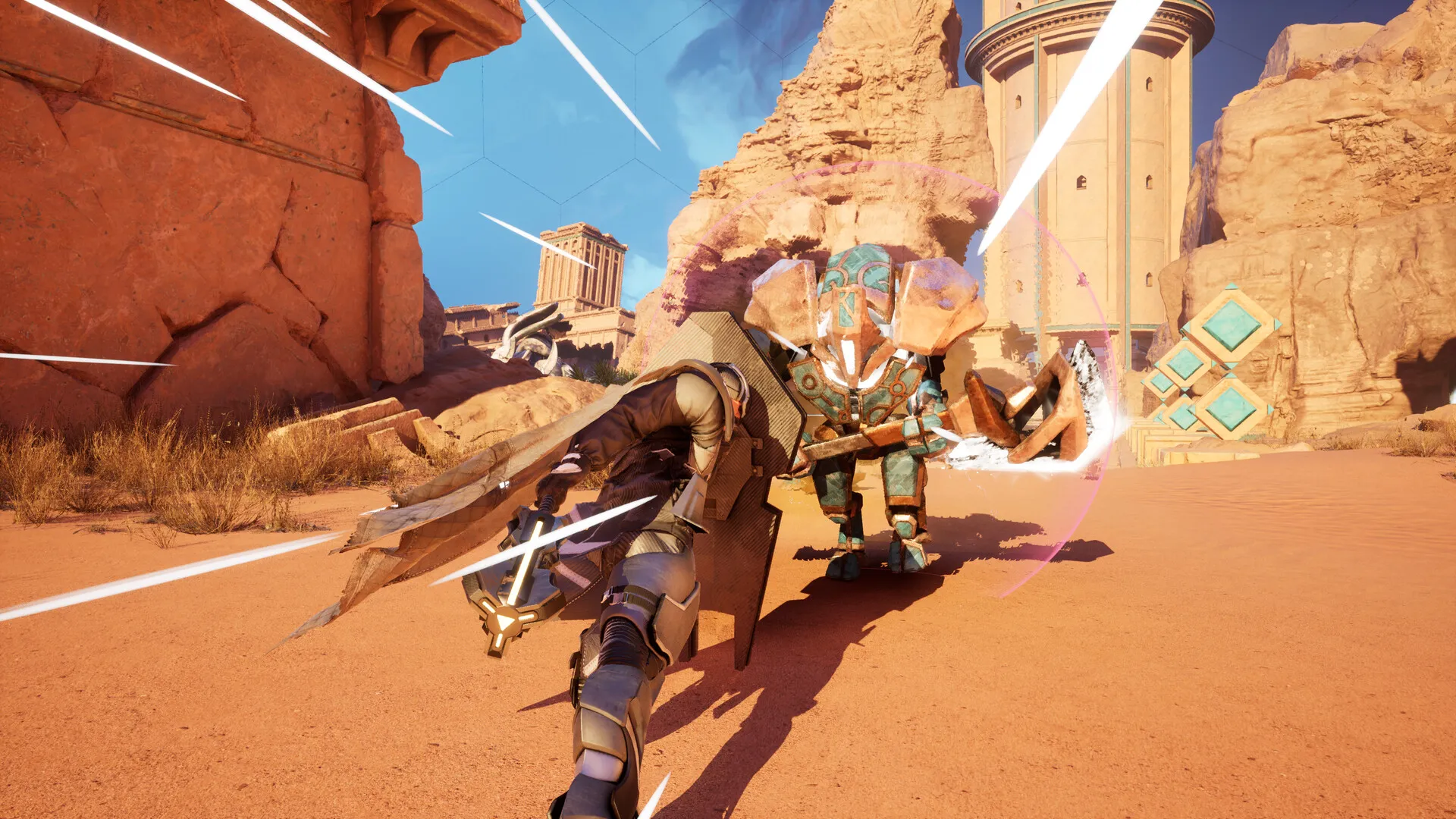
This mechanism invites players to balance attack and defense in each moment. Parrying, perfect dodges and shield blocks reward patience and timing, echoing the rhythmic give-and-take of a samurai duel, yet the heavy-hitting feel of a Western sword-and-shield encounter remains intact.
Three weapon styles channel distinct cultural playstyles. The glaive trades defensive cover for warp strikes and rapid dashes, recalling the fluidity prized in anime-inspired hack-and-slash games. The mace-and-shield asks you to stand firm, block advancing automatons, then stun them with a crushing blow—an almost medieval tournament ethos, familiar to fans of European-themed RPGs. The cannon transforms the field into a cinematic gunfight, asking you to run a reload bar minigame that decides your next shot’s elemental type. This design pays homage to arcade shooters while grounding its reload rhythm in looter-shooter feedback loops.
Elemental affinities layer on narrative undertones. Fire injects aggression, ice demands control, lightning suggests volatility. Secondary stats and buffs such as the life-saving Steadfast ability create a system where story-driven themes of transformation and resilience mirror gameplay choices. Crafting a “buff-centric” build across five elemental effects can feel like composing a film score—choosing tones that underscore each scene’s mood.
Loot arrives via cartogram cards that specify biome, boss, loot pool and difficulty. Players learn to read these cards like tarot, predicting which runs will yield rare red-tier gear or which will test them with a brutal boss. The ability to re-roll stats and lock desired attributes at the blacksmith encourages a tinkerer’s mindset, familiar to both Western loot-grinders and Asian gear-optimization fans.
Difficulty tagging can mislead: a “Very Easy” cartogram might still overwhelm newcomers who miss an enemy’s telegraph when surrounded. The learning curve smooths out around fifteen hours in, once the systems click, and mastery brings a sense of global design harmony—where East-meets-West mechanics coalesce into a single, demanding challenge that invites players from all traditions to prove their skill.
Labyrinths of Memory and Metal
Empyreal’s world strikes a balance between handcrafted drama and procedural surprise, channeling both European ruin-romanticism and Eastern level design philosophies. Each cartogram summons one of four core maps—sprawling Chozo-Ruins echoes, sun-bleached desert expanses, verdant overgrowth, and cathedral-like halls—yet populates them with semi-randomized enemy encounters. Hidden cubby holes and secret shortcuts reward the curious, a design ethos reminiscent of Metroid Prime’s blend of meticulous corridors and surprise discoveries, while the shuffled loot pools evoke the ever-shifting dungeons of Japanese roguelites.
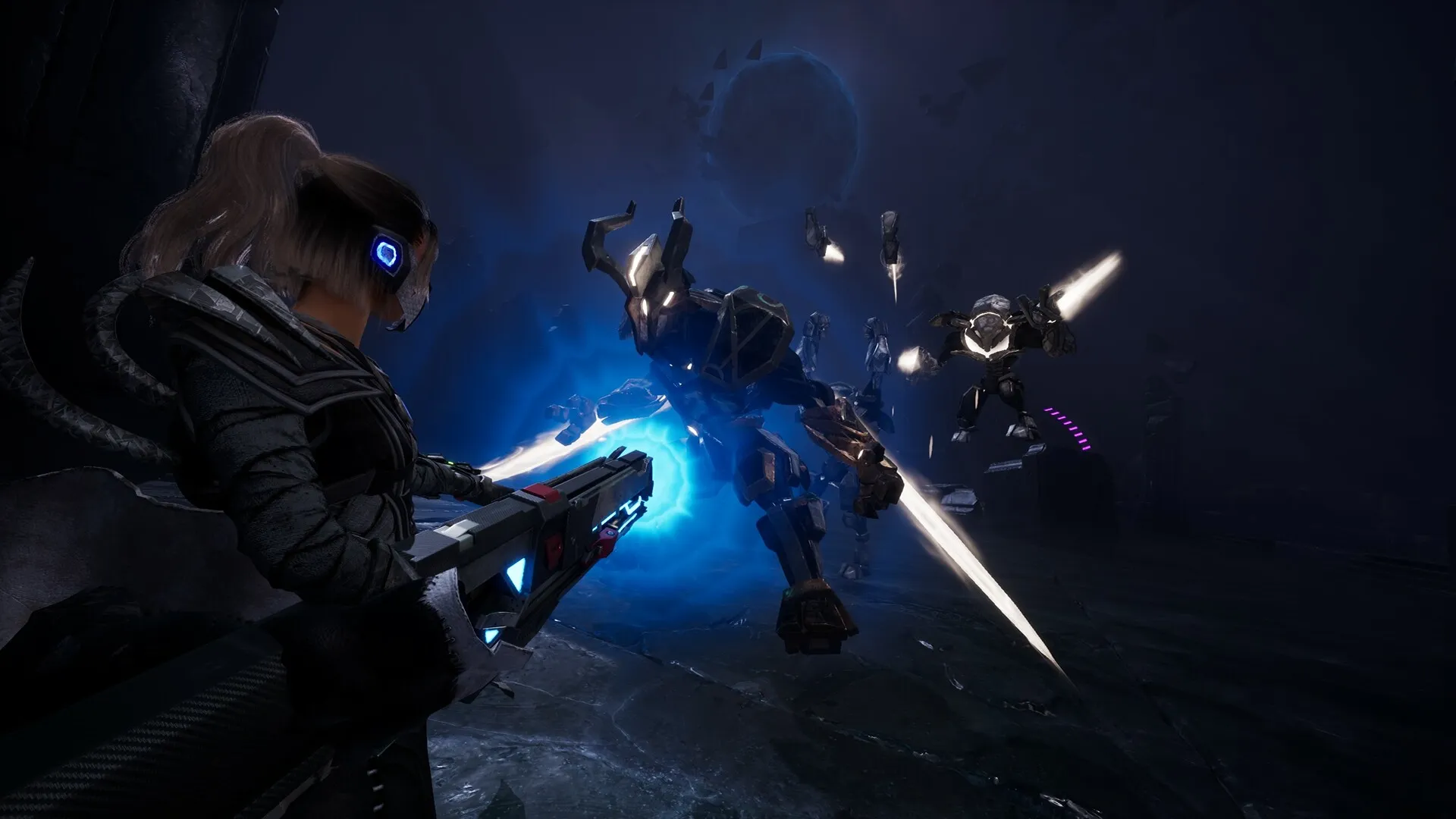
Without an in-game map or compass, players must learn each layout by heart, forging a sense of place rather than following breadcrumbs. Multiple routes to the boss room mirror ancient pilgrimage paths: you can choose the longer, safer route through side chambers, or charge straight ahead and face greater peril. This ambiguity can frustrate as much as it delights—a tension akin to wandering a medieval European town without street signs, where the joy of serendipity collides with the anxiety of getting lost.
Visually, the game contrasts sharp draw distances and richly detailed textures with a muted, serious palette. Moss-draped stonework and broken spires call to mind Miyazaki’s reverence for nature reclaiming the manmade, while the stark desert skyboxes nod toward Western sci-fi’s barren frontier tropes. Automaton enemies begin as uniform guardians, their designs evoking budget constraints, but later variants introduce distinct silhouettes that reflect narrative shifts from monolithic order to chaotic evolution.
Sound bridges these worlds. A deep drone throbs as you approach the Monolith’s portals, channeling the cosmic dread of 2001: A Space Odyssey, then cuts to silence at the threshold—an audio jolt that foregrounds each entrance as ritual. Boss intros unfold without dialogue, relying on silent mime sequences—a Japanese-inspired tableau that imparts character through movement rather than words.
Replayability emerges as patterns crystallize over many runs. As you map these ruins, the once-opaque corridors transform into familiar stages, and procedural elements take on meaning within a hand-crafted frame—inviting a meditation on how tradition and innovation can coalesce in a single, evolving world.
Cycles of Return: Progression as Ritual and Replay
Empyreal’s pacing mirrors pilgrimage traditions found from Camino de Santiago to Japanese temple circuits: each 10–20-minute run begins with a teleport flash, unfolds through layered challenges, culminates in a boss duel, and loops back to the hub for reflection and preparation. On handheld devices like the Steam Deck, these bite-sized rituals feel portable yet profound, inviting both weekend warriors and globe-trotting commuters to carve out digital rites.

Gear progression follows a carefully plotted arc. Your equipment climbs from level one toward the cap of thirty over roughly twenty hours, a journey that reflects growth narratives in bildungsroman fiction. Midway through, players often hit a plateau as the RNG of specific cartograms dictates story progression—an echo of folklore quests where luck can stall fate. Beyond the credits, New Game+ revives these trials with level sixty foes, secret endings and NPC duels, suggesting that mastery comes with embracing repetition rather than escaping it.
Despite its single-player focus, Empyreal sprinkles light social threads. At the cartogram trading post, you can exchange loot or gift Reset Spheres—life tokens—to other travelers’ shades. This asynchronous camaraderie recalls the communal spirit of early MUDs, where unseen hands guide your journey. Yet these gestures remain subdued, hinting at solidarity without demanding it.
Ultimately, the endgame drapes you in both triumph and weariness: the final boss’s fall feels earned after hours of attrition, yet questions linger—is the meaning in the climax or the countless climbs that led there?
Technicolor Mechanics and Sonic Echoes
Empyreal’s technical framework carries the hallmarks of Western AAA ambition filtered through indie pragmatism. On PC, mid-range setups like an RTX 2070 sustain steady performance at default settings, yet high-end rigs can dip below 90 FPS in visually dense moments—an echo of big-studio titles striving for spectacle while wrestling with engine complexity. On Steam Deck, the game’s Unreal Engine 5 visuals translate surprisingly smoothly, reflecting a growing trend of global developers optimizing cross-platform experiences for handheld audiences.
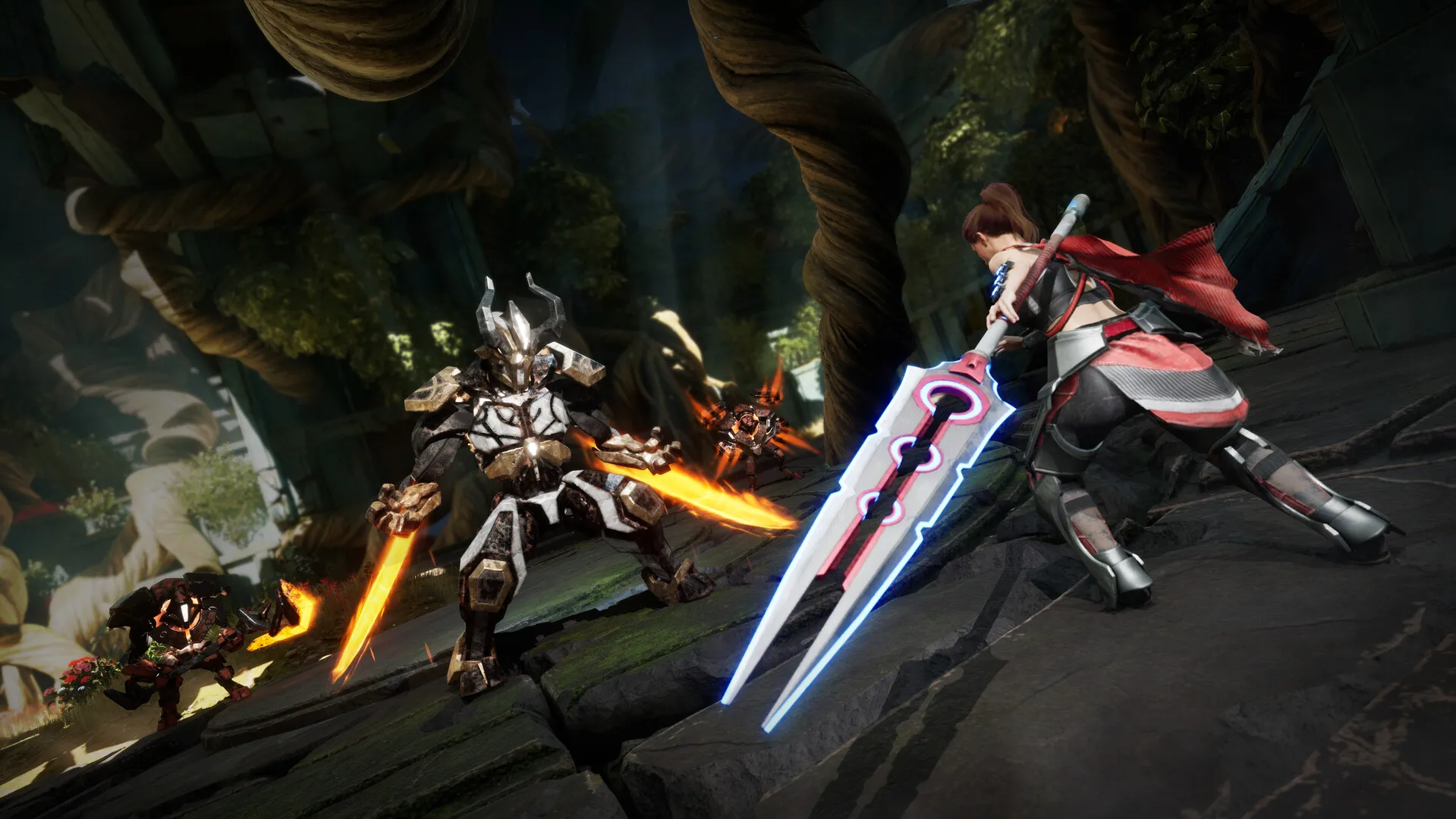
Controls marry responsiveness with occasional missteps. Parry and dodge share a single button—an economy of input familiar to Japanese action designers—yet this setup can trigger unintended maneuvers in tight encounters. The absence of lock-on nods to cinematic camera freedom seen in auteur-driven films, but it also forces players to wrestle the viewpoint during off-screen ambushes, blending immersion with irritation.
Interface design blends straightforward Western inventory layouts with sparse on-screen prompts. Cartogram menus present run details clearly, yet advanced stat explanations arrive only when first encountered, recalling art-house cinema that trusts viewers to connect thematic dots. Visually, lighting and materials shine under UE5’s polish, but character faces and camp areas often read as generic—like background actors in a global co-production.
The soundscape fuses sweeping epic motifs with ambient drone textures. Weapon impacts land with satisfying weight, while enemy cues echo both blockbusters and minimalist sound design. Voice performances largely stay within standard ranges, though occasional highlights—such as Isolda’s spirited delivery—remind us that even in a mechanically driven world, human expression still resonates.
Reflections and Recommendations
Empyreal emerges as a rigorous action RPG that invites players into a dialogue between precise systems and grand, alien architecture. Its intricate loot mechanics and sharp timing tools will appeal to those who cherish build-crafting and moment-to-moment mastery—think fans of Diablo’s gear loops, Monster Hunter’s weapon variety, or the calculated clashes of Souls-inspired titles. Portable-friendly runs lasting under twenty minutes also make it a strong candidate for handheld play.
Strengths include its telegraphed combat rhythm, deep modding options, evocative biomes and rewarding New Game+ layers. Yet jarring animations, RNG stalls in the mid-game and narrative threads that needle rather than weave can interrupt immersion. Technical hiccups surface on higher-end PCs, even as the Steam Deck handles most encounters with grace.
Who will find Empyreal most compelling? Players who embrace repetition as discovery and view challenge as storytelling, willing to forge meaning within its looping crucible—and perhaps question where ritual ends and revelation begins…
The Review
Empyreal
Empyreal is a bold indie action RPG that delivers satisfying, telegraphed combat and deep loot customization, though its narrative sometimes feels underdeveloped and technical hiccups can break immersion. Its tight 10–20-minute runs shine on handhelds, rewarding patient players who thrive on build mastery.
PROS
- Precise, telegraphed combat
- Deep loot customization and modding
- Hand-crafted biomes with procedural variety
- Portable-friendly 10–20-minute runs
- New Game+ and NPC duels add replay value
CONS
- Mid-game RNG plateaus progression
- Occasional animation and frame-rate hiccups
- Sparse narrative outside micro-moments
- No map or lock-on can frustrate navigation
- Parry/dodge sharing a button leads to misfires







