



















Lucile Hadžihalilović’s lyrical fantasy The Ice Tower swept Switzerland’s Neuchâtel International Fantastic Film Festival (NIFFF) over the weekend, capturing the H.R. Giger “Narcisse” award for best feature and the production-design prize while cementing Marion Cotillard’s latest collaboration with the French auteur as the season’s genre headline.
The jury announced its verdict late Saturday, praising the film’s “mesmerising interplay of desire and control” as it led a prize list that also saw Emilie Blichfeldt’s The Ugly Stepsister claim the Silver Méliès. NIFFF’s 24th edition drew 66 000 attendees—up on last year’s estimate—and premiered 127 titles from 42 countries, buoyed by a new open-air venue that sold out nightly. Festival director Pierre-Yves Walder said the awards underline “genre cinema’s ability to reinvent itself through daring perspectives,” while the CHF 10 000 top-feature purse positions Ice Tower for an expanded European roll-out this autumn.
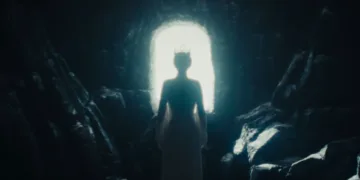
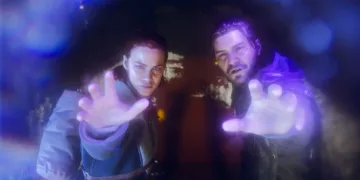
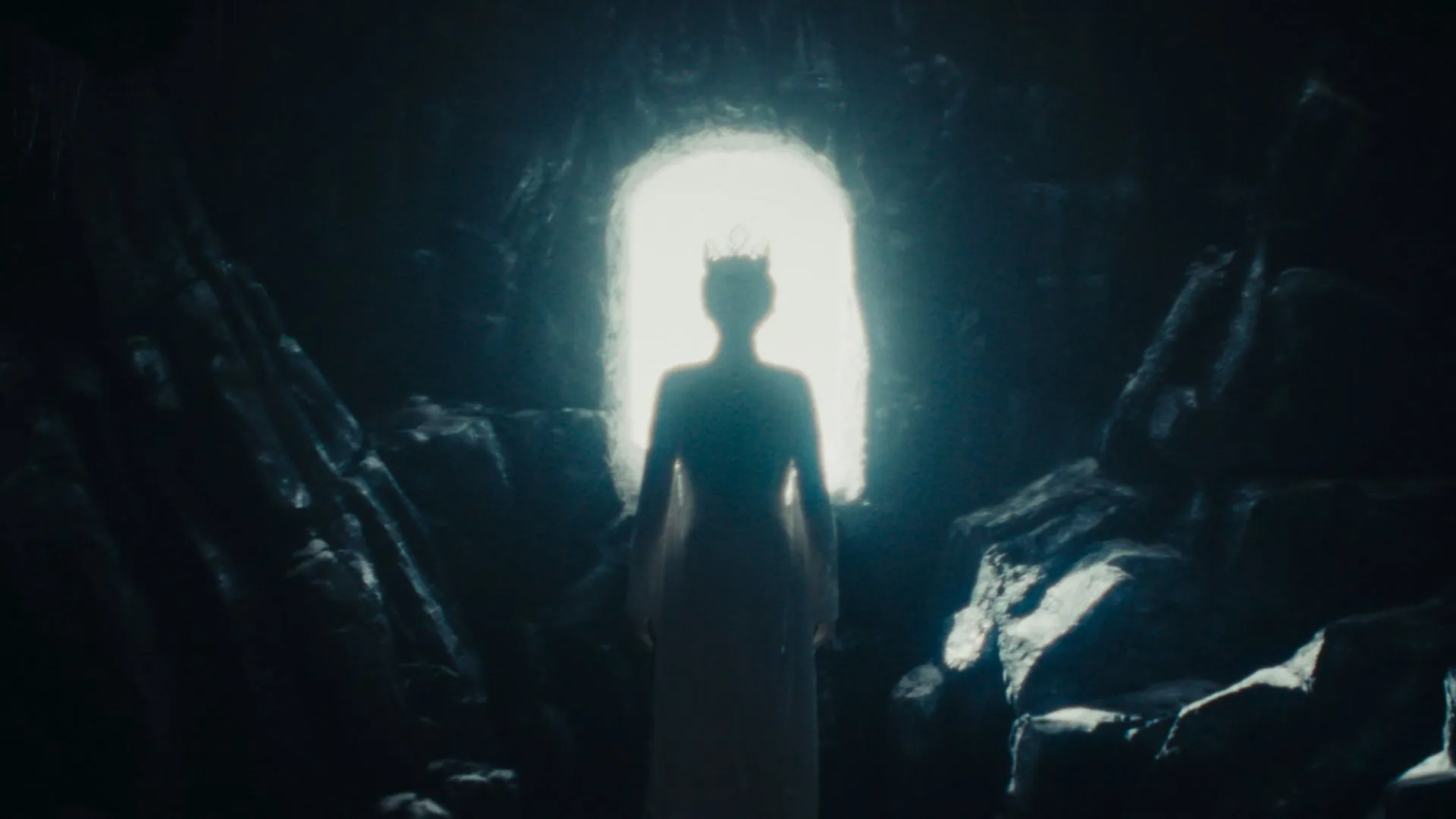
Set in the 1970s, the picture follows Jeanne, a runaway who infiltrates a studio where Cotillard’s ice-cold diva is shooting a version of Andersen’s Snow Queen; Gaspar Noé and August Diehl appear in supporting roles. Hadžihalilović—known for Evolution and Innocence—co-wrote the script with Geoff Cox, weaving themes of obsession and artistic exploitation that critics first dissected in February at the Berlinale world premiere. Production designer Jonathan Ricquebourg’s frozen soundstage, praised by NIFFF jurors, amplifies the tale’s fairy-tale unease.
While Variety highlighted the festival triumph as a launchpad for international sales, distributors suggest a staggered release strategy to build word of mouth before awards season. Early reviews describe a “dreamlike chamber piece” whose measured pace may challenge mainstream audiences yet aligns with growing arthouse appetite for dark fantasy. Analysts also note the film’s cast crossover—Noé trading his director’s chair for an acting cameo—as a talking point that could broaden press coverage. For NIFFF, the award reinforces its status as a launch site for European genre cinema, a role previously filled by titles such as Raw and Border.