














• Latest
  • Trending
Letters From The Past Review

Letters From The Past Review: A Turkish Drama of Measured Melancholy

Imperium Review

Imperium Review: Ordinary Life Beneath an Imperial Myth

Give It a Shot Review

Give It a Shot Review: Male Birth Control Meets Decades of Delay

Ever After Review

Ever After Review: Prince Charming Deserved a Smarter Nightmare

Burning Review

Burning Review: The Truth Is Less Fantastical and Far Worse

Maya & Samar Review

Maya & Samar Review: Passion Burns Brighter Than Its Politics

Monowave Review

Monowave Review: Emotion Becomes the Language of Play

Cocoon: One Summer of Girlhood Review

Cocoon: One Summer of Girlhood Review: War Reaches the Classroom First

Brailled It Review

Brailled It Review: The Braille Challenge Through Its Competitors’ Eyes

Dark Hollow Review

Dark Hollow Review: Coal Country Horror Finds the Wrong Target

Bucks County, USA Review

Bucks County, USA Review: Five Hours Inside America’s School Board Wars

Silent Hill: Townfall Review

Silent Hill: Townfall Review: The Fog Has Rules Now

Ghost in the Cell Review

Ghost in the Cell Review: Anger Management Has Never Been This Bloody

  • Home
  • Privacy Policy
  • Terms and Conditions
  • Gazettely Review Guidelines
Tuesday, September 22, 2026
GAZETTELY
  • Home
  • Movie and TV News
    La Bola Negra

    “La Bola Negra” Wins Toronto’s People’s Choice Award, Handing Netflix an Oscar Front-Runner

    Yesim Ustaoglu

    Yeşim Ustaoğlu Returns to San Sebastian With “What Remains,” a Road Movie About a Poet Who Walks Away

    The Dark gets In

    Blue Finch Films Boards Sean Hogan’s Supernatural Thriller “The Dark Gets In” Ahead of Beyond Fest

    In My Father’s Room

    Novelist Maha Harada, 64, Brings Her Directing Debut “In My Father’s Room” to San Sebastian

    Ben Affleck Jennifer Garner

    Ben Affleck Nearly Cast Ex-Wife Jennifer Garner as His Wife in “Animals”

    Aaron Sorkin

    David Fincher Was Aaron Sorkin’s First Pick for “The Social Reckoning,” but Netflix Deal Stood in the Way

    Ke Huy Quan

    Ke Huy Quan Recalls Near-$100,000 “Temple of Doom” Check That Stunned His Family

    Paramount

    Paramount Settlement Talks Pause as Some State AGs Demand Tougher Terms

    Youth Sharon Horgan

    Sharon Horgan Explains the “Youth” Premiere’s Emotional Twist: “It Was Always Going to End Like That”

  • Movie and TV Reviews
    Imperium Review

    Imperium Review: Ordinary Life Beneath an Imperial Myth

    Give It a Shot Review

    Give It a Shot Review: Male Birth Control Meets Decades of Delay

    Ever After Review

    Ever After Review: Prince Charming Deserved a Smarter Nightmare

    Burning Review

    Burning Review: The Truth Is Less Fantastical and Far Worse

    Maya & Samar Review

    Maya & Samar Review: Passion Burns Brighter Than Its Politics

    Cocoon: One Summer of Girlhood Review

    Cocoon: One Summer of Girlhood Review: War Reaches the Classroom First

    Brailled It Review

    Brailled It Review: The Braille Challenge Through Its Competitors’ Eyes

    Dark Hollow Review

    Dark Hollow Review: Coal Country Horror Finds the Wrong Target

    Bucks County, USA Review

    Bucks County, USA Review: Five Hours Inside America’s School Board Wars

  • Game Reviews
    Monowave Review

    Monowave Review: Emotion Becomes the Language of Play

    Silent Hill: Townfall Review

    Silent Hill: Townfall Review: The Fog Has Rules Now

    Graveyard Keeper 2 Review

    Graveyard Keeper 2 Review: Fixing the Grind Without Fixing Every Mystery

    BLACKWOOD Review

    BLACKWOOD Review: Stylish Takedowns, Shaky Foundations

    Sniper Dan Review

    Sniper Dan Review: The Real Skill Is Knowing Where to Look

    The Walking Dead: Streets of Survival Review

    The Walking Dead: Streets of Survival Review: Rick and Company Enter the Arcade

    Woodo Review

    Woodo Review: Finding Wonder Beyond the Screen

    Train Sim World 7 Review

    Train Sim World 7 Review: Three Railways, Three Different Rhythms

    Aniimo Review

    Aniimo Review: Great Creatures Trapped Behind Too Many Menus

  • The Bests
No Result
View All Result
  • Home
  • Movie and TV News
    La Bola Negra

    “La Bola Negra” Wins Toronto’s People’s Choice Award, Handing Netflix an Oscar Front-Runner

    Yesim Ustaoglu

    Yeşim Ustaoğlu Returns to San Sebastian With “What Remains,” a Road Movie About a Poet Who Walks Away

    The Dark gets In

    Blue Finch Films Boards Sean Hogan’s Supernatural Thriller “The Dark Gets In” Ahead of Beyond Fest

    In My Father’s Room

    Novelist Maha Harada, 64, Brings Her Directing Debut “In My Father’s Room” to San Sebastian

    Ben Affleck Jennifer Garner

    Ben Affleck Nearly Cast Ex-Wife Jennifer Garner as His Wife in “Animals”

    Aaron Sorkin

    David Fincher Was Aaron Sorkin’s First Pick for “The Social Reckoning,” but Netflix Deal Stood in the Way

    Ke Huy Quan

    Ke Huy Quan Recalls Near-$100,000 “Temple of Doom” Check That Stunned His Family

    Paramount

    Paramount Settlement Talks Pause as Some State AGs Demand Tougher Terms

    Youth Sharon Horgan

    Sharon Horgan Explains the “Youth” Premiere’s Emotional Twist: “It Was Always Going to End Like That”

  • Movie and TV Reviews
    Imperium Review

    Imperium Review: Ordinary Life Beneath an Imperial Myth

    Give It a Shot Review

    Give It a Shot Review: Male Birth Control Meets Decades of Delay

    Ever After Review

    Ever After Review: Prince Charming Deserved a Smarter Nightmare

    Burning Review

    Burning Review: The Truth Is Less Fantastical and Far Worse

    Maya & Samar Review

    Maya & Samar Review: Passion Burns Brighter Than Its Politics

    Cocoon: One Summer of Girlhood Review

    Cocoon: One Summer of Girlhood Review: War Reaches the Classroom First

    Brailled It Review

    Brailled It Review: The Braille Challenge Through Its Competitors’ Eyes

    Dark Hollow Review

    Dark Hollow Review: Coal Country Horror Finds the Wrong Target

    Bucks County, USA Review

    Bucks County, USA Review: Five Hours Inside America’s School Board Wars

  • Game Reviews
    Monowave Review

    Monowave Review: Emotion Becomes the Language of Play

    Silent Hill: Townfall Review

    Silent Hill: Townfall Review: The Fog Has Rules Now

    Graveyard Keeper 2 Review

    Graveyard Keeper 2 Review: Fixing the Grind Without Fixing Every Mystery

    BLACKWOOD Review

    BLACKWOOD Review: Stylish Takedowns, Shaky Foundations

    Sniper Dan Review

    Sniper Dan Review: The Real Skill Is Knowing Where to Look

    The Walking Dead: Streets of Survival Review

    The Walking Dead: Streets of Survival Review: Rick and Company Enter the Arcade

    Woodo Review

    Woodo Review: Finding Wonder Beyond the Screen

    Train Sim World 7 Review

    Train Sim World 7 Review: Three Railways, Three Different Rhythms

    Aniimo Review

    Aniimo Review: Great Creatures Trapped Behind Too Many Menus

  • The Bests
No Result
View All Result
GAZETTELY
No Result
View All Result
Letters From The Past Review

Glazer and Jacobson Explain the Rules That Saved Their “Broad City” Bond

“ZOMBIES 4” Sinks Its Teeth Into 9.3 M Disney+ Views

Home Entertainment TV Shows

Letters From The Past Review: A Turkish Drama of Measured Melancholy

Arash Nahandian by Arash Nahandian
1 year ago
in Entertainment, Reviews, TV Shows
Reading Time: 5 mins read
A A
0
Share on FacebookShare on TwitterShare on PinterestShare on WhatsAppShare on TelegramSummarize with ChatGPTSummarize with Perplexity

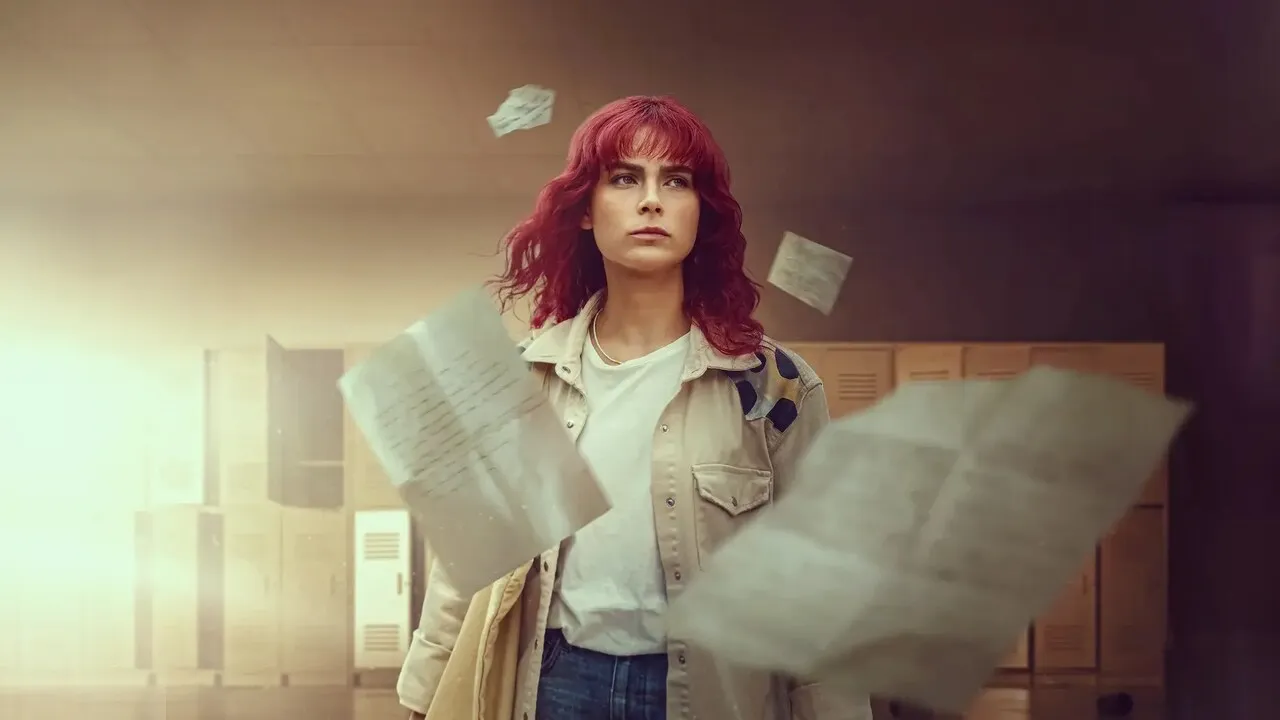
Memory is a fickle archivist. It misplaces files, redacts key details, and sometimes burns the whole library down. For Elif, her mother Fatma’s memory is a library in flames. Fatma’s cognitive decline has left her a ghost in her own life, a problem Elif manages with weary tenderness. Then comes the box.

Inside are letters, artifacts from 2003, a time capsule from her mother’s high school Literature Club. A time when Fatma’s mind was still a fortress. One letter, however, is not just a relic; it is a bomb. It informs Elif that the woman she has cared for, the woman fading before her eyes, is not her birth mother. Her entire personal history becomes a fiction.

The series immediately splits its consciousness. It becomes a present-day quest for identity, with Elif as the detective of her own existence. Simultaneously, it is a rewind to a Turkish high school two decades ago, a place filled with the sort of mundane teen angst that, unbeknownst to its participants, would curdle into life-altering secrets. Elif must sift through this fossil record of adolescent drama to find her own beginning.

A Dialogue Across Decades

The show executes a narrative pincer movement, attacking its story from two temporal fronts: 2023 and 2003. This dual-timeline structure is hardly new, but Letters From The Past employs it with a peculiar lack of integration, creating a structural dissonance that feels less like a deliberate artistic choice and more like an accidental byproduct of its premise. It is a feeling of watching two different shows that only occasionally glance at each other across the editing suite, like strangers making awkward eye contact on a train.

In one channel, we have Elif’s somber, present-day investigation. This story is quiet, interior, a slow-motion archaeology of self. In the other, we have the source code of that investigation: the 2003 Literature Club. Here, six teenagers orbit each other in a state of baffling social physics. They are a collection of resentments, petty cruelties, and confusing romantic vectors that defy simple explanation. Banu has a crush on Mert, but makes out with Murat.

Murat likes Zuhal, who seems to like Mert. Their interactions are so erratic—fighting one moment, sharing secrets the next—that one begins to question the foundation of their group. Are they friends? Or are they merely a random assortment of personalities forced into proximity by a teacher’s assignment, their bond a temporary illusion? This contrived chaos makes it difficult to invest in their relationships, which are supposedly the bedrock of the entire drama.

The letters are the mechanism meant to bridge this 20-year gap. They are epistolary ghosts, whispering clues from the past. Each one peels back a layer of history, a slow, methodical striptease of information. Yet the device feels more functional than elegant. The connection between the timelines often seems tenuous, the emotional gravity of the teenage squabbles insufficient to power the profound identity crisis of the present.

The series struggles to convince us that these specific high school dramas—a drug test, a stolen shirt tag, a costume party hookup—are the seismic events that would shape lives so irrevocably. The two stories run in parallel, but they do not always converge in a satisfying way. One is a quiet search for self; the other is a noisy, tangled high school drama that forgot to end, leaving the viewer to patch together the thematic tissue that should have connected them.

Portraits in Disappointment

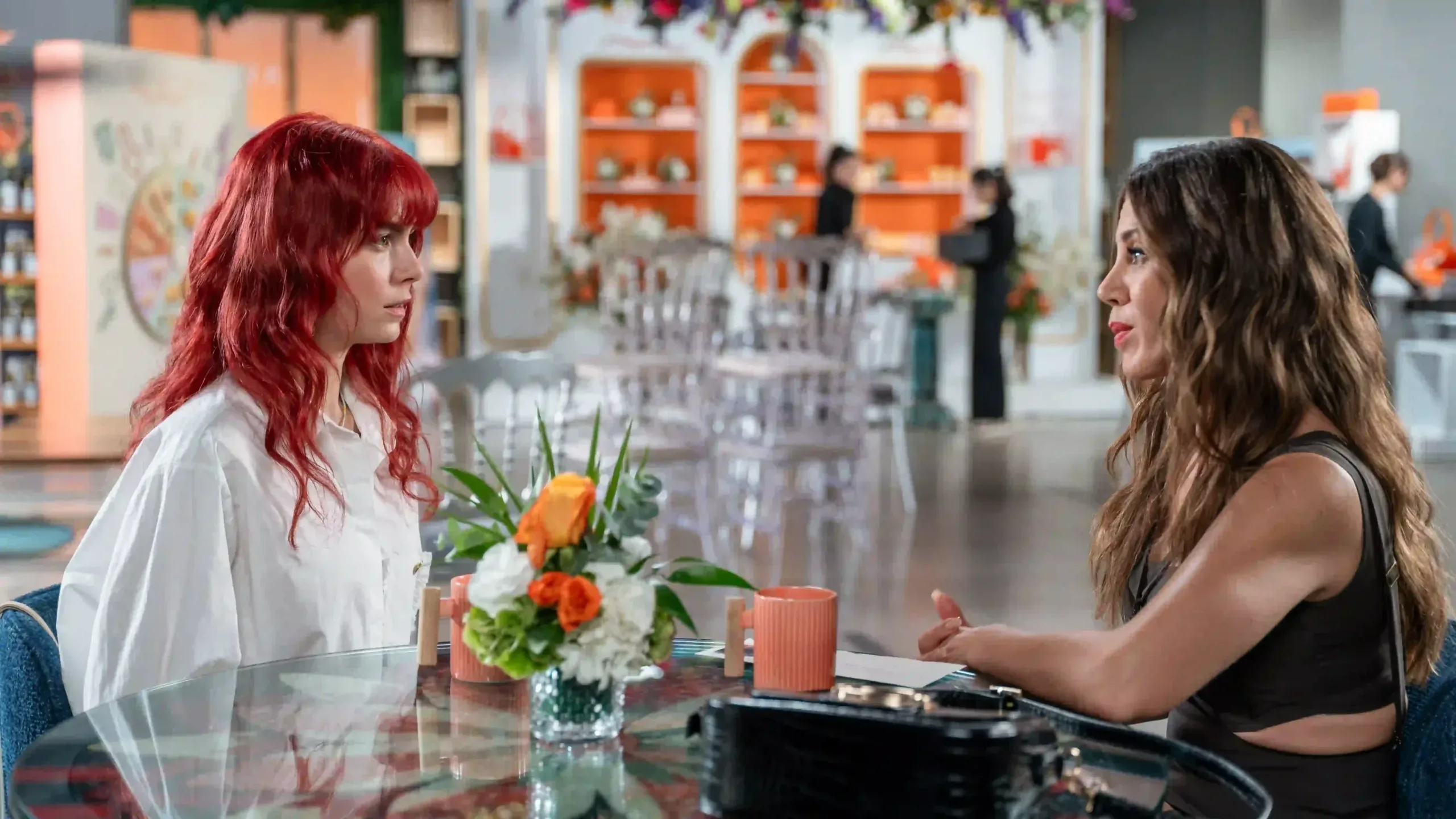
At the story’s stable center is Elif, our seeker. Günes Sensoy gives her a quiet determination that anchors the show, preventing it from drifting away on its own sea of melodrama. She is the constant in an equation full of chaotic variables, the lens through which we are meant to view the wreckage of the past. Her journey is not about grand gestures, but about the painstaking work of reconstructing a life from fragmented truths. She is the necessary emotional core.
Letters From The Past Review

The variables are the students of 2003, a gallery of adolescent anxieties who are less fully-formed characters and more walking archetypes. There is Murat, the rich kid whose personality is a wallet and whose dialogue amounts to “my father will handle it.” There is Zuhal, the proto-influencer, meticulously curating a public persona of affluence to hide a shameful family secret (a brother dealing drugs from the school canteen, no less). She is a seller of facades.

Then there is Banu, whose entire existence is filtered through the lens of others’ relentless, cruel commentary about her weight. Mert is the sullen basketball player, and Seda… well, Seda does drugs and hints at a pregnancy. They are sketches of people, defined by their most obvious trait, their depth seemingly sacrificed for plot mechanics.

The real sting, the show’s most potent and cynical truth, comes from their 2023 incarnations. Here, the narrative finds its footing by exploring the cruel comedy of time. Life’s little ironies are handed out with a trowel. Murat, the boy who boasted of his father’s connections, is now the paid driver for a wealthy woman: Banu, the very girl everyone mocked. Zuhal, the expert curator of her own image, becomes a social media personality, achieving the fame she craved but remaining emotionally hollow.

The dreams and postures of youth have decayed into quiet, compromised adulthoods. They are not villains. They are not heroes. They are simply case studies in disappointment, their youthful flaws having metastasized in predictable ways. Their adult selves are living monuments to the gap between aspiration and reality, and it is in this melancholy space that the show’s character work becomes most resonant.

The Quiet Hum of Regret

Do not expect a thriller. The series rejects the manufactured urgency of its streaming contemporaries, a choice that is both admirable and, at times, frustrating. There is no murder to solve, no ticking clock, no sensationalist hook like those found in shows such as Elite. Its pace is deliberate, at times bordering on sluggish, demanding a patience that modern television rarely asks of its audience.

Letters From The Past Review

The drama is found not in explosions but in the slow erosion of certainty, in the quiet unfolding of long-buried truths. This commitment to edgeless human drama is its most respectable quality and its primary weakness. It feels more honest, but it also lacks the narrative propulsion that keeps viewers clicking “next episode.”

The atmosphere is one of measured melancholy. Aided by fine, often gorgeous cinematography and a wistful score, the show wraps itself in a blanket of nostalgia—not for a happy past, but for a past that, for better or worse, was formative and inescapable.

The relatively short episodes, most under 40 minutes, make it an easy binge, a low-commitment investment in other people’s problems. It slips by easily, though it may not leave a lasting impression. It occupies a strange middle ground: too slow for a potboiler, yet too reliant on plot contrivances to be a pure character study.

Its central preoccupation is with the chasm between the people we plan to be and the people we become. This is its most universal and thoughtful layer. It is a story about the unreliability of memory, a theme personified by Fatma’s tragic decline. Her mind, collapsing into a fog, is a macrocosm of the show’s smaller assertions: that no one remembers things quite right, that we are all editors of our own history.

The show offers no grand pronouncements or easy resolutions. It simply presents a human ecosystem where youthful ambition has curdled into adult reality, where secrets fester, and where the past is never truly past. It is a show for a quiet evening, for anyone who has ever looked back and wondered at the stranger holding their name.

Letters From The Past premiered on Netflix on July 23, 2025.

Full Credits

Director: Cenk Ertürk

Writers: Rana Denizer

Producers and Executive Producers: Saner Ayar (executive producer), Cengiz Çağatay (producer)

Cast: Güneş Şensoy, Gökçe Bahadır, Onur Tuna, Selin Yeninci, Erdem Şenocak, Saygın Soysal

The Review

Letters From The Past

6.5 Score

Letters From The Past is a structurally suspect but thematically sincere meditation on memory. Its dual timelines never fully integrate, and its depiction of the past relies on thin character sketches. The show finds a more solid footing in its melancholy portrayal of adult disappointment. It is a slow, contemplative series that offers poignant ideas about the passage of time but is hampered by clumsy execution. It remains a respectable, if ultimately forgettable, piece of human drama.

PROS

  • Thoughtful exploration of themes like time, memory, and regret.
  • A consistent, melancholy mood supported by its cinematography and score.
  • A strong, grounding performance by Günes Sensoy as the protagonist, Elif.
  • The adult characters' storylines provide moments of poignant irony.

CONS

  • The dual-timeline structure often feels disconnected and awkward.
  • Teenage characters are largely one-dimensional and their relationships are unconvincing.
  • The plot's pacing is slow and lacks a sense of urgency.
  • The central mystery rests on a foundation that can feel flimsy.

Review Breakdown

  • Overall 0
Tags: DramaErdem ŞenocakFeaturedGelecege MektuplarGökçe BahadırGüneş ŞensoyLetters From The PastNetflixOnur TunaRana DenizerSaygın SoysalSelin Yeninci
Previous Post

Glazer and Jacobson Explain the Rules That Saved Their “Broad City” Bond

Next Post

“ZOMBIES 4” Sinks Its Teeth Into 9.3 M Disney+ Views

This Week's Top Reads

  • Is This Seat Taken? Review

    Is This Seat Taken? Review: A Satisfying Mental Workout

    1291 shares
    Share 0 Tweet 0
  • Youth Review: Growing Up Does Not End at 50

    1 shares
    Share 0 Tweet 0
  • Tom Pelphrey Wins First Emmy, Dedicates It to Pregnant Kaley Cuoco

    0 shares
    Share 0 Tweet 0
  • Trust Review: Squandered Potential and an Incoherent Plot

    6 shares
    Share 0 Tweet 0
  • Agatha Christie’s Tommy & Tuppence Review: Two Great Detectives Need Sharper Mysteries

    0 shares
    Share 0 Tweet 0
  • Fauda Season 5 Review: Revenge Crosses the Mediterranean

    1 shares
    Share 0 Tweet 0
  • The Perfect Lie Review: The Dinner Club Knows How to Keep a Secret

    0 shares
    Share 0 Tweet 0

Must Read Articles

Silent Hill: Townfall Review
Reviews Games

Silent Hill: Townfall Review: The Fog Has Rules Now

23 hours ago
Ghost in the Cell Review
Movies

Ghost in the Cell Review: Anger Management Has Never Been This Bloody

23 hours ago
Gandhari Review
Movies

Gandhari Review: A Rich Mythology Trapped Inside a Familiar Thriller

2 days ago
Lovesick Review
TV Shows

Lovesick Review: Revolution Outside, Restriction at Home

2 days ago
Daniel and the Fiery Furnace Review
Movies

Daniel and the Fiery Furnace Review: Its Quietest Moments Burn Brightest

2 days ago
Loading poll ...
Coming Soon
Which of Alfred Hitchcock's 1960s thrillers is your all-time favorite?

Gazettely is your go-to destination for all things gaming, movies, and TV. With fresh reviews, trending articles, and editor picks, we help you stay informed and entertained.

© 2021-2026 All Rights Reserved for Gazettely

What’s Inside

  • Movie & TV Reviews
  • Game Reviews
  • Featured Articles
  • Latest News
  • Editorial Picks

Quick Links

  • Home
  • About US
  • Contact Us
  • Advertise with Us
  • Review Guidelines

Follow Us

Facebook X-twitter Youtube Instagram
No Result
View All Result
  • Gazettely | Movie, TV & Game Reviews, News, and Rankings
  • Movies
  • Entertainment News
  • Movie and TV Reviews
  • TV Shows
  • Game News
  • Game Reviews
  • Contact Us

© 2024 All Rights Reserved for Gazettely