












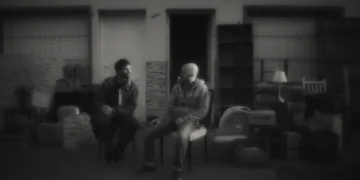









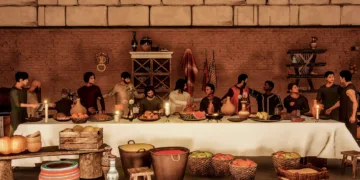




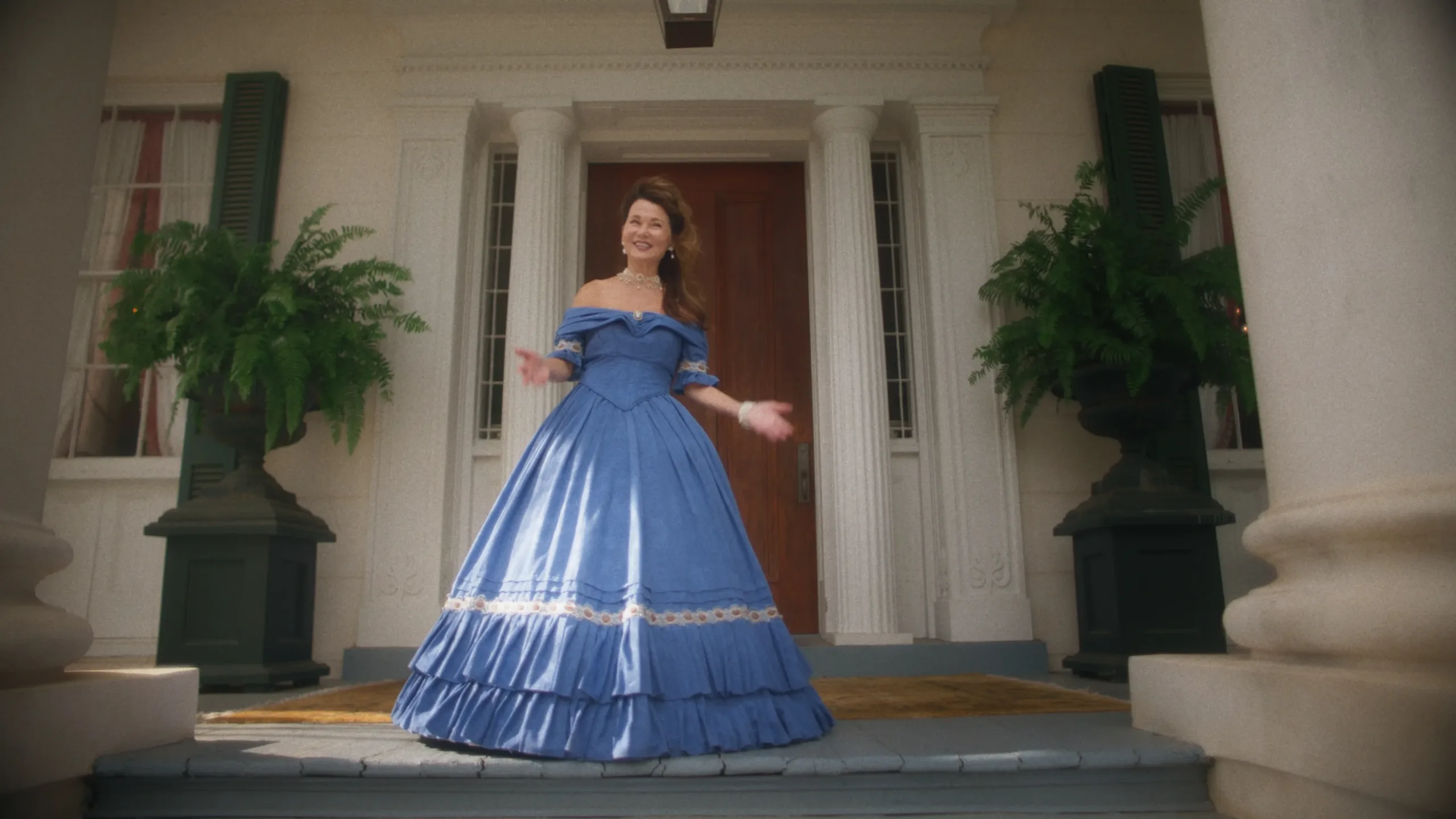

The film Natchez opens on a vision of Southern allure. Sun-drenched landscapes spill across the screen, illuminating the grand facades of Antebellum mansions and their impeccably manicured gardens. This is Natchez, Mississippi, a city that has spun its history into a modern commodity called “Heritage Tourism.”
The industry trades on a romanticized past, selling a polished narrative to visitors eager for a taste of bygone gentility. But the film immediately suggests a deep fissure beneath this placid surface. The very ground upon which these stately homes stand holds a different, far more painful history.
What unfolds is a quiet, powerful examination of a town at war with itself, a place where a celebrated past for some is a source of profound, unacknowledged trauma for others. The serene beauty on display is merely the prelude to a deep American conflict.
A War Fought in Whispers
The central battle in Natchez is one of story, a polite but deeply serious war over public memory. On one side stands the town’s economic engine: the “Pilgrimage” tours. This tradition, born of desperation in the 1930s when a boll weevil infestation decimated the cotton industry, has evolved into a full-blown performance of a past that never was.
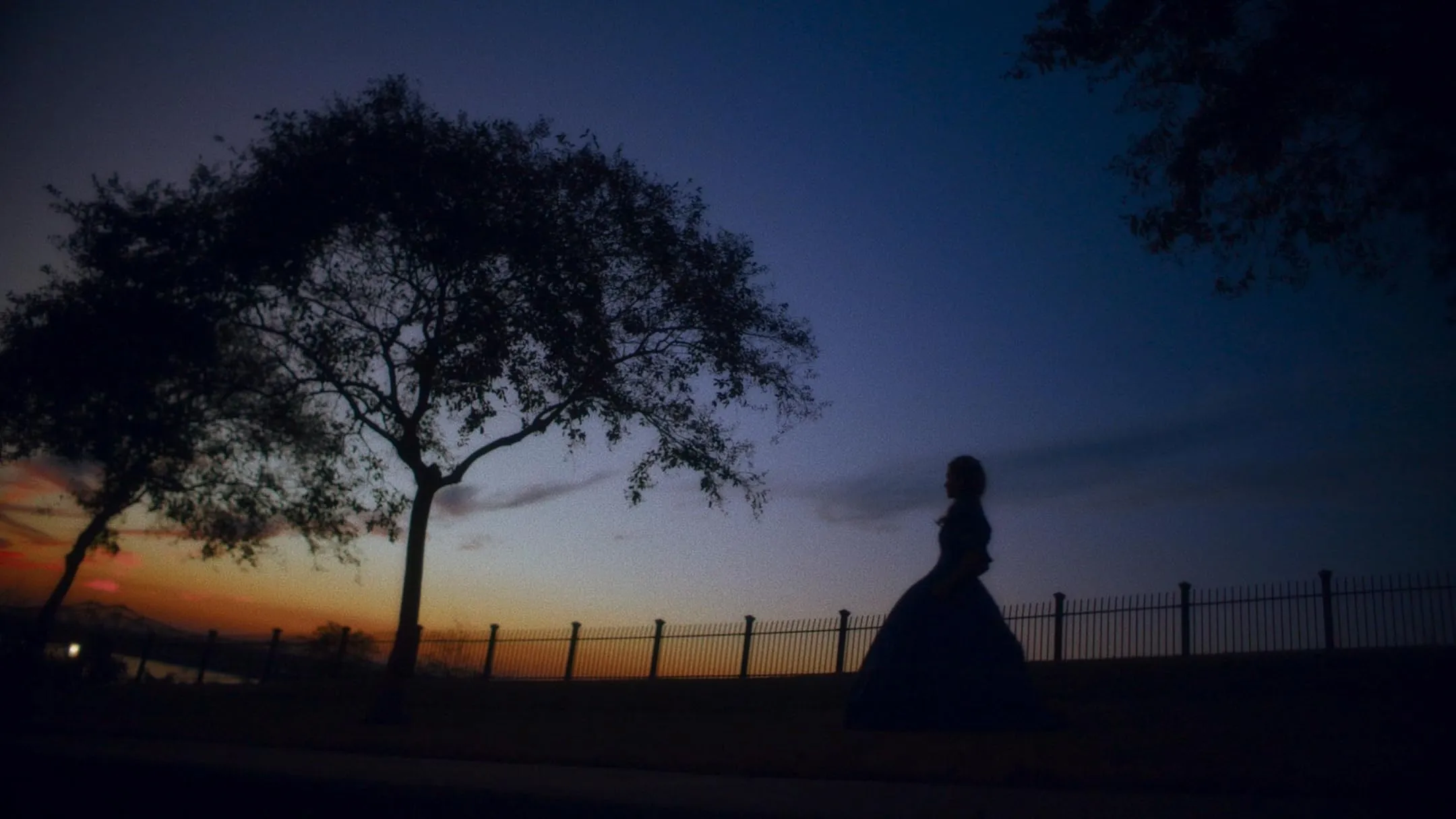
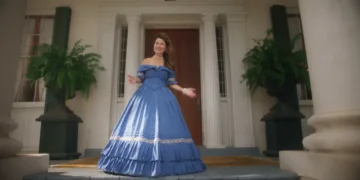
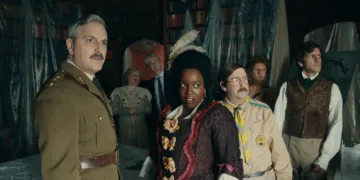
Run by the descendants of plantation owners, often referred to as the “blue-haired mafia,” these tours are exercises in pageantry. Hoop skirts, Confederate regalia, and meticulously polished silverware create a stage for tales of a genteel aristocracy.
The script is carefully curated, with language chosen to soften brutal truths; enslaved human beings are consistently referred to as “servants” or “help,” their forced labor and suffering erased by a simple linguistic sleight of hand.
On the other side of this conflict is a quieter, more resolute telling of history. Rev. Tracy Collins, a local Black pastor, guides visitors from his van not to the opulent mansions, but to the places the official tours ignore. His primary stop is the Forks of the Road, a location that was once the second-largest slave market in the Deep South.
The physical contrast is a potent statement in itself: the immaculate, preserved splendor of the plantation homes versus an unassuming, almost invisible patch of grass marking a site of immense human suffering. The conflict is not merely academic.
A current struggle to establish a proper National Park monument at the site is actively stalled by resistance from some white locals, including a garage owner who refuses to sell his property, making the fight for memory a tangible, present-day confrontation.
The Unseen Witness
The film’s power is magnified by its cinematic style, which rejects conventional documentary exposition in favor of quiet observation. The camera captures Natchez in a dreamy, golden-light glow, an aesthetic that creates an atmosphere of unsettling beauty.
This visual choice is not merely decorative; it actively participates in the film’s argument. The viewer is seduced by the same serene allure that draws tourists to the town, making the eventual reveal of the ugliness beneath all the more jarring.
The documentary often feels like a horror film, where the monster is not a phantom but a willfully ignorant nostalgia. Director Suzannah Herbert adopts a patient, non-intrusive approach, refusing the comfort of talking-head interviews or explanatory narration.
The camera becomes a quiet witness, trusting the audience to connect the dots and interpret the telling silences and unguarded moments. This method creates a disquieting time capsule, allowing subjects to reveal their deepest prejudices with a casualness that suggests they are unaware of how they are being perceived.
The editing is particularly sharp in its use of juxtaposition. In one sequence, a white woman speaks of the hard work done by the “ladies” of the house, while the camera cuts to Black gardeners performing manual labor in the present day.
In another masterful moment, the lens slowly pans away from a prattling speaker to rest on the face of Debbie Cosey, whose silent frustration as she leans against a fireplace conveys volumes more than any dialogue could. The filmmaking respects the viewer’s intelligence, presenting evidence without dictating a verdict.
Living Contradictions
The soul of Natchez is most vividly revealed through its residents, who are living embodiments of the town’s fractured identity. No figure is a more potent symbol of this contradiction than David Garner, the owner of Choctaw Hall.
An openly gay man who is keenly aware of struggles for civil rights, he is also captured on film spewing vicious racist slurs while polishing the “mammy figurines” that decorate his mansion. He is a walking paradox, a man who understands the sting of prejudice yet actively perpetuates it against another community. His failing health, which requires him to use a microphone to be heard on his tours, feels like a metaphor for the slow, inevitable decay of the gilded narrative he so fiercely protects.
Standing in stark opposition is Debbie Cosey, the first Black member of the Pilgrimage Garden Club. A figure of immense patience and fortitude, she purchased a former slave dwelling not to erase its past but to use it as an unshakeable tool for education, creating a direct rebuttal to the mansion tours from within the very system that created them.
Her quiet endurance in polite but tense conversations with her white peers, who praise her for having a “different story,” exposes the immense emotional labor required to speak truth in such a space. Rev. Tracy Collins personifies another form of this labor; his historical tours are masterpieces of careful social navigation.
He is passionate and jovial, yet must remain profoundly observant of his white passengers’ body language, knowing precisely when to push with a hard truth and when to pull back with a disarming joke to keep the conversation from shutting down. These individuals, in their complexity and conflict, are the film’s true subjects, painting a portrait of a town, and a nation, struggling to decide which version of itself it wants to be.
Natchez premiered at the Tribeca Film Festival in 2025 and won the Best Documentary award. It had a limited release in the US on June 9, 2025.
Full Credits
Director: Suzannah Herbert
Writers: Suzannah Herbert, Pablo Proenza
Producers and Executive Producers: Suzannah Herbert, Darcy McKinnon
Cast: Kathleen Bond, Ser Clifford Boxley, Tracy Collins, Deborah Cosey, Dan Gibson, Tracy McCartney, Barney Schoby
Director of Photography (Cinematographer): Noah Collier
The Review
Natchez
Natchez is a masterful and essential piece of filmmaking. It trusts its audience completely, using a patient, observational lens to expose the deep fractures in American memory. Without resorting to easy answers or overt narration, the film presents a disquieting portrait of a town wrestling with its own ghost. It’s a profound examination of how history is not something that is past, but something that is actively, and often painfully, being decided every day. A vital, unflinching document.
PROS
- An unflinching observational style that captures raw, unguarded moments.
- Stunning cinematography that contrasts physical beauty with a deep sense of unease.
- Deeply insightful portraits of complex, contradictory individuals.
- A sharp and necessary examination of how historical narratives are constructed and contested.
CONS
- Its deliberate, unhurried pace may challenge some viewers.
- The subject matter is emotionally taxing and offers no simple resolutions.
- The observational approach may feel emotionally distant to those seeking a more guided narrative.