





















![Kingdom Hearts Collection [I-III] Review](https://gazettely.com/wp-content/uploads/2026/10/Kingdom-Hearts-Collection-I-III-1-360x180.webp "Kingdom Hearts Collection [I-III] Review: KHII Holds Steady as Newer Entries Fluctuate 40")
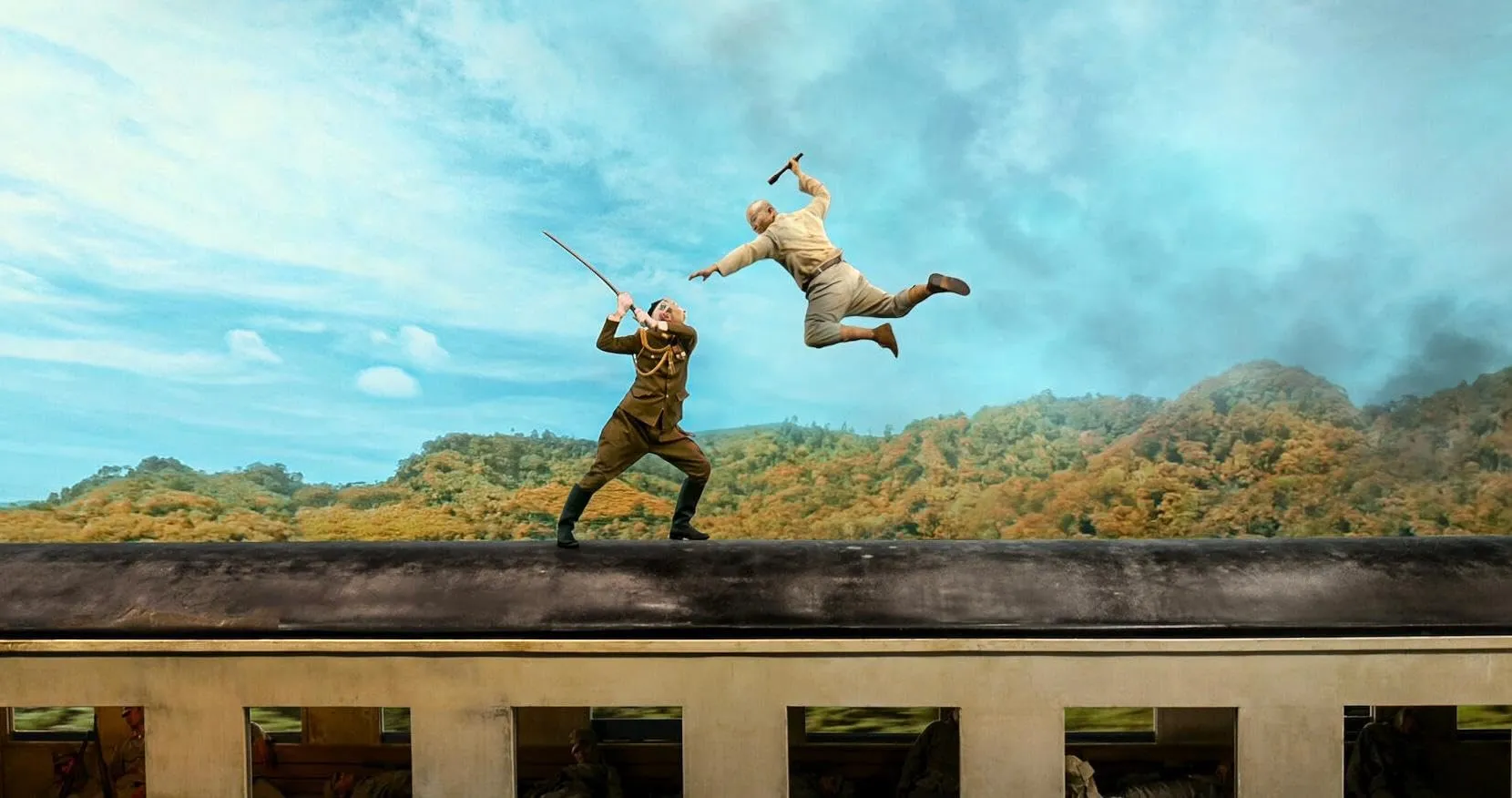

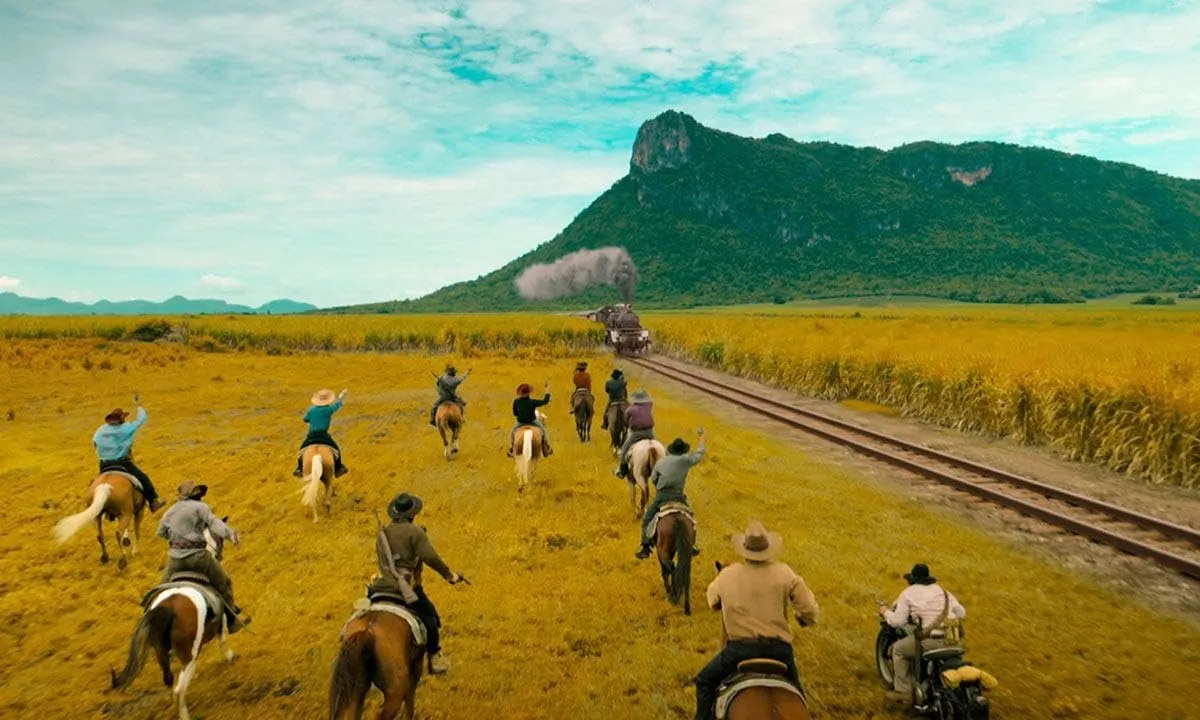
In the waning light of the Second World War, amidst the jungles of Thailand, a different kind of conflict unfolds. Director Wisit Sasanatieng’s Gold Rush Gang casts aside the somber grays of war films for a palette of explosive saturation. Here, the Japanese Imperial Army is not a harbinger of existential dread but the target for a charismatic bandit, Ko-Wah Thungsong, and his ragtag crew.
Their objective is a train laden with gold, a simple MacGuffin for what is less a grim wartime operation and more a high-spirited lark. The film immediately signals its intention to deconstruct the folk hero narrative, trading historical gravity for a spectacle of pure comedic energy. Sasanatieng is orchestrating a symphony of clashing genres.
Figures in a Moral Landscape
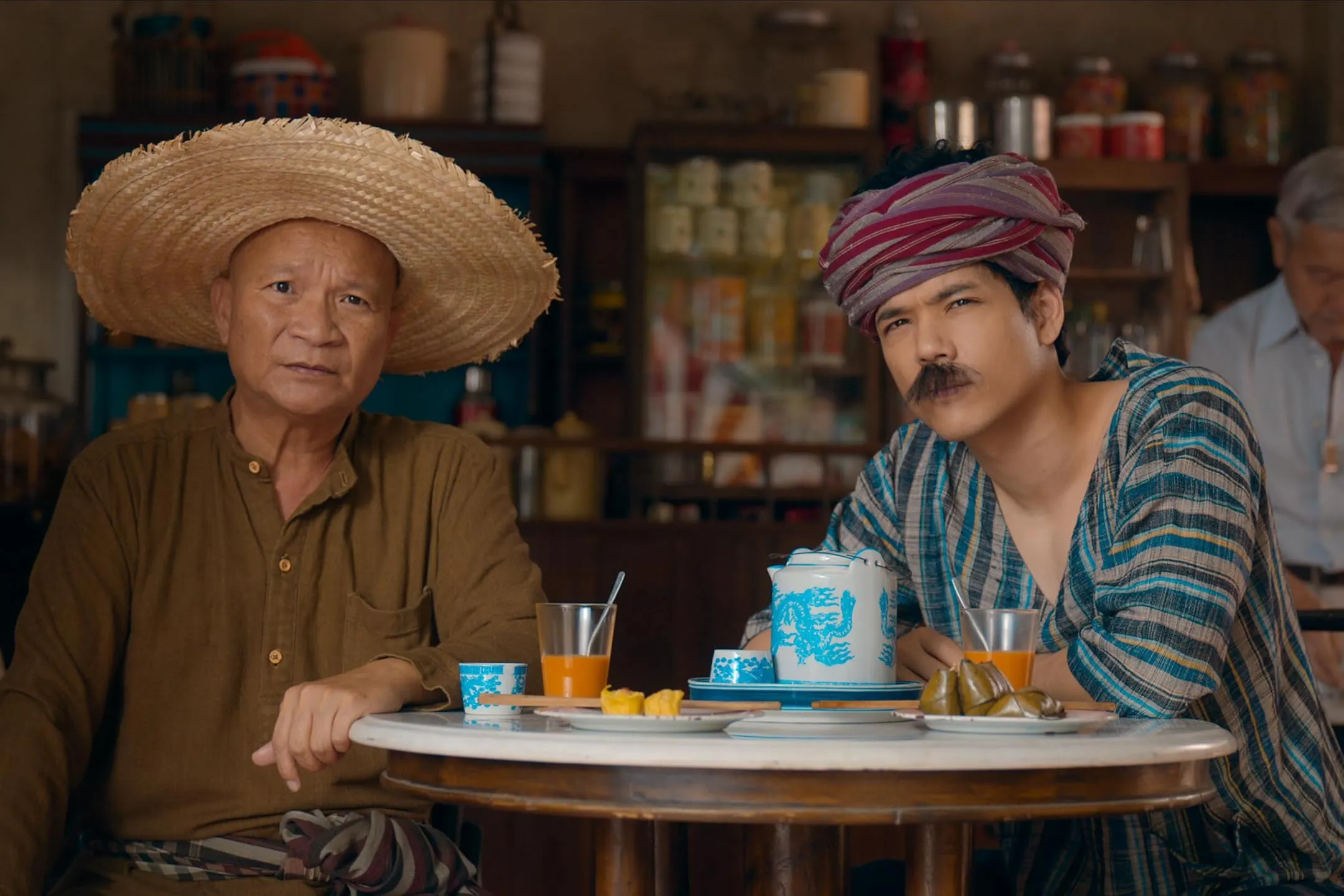
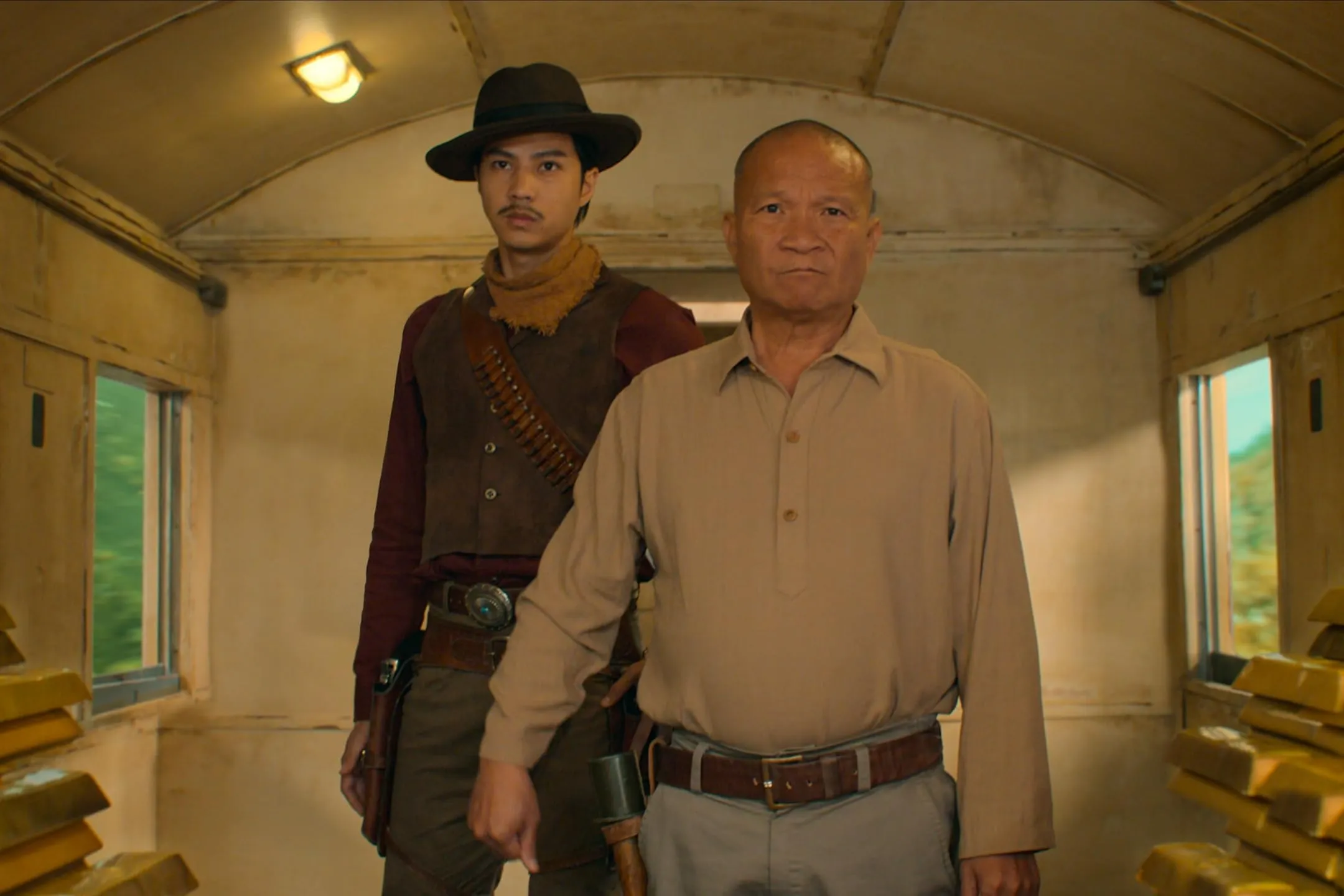
At the story’s center stands Ko-Wah Thungsong, a figure less of ambiguous noir morality and more of unambiguous populist justice. Petchtai Wongkamlao plays him not as a tormented soul but as a weary patriarch with a comedic flair, a Thai Robin Hood whose legend feels both earned and slightly silly.
He is a man seemingly trapped by his own myth, his grand gestures complicated by the mundane task of managing his chaotic crew. His motivations are rooted in a clean, classical rivalry: a stolen love and a feud with the corrupt police chief, Luang. This is not the labyrinthine betrayal of a Chandler novel; it is a straight line, a personal vendetta that conveniently aligns with the public good. Surrounding him is his adopted family of former orphans, each a specialist archetype.
There is Jong the charmer, Yada the fighter, Dum the martial artist, and Mont the demolition man. Their familial banter and tangled affections provide the film’s emotional rhythm. The love triangle—Dum loves Yada, Yada loves Jong—becomes a test of their collective ethos when Jong falls for Chompen, the daughter of his leader’s sworn enemy.
It poses a fundamental question: can an identity forged in shared hardship be dissolved by individual desire? The antagonists, from the sneering Japanese officers to the vindictive Luang, are rendered in broad, expressionistic strokes. They are placeholders for evil, narrative conveniences that allow the heroes to operate in a world of moral simplicity.
The Unstable Chemistry of Tone
Gold Rush Gang is an exercise in tonal alchemy. It welds the framework of a Western heist onto a chassis of slapstick comedy, then bolts on the overwrought sincerity of melodrama. The result is volatile, creating a sense of delightful disorientation for the viewer.
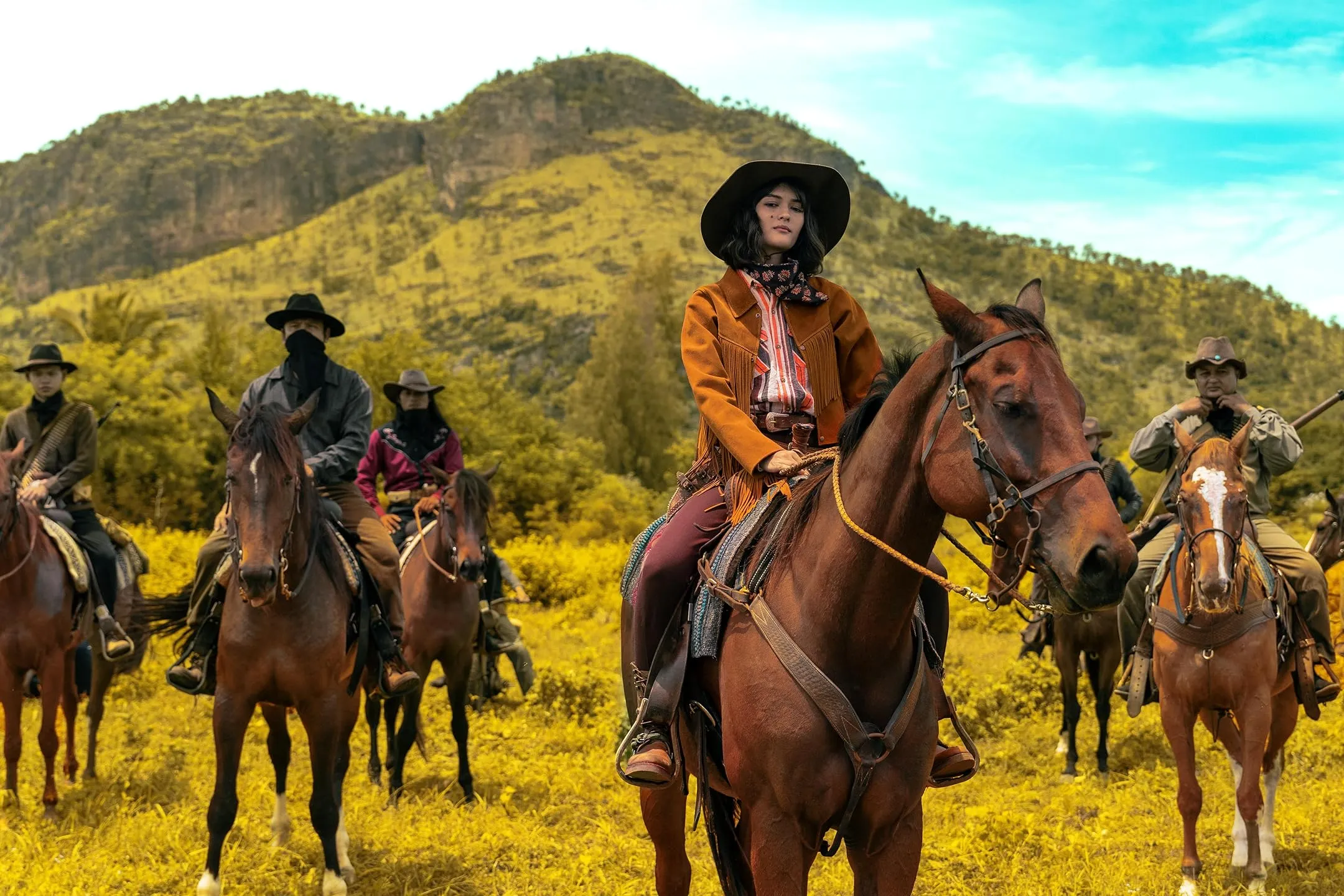
Action sequences are choreographed less like battles and more like violent ballets punctuated by sight gags; grave romantic confessions are delivered with a theatricality that borders on parody. The humor is aggressively physical and almost anarchic, disrupting moments that would otherwise be tense with an unexpected gag involving an oxen or one of Ko-Wah’s transparently foolish disguises.
Yet, the film’s commitment to this manic blend is not always seamless. An abrupt, mishandled scene of sexual assault creates a moment of genuine tonal whiplash. It is a tear in the film’s fabric, a horrifying note of sincerity in a world of artifice.
The aesthetic framework, built on irony and kinetic joy, possesses no tools to process genuine trauma. The subsequent and questionable narrative softening of the character’s stance is a profound failure, suggesting the filmmakers themselves were unsure how to resolve a dark event they introduced into their chaotic world.
A Spectacle of Intent and Ineptitude
The film’s visual language is one of hyperbole. Its action is a frantic spectacle of preposterous physics, a clear homage to the kinetic excess of classic Hong Kong cinema where gravity is a polite suggestion. Characters don’t just run; they fly.
The camera work is dynamic, always moving to capture the lunacy from the most energetic angle. In its final act, the film abandons all restraint, staging a confrontation in a forest of impossible color. The saturated yellows, reds, and greens create a dreamscape, a backdrop so blatantly artificial it becomes its own form of expressionistic beauty.
This is a direct refutation of noir’s chiaroscuro; instead of hiding truth in shadows, Sasanatieng blasts the frame with so much color that it creates a different kind of obscurity, the unreality of pure fantasy. This visual confidence makes the technical shortcomings all the more jarring.
The film is burdened with conspicuous CGI. Digital blood erupts in weightless, cartoonish splatters, a failure of world-building at the pixel level. During the climactic train sequence, the illusion of motion is shattered by green screen backgrounds devoid of any blur, an error that creates an unintentional Brechtian distance, constantly reminding the audience they are watching a construct.
Rhythms of Loyalty and Legend
The narrative is structured with a certain mechanical simplicity. An explosive opening gives way to a long, meandering second act where the pacing slows to a crawl. The film indulges in flashbacks and tangled romantic subplots that threaten to derail the central heist.
This structural gamble, however, serves a purpose. By pausing the action, the film forces the viewer to consider the characters’ internal states. Are their choices—to love, to betray, to sacrifice—products of free will, or are they determined by their pasts as orphans and victims? The gang operates under a simple code: loyalty to each other. In a world without formal law, this code is everything.
Jong’s romance becomes the primary ethical test of this code, pitting personal happiness against collective survival. The film’s finale does not offer the simple catharsis of a successful heist. It is bittersweet, a quiet acknowledgment that legends are defined by memory and loss, not just by treasure. This elegiac note denies the audience a clean victory, pushing the film toward something more complex than pure escapism.
An Unapologetic Entertainment
Gold Rush Gang succeeds through its sheer force of will. Its primary strength is an infectious, relentless energy, a commitment to entertaining an audience through a barrage of color, comedy, and action. Petchtai Wongkamlao’s central performance is a joy, and the film’s final act is a masterclass in vibrant visual design.
It stands as a refreshing treatment of a genre often defined by grit and solemnity. This very boldness, however, is also the source of its flaws. The glaringly poor special effects, the inconsistent humor, and the sagging pace are all consequences of an ambition that occasionally outstrips its execution.
The film’s strengths and weaknesses are inseparable. It proposes that its brand of vibrant, chaotic fun is its own form of coherence, operating under a different set of aesthetic rules. It is a spectacle that demands surrender, not sober analysis, and must be judged on those audacious terms.
Gold Rush Gang is a Thai action, adventure, and comedy film that premiered globally on Netflix on August 21, 2025. The film is approximately 1 hour and 59 minutes long and is available to stream in over 190 countries worldwide. It was inspired by the legend of Ko-Wah Thungsong. The production company is Bang Fai Film.
Full Credits
Director: Wisit Sasanatieng
Writers: Wisit Sasanatieng, Weeravat Chayochaikon, Pipat Jomkoh, Phetthai Vongkhamlao
Producers and Executive Producers: Phetthai Vongkumlao
Cast: Phetthai Vongkhamlao, Thiti Mahayotaruk, Chingduang Duijkers, Ophaphoom Chitapan, Nachat Juntapun, Punpreedee Khumprom Rodsawat, Myria Benedetti, Weerayut Nancha, Keita Arai, Peron Yasu
The Review
Gold Rush Gang
Gold Rush Gang is a cinematic paradox, a burst of inventive energy sabotaged by its technical failings. Director Wisit Sasanatieng crafts a thrillingly chaotic spectacle that prizes audacious fun over coherence. While its stunning visual design and infectious energy are undeniable, the film is perpetually undermined by glaringly poor CGI and an unsteady tone. It is a brilliant, beautiful mess, a stylish experiment recommended for those who value ambition over polished execution.
PROS
- Infectious, high-spirited energy throughout the action sequences.
- Bold and creative blending of genres, mixing action, comedy, and melodrama.
- Stunning cinematography and a vibrant, hyper-saturated color palette.
- A charismatic and enjoyable lead performance from Petchtai Wongkamlao.
CONS
- Distractingly poor and artificial-looking CGI, particularly the digital blood effects.
- An uneven tone where broad comedy clashes with serious dramatic moments.
- Significant pacing issues, with a narrative that slows considerably in the middle.
- Mishandling of a serious plot point, creating jarring tonal whiplash.