


















![Kingdom Hearts Collection [I-III] Review](https://gazettely.com/wp-content/uploads/2026/10/Kingdom-Hearts-Collection-I-III-1-360x180.webp "Kingdom Hearts Collection [I-III] Review: KHII Holds Steady as Newer Entries Fluctuate 37")



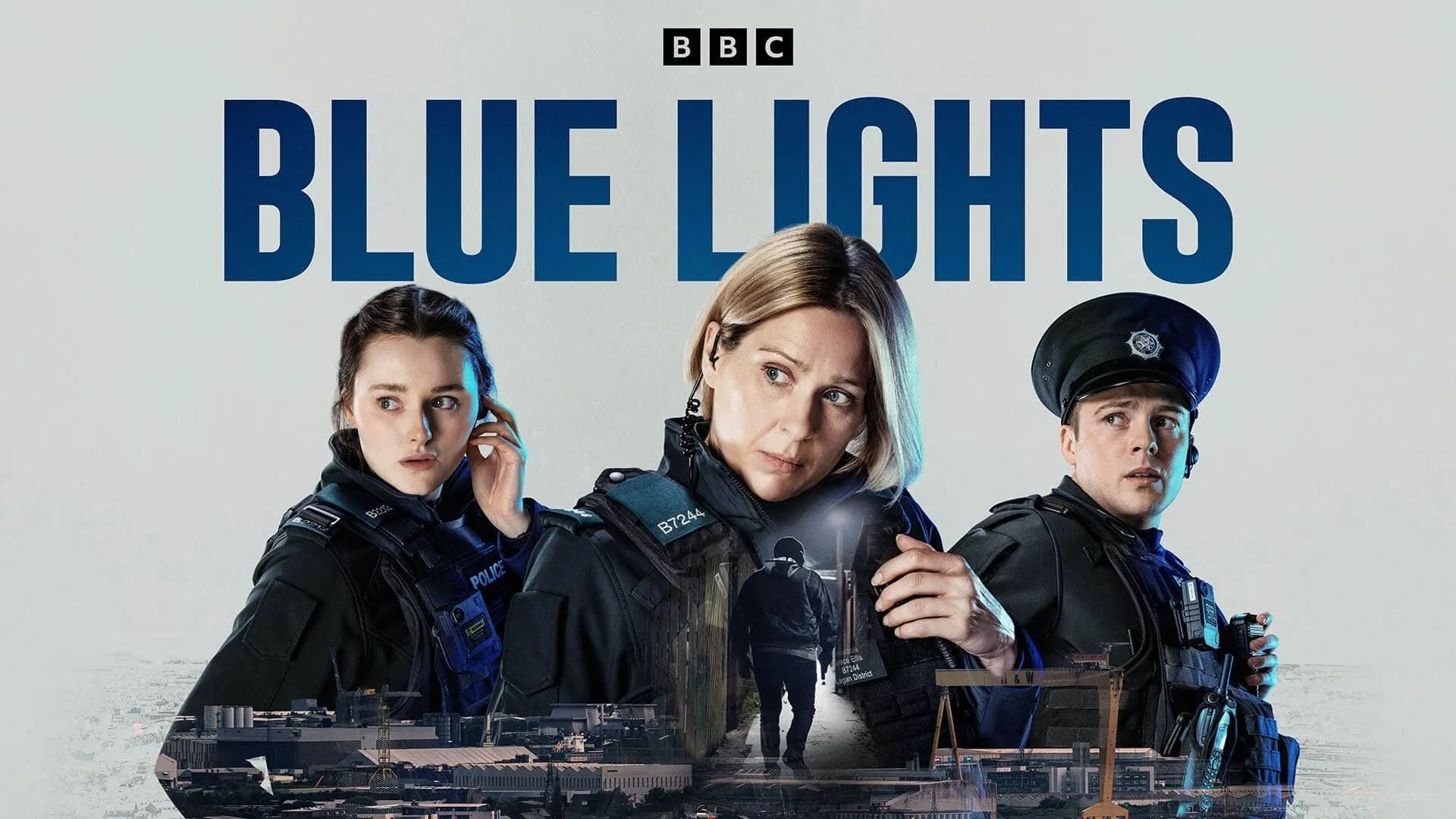

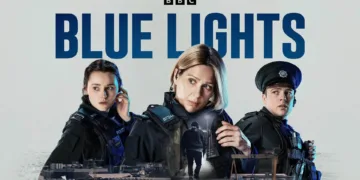
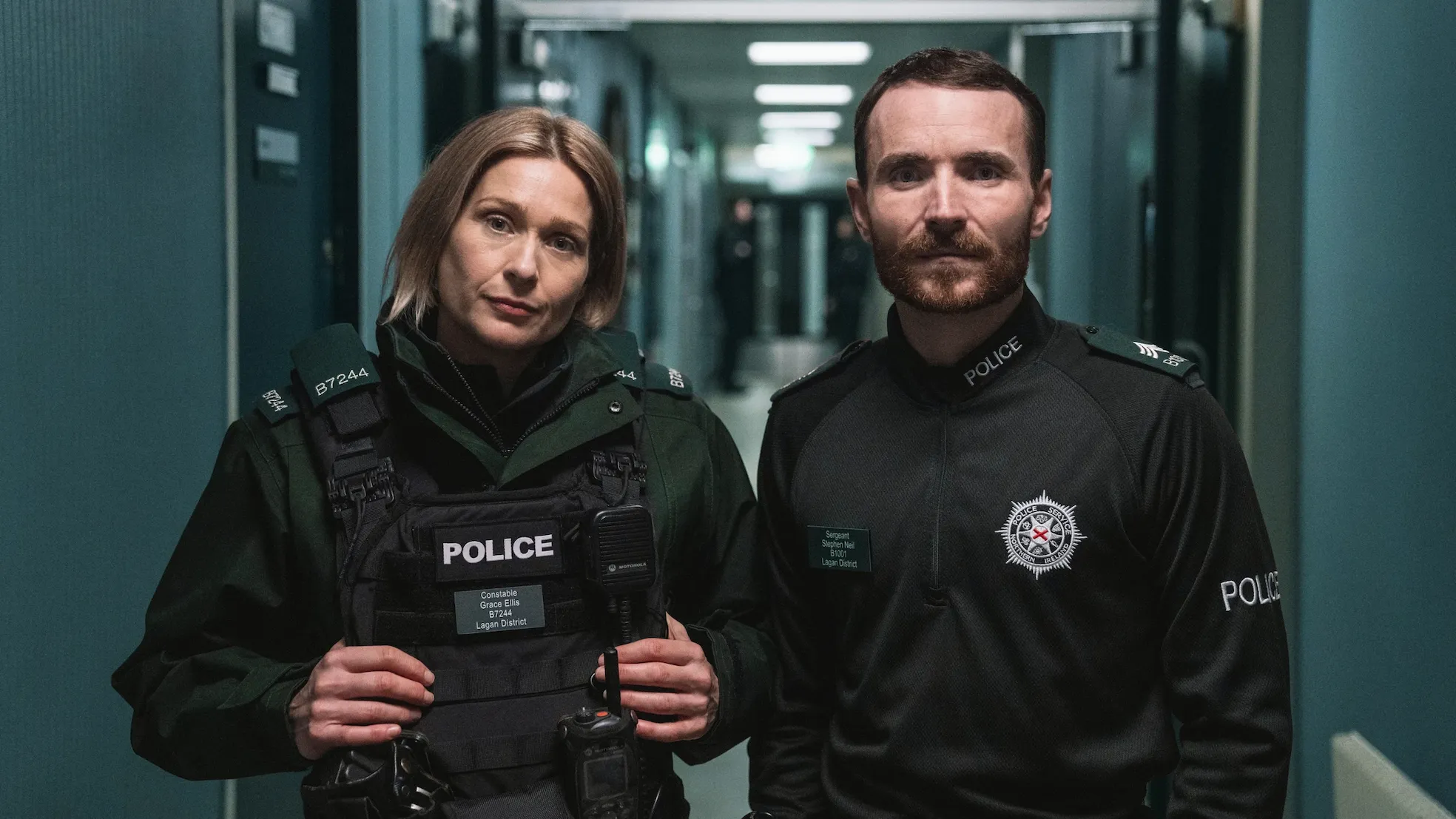
The conversation is about baked goods. Specifically, the perceived failure of Stevie’s buns and the lengths he has gone to rectify the situation, sourcing a superior cocoa powder from a chocolatier in Belgium. This moment of almost absurd domesticity, unfolding within the cramped, armored confines of a PSNI patrol car, is the key that unlocks the third season of Blue Lights. The show returns to a Belfast where the tectonic plates of its narrative have shifted.
The raw, ambient dread of a city wrestling with its ghosts has been re-tuned into a subtler frequency. A time jump is marked by Stevie’s beard and, more significantly, by the quiet intimacy he shares with Grace as they browse for houses online between calls. Their partnership has deepened into a life being built. This internal evolution is mirrored by an external one; the threat is no longer rooted in the raw sectarianism of the past.
A sophisticated Dublin crime syndicate has arrived, armed not with Semtex but with a slick, encrypted app delivering premium cocaine to the city’s professional class. The fight is for influence, not territory, a quiet corporate takeover waged in the corridors of power and the hushed lounges of private members’ clubs. The series turns its sharp gaze from the politics of the street to the hypocrisy of the middle classes.
A Station of Entangled Hearts
The Blackthorn station has become a delicate ecosystem of intertwined personal lives, a reality an officer notes with the dry observation that it has become “a flipping dating shop.” This deep dive into the romantic and domestic spheres marks the season’s most significant transformation, repositioning the series as a character study that happens to be about police officers.
The central pillar of this new structure is the established relationship between Grace and Stevie. The electricity of their once-unspoken connection has been replaced by the complex currents of cohabitation. Their conflict now arises from fundamentally different professional philosophies clashing over the dinner table. Grace’s history as a social worker fuels an innate compassion, a need to intervene and save that often chafes against the rigid protocols of policing.
Stevie, conversely, embodies a seasoned pragmatism born from years on the beat; he has made a weary peace with the fact that they cannot fix every broken thing they encounter. Their squad car, once a space of tentative professional bonding, is now a mobile confessional where discussions of mortgage rates are punctuated by the brutal intrusion of a radio call.
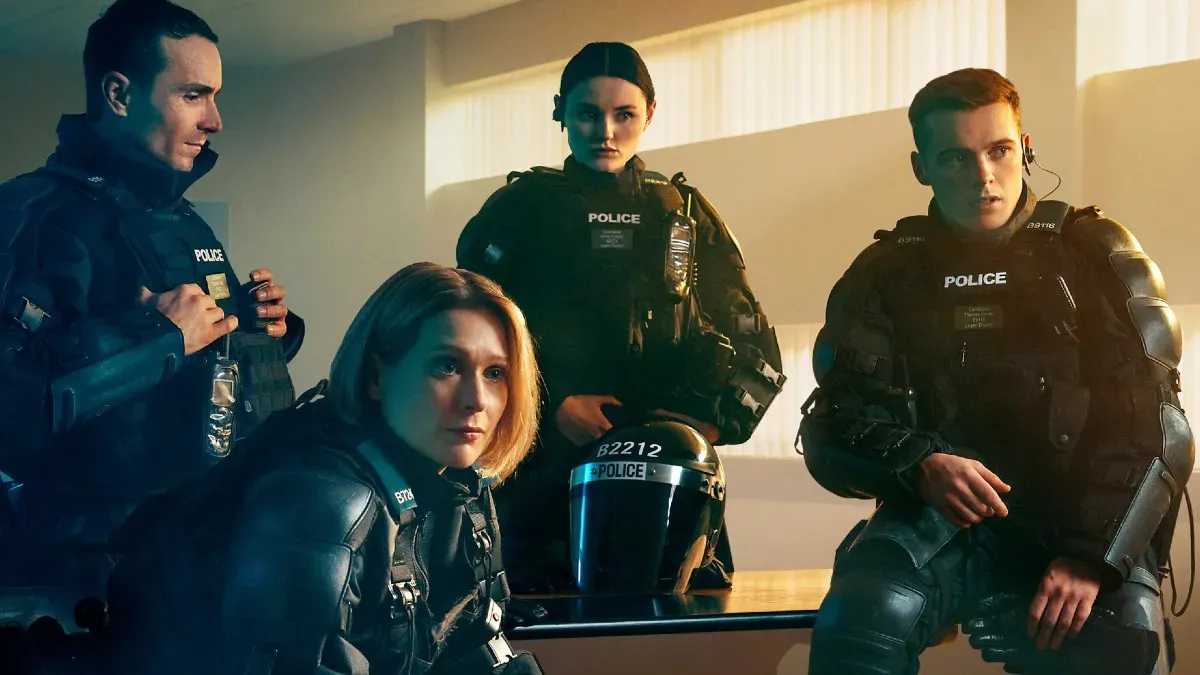
This theme of domestic entanglement radiates outwards. The settled relationship of Tommy and Aisling provides a steady counterpoint, while the hesitant, magnetic pull between Shane and Annie speaks to the difficulties of forming new connections in such a high-stakes environment. Their dance of approach and retreat is complicated by both professional caution and the unique pressures of Annie’s position. The cumulative effect is a narrative driven less by plot mechanics and more by emotional consequences. The critical question this raises is one of tone and tension.
In prioritizing these relationships, the series deliberately sheds some of the raw, unpredictable danger that characterized its beginnings. The constant, low-grade terror of an ambush, the feeling that any routine call could erupt into sectarian violence, has been dialed down. It is replaced by a more intimate form of anxiety, the fear of personal loss. The stakes are no longer just about survival on the streets, but about the survival of the fragile homes and hearts the officers are trying to build.
Cocaine, Class, and a New Criminal Enterprise
The season’s antagonists operate with the cool, impersonal logic of a multinational corporation. The raw, tribal loyalties of the paramilitary gangs have given way to a Dublin-based syndicate whose criminality is transactional, their violence a tool of business rather than an expression of ideology. Their strategy is a masterclass in modern corruption, bypassing street corners for the digital marketplace.
An exclusive, encrypted app becomes the delivery system for high-purity cocaine, targeting not desperate addicts but the city’s affluent elite. This shift in focus from West and East Belfast to the monied south is a deliberate narrative choice, allowing the series to explore a different, more insidious kind of urban rot. The gang’s ultimate goal is not mere profit; it is influence. They seek to weave themselves into the fabric of the city’s legitimate power structures, creating a network of compromised professionals who are more valuable as assets than as customers.
This new criminal enterprise is personified by Dana Morgan, the impeccably composed owner of a swanky private members’ club that serves as the operation’s hub. She is a gatekeeper to a hidden world of privilege and vice, a figure whose power derives from social standing and economic leverage, not brute force. When a member overdoses on her property, her reaction is not one of moral horror but of crisp, logistical annoyance.
The incident is a messy variable in a business equation, a threat to the carefully curated “elite luxury safe space” she provides for her clientele. This plotline allows Blue Lights to mount its most pointed social critique to date. It dissects the profound hypocrisy of a professional class that publicly decries crime while privately fueling the drug trade.
PC Shane Bradley becomes the voice of this frustration, railing against the “nice, respectable, middle-class people” who see their drug use as a victimless indulgence. The investigation forces the Blackthorn officers into this unfamiliar territory, a world where the lines between perpetrator and enabler are fatally blurred and the most dangerous criminals wear suits.
Team Dynamics and Growing Pains
The arrival of intelligence officer Paul “Colly” Collins is like a stone dropped into the clear water of the Blackthorn team’s moral universe. Disheveled and deceptively laid-back, he is an operator from the shadowy side of policing, a man for whom results justify morally ambiguous means. He represents the institutional compromise, the necessary ugliness that underpins the cleaner work of the beat cops.
His recruitment of a young, vulnerable drug runner as an informant, an act of calculated manipulation that ends in the boy’s death on the pavement, is a stark lesson in the human cost of the intelligence game. The team’s reaction to him is a mix of suspicion and reluctant deference, forcing them to confront the uncomfortable truth that their organization contains multitudes, some of them deeply compromising.
His presence serves to highlight the significant growth of the officers we first met as naive probationers. Two years on the job has forged them into a more confident, capable unit. This maturation is most evident in Shane, whose early cockiness has been sanded down by experience, revealing a thoughtful and surprisingly insightful core. He has found his voice, often acting as the show’s moral compass and sharpest social critic. Annie’s journey remains a powerful and painful through-line. The sectarian threats against her persist, a constant, grinding pressure that underscores the fact that for a Catholic officer in the PSNI, the uniform is never just a uniform.
It is a political statement that puts her and her family at risk. This psychological burden is a heavy one, and the show wisely portrays its toll. Yet through it all, the fierce, familial bond of the unit remains its defining characteristic. Annie’s Gaelic football analogy—that clubmates are the ones who carry your coffin—perfectly captures the depth of their connection. It is a bond forged in shared trauma and managed through small acts of loyalty, a collective shield against the relentless attrition of the job.
The Enduring Authenticity of the Beat
While the season’s plot ventures into the manicured estates of South Belfast, the city itself remains the show’s most complex and compelling character. The writers’ deep, journalistic understanding of the place allows them to paint a portrait that transcends political cliché. This is a living, breathing city, one grappling with new money, class division, and the long shadow of its past.
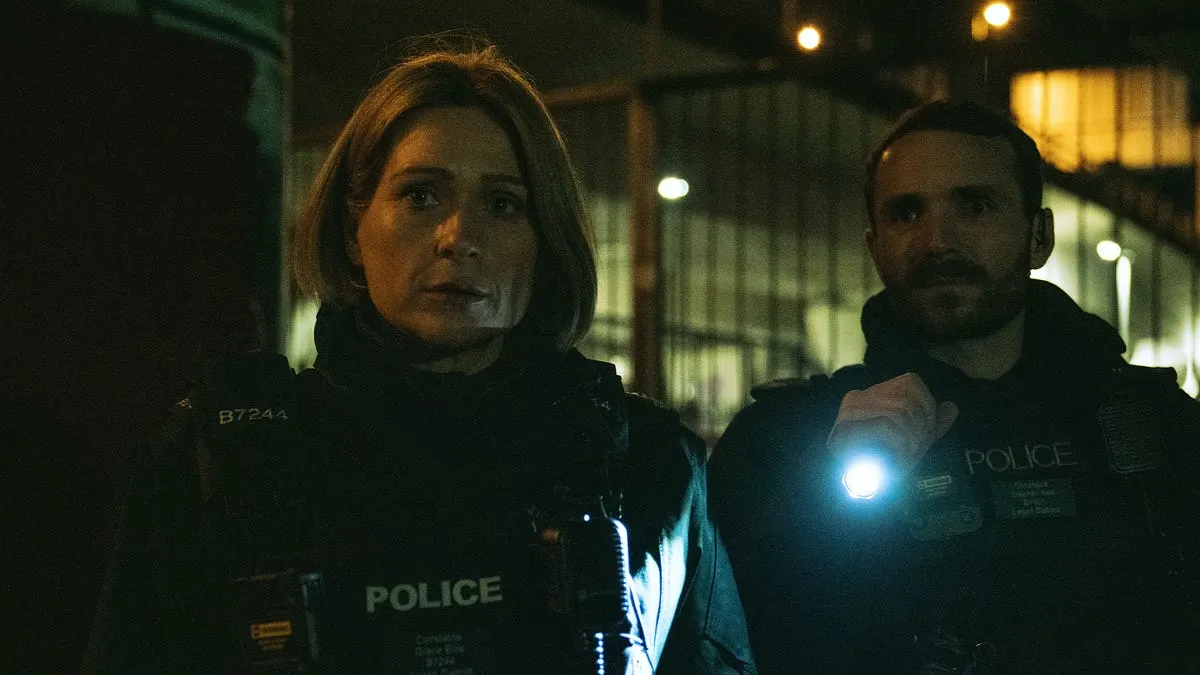
The series is grounded in a powerful naturalism, finding authenticity in the smallest details—a throwaway line about tonic wine being “Lurgan champagne,” the specific slang of the street, the weary cadence of the officers’ banter. This commitment to realism ensures the drama feels earned, rooted in a tangible reality. The show’s mastery of its unique tonal balance is on full display. It can pivot on a dime from moments of quiet, character-driven warmth to explosions of shocking savagery.
The mundane horror of discovering a neglected baby amidst the squalor of a drug-fueled house rave is just as impactful as the cold-blooded efficiency of a gangland execution. This juxtaposition of the grim and the gentle, the whimsical and the brutal, is not a stylistic flourish; it is an honest reflection of the chaotic reality of police work.
In its third season, Blue Lights has made a definitive choice. It has elected to trade some of its early, nail-biting suspense for a deeper, more resonant emotional complexity. The evolution is not a retreat but a deliberate refocusing of its lens, suggesting that the most profound dangers are not the ones that lie in ambush in a dark alley, but the ones that threaten the fragile sanctum of the human heart.
Full Credits
Director: Gilles Bannier, Jack Casey, Angela Griffin
Writers: Declan Lawn, Adam Patterson, Fran Harris, Noel McCann, Bronagh Taggart
Producers and Executive Producers: Stephen Wright, Louise Gallagher, Tommy Bulfin, Declan Lawn, Adam Patterson, Gilles Bannier, Carol Moorhead, Nick Lambon, Amanda Black
Cast: Nathan Braniff, Siân Brooke, Katherine Devlin, Martin McCann, Andi Osho, Frankie McCafferty, Joanne Crawford, Hannah McClean, Jonathan Harden, Charlie Maher, Andrea Irvine, Desmond Eastwood, Abigail McGibbon, Dearbhaile McKinney, Richard Dormer, Frank Blake, Seamus O’Hara, Seána Kerslake, Cathy Tyson, Michael Smiley
Director of Photography (Cinematographer): Stephen Murphy, Angus Mitchell
Editors: Helen Sheridan, Peggy Koretzky, Stephanie McCutcheon, Steve Singleton
Composer: Eoin O’Callaghan, Elma Orkestra
The Review
Blue Lights Season 3
Blue Lights Season 3 marks a masterful evolution, trading the raw political dread of its past for a richer, more intimate character drama. While some of the initial visceral tension has softened, it is replaced by profound emotional stakes and a sharp, timely critique of class and hypocrisy. The series remains grounded by impeccable writing, authentic performances, and its unwavering sense of place, confirming its status as one of television’s most intelligent and heartfelt dramas. It has not lost its edge; it has simply relocated it to the human heart.
PROS
- Exceptionally strong character development and emotional depth.
- Authentic, sharp dialogue that captures a true sense of place.
- A mature narrative that intelligently explores themes of class and hypocrisy.
- Masterful balance between quiet, human moments and shocking brutality.
- Superb ensemble performances that deepen the show's core relationships.
CONS
- The shift in focus to personal drama lessens the constant, unpredictable tension of earlier seasons.
- Viewers seeking a pure, fast-paced police procedural may find the pacing more deliberate.
- The sophisticated, corporate-style antagonists may lack the visceral historical weight of past villains for some.