













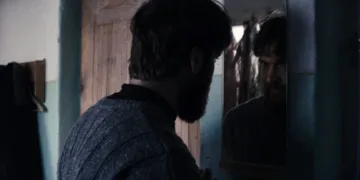









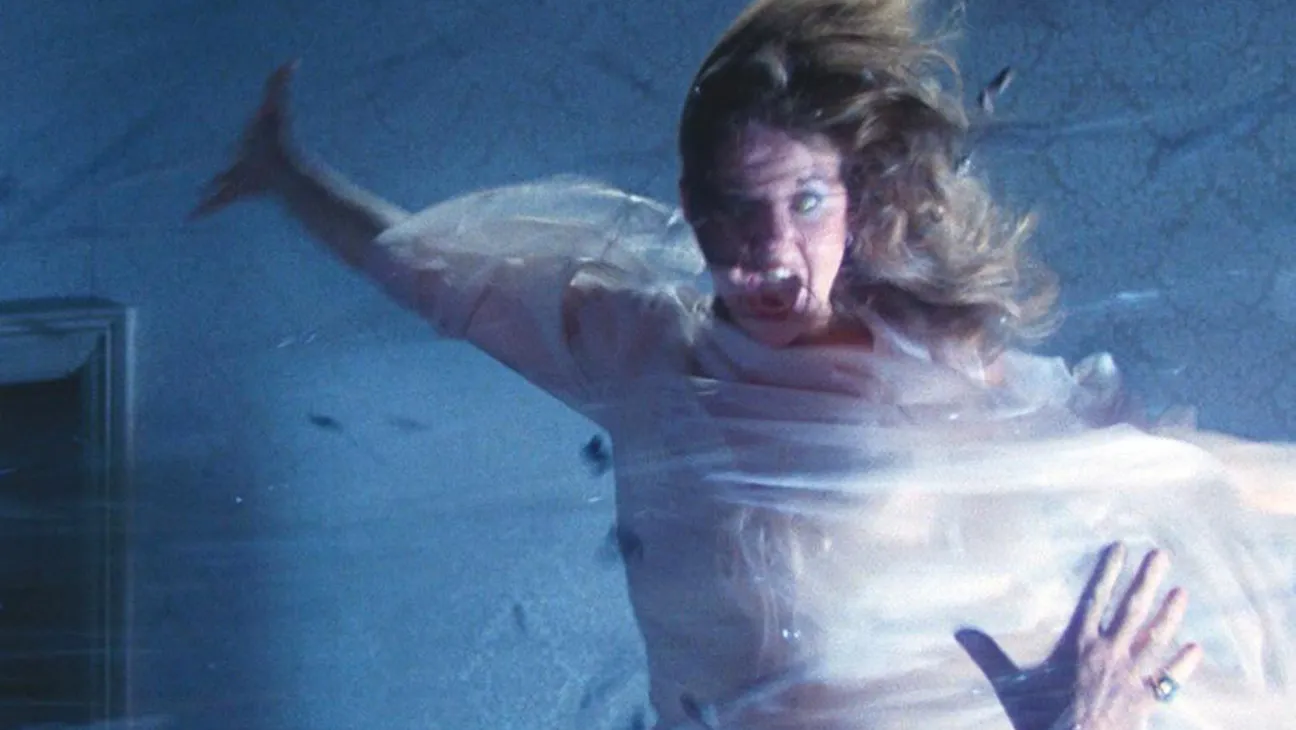

Artistic creation carries with it the shadow of transgression. To make something new is often to defy an old form, to break a sacred trust with an audience. What, then, is the greater sin: to offer a pale, respectful imitation of a masterpiece, or to answer its call with a response so alien and personal that it constitutes a form of heresy? This question hangs over David Kittredge’s documentary, Boorman and the Devil. The film exhumes the legendary corpse of Exorcist II: The Heretic, the 1977 sequel that followed one of cinema’s most profound commercial and cultural triumphs.
The Heretic was a failure of almost sublime proportions, a work whose rejection was immediate and absolute. Kittredge’s project is not an apology or a defense. It is a deep, philosophical inquiry into the anatomy of this specific failure, examining the collision of vision, commerce, and calamity that produced one of Hollywood’s most notorious artifacts. The film asks us to look past the ruin and question the nature of the ambition that built it.
A Symphony of Calamity
Kittredge meticulously documents a production that seemed to court disaster at every turn, as if the film’s chaotic energy was bleeding into the material world. The project’s unraveling is presented not as a series of isolated accidents but as a slow, inexorable slide into entropy. John Boorman’s debilitating illness is shown as more than a logistical problem; it was the moment the film’s central consciousness was unplugged, leaving the vast machine to run on confused momentum.
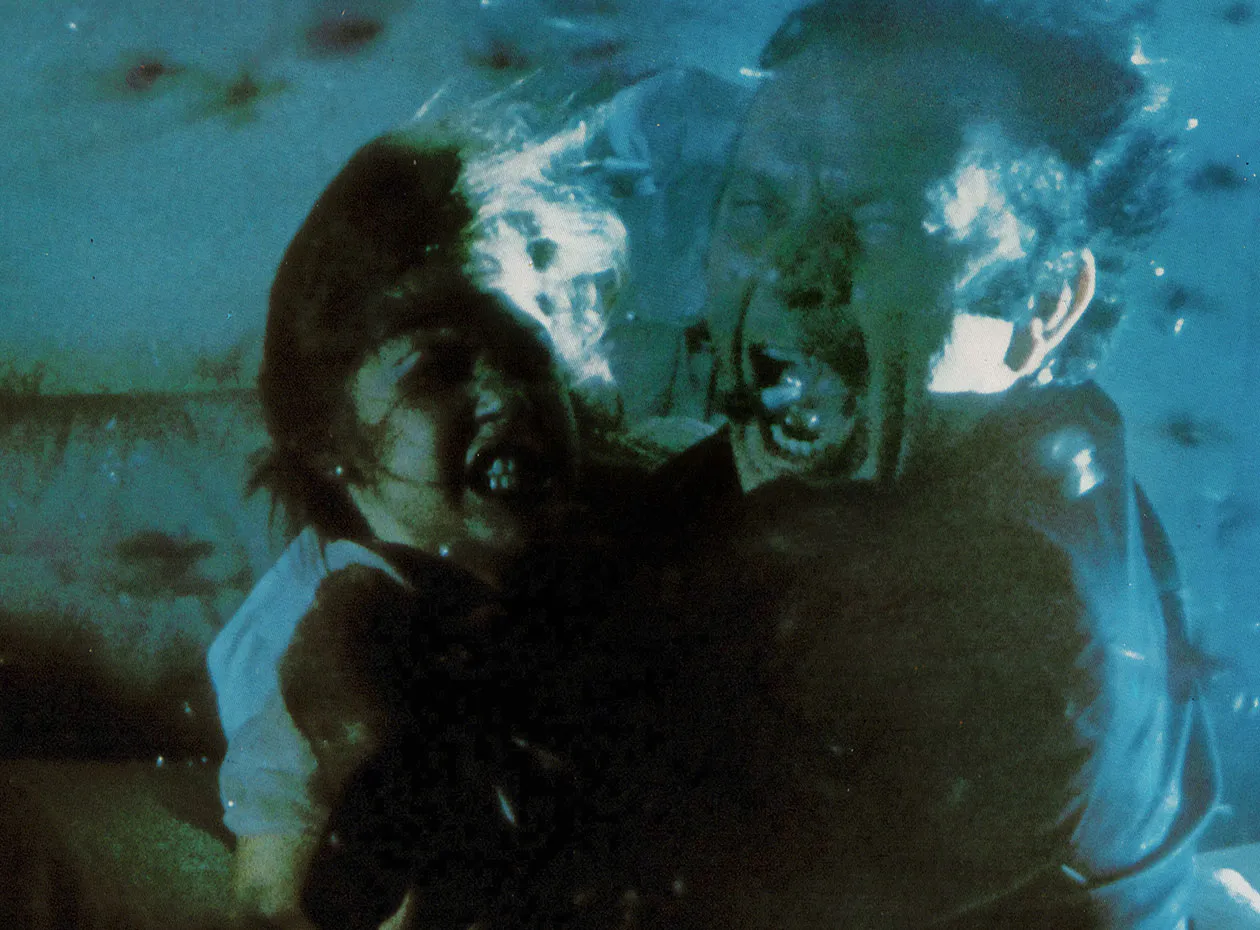
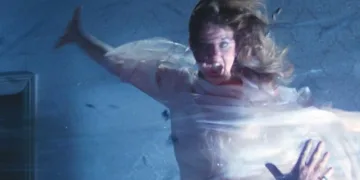
Richard Burton, a lion in winter, haunts the set, his disengagement creating a void where the film needed an anchor. Linda Blair, forced to confront the role that had defined her youth, existed in a precarious state between past trauma and present physical danger.
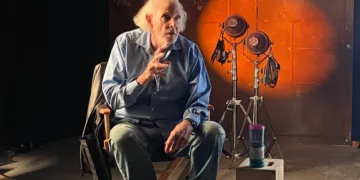
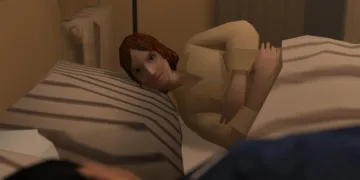
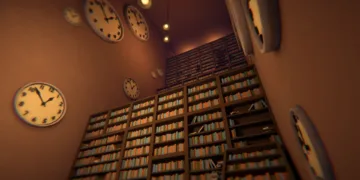
These human struggles were mirrored by a hostile environment, with the infamous locust sequence becoming a perfect microcosm of the entire endeavor: an attempt to orchestrate thousands of unpredictable elements into a single, coherent vision, an effort that constantly verged on total collapse. Kittredge’s use of intimate, candid interviews creates a mosaic of memory, while his stylized animations give the on-set legends a mythic, dreamlike quality. They are not recreations; they are visual interpretations of a shared fever dream.
The Heresy of Vision
The documentary persuasively argues that the film’s true undoing was not its chaotic production but its radical, perhaps arrogant, conceptual foundation. Boorman and the Devil shifts its focus from the practical to the philosophical, exploring John Boorman’s profound disinterest in making a conventional horror film. He did not want to repeat the original’s visceral shocks.
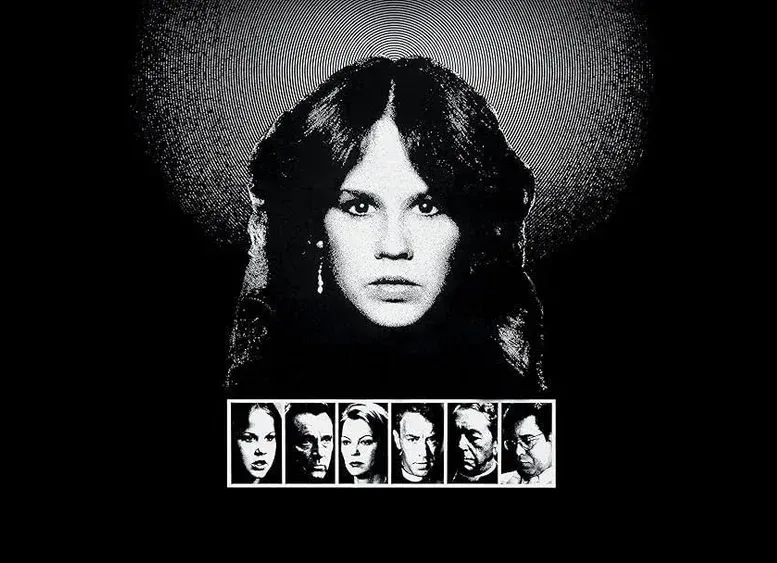
He intended to create a metaphysical dialogue with it. The documentary presents a director obsessed with concepts of collective consciousness, psychic connection, and the non-linear nature of trauma and evil. His film, with its synchronized hypnosis machines and African vistas, was a cinematic essay on ideas far removed from the grounded, domestic terror of its predecessor. Boorman’s auteurist conviction, his belief in the primacy of his own intellectual and spiritual questions, made him a heretic in the church of the blockbuster.
He treated a commercial obligation as a canvas for his most esoteric preoccupations, steering the project away from audience expectation with what appears to be a startling lack of concern for the consequences. The film that resulted was a direct product of this willful disregard for convention, a personal sermon delivered from a borrowed pulpit.
Relics of an Unholy Ambition
Kittredge’s film does not ask us to see The Heretic as a good movie. It invites a more complex appreciation, asking us to see it as a beautiful ruin, a work whose aesthetic achievements are unbound from narrative sense. The documentary suggests that divorced from its duties as a sequel, the film functions as a hypnotic and subversive visual poem.
Its true value lies not in what it is, but in what it represents: a monument to the magnificent, unrestrained ambition of a bygone Hollywood. The story of Exorcist II is a eulogy for an era when a major studio could entrust a singular artist with immense resources and inadvertently allow for the creation of a glorious, expensive, and deeply personal catastrophe.
Boorman and the Devil finds a strange nobility in that failure. It suggests that the pursuit of a unique vision, even one that leads to disaster, leaves behind a more fascinating artifact than a dozen safe, competent, and ultimately forgettable successes. The film’s scar is a reminder that the most interesting art is often made by those willing to risk sacrilege.
The documentary had its premiere at the Venice Film Festival in early September 2025. It recounts the story of John Boorman’s film “Exorcist II: The Heretic,” which had a famously difficult production and was a critical and commercial failure. The documentary features interviews with people involved with the original film. It appears to be available on Blu-ray.
Full Credits
Director: David Kittredge
Writers: David Kittredge
Producers and Executive Producers: Jim Fall, David Kittredge, Travis Stevens
Cast: John Boorman, Linda Blair, Louise Fletcher, Rospo Pallenberg, Richard Burton, William Friedkin, Garrett Brown
Editors: David Kittredge
The Review
Boorman and the Devil
Boorman and the Devil is less a making-of documentary and more a thoughtful cinematic essay on heresy and ambition. It meticulously chronicles a legendary disaster while elevating its subject, finding a strange beauty in the architecture of a magnificent failure. The film succeeds not by defending the infamous movie but by examining the uncompromising vision that willed it into existence, making for a superb meditation on the relationship between art and ruin.
PROS
- A profound and philosophical examination of artistic failure.
- Meticulously researched, featuring an impressive collection of candid interviews.
- Offers a complex and insightful re-evaluation of a maligned film.
- Stylistically engaging, with effective animated sequences that enrich the storytelling.
CONS
- Its exhaustive level of detail may feel slow for those not already interested in the subject.
- The narrow focus on a single film's failure might limit its reach beyond dedicated cinephiles.