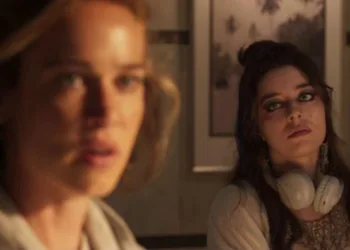





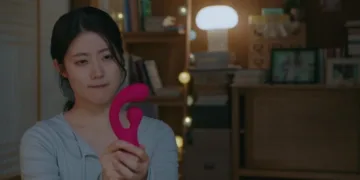









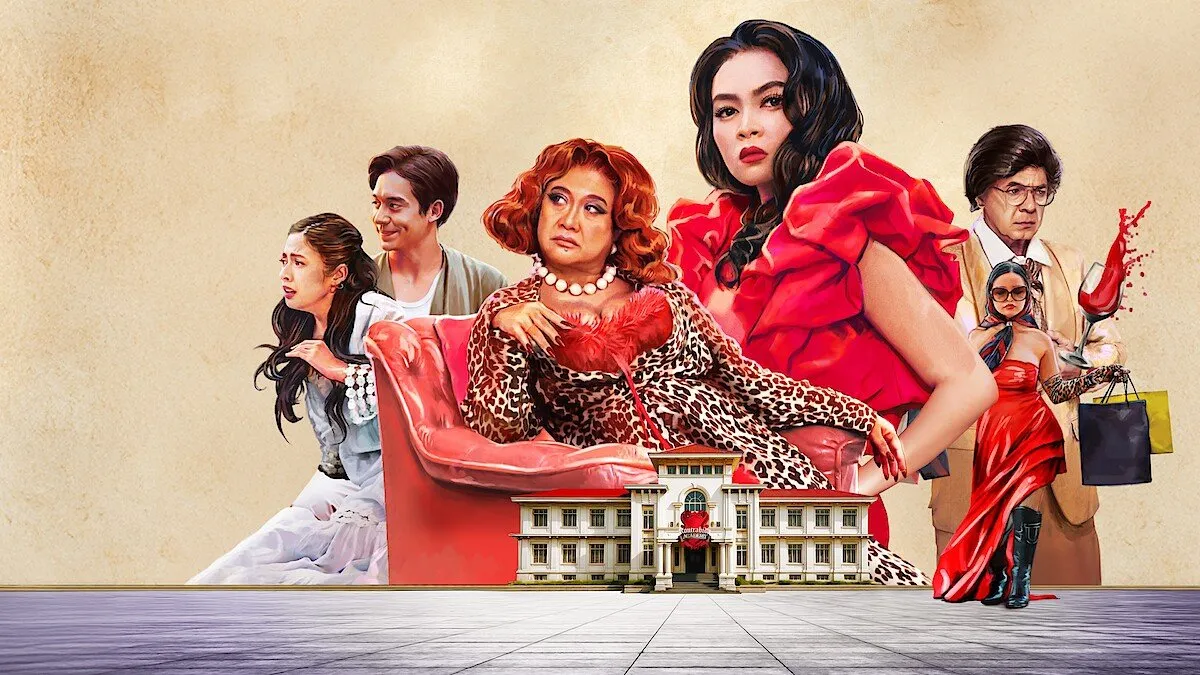

For anyone who has felt powerless, Gigi’s life in Kontrabida Academy is an acutely familiar portrait of quiet despair. Portrayed by Barbie Forteza, Gigi navigates a world that consistently mistreats her. She works for an exploitative boss at a Korean grill, supports an irresponsible mother whose debts attract loan sharks, and discovers her long-term boyfriend is unfaithful.
Her existence is a cycle of thankless labor and personal slights. Her fortune changes slightly when she wins a large television in a company raffle. This device, however, acts as a strange portal, exclusively broadcasting a florid Filipino soap opera titled “Land of the Oppressed.” One evening, the fourth wall shatters.
The show’s magnificent villain, Mauricia (Eugene Domingo), speaks directly to Gigi, offering her an escape. Mauricia invites her to step through the screen and enroll in the Kontrabida Academy, an institution dedicated to honing the craft of villainy. This fantastical proposition frames the film’s central idea: a comedic and satirical exploration of empowerment found in the most unlikely of classrooms.
A Masterclass in Melodrama
Director Chris Martinez has built a career on dissecting Filipino media, and his work here continues the meta-commentary he honed in The Woman in the Septic Tank, a film that lampooned the pretensions of awards-bait independent cinema. In Kontrabida Academy, he turns his sharp, satirical gaze toward the teleserye, the nation’s popular soap opera format.
The film’s genius lies in its literalization of melodrama’s building blocks. The academy is a fantastical world where villainy is an academic pursuit, complete with a formal curriculum. A class on insults taught by screen veteran Dimples Romana breaks down verbal cruelty into a science, while another lesson focuses on the precise physics of a dramatic face-slap.
This approach is a witty deconstruction of a genre whose heightened emotions and theatricality are universally recognizable, echoing the visual language of Indian daily soaps, from the dramatic camera zooms on shocked faces to the thunderous musical cues that punctuate every betrayal. The film’s self-awareness runs deep; the characters within the soap opera know they are performers working from a script, a choice that blurs the line between reality and fiction for Gigi.
The meta-commentary is further enriched by a series of brilliant cameos from iconic Filipino actors, like Celia Rodriguez, who teaches a “History of Villainy” course where classic antagonist roles are analyzed like historical texts.
This tribute to a lineage of on-screen evil is contrasted sharply with a brief visit to the rival hero school, San Bida University. There, the virtues of Hope and Modesty are taught in bland, colorless classrooms, reinforcing the film’s mischievous and resonant point that the path of the antagonist is far more dynamic and, for someone like Gigi, far more useful.
The Villainess and Her Protégé
The film’s satirical framework is anchored by the two powerhouse performances at its center. Barbie Forteza’s portrayal of the protagonist’s transformation is a study in physical and emotional precision. As Gigi, her posture is slumped, her voice is hesitant, and her eyes are often downcast, perfectly capturing a spirit worn down by circumstance.
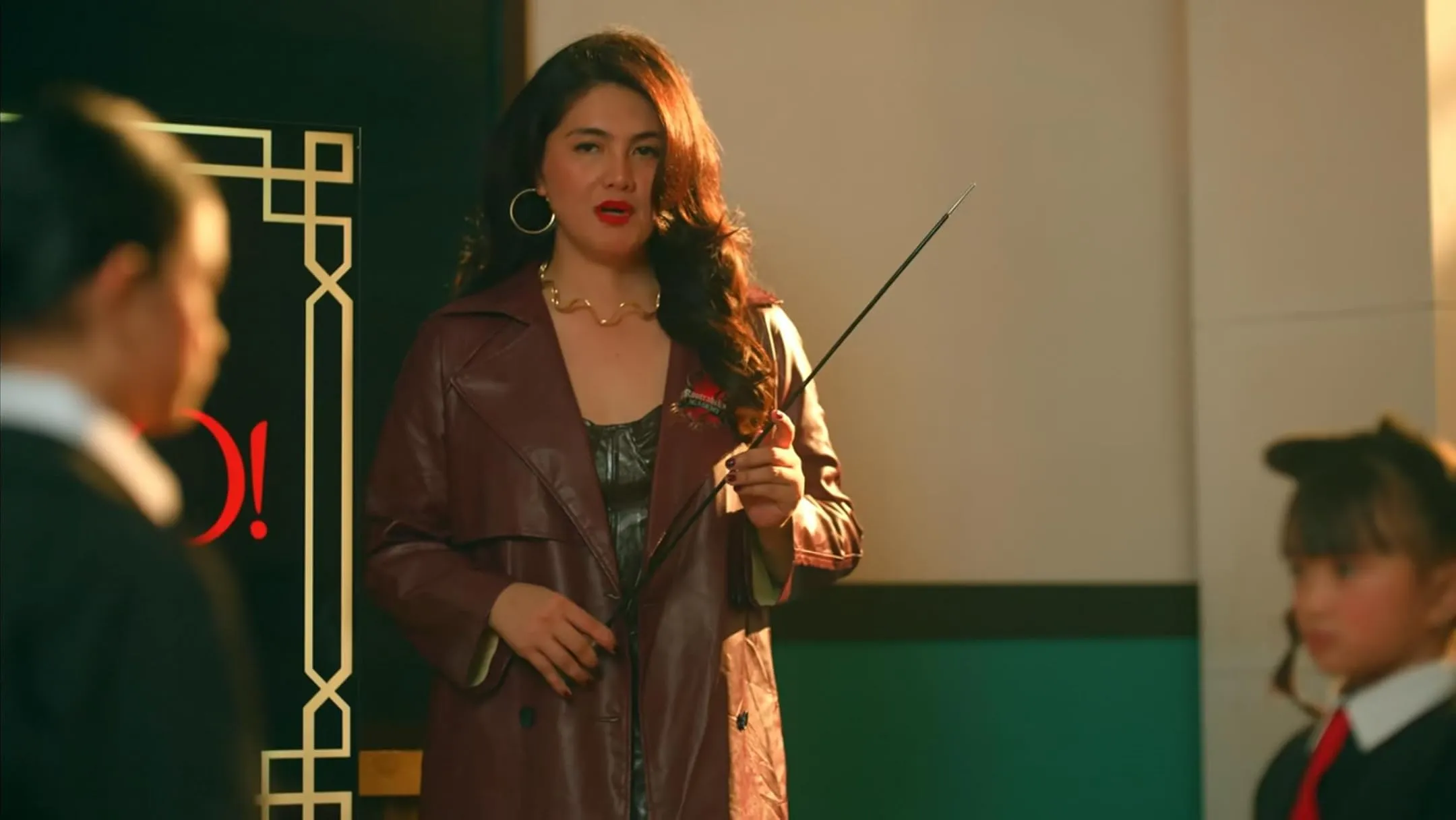
When she becomes Gia, the change is total. Her costuming becomes sharp and stylish, she walks with purpose, and she delivers her lines with a newfound cutting edge. Forteza makes this shift feel earned, allowing the audience to root for her empowerment without losing sight of the vulnerable person she once was.
Acting opposite her, Eugene Domingo is a force of nature as Mauricia. She delivers a performance of high camp and theatrical grandeur, embodying the archetypal villainess with every arched eyebrow and imperious gesture. Her portrayal is a magnificent tribute to the grand dames of melodrama seen across global cinema, including the iconic, dialogue-driven vamps of 1980s Bollywood.
Domingo commands every scene she is in, turning the television studio set into her personal kingdom. The chemistry between the two is the movie’s vibrant core. Their relationship is a twisted version of the Pygmalion myth, where the mentor sculpts her protégé through a curriculum of cruelty and cynicism.
In one memorable training scene, Mauricia’s harsh critique of Gigi’s weak slapping technique is layered with a genuine desire to see her student succeed, pushing Gigi to unlock a strength she never knew she possessed. This dynamic gives the film an unexpected emotional weight, making their journey more than a simple parody.
Empowerment with Asterisks
Kontrabida Academy raises a potent thematic question: must one become a villain to defeat the villains in one’s life? The film derives immense satisfaction from watching Gia deploy her new arsenal of skills against her real-world tormentors, a cathartic revenge fantasy for anyone who has ever felt stepped on. Yet the narrative struggles to explore this idea with consistent depth.
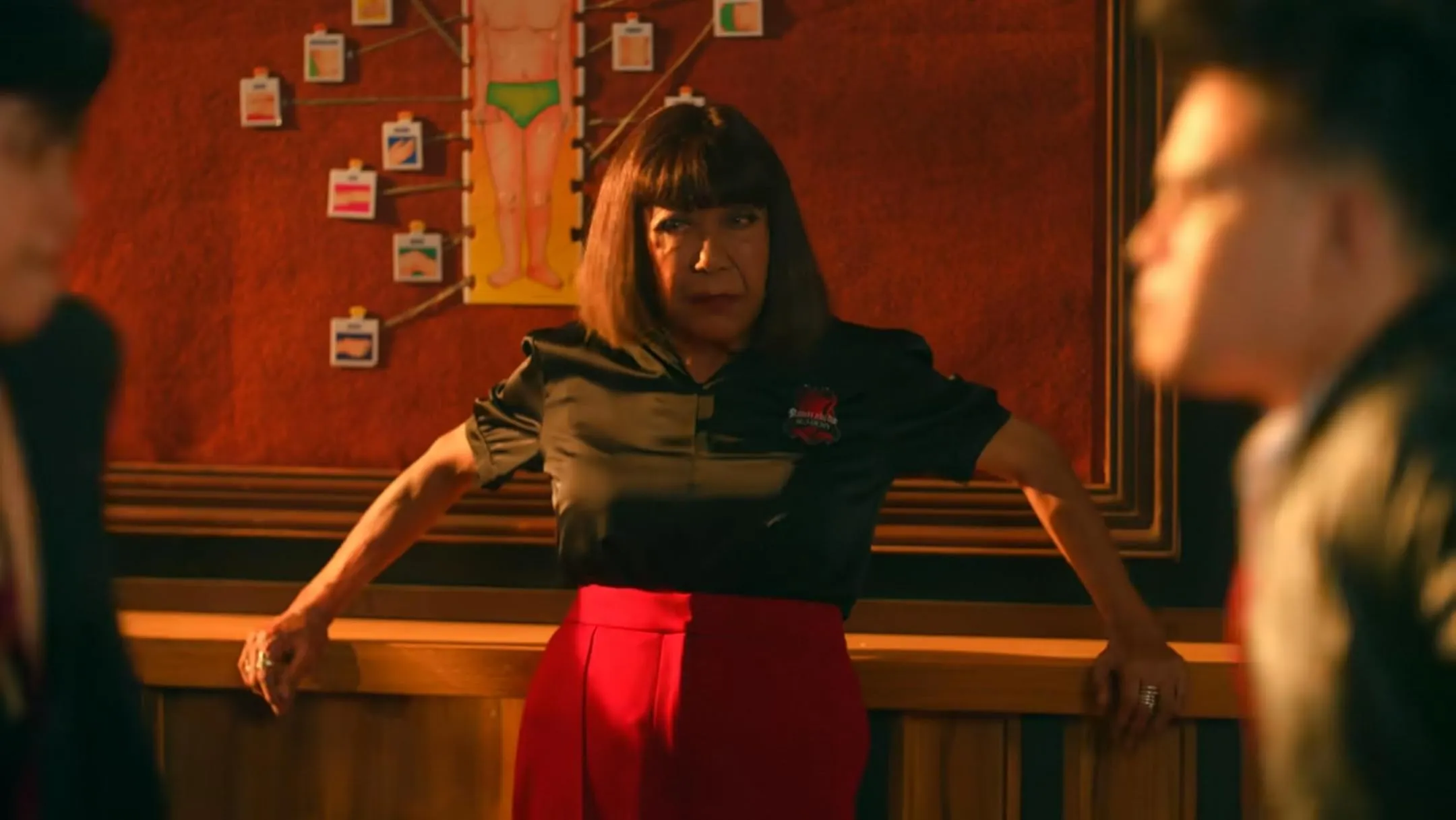
Its primary weakness is its structure. The screenplay spends nearly forty minutes detailing Gigi’s miserable life, a pacing choice that, while effective in building sympathy, creates a significant imbalance. When the plot finally accelerates inside the TV world, important developments, like a budding romance with the show’s hero character, Arnaldo, feel rushed and underdeveloped.
He is introduced as a moral counterweight to Mauricia’s influence, but his character is too thin to make a significant impact. The film also introduces narrative threads, such as rivalries within the academy, that are mentioned but never fully resolved, leaving the story feeling cluttered. Consequently, the film’s central message becomes muddled.
It celebrates Gia’s assertiveness but seems hesitant to let her become a true antagonist, pulling its punches in the final act. While its conceptual brilliance often outshines its flawed execution, the movie remains a deeply entertaining watch. Its energy, wit, and affectionate satire of the teleserye format make it a success, functioning best as a vibrant vehicle for its talented lead performers.
Kontrabida Academy is a comedy film directed and written by Chris Martinez. The movie premiered on Netflix on September 11, 2025. It follows a restaurant worker named Gigi who finds new purpose after a mysterious television transports her to a school for on-screen villains.
Full Credits
Director: Chris Martinez
Writers: Chris Martinez
Producers: Unitel Straight Shooters Media
Cast: Barbie Forteza, Eugene Domingo, Jameson Blake, Ysabel Ortega, Xyriel Manabat, Michael de Mesa, Carmina Villarroel, Yasser Marta, Myrtle Sarrosa, Pinky Amador, Baron Geisler, Dimples Romana, Gladys Reyes, Jean Garcia, Odette Khan, Rez Cortez
The Review
Kontrabida Academy
Driven by powerhouse performances from Barbie Forteza and Eugene Domingo, Kontrabida Academy is a sharp and funny satire of soap opera tropes. Its clever concept provides genuine entertainment and a witty tribute to the teleserye genre. The film is held back by an uneven narrative and a script that struggles to balance its ambitious ideas, but its energy and heart make it a worthwhile watch.
PROS
- Commanding lead performances from Barbie Forteza and Eugene Domingo.
- A highly creative and original concept.
- Witty satire of Filipino teleserye conventions.
- Entertaining cameos from veteran actors.
- High comedic energy and genuine humor.
CONS
- Significant pacing issues with a slow first act.
- A rushed and unfocused narrative in its second half.
- Underdeveloped supporting characters and plotlines.
- The central message about empowerment feels inconsistent.