











A filmmaker begins with a confession: his primary subject, a theatrical performance fabled to have altered cultural history, was never filmed. This admission of a void becomes the creative engine of Nick Davis’s documentary, You Had to Be There.
The film is an act of historical reconstruction, an attempt to conjure the spirit of the 1972 Toronto production of the musical Godspell. This particular staging became a point of convergence for an astonishing collection of young talent, among them Martin Short, Eugene Levy, Gilda Radner, Victor Garber, and musical director Paul Shaffer.
Davis’s work forwards a bold thesis: this ephemeral run at the Royal Alexandra Theatre was the crucible where a new form of North American comedy was forged. From this single, unrecorded event, the improvisational and character-driven sensibilities that would define television programs like SCTV and Saturday Night Live first took shape.
The Warmth of Memory
The documentary reconstructs its lost world primarily through the memories of its creators. The interviews with the surviving cast avoid the sterile format of typical retrospectives, instead feeling like a privileged seat at a reunion fifty years in the making. The chemistry between them is not simply stated; it is an active, vibrant force on screen.
Martin Short’s boundless energy and near-total recall of events provide the narrative spine, a detailed archive of a shared past. Eugene Levy acts as the perfect counterpoint, his dry observations and wry silences often speaking volumes. Their recollections paint a vivid picture of a group of ambitious artists on the cusp of discovery, sharing a house where creativity spilled over into late-night parties attended by other rising talents like Dan Aykroyd and John Candy.
The film handles the absence of Gilda Radner with particular grace, weaving in archival clips and the cast’s deeply personal stories to make her presence felt. They speak of her not as a tragic figure, but as a source of light and foundational comedic genius, making her an integral part of the living community the film documents. It is this focus on the formation of a lasting artistic family that gives the film its potent emotional core.
Reconstructing the Ephemeral
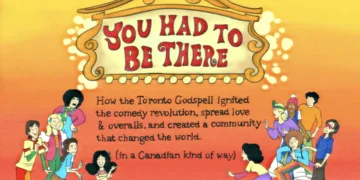
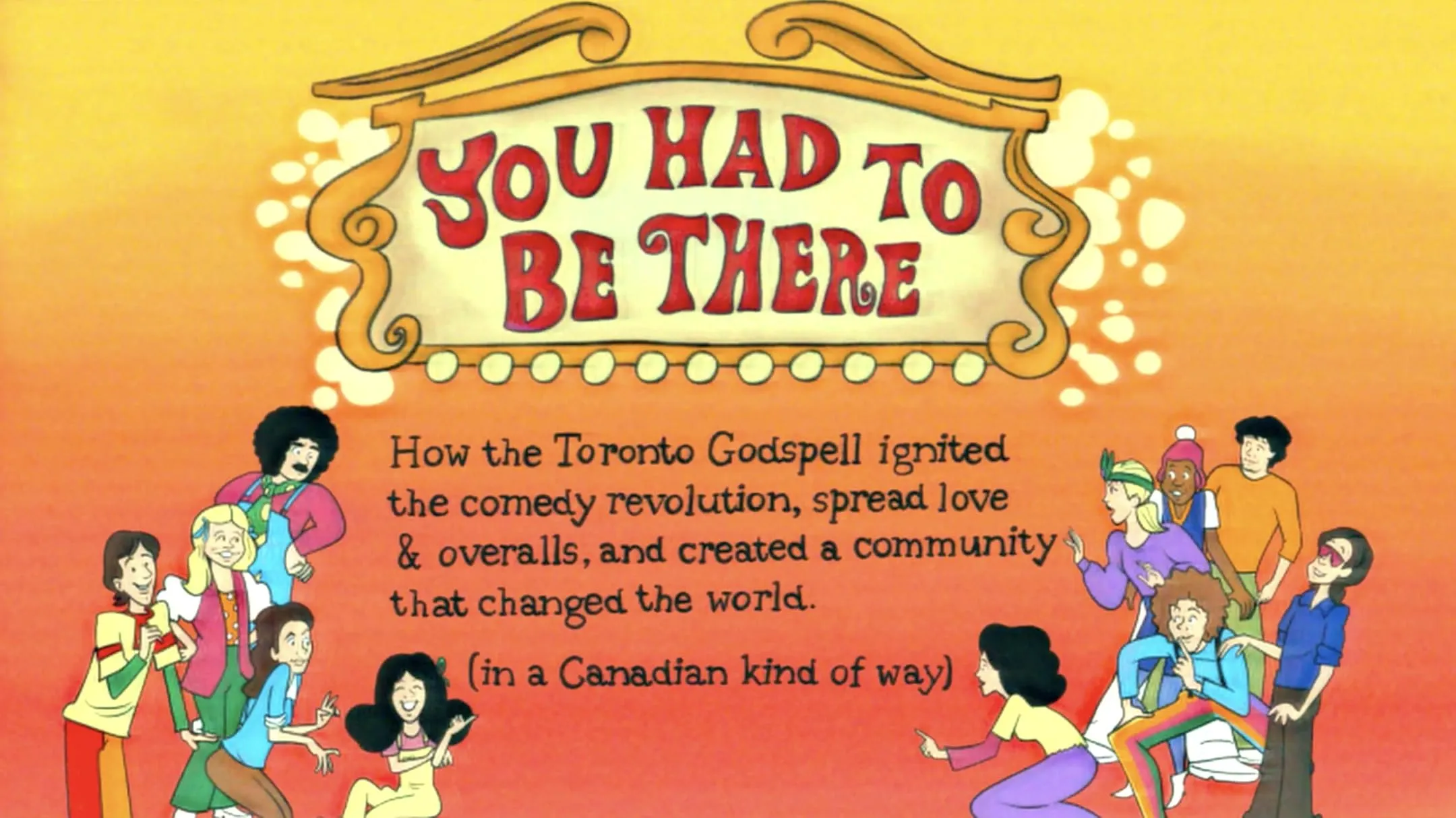
Confronted with an empty visual record, director Nick Davis employs a set of ingenious techniques to fill the frame. He turns the lack of footage into a stylistic asset, using it as a justification for creative interpretation. The cast’s most animated stories are depicted through animation that evokes the aesthetic of 1970s television programs like Schoolhouse Rock!.
This choice does more than simply illustrate their words; it steeps the narrative in the visual language of the era, mirroring the playful, almost childlike optimism of the Godspell production itself. The tale of Levy’s refusal to shave his chest to play Jesus becomes a charming cartoon vignette, a perfect marriage of form and content. This visual flair is grounded by the raw authenticity of Martin Short’s bootleg cassette recordings of the show.
The hiss and warble of the old tapes provide a ghostly, immediate connection to the past. Davis expertly arranges these elements, building anticipation for the film’s climax: the reveal of the single, miraculous piece of video footage known to exist. He wisely focuses the camera on the faces of the cast as they watch it, making their stunned, emotional reaction the true spectacle. Their tears and laughter become the audience’s, closing the distance of five decades in an instant.
Echoes of Laughter
The film’s central argument, that this production ignited a revolution, is largely persuasive. The genetic link between the improvisational freedom of the Toronto Godspell and the sketch comedy that followed is undeniable. Yet the documentary has certain limitations. Its inclusion of contemporary comedy figures like Mike Myers and Lin-Manuel Miranda feels slightly perfunctory.
Their commentary functions more as celebrity endorsement than deep critical analysis, offering praise without adding much texture to the historical narrative. The film’s focus remains so tightly on the warmth and joy of the experience that it sometimes skirts the edges of darker truths. It does, however, give space to a sobering account of abuse from actress Avril Chown, a moment that provides a stark and necessary counterpoint to the celebratory nostalgia.
This inclusion prevents the story from becoming a sanitized myth, acknowledging that even in this golden age, shadows were present. You Had to Be There is a profoundly felt tribute to a specific time and place. It successfully captures the spirit of an event that, by its very nature, should have been lost to time, creating an essential document for anyone seeking to understand the roots of modern comedy.
The film is a documentary titled You Had to Be There: How the Toronto Godspell Ignited the Comedy Revolution, Spread Love & Overalls, and Created a Community That Changed the World (In a Canadian Kind of Way). It premiered at the 2025 Toronto International Film Festival on September 6, 2025, and centers on a 1972 stage production of the musical Godspell. The documentary makes use of interviews with surviving cast members and animated segments to tell its story.
Full Credits
Director: Nick Davis
Writers: Nick Davis, Jane Mendelsohn
Producers: Bonnie Comley, Nick Davis, Stewart F. Lane, Tom Powers, Sue Turley
Executive Producers: Judd Apatow
Cast: Martin Short, Eugene Levy, Gilda Radner, Victor Garber, Andrea Martin, Dave Thomas, Jayne Eastwood, Dan Aykroyd, Mike Myers, Stephen Schwartz, Lin-Manuel Miranda
Director of Photography (Cinematographer): Phil Cooper, Wolfgang Held
Editors: Doug Abel
Composer: Timo Elliston, Brian Jones
The Review
You Had to Be
A warm and inventive documentary that skillfully resurrects a pivotal, lost moment in comedy history. Through charming interviews and creative filmmaking, it makes a convincing case for a single stage show’s profound influence. While slightly superficial in its wider analysis, the film is a deeply felt and essential viewing for anyone interested in the origins of modern sketch comedy. It succeeds in making you feel like you were there.
PROS
- The palpable chemistry and infectious camaraderie of the cast interviews.
- Creative use of animation and archival material to reconstruct the unfilmed show.
- A powerful emotional climax centered on the reveal of newly found footage.
- Successfully argues for the production's historical importance in a funny and heartfelt way.
CONS
- Interviews with modern comedy stars feel brief and underdeveloped.
- The celebratory tone sometimes glides over more difficult subjects.
- Its central thesis may seem self-evident to devoted comedy historians.