





























Concierge arrives as a deliberate act of cultural translation, a surrealist point-and-click adventure from developer Kodino that channels the cinematic language of David Lynch through the interactive medium of gaming. The experience begins with an elderly man awakening in a mysterious, snow-bound hotel, trapped alongside an eccentric concierge who refuses departure. This “genre-agnostic” creation blends psychological horror, adventure mechanics, and puzzle elements in ways that challenge both Eastern and Western gaming conventions.
The game’s deliberately alienating atmosphere recalls Lynch’s Eraserhead and Blue Velvet, yet filtered through a distinctly contemporary indie sensibility that speaks to global audiences weary of hand-holding tutorials and predetermined paths. Kodino drops players directly into this mystery without guidance, objectives, or comfort. The visual approach combines hand-drawn illustrations with live-action footage, creating a dreamlike disorientation that transcends cultural specificity while remaining deeply rooted in universal anxieties about confinement and identity.
This represents gaming’s growing willingness to embrace European art cinema traditions within interactive frameworks. Where American mainstream gaming often prioritizes clarity and progression, Concierge demands patience for abstract storytelling. The game serves audiences seeking experiences that prioritize atmospheric immersion over conventional narrative satisfaction, reflecting a maturing medium that can accommodate diverse storytelling philosophies without cultural appropriation or pastiche.
The Architecture of Ambiguity: Mechanics as Cultural Statement
Kodino’s approach to gameplay mechanics reveals fascinating tensions between accessibility and artistic integrity. The non-linear exploration system abandons traditional adventure game logic, allowing players to wander hotel floors without quest logs or mission markers. This design philosophy mirrors European cinema’s tendency toward elliptical storytelling, where meaning emerges through accumulation rather than exposition.
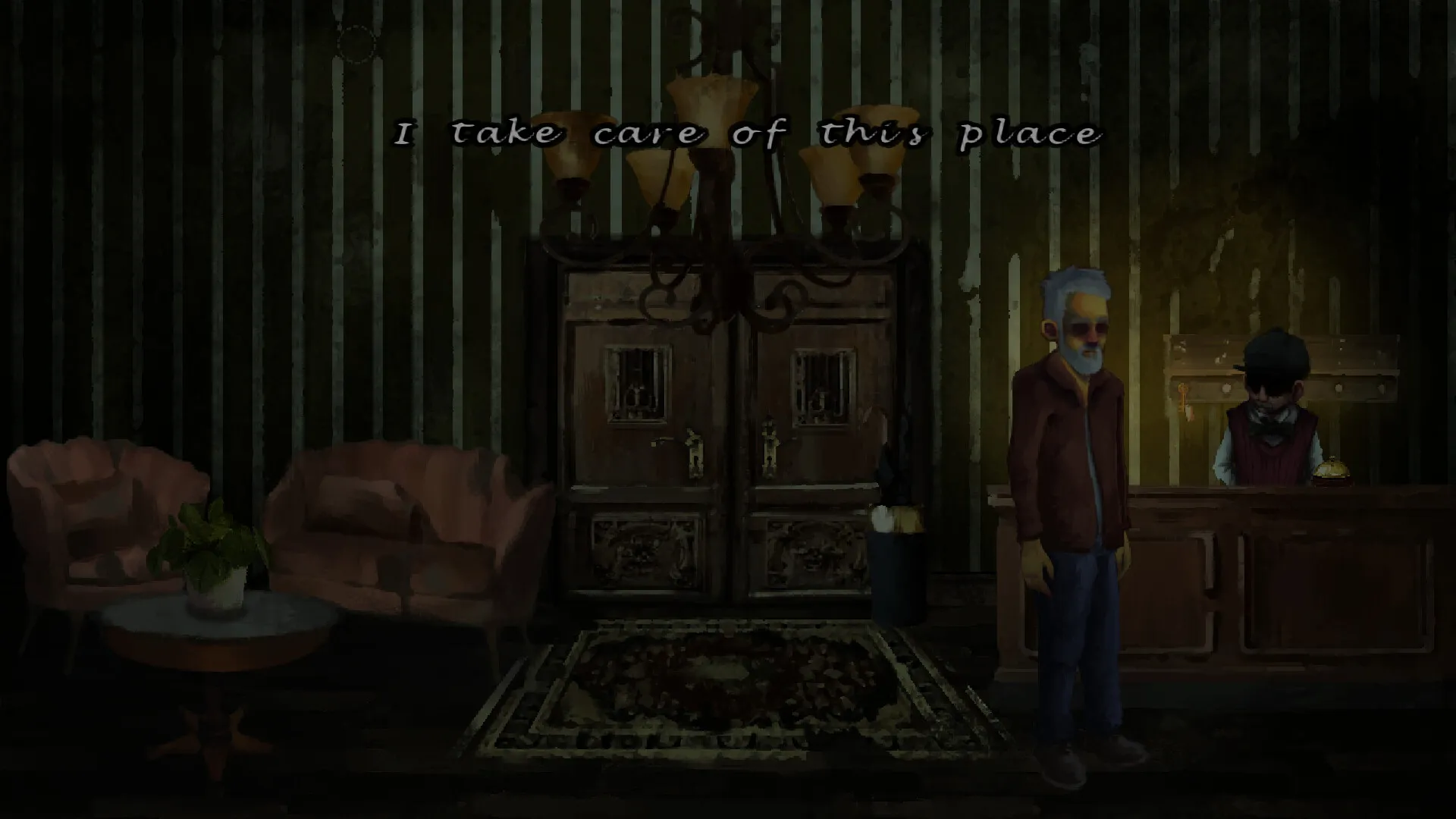
The camcorder becomes the game’s central metaphor for mediated reality. This night-vision device reveals hidden environmental details, ghostly apparitions, and wall messages invisible to normal perception. The mechanic creates a dual-layer exploration system that parallels how different cultures interpret the same narrative materials. What appears mundane through direct observation transforms into something significant when filtered through technology. This reflects contemporary anxieties about surveillance, memory, and the unreliability of perception that resonate across cultural boundaries.
Puzzle variety demonstrates both the game’s strengths and its cultural blind spots. Successful elements include psychological questionnaires that tie directly to narrative themes and time-pressured ghost-spotting challenges that create genuine tension. These feel organically integrated with the hotel’s mysterious atmosphere. However, awkward platforming sequences with problematic vertical jumping controls suggest mechanical conventions borrowed from other gaming traditions without careful adaptation. The bird’s-eye-view dungeon puzzles work better, evoking classic adventure gaming nostalgia while serving the larger mystery.
The helpline system represents a clever compromise between cultural gaming expectations. Players spend hidden coins to contact a mysterious operator who provides cryptic hints without revealing solutions. This acknowledges that different audiences have varying tolerance for obtuse puzzle design while maintaining the game’s commitment to player agency. The mechanic honors both Western preferences for optional guidance and Eastern traditions of indirect communication.
Much gameplay involves circular wandering and experimental interaction, similar to how players approached PT. This trial-and-error approach can feel frustrating or meditative depending on cultural gaming background. The game’s refusal to clarify progression mirrors art house cinema’s comfort with ambiguity, creating experiences that reward patience over efficiency.
Liminal Spaces: Visual Language and Atmospheric Translation
The visual presentation demonstrates sophisticated understanding of how aesthetic choices communicate across cultural boundaries. Kodino’s hand-drawn style mixed with live-action footage creates surreal environments that feel simultaneously intimate and vast. This scale distortion appears in diverse artistic traditions, from German Expressionist cinema to contemporary Japanese animation, suggesting universal psychological responses to spatial uncertainty.

Environmental storytelling transcends linguistic barriers through carefully chosen details. The decrepit hotel’s broken windows, disgusting kitchen, and creaking floorboards establish decay without cultural specificity. The vinyl record echoing from the lobby gramophone throughout adjacent floors creates audio continuity that binds the space together while suggesting temporal displacement. These elements communicate psychological states that translate across different cultural experiences of hospitality, isolation, and architectural memory.
Sound design operates as cultural bridge rather than barrier. The howling snowstorm, laborious elevator, and ambient creaks suggest unseen presences through audio cues that require no translation. The subtle synthesized drone maintains atmospheric tension without overwhelming individual scenes. This restraint reflects sophisticated understanding of how different audiences process ambient audio.
The game achieves psychological horror through environmental implication rather than cultural shock tactics. Jump scares and loud audio stings often fail in cross-cultural contexts because they rely on shared assumptions about what constitutes threatening. Instead, Concierge builds wrongness through impossible architecture and social contradictions. The locked front door, the concierge’s refusal to permit departure, and the hotel’s questionable operational status create anxiety that transcends specific cultural fears.
Psychedelic cutscenes and quick-flashing live-action photographs during hallucinogenic sequences recall avant-garde film traditions from multiple countries. The interruption of 2D dungeon exploration with old B-roll footage suggests memory intrusion in ways that connect to diverse cultural understandings of trauma and recollection. These techniques avoid appropriating specific cultural symbols while drawing from shared human experiences of altered consciousness.
Fractured Narratives: Identity Crisis in Global Context
The narrative structure reflects contemporary anxieties about identity that resonate across cultural boundaries while maintaining enough ambiguity to avoid cultural specificity. The unnamed actor protagonist allows players to project their own cultural assumptions about performance, authenticity, and professional identity. This universality becomes both strength and weakness as the story struggles to develop specific emotional stakes.
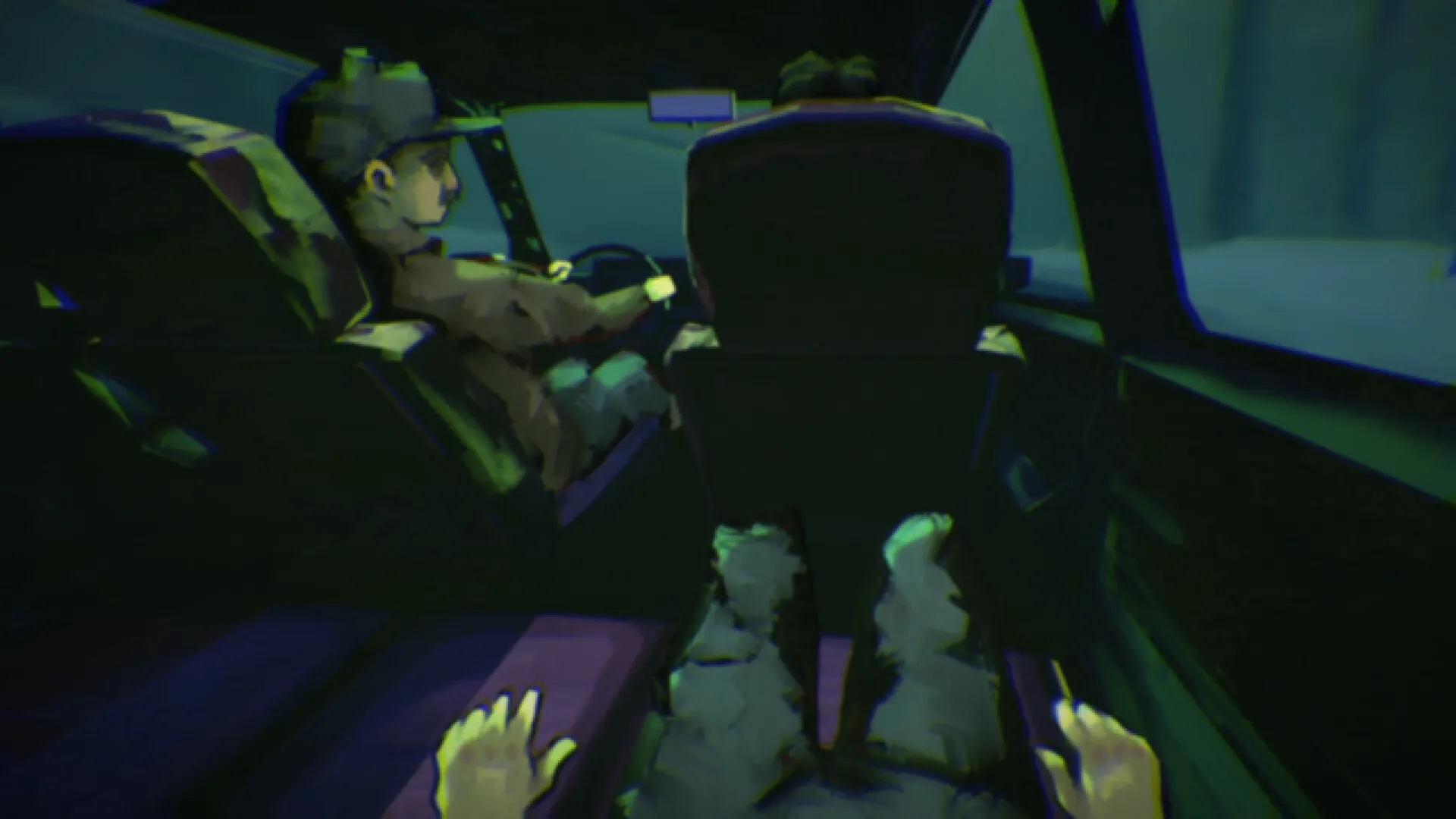
Environmental storytelling through journal entries and visual clues operates independently of linguistic cultural markers while drawing from shared human experiences of memory and loss. The focus on uncovering other hotel guests’ fates creates mystery structure that works across different cultural storytelling traditions. However, the narrative’s tendency toward either excessive vagueness or unnecessary overexplanation suggests uncertainty about audience expectations rather than deliberate artistic choice.
The concierge’s one-sided monologues and the protagonist’s complete muteness reflect different cultural attitudes toward communication and social interaction. This dynamic could represent Eastern preference for indirect communication or Western anxiety about social awkwardness, depending on player interpretation. The lack of meaningful dialogue limits traditional adventure game satisfaction while opening space for individual cultural projection.
Concierge succeeds as atmospheric experience and artistic statement for audiences comfortable with Lynch-inspired surrealism and abstract gameplay challenges. The game’s experimental approach honors diverse cultural traditions of non-linear storytelling while refusing to conform to established genre conventions. This creates memorable moments for players seeking unusual experiences, particularly those with patience for cryptic puzzle design and fans of psychological horror who value mood over mechanical satisfaction.
The work’s hands-off approach creates genuine artistic achievement while limiting accessibility to niche audiences willing to embrace deliberate obtuseness. This reflects gaming’s ongoing tension between artistic ambition and commercial viability. Concierge demonstrates that interactive media can accommodate diverse cultural storytelling philosophies without sacrificing creative integrity, even when execution occasionally falters. The experience offers validation for players seeking games that respect their intelligence and cultural sophistication, regardless of their specific cultural background.
The Review
Concierge
Concierge succeeds as an atmospheric art piece that prioritizes mood over mechanical satisfaction. Kodino crafts a genuinely unsettling experience through sophisticated visual design and sound work, while the camcorder mechanic offers innovative exploration possibilities. However, obtuse progression, disjointed narrative structure, and frustrating puzzle elements limit its appeal. This Lynch-inspired experiment rewards patient players seeking unconventional experiences but alienates those expecting traditional adventure game satisfaction. A fascinating cultural artifact that achieves its artistic ambitions despite mechanical shortcomings.
PROS
- Exceptional atmospheric design and sound work
- Innovative camcorder mechanic creates dual-layer exploration
- Sophisticated cross-cultural visual storytelling
- Genuinely unsettling psychological horror without cheap scares
- Respects player intelligence with minimal hand-holding
CONS
- Obtuse progression often feels random or unclear
- Awkward controls in several puzzle minigames
- Narrative structure lacks coherence and emotional stakes
- Limited dialogue reduces character development opportunities
- Frustrating trial-and-error gameplay may alienate many players