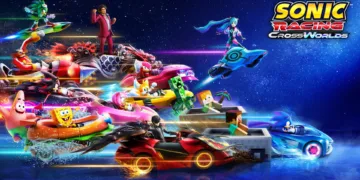


























Sonic Racing: CrossWorlds arrives as SEGA’s ambitious attempt to bridge generational and cultural divides within the arcade racing landscape. This multi-dimensional racer transforms the blue hedgehog’s 34-year legacy into a playground where Eastern gaming sensibilities meet Western expectations for competitive multiplayer experiences. The game presents 24 characters from Sonic’s universe across 39 meticulously crafted tracks, seamlessly blending land, air, and water racing mechanics.
What distinguishes CrossWorlds from its predecessors lies in its sophisticated understanding of how different gaming cultures approach competition and community. Where Japanese game design traditionally emphasizes mastery through repetition, and Western design often prioritizes immediate accessibility, CrossWorlds creates a synthesis that respects both philosophies.
The four difficulty classes and comprehensive assist options acknowledge that racing games serve different social functions across cultures – from casual party entertainment in Western living rooms to dedicated arcade competition in Japanese gaming centers. This cultural awareness permeates every aspect of the experience, creating a racing game that feels simultaneously familiar and refreshingly international in its scope.
The Mechanics of Cultural Translation
The racing mechanics in CrossWorlds reflect a fascinating dialogue between different regional approaches to game feel and player agency. The four primary actions – accelerate, drift, brake, and item usage – appear deceptively simple, yet their implementation reveals layers of cultural consideration that extend beyond mere accessibility.
The drift system draws heavily from Japanese arcade racing traditions, where precision timing and chain mastery separate casual players from dedicated enthusiasts. However, the generous boost panel placement and forgiving recovery mechanics acknowledge Western preferences for maintained momentum and reduced punishment for mistakes. This creates an interesting tension where skilled players can achieve significant advantages through technical mastery, while newcomers rarely feel completely left behind.
Vehicle transformation between land, air, and water forms represents perhaps the most successful fusion of cultural gaming philosophies. The seamless transitions echo the Japanese design principle of “omotenashi” – anticipating player needs without explicit instruction. Flight Form’s vertical drifting mechanics feel intuitive despite their complexity, while Water Form’s initial learning curve provides the type of mastery-based progression that defines Japanese arcade culture. Yet the optional nature of many transformation gates ensures that players can engage with these systems at their comfort level, reflecting Western design values around player choice and accessibility.
The ring collection system serves as a particularly elegant example of mechanical storytelling that transcends cultural boundaries. Rings function simultaneously as speed boosters, vulnerability markers, and spatial navigation aids. This multi-layered design philosophy mirrors how global audiences process game mechanics differently – some focusing on optimization, others on exploration, still others on risk management. The system accommodates all these approaches without forcing any single interpretation.
Dimensional Storytelling and Spatial Narrative
The titular CrossWorlds mechanic represents a bold experiment in environmental storytelling that draws from both Eastern and Western narrative traditions. The dimensional jumping during races creates what might be called “spatial montage” – a technique borrowed from film theory where meaning emerges from the juxtaposition of different environments rather than linear progression.
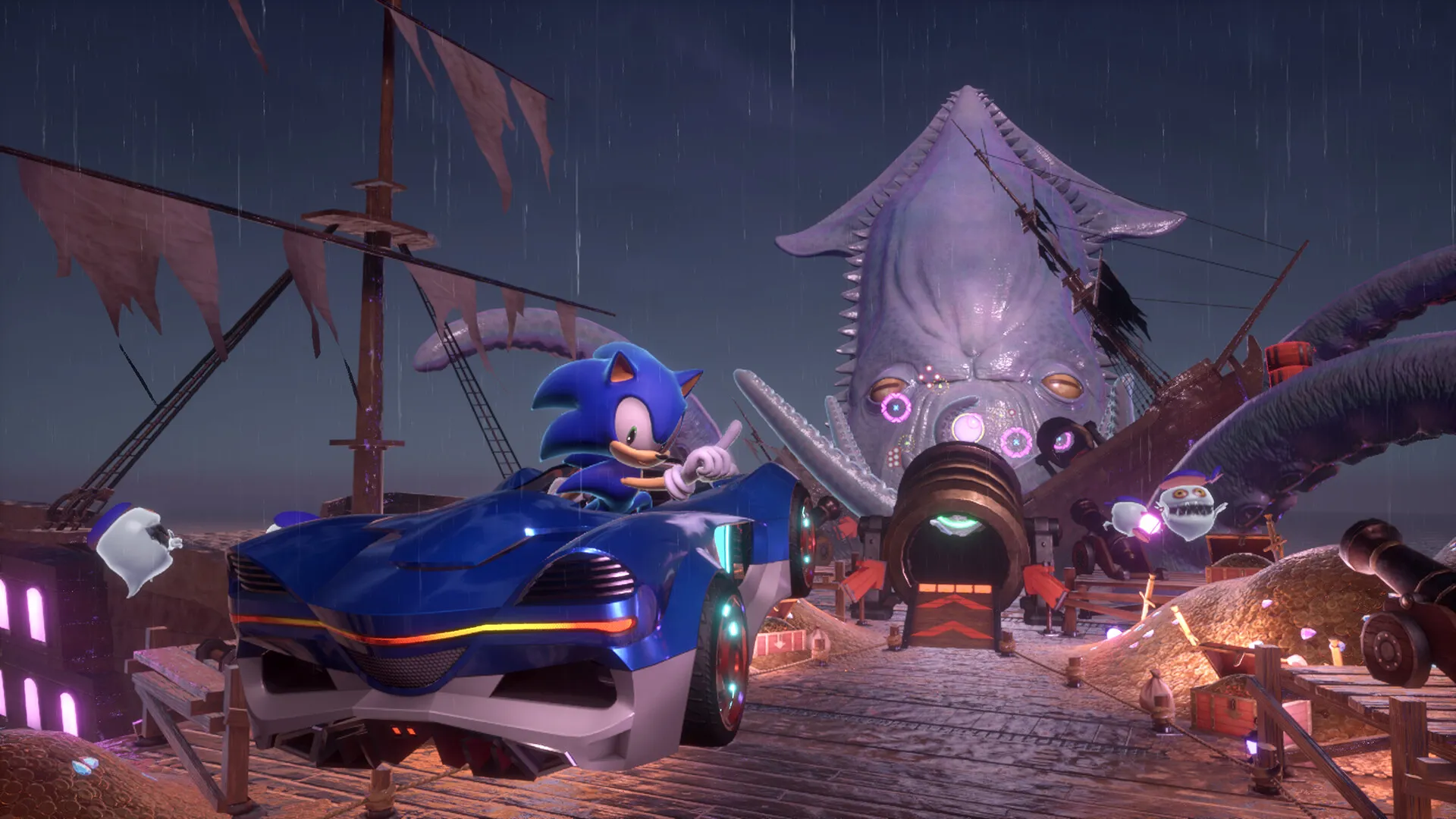
This approach reflects Japanese concepts of “ma” (negative space) and temporal discontinuity, where the gaps between elements carry as much meaning as the elements themselves. When racers warp from Metal Harbor’s industrial naval setting to Dinosaur Jungle’s prehistoric landscapes, the narrative impact comes from contrast and transition rather than logical continuity. This stands in notable opposition to Western storytelling traditions that typically prioritize causal relationships and geographic consistency.
The track selection system, where first-place racers influence which CrossWorld appears, introduces elements of player-driven narrative that feel distinctly contemporary and globally minded. This mechanic acknowledges that modern gaming audiences expect agency in shaping their experiences, while simultaneously creating moments of surprise that keep races unpredictable. The random option provides an element of “kismet” – a Japanese aesthetic concept embracing beautiful accidents – that adds emotional texture to competitive encounters.
Track design itself demonstrates remarkable cultural synthesis. Classic Sonic locations like Radical Highway and Market Street maintain their original Japanese pop-art sensibilities while incorporating racing lines and elevation changes that reflect Western motorsport influences. New creations like Coral Town present looping, multi-path designs that would feel at home in either arcade racing culture, yet possess enough complexity to reward deep study and optimization.
The environmental storytelling extends beyond visual design to mechanical integration. Pumpkin Mansion’s vanishing obstacles create narrative tension through gameplay rather than cutscenes, while Metal Harbor’s launching rocket physically reshapes the racing environment to reflect story progression. These moments blur the line between mechanics and narrative in ways that transcend traditional cultural boundaries around what constitutes storytelling in interactive media.
Arsenal Philosophy and Social Combat
The item system in CrossWorlds reveals fascinating cultural attitudes toward competition, fairness, and social interaction within gaming spaces. With 24 different items ranging from defensive Wisps to the chaotic Monster Truck transformation, the game presents a philosophy of combat that draws from both Eastern and Western competitive traditions.

The Wisp-based items reflect Japanese design sensibilities around elegant simplicity and clear visual communication. The boost, laser, and drill Wisps each serve distinct tactical purposes while maintaining visual and mechanical consistency with their source material from Sonic Colors. This attention to thematic coherence reflects Japanese entertainment values around brand consistency and respectful adaptation of existing properties.
However, the broader item ecosystem demonstrates Western influences in its emphasis on dramatic reversals and spectacular moments. The Monster Truck transformation, growing bombs, and Tornado defensive systems create the type of “watercooler moments” that define successful Western party games. These items prioritize memorable experiences over pure competitive balance, acknowledging that different gaming cultures value different types of fairness and excitement.
The Gadget system represents perhaps the most sophisticated element of the entire experience, offering over 30 different modifications across a 2×3 grid layout. This customization philosophy draws from Japanese role-playing traditions where incremental optimization and build crafting serve as primary engagement mechanics. The ability to maintain five different gadget loadouts acknowledges that players may want to experiment with different approaches to the same challenges.
Yet the gadget implementation also reflects Western design values around player expression and strategic diversity. Rather than creating a single optimal configuration, the system encourages experimentation and personal playstyle development. Different gadgets excel in different situations, creating a meta-game that extends beyond individual races to broader strategic considerations about adaptation and preparation.
Community Structures and Social Architecture
The multiplayer and progression systems in CrossWorlds demonstrate sophisticated understanding of how different cultures approach social gaming and long-term engagement. The Race Park’s six different rule sets acknowledge that racing games serve multiple social functions across different cultural contexts.
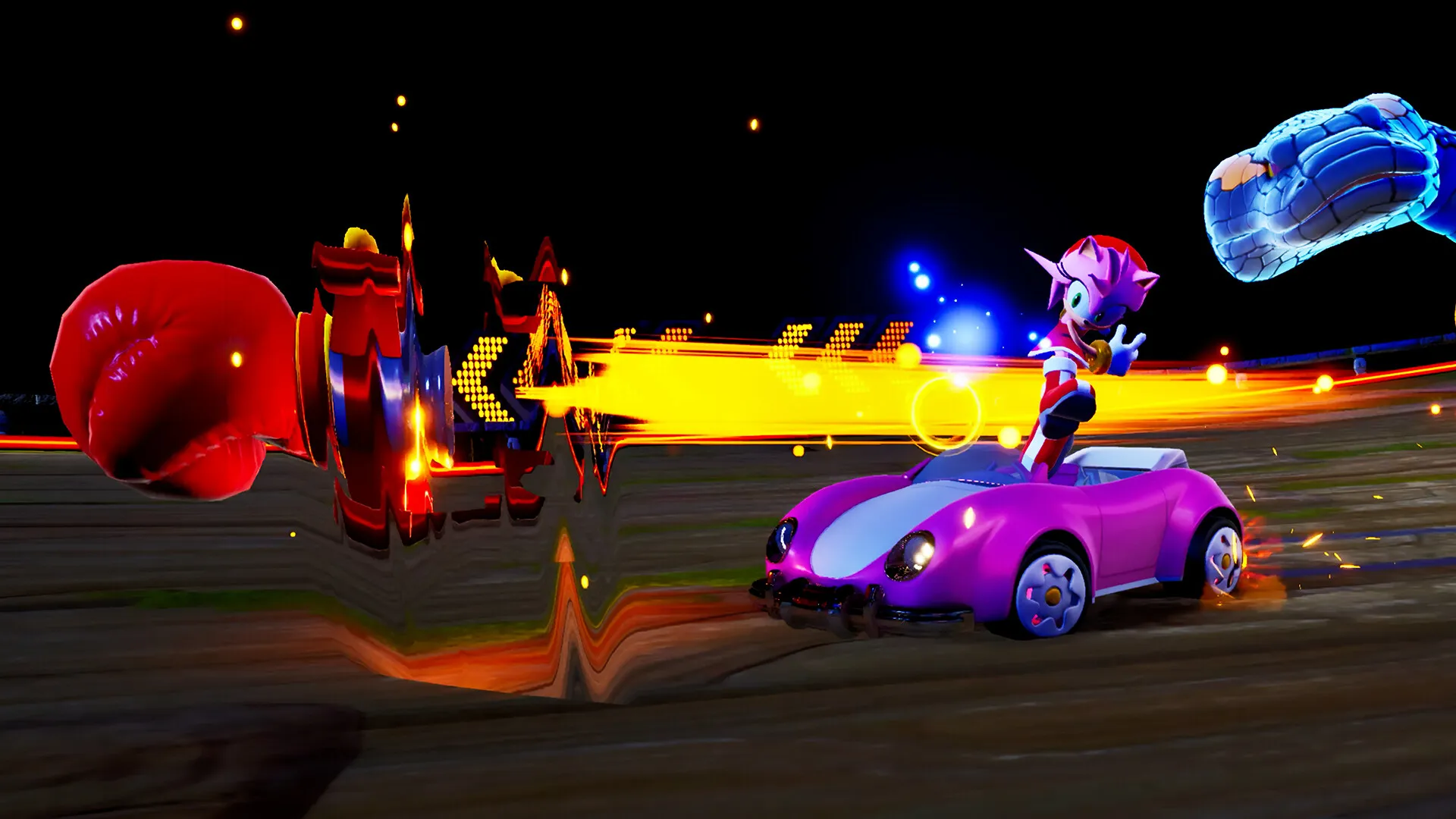
Team-based modes reflect collectivist gaming values common in East Asian gaming culture, where group coordination and shared objectives create different types of satisfaction than individual achievement. The ring collection and dash panel challenges transform racing from pure competition into collaborative optimization, creating space for players with different skill levels to contribute meaningfully to team success.
The rival system introduces an intriguing middle ground between human and artificial competition. AI rivals with personality, unique voice lines, and escalating challenge levels (1-10) create what might be called “social training wheels” – artificial opponents that provide the emotional engagement of human competition without the unpredictability or potential toxicity of online play. This approach reflects Japanese gaming culture’s comfort with anthropomorphized AI companions, while serving Western preferences for structured progression and clear skill development.
The Donpa ticket economy reveals careful consideration of different cultural attitudes toward grinding, progression, and monetary value. The ability to spend tickets for race retries addresses Western gaming culture’s impatience with repetitive failure, while the extensive unlockable cosmetics and character friendship systems provide the type of long-term collection goals that drive engagement in mobile and arcade gaming markets.
However, the friendship system’s implementation feels somewhat hollow, lacking the meaningful character interaction that would elevate it beyond simple currency exchange. This represents a missed opportunity to incorporate the rich character relationships that define Sonic’s multimedia presence across different regions and media formats.
Sonic Synthesis and Technical Harmony
The audio design in CrossWorlds demonstrates exceptional understanding of how music functions differently across gaming cultures and generational boundaries. Nearly 100 tracks spanning Sonic’s entire history create a sonic museum that acknowledges the franchise’s global reach while serving practical gameplay functions.

The custom playlist system allows players to curate their racing soundtrack across three-lap structures, creating personalized experiences that reflect individual cultural and generational connections to Sonic music. This approach recognizes that different players have different emotional relationships to the franchise’s musical legacy – some preferring classic Genesis-era compositions, others drawn to modern orchestral arrangements, still others connecting with specific game soundtracks that defined their childhood gaming experiences.
The seamless musical transitions between laps demonstrate technical sophistication that serves cultural accessibility. Songs begin at different points depending on lap timing, ensuring that musical phrases align with gameplay rhythms regardless of individual racing pace. This attention to synchronization reflects Japanese precision in technical implementation while serving the Western gaming preference for uninterrupted immersion.
Voice acting for the rival system adds personality layers that transcend language barriers through tone and emotional inflection. Different character combinations create unique dialogue that builds social connection with AI opponents, transforming mechanical competition into something approaching genuine rivalry and friendship.
The online infrastructure reflects modern gaming’s global realities while maintaining cultural sensitivity around different competitive expectations. Cross-platform play acknowledges that gaming communities increasingly transcend hardware boundaries, while the fair play point system addresses toxicity concerns that affect different gaming cultures in various ways. The balance between accessibility (one player per console online) and competitive depth (gadget customization, ranking systems) creates space for different types of engagement without alienating any particular gaming culture.
CrossWorlds succeeds as both a racing game and a cultural artifact, demonstrating how thoughtful design can honor different gaming traditions while creating something genuinely new and globally accessible.
The Review
Sonic Racing: CrossWorlds
Sonic Racing: CrossWorlds represents a remarkable synthesis of global gaming philosophies, creating an arcade racer that respects both technical mastery and casual accessibility. The CrossWorlds mechanic transforms familiar racing into something genuinely innovative, while the gadget system provides depth that rewards long-term engagement. Though the friendship system feels underdeveloped and progression costs seem inflated, the core experience delivers exceptional track variety, satisfying mechanics, and impressive cultural awareness. This stands as SEGA's most successful attempt at bridging regional gaming preferences while honoring Sonic's multimedia legacy.
PROS
- Innovative CrossWorlds dimensional switching mechanic
- Excellent track design spanning Sonic's entire history
- Deep gadget customization system with meaningful choices
- Smooth transformation mechanics across land, air, and water
- Comprehensive accessibility options for different skill levels
- Nearly 100 music tracks with custom playlist functionality
- Strong online infrastructure with cross-platform support
CONS
- Friendship system lacks meaningful character interaction
- Inflated progression costs for cosmetic unlocks
- Limited music assignment options per individual track
- Gadget system learning curve may overwhelm newcomers
- Water Form controls feel clunky initially