



























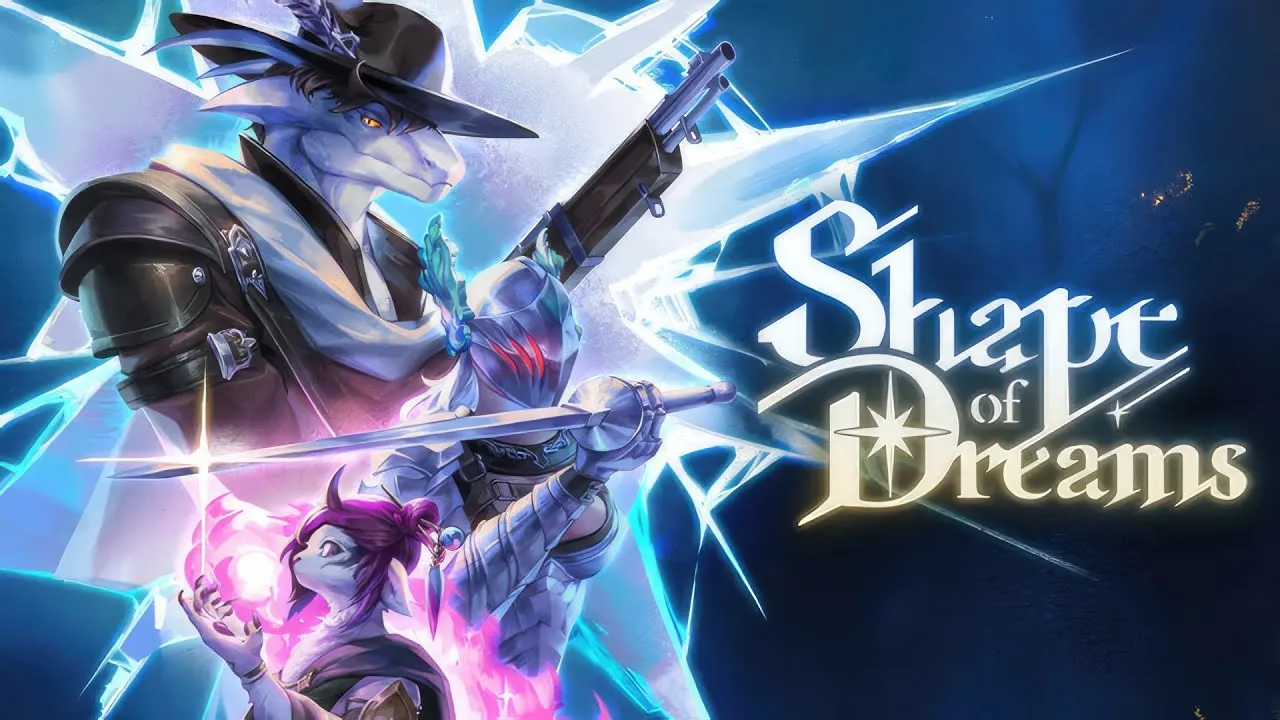

Shape of Dreams emerges from Korean indie developer Lizard Smoothie as an action roguelike that positions itself within the liminal space between dreams and reality. This setting choice reflects a distinctly East Asian philosophical approach to the relationship between consciousness and experience, where dream states carry equal weight to waking reality. The game unfolds in Yeoul, a realm that serves as both metaphysical construct and gameplay arena, where players navigate interconnected stages while being pursued by relentless hunters.
The Korean development team has crafted an experience that draws heavily from MOBA mechanics, particularly those found in Heroes of the Storm, while embedding them within roguelike progression systems. This fusion represents a cross-pollination of gaming cultures, combining the strategic depth of competitive multiplayer games with the risk-reward psychology that drives single-player roguelikes.
The cooperative multiplayer support for up to four players suggests an understanding of how social gaming dynamics differ across cultures, particularly in East Asia where collaborative gameplay often takes precedence over individual achievement.
What distinguishes Shape of Dreams from its contemporaries lies in its Memory and Essence systems, which function as both gameplay mechanics and thematic elements. The developer’s choice to frame abilities as “memories” creates a conceptual bridge between the game’s dream setting and its mechanical complexity. This naming convention reflects Korean cultural attitudes toward memory and experience as formative elements of identity, while simultaneously providing players with immediately comprehensible gameplay concepts.
The Architecture of Ability
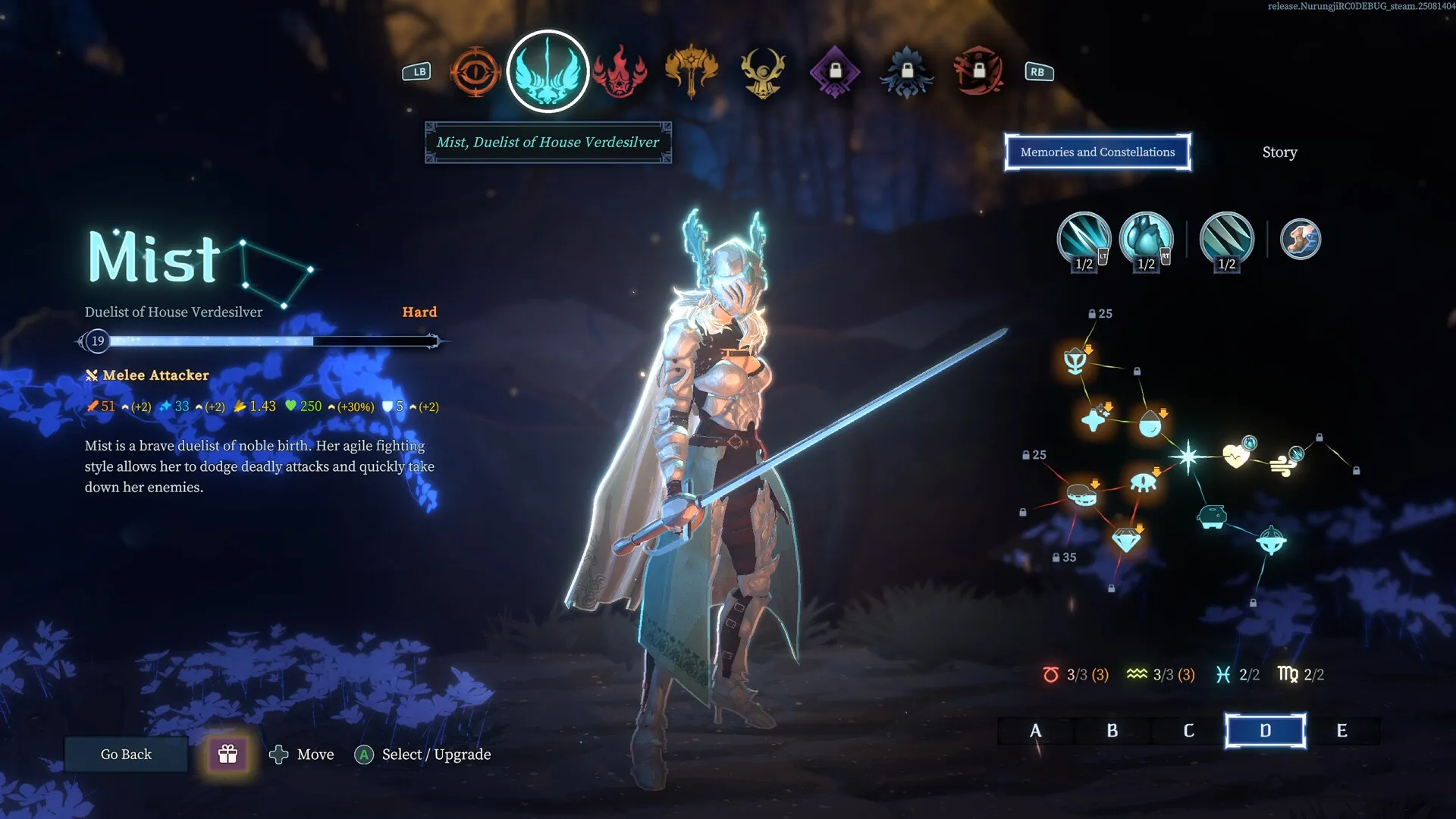
The Memory system serves as Shape of Dreams’ primary innovation, offering four active ability slots that can be customized throughout each run. This mechanical approach mirrors the fluid nature of dreams themselves, where abilities and circumstances shift according to internal logic rather than external consistency. Players begin each run with character-specific Memories but can swap these out for discovered abilities, creating a dynamic relationship between character identity and player agency.
Each Memory operates on unique cooldowns and effects, ranging from offensive spells to movement abilities to defensive measures. The system’s depth emerges through the Essence modification layer, where up to three enhancement gems can be attached to each Memory. These Essences provide effects that range from simple stat boosts to complete mechanical transformations, allowing the same Memory to function differently depending on its enhancements.
The cultural significance of this system becomes apparent when examining how it handles player expression. Korean game design often emphasizes customization and personalization as forms of cultural expression, and the Memory-Essence combination system provides extensive opportunities for players to create builds that reflect their individual preferences. The real-time equipment adjustment through Ctrl-drag interface suggests a design philosophy that prioritizes experimentation and adaptation over rigid planning.
The upgrade system using Dream Powder at Wells creates another layer of cultural meaning. The concept of strengthening abilities through accumulated experience (represented as powder from defeated dreams) aligns with East Asian concepts of gradual cultivation and improvement through practice. This progression model differs significantly from Western power fantasy approaches, focusing instead on incremental growth through persistence.
Navigating Cultural Territories
The game’s progression structure reveals sophisticated understanding of player psychology across different gaming cultures. Each run consists of four stages connected through node-based maps, with the opening forest area serving as a constant while the remaining three stages draw from seven different themed environments. This design choice creates familiarity within variation, a principle that resonates with both Eastern and Western gaming sensibilities.
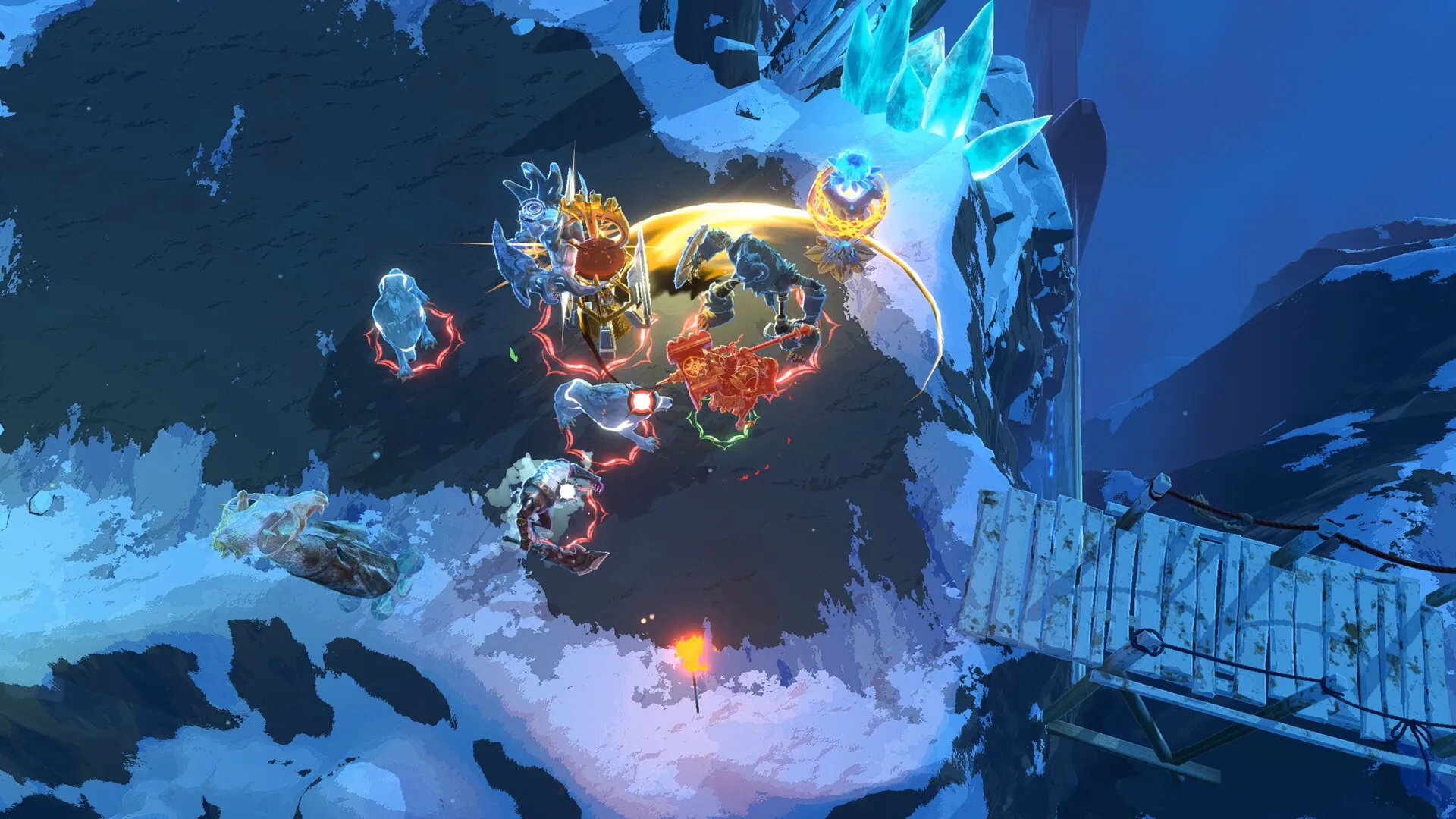
The Hunter/Tracker system introduces a unique temporal pressure mechanic that forces strategic route planning. After two movements, pursuers begin chasing players across the map, creating consequences for dawdling or inefficient pathing. This system reflects Korean game design’s tendency toward strategic complexity, where optimal play requires forward thinking and risk assessment rather than reactive gameplay.
Between-run progression operates through character leveling via proficiency points, individual talent trees, and shared traits unlocked through combined character advancement. The Stardust currency system for trait activation creates meaningful resource management decisions that extend beyond individual runs. This progression model suggests an understanding of how different cultures approach long-term engagement with games, particularly the Korean preference for gradual, persistent advancement over immediate gratification.
The daily quest system for resource generation reflects the influence of Korean mobile and MMO gaming culture, where regular engagement is incentivized through structured rewards. This design choice may feel foreign to players from regions where roguelikes traditionally focus on individual run completion rather than persistent progression, highlighting the cultural specificity of player expectations.
Character as Cultural Expression
The eight-character roster demonstrates deliberate diversity in both mechanical function and cultural representation. Each character fulfills traditional RPG archetypes (tanks, healers, ranged dealers, mages, melee fighters) while maintaining distinct passive abilities that cannot be swapped out. This design philosophy reflects Korean gaming culture’s emphasis on character identity as a form of player expression.
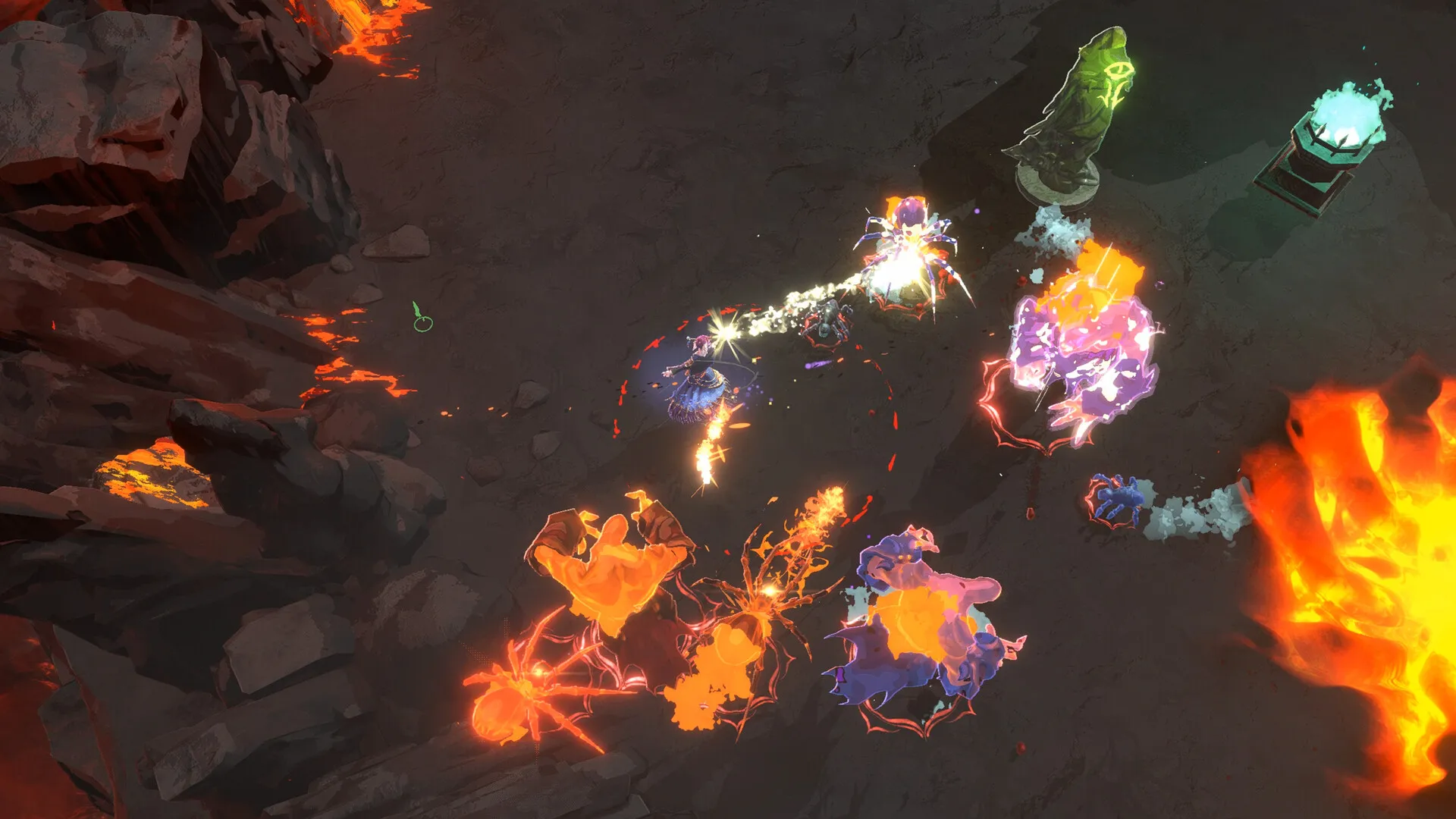
The character specialization system creates interesting tensions between individual identity and adaptive gameplay. While active Memory skills can be replaced, passive abilities remain fixed, ensuring that character choice maintains meaning throughout the run. This approach differs from Western roguelike traditions that often prioritize complete mechanical flexibility over character consistency.
The Déjà Vu system represents a fascinating cultural bridge, providing mid-game assistance for build consistency through currency-based access to preferred Memories and Essences. This helper system acknowledges that players from different gaming backgrounds may have varying tolerances for randomness and unpredictability. The daily access periods and cost reduction mechanics suggest an understanding of how different cultures approach game engagement patterns.
Visual Narratives Across Cultures
Shape of Dreams’ art direction creates a dreamlike aesthetic that draws from multiple cultural visual traditions while maintaining thematic coherence. The variety of stage themes encompasses forests, lava fields, constellations, and areas with distinctly Korean cultural elements, creating a visual language that speaks to both local and international audiences.
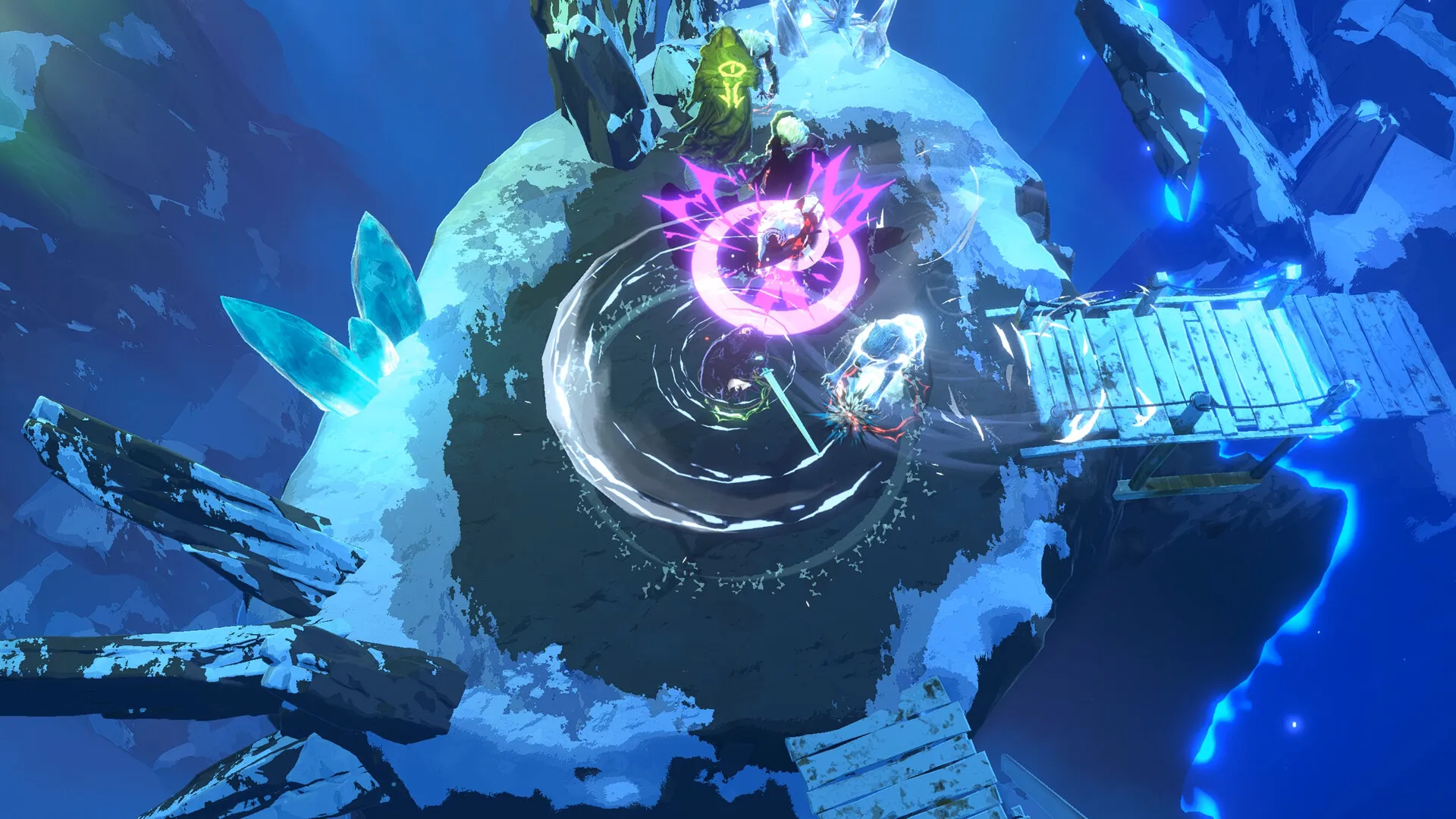
The constellation theme deserves particular attention for its execution of cosmic scale within intimate gameplay spaces. This design choice reflects East Asian artistic traditions that emphasize the relationship between individual experience and universal forces, creating beauty through the juxtaposition of personal struggle against infinite backdrops.
Technical performance reveals some of the challenges facing smaller international developers. Frame rate instability, particularly in multiplayer scenarios, suggests resource limitations rather than design oversights. These technical constraints create interesting questions about how cultural gaming preferences must adapt to development realities, particularly when Korean collaborative gaming traditions meet technical limitations.
The outsourced OST demonstrates global collaboration in game development, where cultural authenticity can be maintained through international cooperation. The audio design supports the game’s thematic elements while remaining accessible to players unfamiliar with Korean musical traditions.
The Multiplayer Cultural Bridge
Cooperative multiplayer for up to four players reflects Korean gaming culture’s emphasis on social play experiences. The character synergy opportunities and healing mechanics between players create gameplay that rewards coordination and communication, values that resonate strongly with East Asian gaming communities.
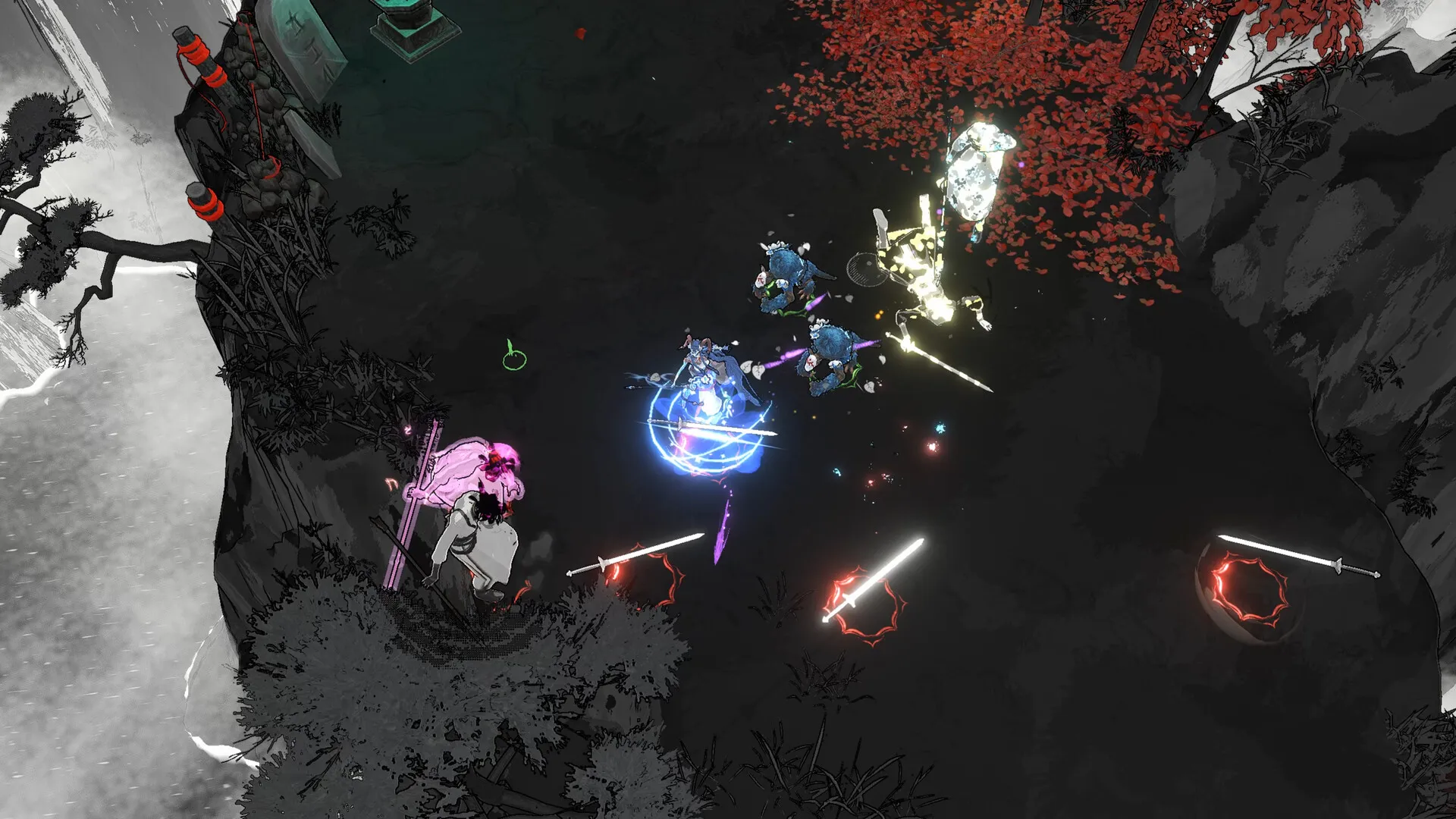
However, the technical challenges in multiplayer implementation highlight the difficulties smaller developers face when attempting to create culturally authentic experiences for global audiences.
Frame rate issues and stability problems in cooperative sessions may limit the game’s ability to fully realize its social gaming potential, particularly for international players with different network infrastructure expectations.
Critical Intersections
Shape of Dreams succeeds in creating mechanically deep systems that reward experimentation and long-term engagement. The Memory and Essence combination system provides genuine strategic depth, while the progression systems encourage the kind of persistent play that Korean gaming culture values. The cooperative elements, when technically stable, offer meaningful social gameplay experiences that transcend cultural boundaries.
The game struggles with content variety and narrative depth, areas where cultural differences in player expectations become apparent. Limited enemy variety in early areas and minimal story content may disappoint players from gaming cultures that expect rich narrative frameworks or diverse encounter design. The heavy emphasis on repetitive play for progression may also clash with Western gaming preferences for discrete, completable experiences.
The frame rate instability and technical performance issues represent more than mere technical problems; they highlight the challenges facing international indie developers attempting to create culturally authentic experiences while meeting global technical standards. These limitations may prevent the game from reaching audiences who could most appreciate its cultural innovations.
Shape of Dreams represents an ambitious attempt to bridge gaming cultures through mechanical innovation and thematic coherence. While technical limitations and content variety constraints may limit its broader appeal, the game demonstrates how thoughtful cultural translation can create genuinely novel gameplay experiences. For players willing to engage with its long-term progression philosophy and social gameplay elements, Shape of Dreams offers a perspective on roguelike design that expands the genre’s cultural boundaries while maintaining mechanical integrity.
The Review
Shape of Dreams
Shape of Dreams succeeds as a culturally distinctive roguelike that rewards patient exploration of its deep Memory and Essence systems. Technical performance issues and limited content variety prevent it from achieving broader excellence, yet the mechanical innovation and cooperative gameplay create genuinely engaging experiences for dedicated players. The Korean development perspective brings fresh ideas to a crowded genre.
PROS
- Deep Memory and Essence combination system with extensive build variety
- Smooth WASD combat controls with satisfying action gameplay
- Meaningful cooperative multiplayer that encourages team synergy
- Solid long-term progression systems across multiple characters
- Beautiful dreamlike art direction with varied thematic environments
- Strategic Hunter/Tracker system adds tactical route planning
CONS
- Frame rate instability, especially in multiplayer sessions
- Limited enemy variety in early game areas
- Minimal story content and narrative development
- Heavy reliance on repetitive play for character advancement
- Certain overpowered Essence combinations reduce build diversity
- Resource scarcity at lower difficulty levels discourages experimentation