

























![Kingdom Hearts Collection [I-III] Review](https://gazettely.com/wp-content/uploads/2026/10/Kingdom-Hearts-Collection-I-III-1-360x180.webp "Kingdom Hearts Collection [I-III] Review: KHII Holds Steady as Newer Entries Fluctuate 37")



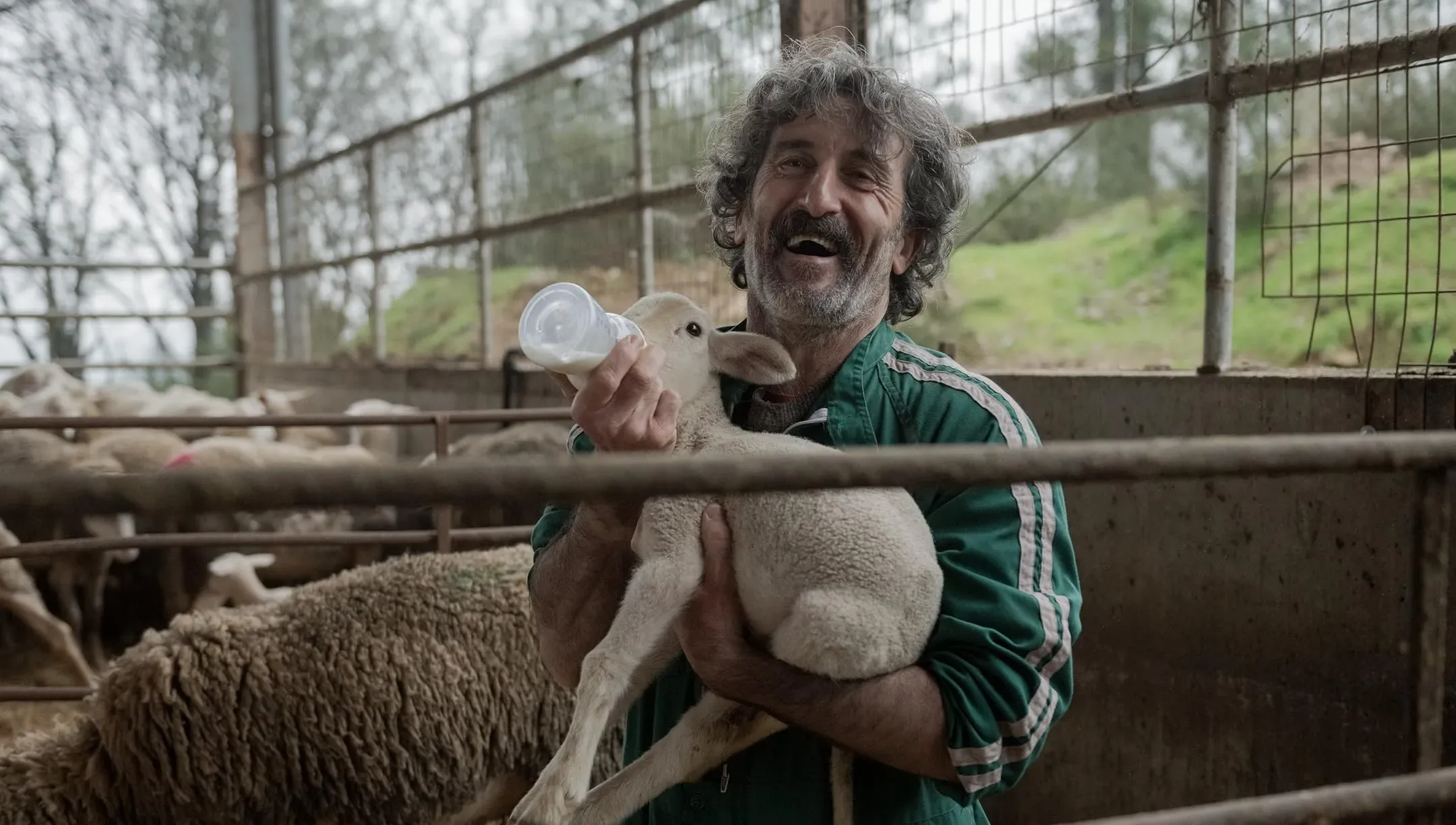

For Antón, a veterinarian of the old school, a sick animal is a puzzle of biology, not a furry child in need of emotional support. His world is one of practicalities, where payment might come as a crate of fresh eggs and a diagnosis is delivered with the blunt force of a slammed barn door. The Spanish comedy Old Dog, New Tricks finds its brilliantly dry premise by yanking this man from his rural element and dropping him into the pristine, lavender-scented aisles of Kawanda, a modern pet emporium.
Forced by a lack of funds to work for his idealistic niece, Uxía, Antón becomes a bull in a very fragile china shop. The series is a sharp, character-centered comedy about the friction that occurs when a man who has spent his life speaking the language of animals is forced to negotiate with their bewilderingly sentimental human owners.
An Alliance of Oil and Water
The show’s success rests almost entirely on the beautifully mismatched dynamic between its central pair, a relationship built on a foundation of exasperation and grudging affection. Luis Zahera’s Antón is a magnificent creation of pure cantankerousness. He is a man who approaches a Pomeranian with anxiety as if it were a malfunctioning tractor, seeking the most direct path to a solution without any concern for the delicate sensibilities of its owner.
His bedside manner is that of a disgruntled badger. This refusal to engage in the performative empathy of modern customer service provides an endless source of comedic tension. He is not merely resistant to his new environment; he is philosophically opposed to it, and his blunt assessments of both pets and people serve as the series’ sharpest satirical weapon. His cynicism and occasional selfishness are not presented as simple flaws but as a coherent, if deeply impractical, worldview that is constantly being tested.
Lucía Caraballo’s Uxía provides the necessary warmth and forward momentum to keep the series from collapsing into pure cynicism. As the manager of Kawanda, she is the eternal mediator, the cultural translator between her uncle’s gruff pragmatism and her clients’ emotional needs. She is competent, empathetic, and saddled with a powerful instinct to save everyone and everything around her, a trait that frequently complicates her life. Uxía is not a simple foil; she is the embodiment of the new world Antón rejects.
She believes in teamwork, in branding, in the idea that a pet store can be a community hub. Her constant efforts to smooth over the social craters her uncle creates are both funny and faintly tragic. Their relationship is a complex tapestry of shared history and present-day conflict. Beneath the bickering over proper consultation etiquette lies an unspoken family bond that gives their interactions a depth that elevates the show beyond a simple workplace sitcom. They are a chaotic but strangely effective unit, navigating the absurdities of their profession together.
The Rhythms of Repetition
The comedic engine of Old Dog, New Tricks is its deadpan tone, a dry and understated style that milks humor from awkward silences and Antón’s underwhelmed reactions. The show avoids broad punchlines, opting instead for the slow-building comedy of a situation spiraling gently out of control.

It finds a rich target in the modern phenomenon of anthropomorphizing pets, using Antón as a proxy for the audience’s own potential bewilderment at concepts like gluten-free dog biscuits and small-animal acupuncture. The satire is gentle but persistent, a commentary on the shifting values that separate a practical, rural past from a sentimental, urban present. The humor is almost entirely character-based, rooted in how this unmovable object of a man responds to the unstoppable force of contemporary pet culture.
This reliance on a specific comedic formula is both a strength and a weakness in the show’s narrative structure. The series thrives in its episodic, “case-of-the-week” format, which allows for a steady stream of new animals and their eccentric owners to bounce off of Antón’s granite-like personality. These self-contained stories are tight, funny, and play to the show’s core concept perfectly. Where the series falters is in its attempts at serialized storytelling.
The overarching plot threads, meant to connect the episodes, often feel underdeveloped or are left to wither. A particular narrative involving Antón’s attempts to win back his old clients feels more like a distraction than a meaningful development. The show’s rhythm is disrupted when it strays too far from its central workplace premise. The repetitive nature of Antón confronting yet another bizarre client could become tiresome, but the performances are strong enough to keep the formula feeling fresh for most of its run.
The Craft of the Clash
The series is anchored by the masterful work of Luis Zahera, who makes Antón feel like a fully realized person rather than a collection of grumpy quirks. He finds the subtle notes beneath the surface, communicating a deep weariness, a flash of dry wit, or a moment of unexpected tenderness with little more than a grunt or a shift in his gaze.

It is a performance of immense control and charisma, making a difficult man strangely likable. Lucía Caraballo provides a vibrant and energetic counterpoint, ensuring Uxía is a capable and intelligent character, not just a reactive victim of her uncle’s moods. Their chemistry feels earned and authentic, the product of a shared, unseen history.
The direction and cinematography effectively translate the show’s thematic concerns into a visual language. The two Spains are rendered in distinct palettes: the rural world is all damp greens, rich earth tones, and cluttered, lived-in spaces, while the Kawanda pet store is a world of bright whites, clean lines, and curated, almost clinical, order. This visual contrast is a constant, subtle reminder of the cultural gulf Antón is trying to cross.
The director, Víctor García León, employs a light touch, allowing the humor to arise naturally from the actors’ interactions. The pacing is patient, letting scenes breathe and giving the deadpan jokes the space they need to land. The show is a polished, unpretentious piece of work that understands its own strengths. It poses no grand questions about the human condition, but it does leave one to wonder about the existential state of a man who understands every animal but his own species.
Full Credits
Director: Víctor García León, Alberto de Toro
Writers: Víctor García León, Ana Boyero, Araceli Álvarez de Sotomayor, Germán Aparicio, Dani Castro
Producers and Executive Producers: Aitor Gabilondo, Jota Aceytuno, Irene Poga
Cast: Luis Zahera, Lucía Caraballo, Carmen Ruiz, Antonio Durán Morris, Nuno Gallego, Darío Loureiro, Adrián Viador, Sergio Abelaira
The Review
Old Dog, New Tricks
Old Dog, New Tricks succeeds on the strength of its fantastic lead performances, particularly Luis Zahera’s masterful portrayal of a gruff veterinarian lost in the absurd world of modern pet care. Its deadpan humor and sharp satirical eye make for a consistently amusing watch. While the series is hampered by underdeveloped side plots and a sometimes repetitive comedic structure, the magnetic chemistry between its central duo and its witty character-driven comedy make it a highly enjoyable and charming entry in Netflix’s international lineup.
PROS
- A magnetic and hilarious lead performance from Luis Zahera.
- Sharp, deadpan humor rooted in a clever culture-clash premise.
- Excellent chemistry between the two main characters.
- Effective and witty satire of contemporary pet ownership.
CONS
- The episodic formula can feel repetitive at times.
- Long-term narrative arcs and side plots are underdeveloped.
- The central comedic setup is sometimes predictable.







