

























![Kingdom Hearts Collection [I-III] Review](https://gazettely.com/wp-content/uploads/2026/10/Kingdom-Hearts-Collection-I-III-1-360x180.webp "Kingdom Hearts Collection [I-III] Review: KHII Holds Steady as Newer Entries Fluctuate 37")



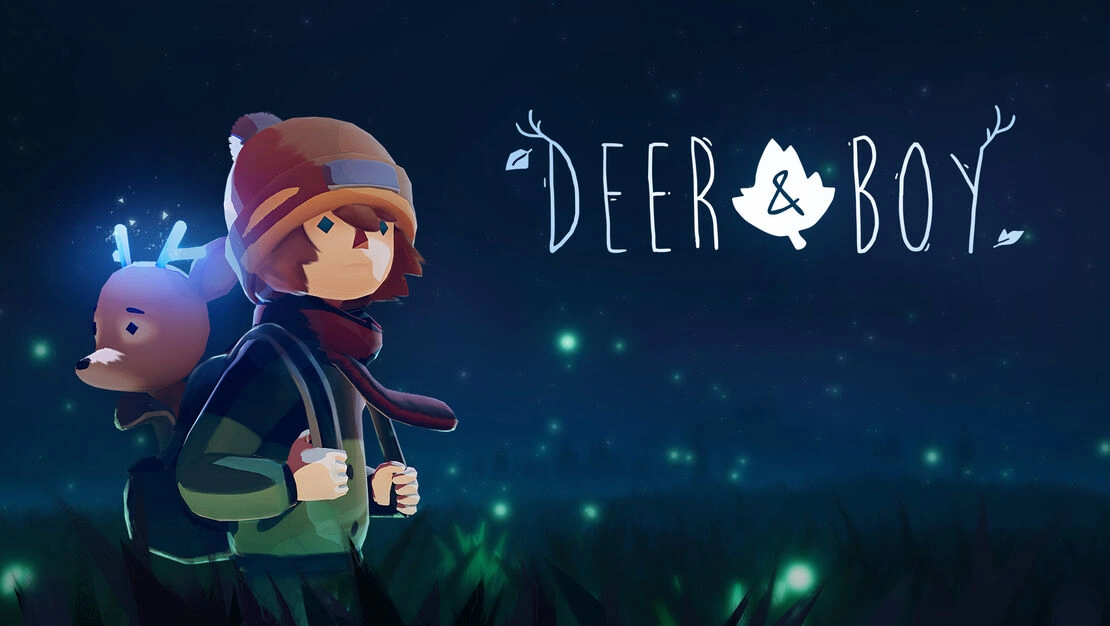

Carrying the fawn is the first design promise the game makes, and it is a smart one. The boy can climb, slip through spaces, and move with the fragile confidence of a child who has run too far from home, but the fawn changes that rhythm the moment it enters his backpack. Suddenly, progress is no longer about getting one character from left to right. It is about keeping a bond intact while a hostile world keeps trying to break it.
Deer & Boy, from French indie studio Lifeline Games, is a 2.5D cinematic platform adventure about a runaway child and the young deer he finds in the woods. There is no dialogue, no explanatory narration, and no text-heavy framing to hold the player’s hand.
The boy leaves an apartment building at night, passes a fresh memorial with an unclear image, avoids patrol cars, and stumbles into an encounter with a fawn in distress. The game trusts animation, music, and environmental details to explain what speech would usually flatten.
That restraint matters. The boy’s reaction to the memorial tells us grief is part of the design before the game has a chance to name it. The wanted posters and patrols make ordinary public spaces feel dangerous. A family in a diner becomes a threat because the boy has been turned into someone to report. The game uses that simple setup to make its world readable without making it small.
The Companion Is the Core System
The best idea in Deer & Boy is that the relationship changes the mechanics before the story fully reveals itself. At first, the fawn is a responsibility. The boy carries it, protects it, and has to solve small environmental problems without leaving it behind. That means pushing logs into place, dragging crates toward switches, breaking down barriers, and creating routes that serve two bodies with different limits.
The command system is minimal. You control the boy directly, while the deer responds to prompts. Hold the command button and the deer can crawl through narrow gaps, activate mechanisms, reach inaccessible spaces, or later use abilities the boy does not have. You never fully take control of the deer, which is the correct choice. The animal remains a companion rather than a second avatar, and that keeps the bond from turning into a tool menu.
What makes the system work is its changing power dynamic. The boy starts as the protector, but the deer slowly becomes stronger and increasingly capable. The early fawn tucked into a backpack is all vulnerability. Later, the deer becomes a practical answer to obstacles and threats, especially when purple corruption blocks the way. The shift is simple in design terms, but emotionally clean. The game lets the mechanics say, “You are not carrying this alone anymore.”
That is where Deer & Boy is strongest. When the deer cries out during danger, or when the pair celebrate after an escape, the animation gives weight to actions that would otherwise be ordinary platforming beats. A switch is still a switch, but the deer pressing it from a place the boy cannot reach feels like trust being converted into input.
Simple Puzzles, Familiar Shapes
As a platform puzzler, Deer & Boy is extremely approachable. The boy can climb ledges, hide, wait, push, pull, and run. Most puzzles are solved by reading the room, spotting the interactable object, then using the deer at the correct time. The design rarely asks for complex reasoning. It asks for attention.

That accessibility fits the game’s priorities. Deer & Boy is built around flow, mood, and character connection, not mechanical resistance. Checkpoints are generous, ledges are easy to read, and threats are introduced through clear visual cues. If a creature is scanning the area, you wait for its gaze to turn. If danger rushes from one side of the screen, you run, jump, and trust the checkpoint when you miss the timing.
The problem is that the game leans on genre vocabulary it does not always refresh. The unkillable enemy looking left and right appears several times with different dressing. Chase sequences arrive with familiar timing. Industrial spaces, faceless corruption, and giant hostile creatures all recall the cinematic platformer playbook set by Inside, Limbo, Little Nightmares, and Bramble: The Mountain King. Deer & Boy is less cryptic than those games, which helps its emotional clarity, but it can feel too comfortable borrowing their grammar.
The puzzles are pleasant, rarely memorable. Moving a crate to reach a switch is fine the first time because the deer is involved. By the fourth variation, the emotional context is doing the heavy lifting. The same applies to stealth sections. Changing the hazard from a torch beam to an eyeball to a pulse of energy does not fully change the player’s thinking. You are still waiting for the safe window.
That does not make the game dull. It makes it softer than it could have been. A few puzzles that asked the player to coordinate the boy and deer under real pressure would have given the relationship sharper mechanical stakes.
A Beautiful World With Small Technical Snags
Presentation is where Lifeline Games clearly spent its most careful attention. Deer & Boy often looks like an animated film staged as a side-scroller, with small characters placed against oversized forests, bridges, roads, industrial structures, and corrupted spaces. The scale matters. The boy and deer feel tiny because the world is designed to make them tiny.

One of the strongest images has the pair crossing an old railway bridge under dim lantern light. It is a simple traversal scene, yet the lighting gives it a hush that most games would reserve for a cutscene. Natural spaces glow with warm color and soft magic, then the palette tightens when the purple substance and tentacled threats enter the frame. The game is readable at every step, but it rarely looks merely functional.
Music carries just as much weight. Gentle strings make puzzle-solving feel tender rather than mechanical. Piano accents arrive at small discoveries. Vocal swells give certain emotional beats the size the sparse storytelling has been holding back. The pop song moment hits hard because the game has trained the player to listen for feeling, not exposition.
The technical side is less graceful. The deer sometimes refuses a command unless the boy is placed at exactly the right spot. Companion AI can freeze, which is especially damaging in a game that depends on trusting the animal. Occasional stutters do not break the experience, but the clunky interaction windows do. A companion system lives or dies by reliability, and Deer & Boy sometimes makes affection wait for collision detection.
Accessibility could also use attention. Some cutscene prompts ask for fairly precise input, and the lack of chapter selection makes replaying specific moments harder than it should be. For a game this focused on being approachable, those omissions stand out.
The Ending Gives the Systems Their Meaning
The final stretch is where Deer & Boy’s design and story come closest to the same pulse. The game has spent hours teaching the player that the boy and deer survive by trading dependency back and forth. By the finale, that idea stops being decorative. The opening mystery around the runaway child, the memorial, and the bond with the deer gains emotional force because the mechanics have already rehearsed the theme through play.

This is why the game works better than its puzzle design alone would suggest. Its systems are not deep, but they are coherent. Carrying, commanding, waiting, fleeing, and relying on the deer all point toward the same emotional argument. The boy begins in escape mode. The deer gives that escape a shape.
A stronger version of Deer & Boy would make the player think harder and react with greater precision. This version is gentler, sometimes too familiar, and occasionally rough around the edges. It still understands the most important rule of companion design: the companion cannot feel like an inventory item. The deer feels alive, useful, frightened, brave, and loved. That is a design win.
The Review
Deer & Boy
Deer & Boy works because its companion system carries feeling through action. The puzzles stay simple, the stealth beats feel familiar, and the deer AI needs polish, yet the central bond gives even basic switches and chase scenes a clear emotional purpose. Lifeline Games builds a lovely, readable adventure where animation, music, and scale do heavier work than the mechanics. It could use sharper friction, but the deer feels alive, and that is the design choice that matters most.
PROS
- Expressive deer companion
- Strong visual storytelling
- Beautiful music cues
- Clear accessible puzzles
- Moving final stretch
CONS
- Familiar stealth sections
- Light puzzle complexity
- Occasional AI issues
- Limited replay tools
- Some clunky prompts







