




















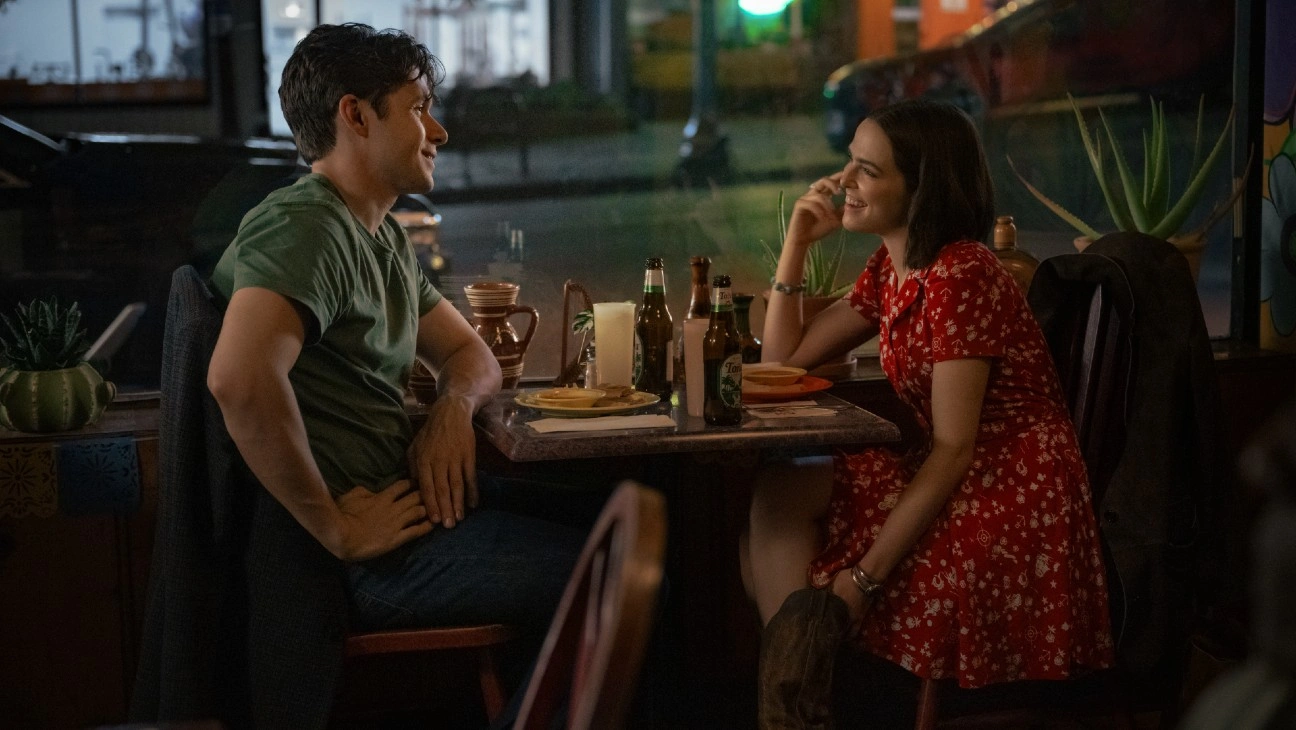

Netflix’s Voicemails for Isabelle arrived on the streamer June 19 to strong reviews and immediate audience traction, capping a nearly eight-year development journey that saw the film change stars, studios, directors, and key plot mechanics before writer Leah McKendrick took over the chair and steered it to the screen herself.
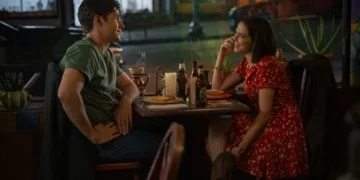
The film centers on Jill (Zoey Deutch), an aspiring pastry chef in San Francisco who copes with the death of her sister Isabelle — played by Ciara Bravo in the film’s brief opening minutes — by continuing to leave voicemails on her old number, not realizing it has been reassigned to Wes (Nick Robinson), an Austin real estate agent who falls in love with her through the recordings without ever identifying himself as the recipient. The script, which landed on the Black List before the project was first announced in 2019 with Hailee Steinfeld and director Sharon Maguire attached at Sony, was eventually handed to McKendrick, who rewrote it substantially before Netflix acquired it.
One of the most significant changes McKendrick made was recalibrating how many times Wes tries and fails to confess the situation to Jill before they fall for each other — a structural adjustment designed to keep him sympathetic rather than predatory. “It’s a big leap for the audience to make,” McKendrick told Variety, describing the challenge of keeping Wes credible as a romantic lead despite the ethically murky premise.
The film’s most unusual plot device — a rare Magic: The Gathering Alpha edition Black Lotus card that Wes surrenders to a hacker colleague in exchange for recovering Jill’s lost voicemails — was added after production had already begun. McKendrick described it as “really, really last-minute,” adding the card idea came from a studio suggestion that Wes, rather than Jill, be the one to recover the voicemails, which required a concrete object of sacrifice. The Black Lotus, widely considered the most valuable card in the game’s history with some selling for hundreds of thousands of dollars, functions in the film as the clearest expression of Wes’s feelings.
Critics have reached for You’ve Got Mail comparisons, though the grief at the film’s center gives it a register that more frivolous rom-coms rarely attempt. McKendrick also appears on screen as Breeda, one of Wes’s friends, a practice she said she maintains across her projects.