

























![Kingdom Hearts Collection [I-III] Review](https://gazettely.com/wp-content/uploads/2026/10/Kingdom-Hearts-Collection-I-III-1-360x180.webp "Kingdom Hearts Collection [I-III] Review: KHII Holds Steady as Newer Entries Fluctuate 37")



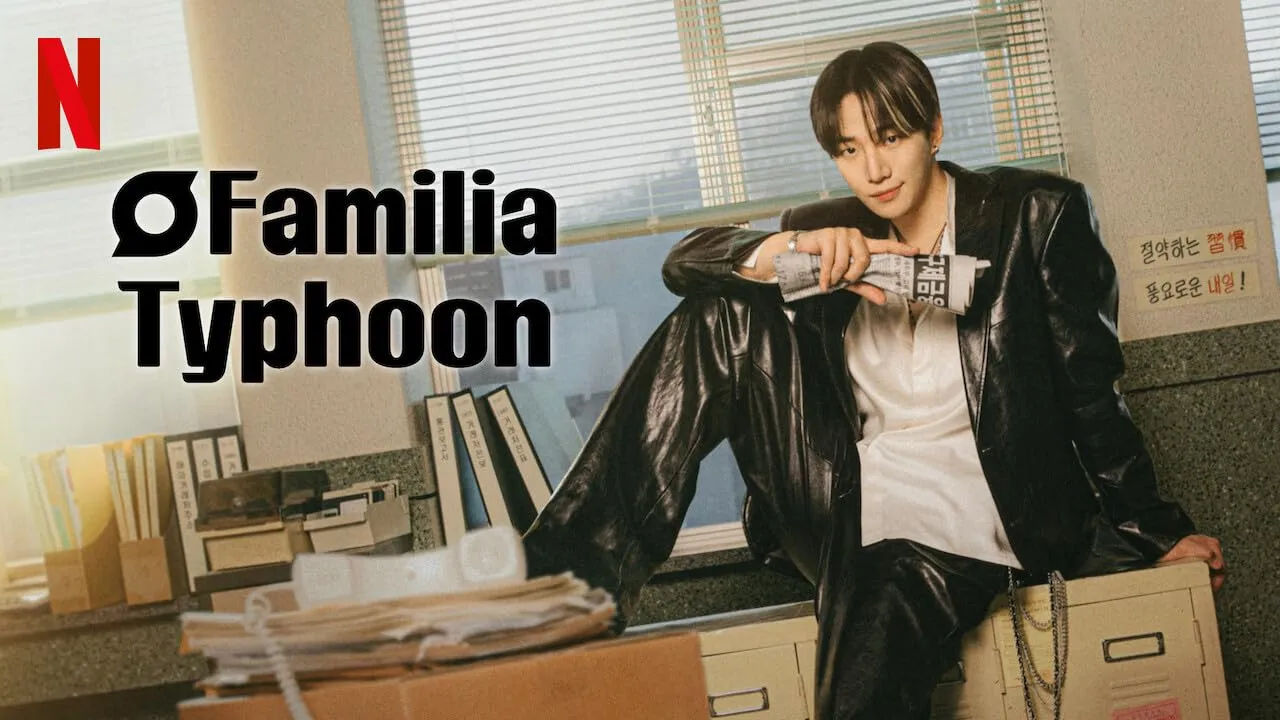

Typhoon Family opens as a historical family drama with a clear premise and a firm historical anchor: South Korea’s 1997 economic crisis. The national downturn frames the Kang family’s small business, Typhoon Trading, with immediate stakes that reach from boardroom to living room. The show arrives with impact, launching to record ratings for its time slot.
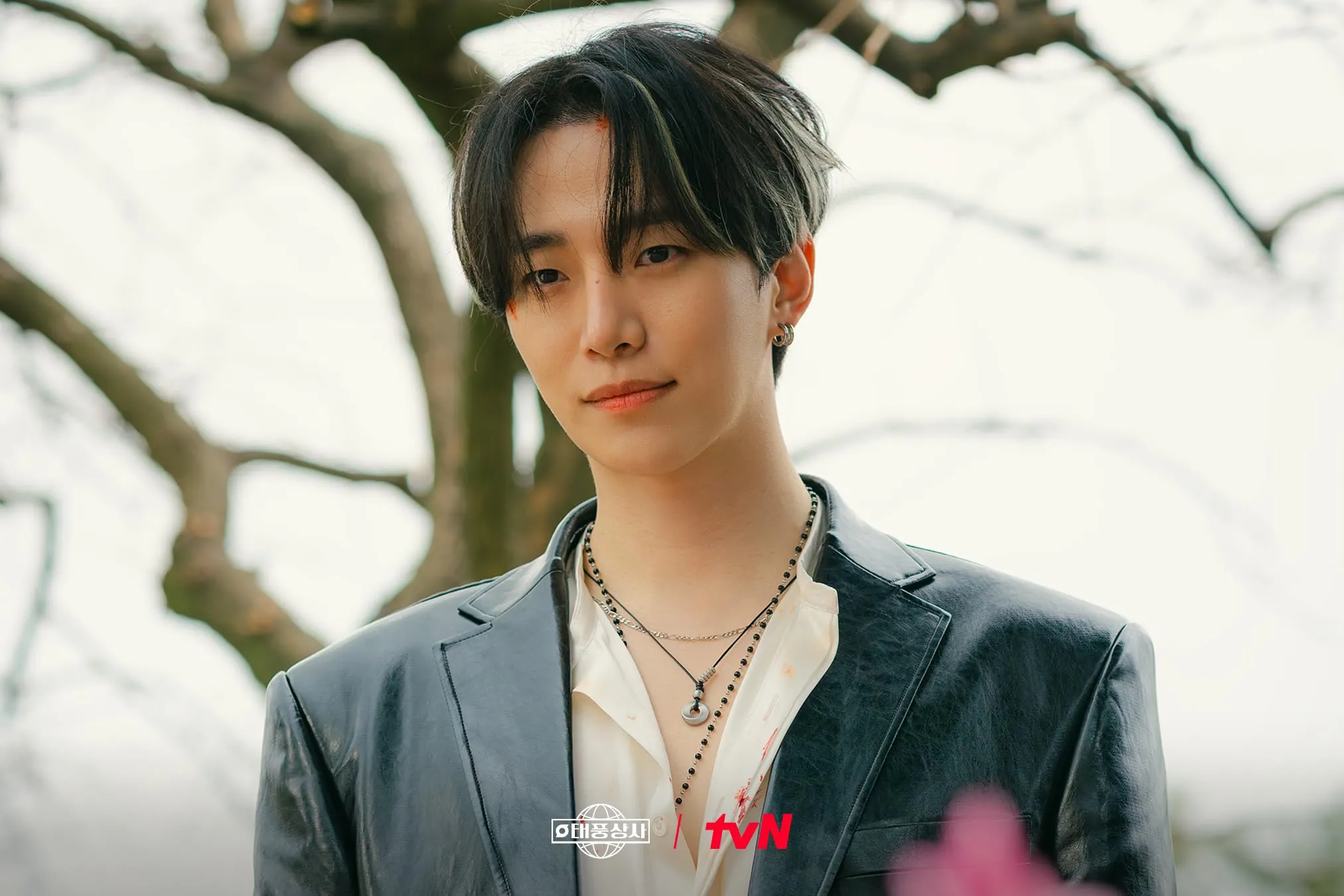
At first glance the story tracks Kang Tae-poong (Lee Jun-ho), a rebellious young man whose taste for designer clothes and nightclub fights eclipses any public sign of responsibility. He hides a quiet affection for floriculture and carries a fraught, complicated bond with his father.
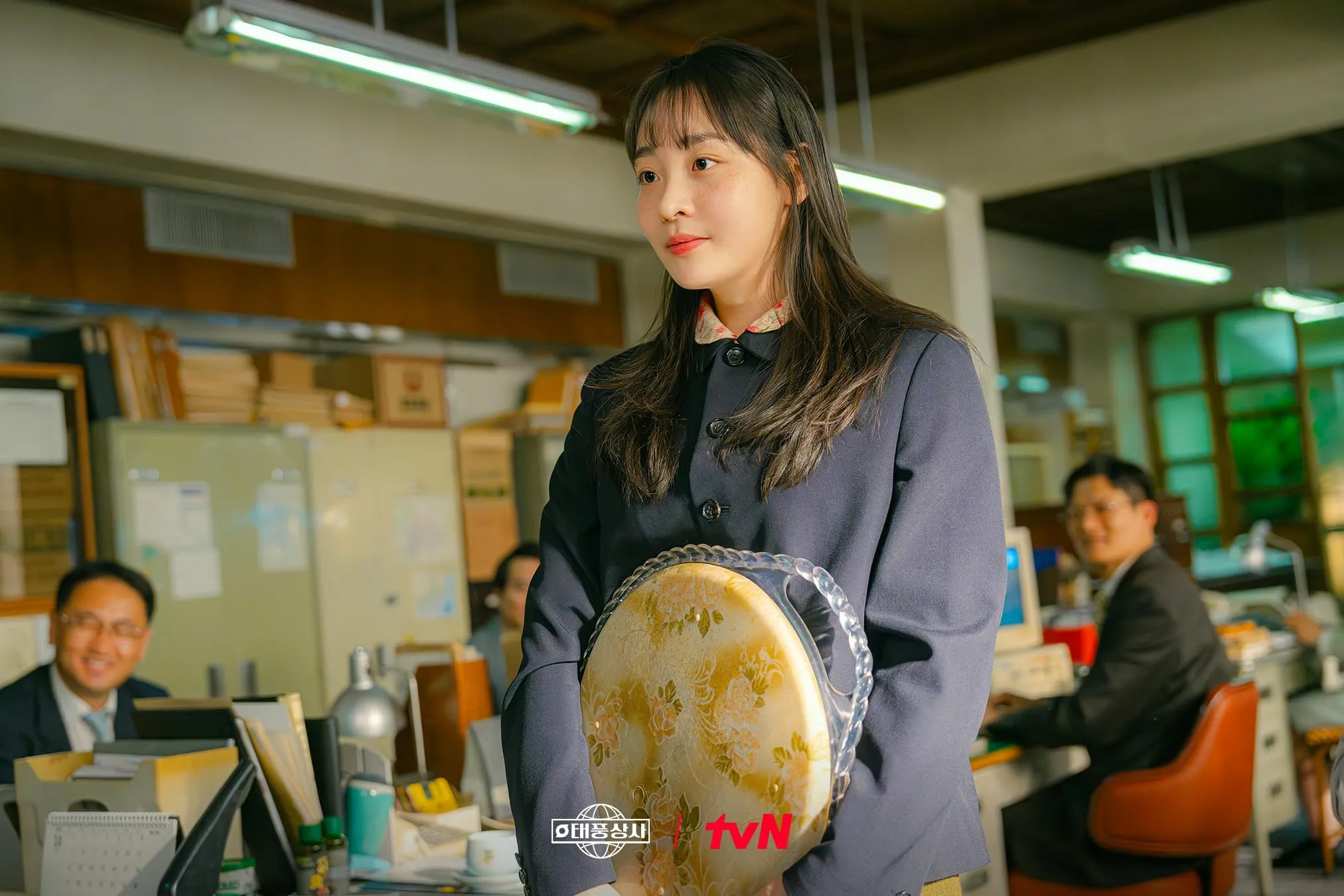
Across the company ledger sits Oh Mi-seon (Kim Min-ha), a sincere and competent bookkeeper who manages personal goals alongside family duty. Momentum kicks in when founder Kang Jin-young collapses and dies during a disastrous financial deal. The loss, set against the accelerating IMF crisis, pushes Tae-poong to the front of a failing enterprise and tears open his carefree routine.
Performance, Authenticity, and the Weight of Roles
This series leans on its cast. Lee Jun-ho charts Kang Tae-poong’s swift progression with clarity. Early scenes establish a performance of “cocky delinquency,” with flashy style and casual brawling, while the actor threads in a gentler core through Tae-poong’s loyalty to his friend Yun-seong and his quiet care for domestic roses. After his father’s death, Jun-ho pivots into steady leadership with conviction. The performance moves from breezy swagger to layered grief and hard-won resolve, mapping the emotional toll of sudden adulthood.
Kim Min-ha provides the show’s emotional ballast as Oh Mi-seon. She crafts a grounded figure, a responsible eldest daughter and diligent bookkeeper whose college hopes give way to necessity. Mi-seon functions as a zone of competence inside a chaotic office, highlighted by her measured response when she steps in to stop creditors from taking condolence money at the funeral. Min-ha shapes the character as capable and sincere, an essential counterweight to Tae-poong’s volatility.
Short but pointed turns from the supporting cast heighten the stakes. Sung Dong-il’s Kang Jin-young leaves a felt absence built on quiet gestures. Tae-poong polishing his father’s shoes and a note tucked into a savings booklet sketch a parent whose care arrives in small, deliberate acts. The restraint deepens the sadness that follows. Lee Chang-hoon contributes texture as Sales Director Go Ma-jin, a grousing office veteran who carries genuine loyalty and warmth. His presence adds weight in the crisis and provides measured comic relief without puncturing the tension.
Narrative Construction and Thematic Resonance
Typhoon Family builds its storytelling around the IMF crisis and uses it as an active force that shapes every decision. Layoffs, debt spirals, and creditor confrontations push into the family’s daily life. The conflict earns its intensity from a national event that presses on each character’s agency and doubles the pressure on Typhoon Trading.
Legacy and growth sit at the center of the narrative. Tae-poong’s attempt to steady the company reads as a form of remembrance for his father’s unspoken affection. The drama makes that link concrete through the hidden safe, the 100th anniversary safe code, and savings booklets set aside for employees.
A recurring motif ties the personal to the thematic. Jin-young teaches that petals fall so the tree can bear fruit. The image follows Tae-poong’s grief and strain, shaping his hardships as part of a cycle that prepares new strength.
The first two episodes move with control. The show switches from frenetic scenes, such as a club fight, to the shock of a sudden death with clean transitions that avoid tonal dissonance. A measured use of parallel editing draws lines between Tae-poong’s reckless private life and his father’s overburdened work life, building a structure that compares rather than crashes.
The plot plants longer roots through the arrival of Pyo Bak-ho and the suggestion of hidden business secrets. The frame widens beyond household cash flow and invites a deeper look at the company’s past choices and present risks.
Aesthetic Choices and Directional Texture
Time and place land with precision. Production design and costuming capture the 1990s, from the mix of leather jackets with designer shirts to a selection of period K-pop. The series commits real resources to the image, and that attention lets quiet moments speak. Tae-poong’s greenhouse scenes and his first train encounter with Mi-seon carry a calm pressure that suits the characters’ internal shifts.
Writing and direction work in step. Small details build character without heavy dialogue. The image of Tae-poong shining his father’s shoes or the shared warmth of a blanket do more than decorate the frame. These details link behavior to feeling and treat intimacy as an act rather than a speech. Directors Lee Na-jeong and Kim Dong-hwi guide a blend of comedy, heavy drama, and sincere feeling, keeping the story line fluid and the mood legible.
Interpersonal rhythm shapes the show’s texture. Tae-poong and Mi-seon’s first exchange on the train plants the seed of a connection that grows under pressure. Their chemistry begins with a light touch and promises a relationship tempered by strain rather than defined by it. The father and son dynamic holds equal weight. Its friction is real, and its affection arrives through action instead of grand declarations. The result is grief that feels earned because the love was expressed in work, habit, and small care.
The Verdict on a Defining Crisis Drama
Typhoon Family announces itself as a drama with emotional punch and a company-in-peril framework that draws heat from history. The opening stretch leans on a high-stakes setting and on characters who arrive with clear purpose and room to grow. The show grounds its major beats in a lived financial emergency, which gives both the home and the office scenes sharp consequence on a national scale and on a personal scale.

Future interest sits with Tae-poong’s continued change. Leadership will test him, and the show positions that test as a path toward the person his father believed he could become. Threats already line the road. Debt grows, Pyo Bak-ho’s shadow lingers, and the work of protecting Typhoon Trading’s fragile legacy only gets harder. Strong performances, a precise use of the late 1990s setting, and a personal quest tied to family and work combine to set up a drama that rewards attention. The hook is firm. The stakes are clear. The next step matters.
Typhoon Family is a South Korean television period drama that premiered on October 11, 2025, on the network tvN. Set against the backdrop of the 1997 Asian financial crisis, the series follows Kang Tae-poong, a young man from a wealthy family who is forced to step up as the CEO of his father’s struggling company, Typhoon Trading Company, after his father’s death. He works alongside employees like the bookkeeper Oh Mi-seon as he attempts to save the business. The series, which focuses on themes of resilience and unity, is available for global streaming on the platform Netflix.
Full Credits
Director: Lee Na-jeong, Kim Dong-hwi
Writers: Jang Hyun-sook, Jang Hyun
Producers and Executive Producers: Kim Ryon-hee, Lee Ji-min, Ji Yong-ho, Song Ho-kyoung, Lee Yu-bin
Cast: Lee Jun-ho, Kim Min-ha, Sung Dong-il, Kim Ji-young, Kim Min-seok, Mu Jin-sung, Kim Sang-ho, Park Sung-yeon, Lee Chang-hoon, Kwon Han-sol, Kim Young-ok
Composer: Dalpalan
The Review
Typhoon Family
Typhoon Family is a compelling crisis drama, expertly using the 1997 IMF backdrop to heighten personal stakes. Lee Jun-ho's transformation from rebel to responsible leader is immediately convincing, supported by strong performances from the ensemble. The series exhibits high production value and meticulous writing, particularly in conveying deep emotion through subtle gestures. It delivers a structurally sound and emotionally resonant debut, blending family grief with national turmoil seamlessly.
PROS
- Effective use of the 1997 economic crisis to raise stakes.
- Strong performances by Lee Jun-ho and Kim Min-ha; excellent chemistry.
- Detailed, nuanced writing that uses small character gestures effectively.
- Meticulous and convincing portrayal of the 1990s aesthetic.
CONS
- Relies on the classic "rebellious heir must grow up" dramatic structure.
- The mystery elements (e.g., Pyo Bak-ho) are only hinted at early on.
- The necessary dramatic trigger (the father's death) feels conventional.







