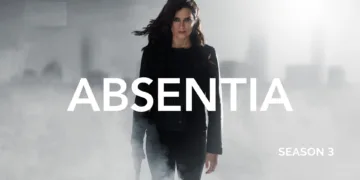


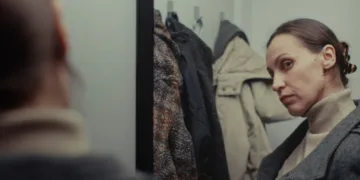


























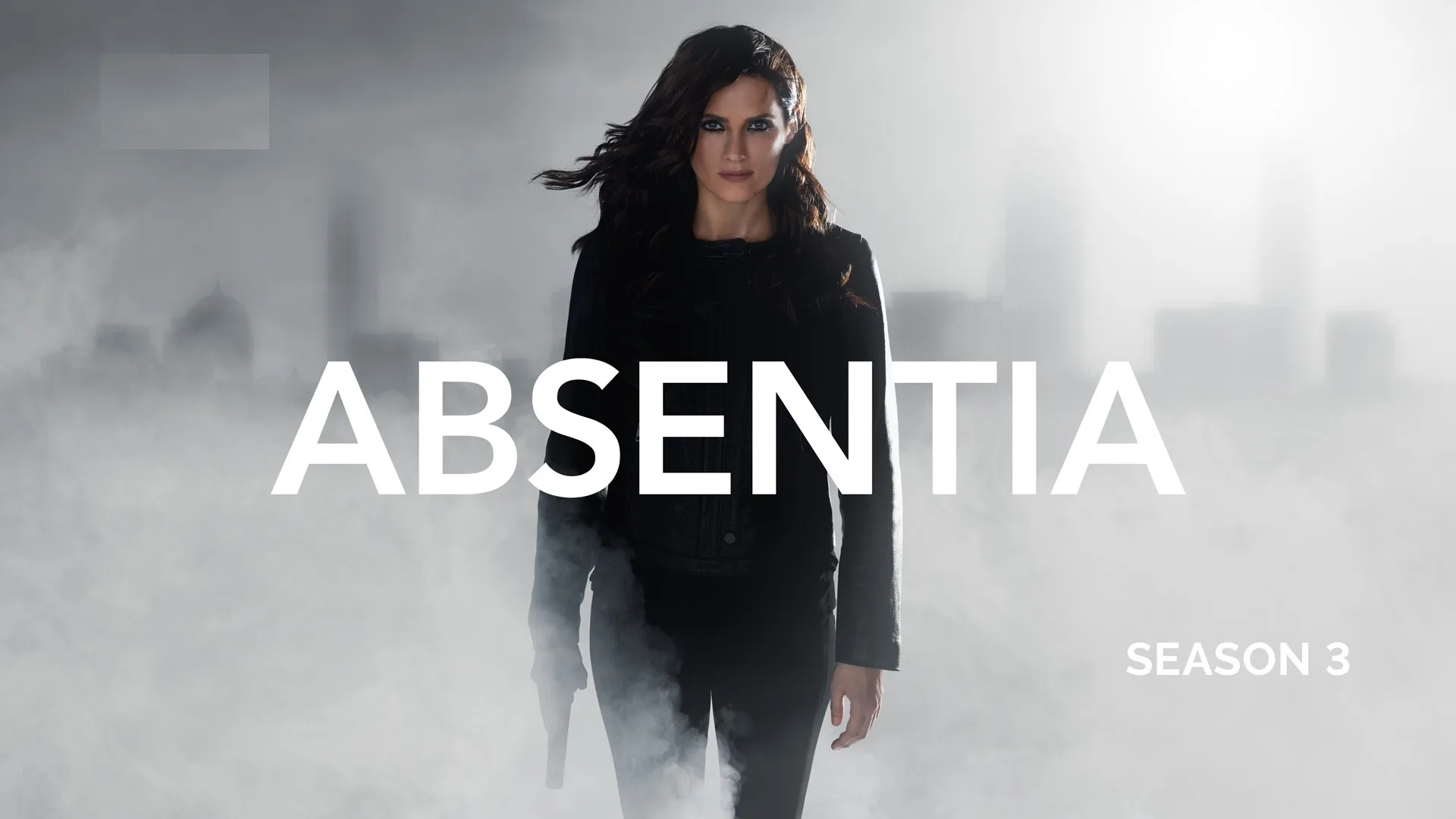

Is it possible for a crime thriller to reach a meditative state? Absentia Season 3 responds with a loud, messy “no.” This season fixes its gaze on the spectacular misery of former FBI Special Agent Emily Byrne (Stana Katic), whose life plays like a permanent high-speed crash with global conspiracies. After six years of abduction, she returned to a life thoroughly dismantled: a new wife in her place, a son who barely knows which mother to trust, and a lingering threat of being framed for murder.
The series treats trauma as part of the job description rather than a hurdle to clear. Season 3 opens with Emily trying to broker a fragile truce at home. She lives under the same roof as her ex-husband, Nick (Patrick Heusinger), purely to share custody of their son, Flynn (Patrick McAuley). A psychological evaluation has effectively pushed her out of the FBI, so she sits on the sidelines in theory. In practice, that retirement lasts about as long as the first ad break. In Absentia, the past prefers to kick down the door instead of staying buried.
A Blank Slate Marked in Global Conspiracy
Season 3 wastes no time shifting from personal trauma to an international emergency. The premiere, titled “Tabula Rasa,” nods toward the idea of a blank slate. Emily never gets one. Her slate comes pre-etched with scars, and every new decision comes filtered through those marks. The fresh crisis erupts when Nick’s internal investigation into a local organ-harvesting ring detonates in spectacular fashion.
He is viciously attacked and abducted right out of their home. For Emily, this feels less like a twist and more like a horribly familiar summons. The incident drags her straight back into vigilantism and off-the-books detective work, even as her mental state still hangs together by stubborn will.
That kickoff widens the series in a striking way. Earlier seasons zeroed in on conspiracies wrapped around Emily herself. Season 3 shifts from intimate pathology to a sprawling, global sickness. The story races from missing organs to a high-level international scheme built on organ sales, drug development, and a possible virus. The stakes leap from the survival of the Byrne family to the safety of countless unnamed victims. The season leans into a darker tone and a broader scale, presenting a worldwide network powered by greed and profit that gives the show a distinctly uneasy cultural relevance.
The 10-episode run keeps a breakneck pace. Emily and the audience rarely get a clean breath. The narrative runs on high-octane energy that constantly presses against the limits of plausibility, asking viewers to go all in on suspension of disbelief. It feels obvious that a former agent, even one as resourceful as Emily, would never realistically pull off the unauthorized operations she performs here. Her infiltration tricks and getaway tactics sometimes cross into absurd territory, with moments that echo Mission: Impossible set pieces.
For a crime thriller, that level of exaggeration occasionally softens the impact of the tension. Several major twists arrive with clear advance warning, which dulls some reveals. Even with those flaws, the story threads move quickly, and the constant motion keeps the viewer engaged even when the outcome becomes easy to predict. The season pits a steady drumbeat of evil, greed, and torture against fragile forces of family, love, and a stubborn sense of righteousness, giving the series its emotional pulse.
The Architecture of Trauma: Character Study
The core strength of Absentia remains Stana Katic’s fierce and finely tuned performance as Emily. Katic plays her as sharp, relentless, and allergic to nonsense. She gives the show a center of gravity, shaping Emily into the sort of flawed, formidable lead the genre relies on. Her relentless survival instinct turns into the series’ guiding idea.

Emily’s post-traumatic psychology powers nearly every choice she makes. Her paranoia and PTSD feel like logical responses to everything she has endured. The writing leans into the long-term weight of her past, showing how that history shapes each decision instead of fading into backstory. Small slips, including her reliance on alcohol to manage stress, arrive as blunt reminders of the turmoil still raging inside her. With that background in mind, the fact that she can allow her son out of her sight at all signals a remarkable level of control.
The family relationships form a knot that never fully loosens. The strictly platonic arrangement she shares with Nick creates an inherently strange environment for Flynn. He has lived through the loss of one mother, the arrival of another, the loss of that second mother, and the return of the first. It is a pattern no child could easily process.
Tension grows further through secrets that sit like unexploded devices: Flynn does not know about his late stepmother Alice’s deep duplicity. The audience, however, knows that Emily’s brother, Jack (Neil Jackson), had an affair with Alice. Those facts sit in the background, ready to detonate, and the domestic stakes rise to meet the international ones.
Nick operates as the steady FBI presence who keeps getting pulled into the storm that follows Emily. He frames her rogue actions within a professional context, even as he struggles with the chaos she attracts. Among the supporting characters, Julianne Gunnarsen (Natasha Little) stands out for a different reason: her position as Nick’s supervisor after she killed his wife feels like a bizarre bureaucratic choice the show deliberately leaves hanging. That unresolved issue feeds Emily’s suspicion, which reads as entirely rational.
Cal Isaac (Matthew Le Nevez) arrives as a possible ally, though his limited early screen time keeps his true loyalties unclear. Flynn’s quieter coping tools, including his connection to water, provide a gentle psychological counterpoint to Emily’s own deep fear of water after enduring extended torture that weaponized it against her.
Production: Darker Visual Grammar and Action Fidelity
Season 3 leans into a tone that feels heavier and more psychologically dense than earlier runs. The cinematography and locations work together to maintain an atmosphere of constant danger. The visual language leans on heavy shadows and a washed-out palette that mirrors Emily’s interior storm. Action scenes, including the gripping fight in the premiere and the brutal home invasion, stay coherent and sharply staged, serving story and character instead of playing like isolated spectacle.

The show regularly edges close to extreme implausibility in its stunt work, yet the pace and intensity keep the episodes propulsive. Stana Katic proves herself as a convincing action lead, handling punishing physical scenes and emotional breakdowns that keep the series believable on a character level even when the plot flirts with excess.
The season gains real strength from the work of writers such as Katrina Cabrera Ortega and directors such as Kasia Adamik. The script builds on the history already formed, deepening relationships under stress and treating themes of trauma and poor choices with appropriate weight. A noticeable shift appears in casting choices: more female actors occupy supporting roles that once defaulted to men, including the skilled hacker Kai. That change feels like a quiet but pointed update to a genre long shaped by male-centered narratives.
The technical execution feels polished. The writing draws on the accumulated impact of the previous seasons, which gives this run a sharp sense of urgency and layered texture. By this point, the show feels like it has locked in a cohesive identity.
The Lasting Urgency and Open Doors
Absentia Season 3 stands as a gripping entry in the serialized action and crime space. The show delivers consistently strong episodes and shows clear confidence with its characters and audience. The season expands the intensity and international scale while keeping Emily’s specific inner war in clear focus.

A strong air of finality hangs over this stretch of episodes. The main plot barrels forward with an “all at costs” attitude that signals an intention to bring Emily’s saga to a full stop. If the series ends here, this run serves as a powerful capstone to her story. At the same time, the final beats play with expectation, leaving a door cracked open for a possible Season 4 that would shift the narrative in a fresh direction and hint at a new phase for the show.
Absentia Season 3 leaves a clear imprint, reminding viewers how magnetic a damaged, determined heroine can be when her survival never feels guaranteed. After so many conspiracies, near drownings, and bruised reunions, does Emily Byrne finally earn a stretch of peace, or will the next stamp in her passport signal one more near-death escape waiting around the corner?
Absentia Season 3 centers on former FBI Special Agent Emily Byrne as she attempts to reclaim her life after a devastating six-year abduction, only to be drawn into a new, complex international conspiracy. The third season, consisting of 10 episodes, premiered exclusively on Amazon Prime Video on July 17, 2020. The series has since found a new audience streaming on Netflix in multiple regions, including the US, as of November 2025. It is a relentlessly paced thriller that follows Emily’s struggle to protect her family from a high-stakes global crime syndicate while navigating her own psychological trauma and uncertain professional future.
Full Credits
Title: Absentia Season 3
Distributor: Amazon Prime Video
Release date: July 17, 2020
Rating: TV-MA
Running time: Approximately 40–46 minutes per episode (10 episodes)
Director: Oded Ruskin, Adam Sanderson, Kasia Adamik, Greg Zglinski
Writers: Katrina Cabrera Ortega, Will Pascoe, Brendan Kelly, Matt Cirulnick, Gaia Violo
Producers and Executive Producers: Stana Katic, Oded Ruskin, Matt Cirulnick, Julie Glucksman, Maria Feldman, Tamir Kfir, Will Pascoe, Kasia Adamik, Sanford Golden, Karen Wyscarver
Cast: Stana Katic, Patrick Heusinger, Matthew Le Nevez, Neil Jackson, Natasha Little, Patrick McAuley, Paul Freeman, Geoff Bell, Josette Simon, Cara Theobold
Director of Photography (Cinematographer): Ivan Vatsov
Editors: Jonathan Eagan, Richard E. Gagliano, David Kaldor, Jamie Marshall
Composer: Nami Melumad
The Review
Absentia Season 3
Season 3 delivers a complete, high-octane thriller that pivots from personal anguish to a global conspiracy without losing its focus on Emily's trauma. Though it demands a significant suspension of disbelief, the fierce performance by Stana Katic and the unrelenting pace make this a compelling, satisfying conclusion to a dark journey.
PROS
- Relentless, high-octane pacing makes it extremely bingeable.
- Stana Katic's electric and determined central performance.
- Successfully expands the threat to a global conspiracy with high stakes.
- Effective use of trauma history to drive complex character decisions.
CONS
- Requires significant suspension of disbelief for Emily's rogue actions.
- Certain plot twists can feel predictable or signposted.
- Some supporting character dynamics, like Nick and Gunnarsen, strain credibility.
- The narrative is relentlessly dark and intense, offering little emotional reprieve.