

























![Kingdom Hearts Collection [I-III] Review](https://gazettely.com/wp-content/uploads/2026/10/Kingdom-Hearts-Collection-I-III-1-360x180.webp "Kingdom Hearts Collection [I-III] Review: KHII Holds Steady as Newer Entries Fluctuate 37")



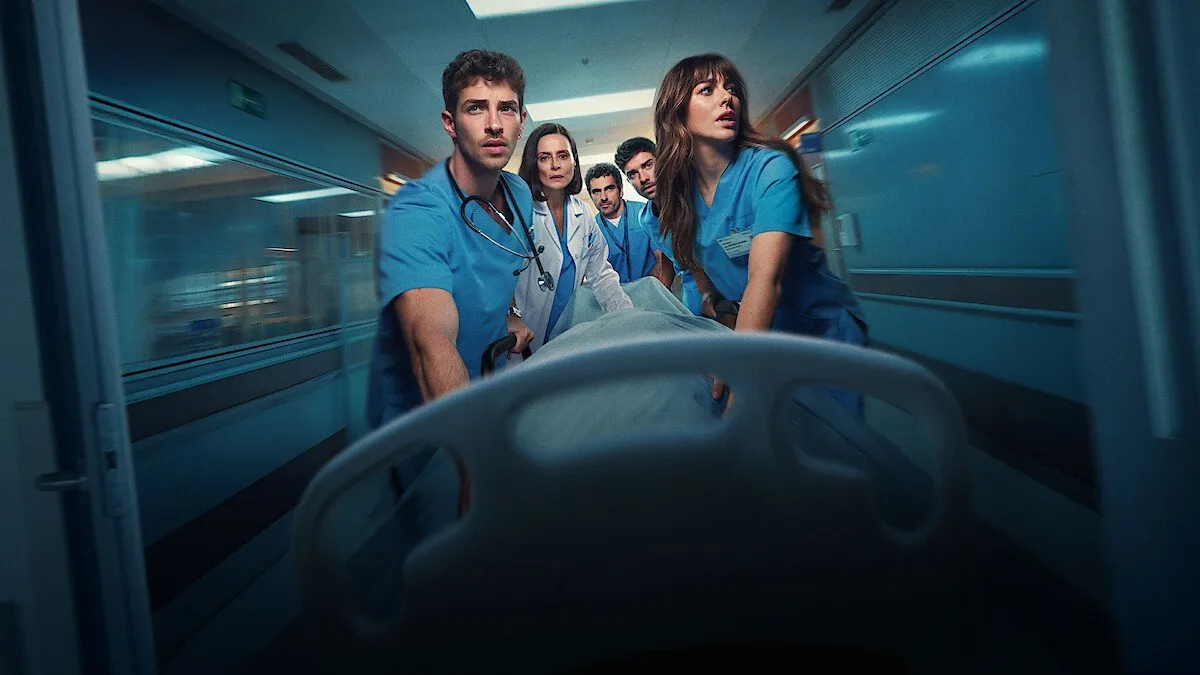

The first image is sharp and private: a physician who survived a near-fatal scare slips more pills into her regimen while her vigilant, career-driven boyfriend sleeps beside her. The gesture establishes the mood for Breathless Season 2, released as Respira. The story returns to Joaquin Sorolla Hospital, a place defined less by routine medicine and more by nonstop personal turmoil and political strife.
The season starts at the edge of the previous finale and immediately sets a fresh maze of consequences for the ensemble. The identity holds firm: a Spanish hospital drama that runs hot, fast, and volatile. Emergency cases collide with combustible relationships, and the specter of incoming institutional reform frames every decision.
The looming push to privatise the hospital shapes the field of play for each arc. Familiar figures return, including Najwa Nimri’s commanding Patricia Segura, Blanca Suárez’s resilient Jésica Donoso, and Manu Ríos’s sincere Biel de Felipe, with Rachel Lascar arriving as Dr. Sophie Lafont. Every thread tightens around rising pressure: private choices, entrenched rivalries, and a public fight over the future of the institution.
Political Bloodletting and Institutional Rot
Sorolla Hospital faces an immediate plan for conversion into a private operation. That transformation is tied to the standing of Patricia Segura, the sitting president of the hospital. She confronts a severe cancer diagnosis while running for re-election and undergoing aggressive treatment.
The writing places Patricia’s illness at the center of the campaign, a vulnerability and a lever, and it underscores her will to keep authority over what the hospital becomes. The struggle against privatisation plays out in two arenas that never separate: ballots and medical intervention.
A new manager, Nicolas, ushers corporate priorities into clinical corridors. His charm offensive arrives with language about revamps and savings, and the effect is swift: ethical tension with senior staff. Dr. Moa becomes the clearest voice of resistance, calling out the special favors tethered to Patricia’s care and the misuse of hospital resources.
The price for that stance is professional. The conflict grows hotter with the entrance of Dr. Sophie Lafont, a high-profile oncologist brought in by Nicolas. Sophie sets herself opposite Moa from the start and stakes her reputation on experimental research. She secures funding for her own trial by tying it to Patricia’s prognosis, and she takes Moa’s seat at the head of oncology. The ambition lands with precision and without sentiment.
Emotional Scars and Fractured Families
The season traces the aftershocks of trauma and folds in tangled family lives. Jésica charts a path of rehabilitation that mixes bodily repair with psychological strain. She steps into the role of Chief of Surgery and carries new authority, yet her recovery drags against hallucinations and a growing reliance on painkillers.
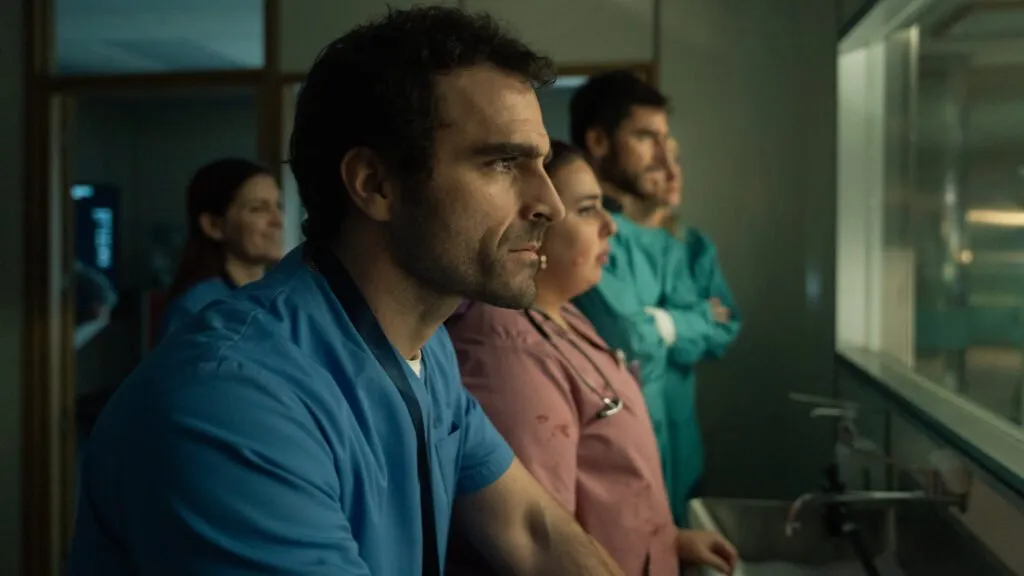
Her romantic history sharpens the pressure. Lluis offers steadiness, Biel returns as a past love, and their ambitions intersect with Jésica’s wounds. The triangle carries heat because hospital hierarchy and private longing become one continuous space.
Biel’s personal life breaks open when Nicolas turns up as the absent father. The reunion registers as cool and guarded. Old injuries linger, and the argument over family responsibility plays out under fluorescent lights and staff schedules. The private grievance becomes part of the workplace power map.
Parenthood receives another angle through Pilar. She faces professional responsibilities while managing the crisis of her son Oscar’s manic episode and his new bipolar diagnosis. Oscar tries to stabilize and stumbles over a relationship with Quique, and that bond puts sobriety in direct conflict with attachment.
By comparison, the plotline about Rocio and May’s custody dispute, paired with Rocio’s earlier addiction, does not grow to its potential. The premise carries weight, yet the sheer density around it thins the impact. Dr. Moa stands by his ethics and pays for it. His refusal to ignore favoritism around Patricia’s care leads to a fall from position, and he searches for a path that lets him practice medicine with clean hands.
Narrative Velocity and Thematic Overload
The production keeps its signature tempo and hard-edged look. Cuts arrive quickly, alarms pierce the mix, and rooms feel like pressure cookers. The editing propels the viewer from crisis to crisis, and scenes rarely rest. Speed becomes a double-edged instrument. The pace flattens the echo of major turns, including the aftermath of an unexpected accident involving Nicolas, and the emotional charge that should stick slides away before it settles.

The season stacks realistic medical complications beside loud personal drama. Cases such as Dr. Murillo’s neglect of a patient and Jésica’s post-operative liver issues provide procedural grit. When the melodrama swings too wide or lands with awkward timing, it chips at a sturdy surface made of sleek camerawork and crisp staging of urgent care.
The thematic field grows crowded. Privatisation, burnout, substance dependence, and professional ethics all demand attention. The spread feels ambitious, yet some branches lack full shape. Rocio’s steps toward recovery lose definition, and Sophie’s presence fades without a fully articulated resolution. Threads begin with force and then thin out inside the rush.
Gravitas and Emotional Distance
The cast grounds the sprawl. Najwa Nimri plays Patricia with magnetic command and gives the illness arc weight without softening the character’s authority. Manu Ríos shapes Biel with contained intensity, and the scenes between son and father carry quiet heat. Blanca Suárez holds Jésica’s pain with clarity and keeps the character credible while the script recalibrates her path.

Privatisation provides a clear skeleton for the season. The stakes expand beyond isolated emergencies to an argument over who holds resources and who decides their use. The parent-child stories add a human axis that fits the hospital setting. Unfinished business remains.
Patricia’s clinical outcome hangs in the air, and Sophie’s exit lacks definition. Loose ends pile up. The pace amplifies urgency and, at the same time, creates distance. Breathless delivers a tense medical thriller that keeps its grip, and the series trades precision in narrative shape for an almost continuous surge of crisis.
Breathless (or Respira) is a high-stakes Spanish hospital drama created by Carlos Montero. The second season premiered globally on Netflix on October 31, 2025. The series is set in the fictional Joaquín Sorolla Hospital and continues to follow the dedicated medical staff as they navigate intense personal conflicts and professional crises. The central storyline for Season 2 focuses on the hospital’s contentious transition from a public institution to a privately-run one, challenging the staff’s ethical principles while they deal with life-and-death cases. The season runs for eight episodes, each approximately 51 minutes in length, and is available to stream exclusively on Netflix.
Credits
Title: Breathless Season 2 (Original Spanish title: Respira)
Distributor: Netflix
Release date: October 31, 2025 (Global Premiere)
Rating: TV-MA
Running time: Approximately 51 minutes per episode (8 episodes)
Director: David Pinillos, Marta Font Pascual
Writers: Carlos Montero (Creator), Carlos Ruano, Pablo Paiz, Guillermo Escribano
Producers and Executive Producers: Carlos Montero (Creator/Executive Producer)
Cast: Najwa Nimri, Aitana Sánchez-Gijón, Blanca Suárez, Manu Ríos, Borja Luna, Alfonso Bassave, Rachel Lascar, Pablo Alborán, Abril Zamora, Xoán Fórneas, Ana Rayo, Blanca Martínez
The Review
Breathless Season 2
This high-velocity drama is defined by its constant forward motion, which is both its greatest asset and its primary flaw. Breathless Season 2 delivers an intense, engaging medical thriller fueled by excellent cast performances, particularly Najwa Nimri's nuanced portrayal of a powerful leader battling a private illness. However, the sheer volume of personal crises and institutional subplots overcrowds the narrative, leaving key emotional arcs underdeveloped and the finale feeling more frustratingly incomplete than compellingly suspenseful. The show remains a stylish, familiar ride, but it sacrifices focus for maximum melodrama.
PROS
- High-energy, relentless pacing makes the series intensely watchable.
- Strong core performances, especially from Najwa Nimri and Manu Ríos.
- The political theme of hospital privatisation provides significant, relevant institutional stakes.
- Slick production value and visceral depiction of medical emergencies.
- Introduction of complex parent-child dynamics adds depth beyond standard hospital soap opera tropes.
CONS
- Pacing is often too quick, leading to emotional detachment from major events.
- Narrative is overcrowded with numerous underdeveloped and conflicting subplots.
- Key character arcs (Sophie Lafont, Rocio’s recovery) are introduced and then left dangling.
- Melodrama occasionally feels over-the-top and diminishes subtler character moments.
- The season ends inconclusively, substituting genuine curiosity with narrative frustration.







