

























![Kingdom Hearts Collection [I-III] Review](https://gazettely.com/wp-content/uploads/2026/10/Kingdom-Hearts-Collection-I-III-1-360x180.webp "Kingdom Hearts Collection [I-III] Review: KHII Holds Steady as Newer Entries Fluctuate 37")



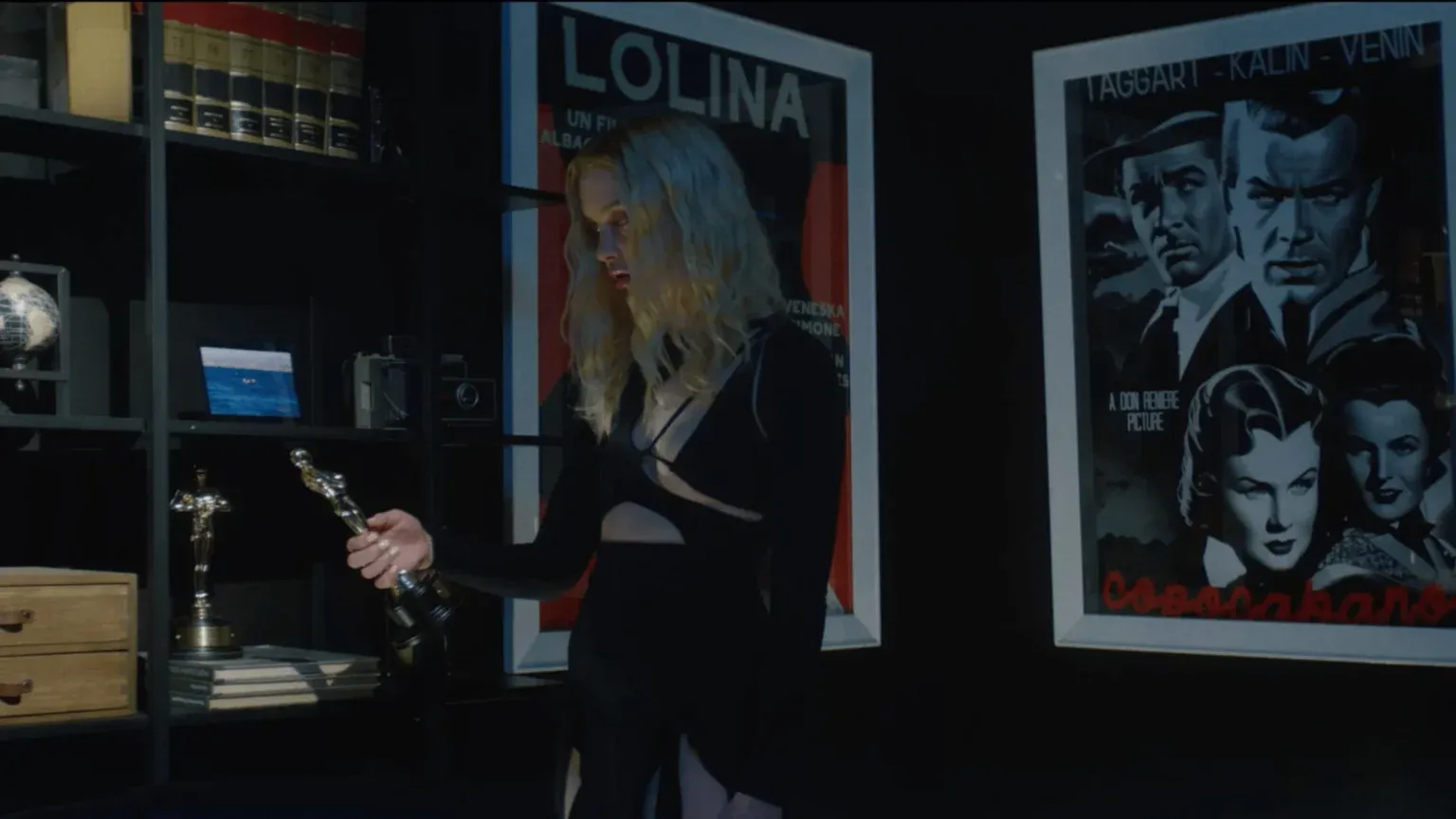

Don’t Trip, the feature debut from writer/director Alex Kugelman, comes out of a crowdfunded, low-budget process and treats that limitation as an excuse to try out sharp tonal pivots. It settles into a dark comedy and horror-thriller mix, framed inside the cutthroat Los Angeles filmmaking scene. The story follows Dev (Matthew Sato), a screenwriter trying to gain entry after being embarrassingly fired for attempting to sell his spec script on his own.
His frustration and ambition lead him toward a risky tactic: he decides to get close to Trip (Will Sennett), the volatile son of powerful producer Scott Lefkowitz (Fred Melamed). Dev reads Trip as an entry point to Hollywood decision-making, a person whose proximity could secure a greenlight with a single call.
The tension of the film sits in Dev’s deliberately performative loyalty to Trip, and in the way the city’s glittering surface reflects none of his urgency. Kugelman introduces this world with a tone that stays intimate and jittery, mirroring Dev’s hustling energy against a city that barely recognizes him.
Power Dynamics in the Tinseltown System
The plot begins as a sharp Hollywood satire that studies how access and talent rarely sit on the same side of the table. That satirical impulse feels rooted in an American tradition of stories about the industry eating its own, with Sunset Boulevard (1950) as a clear reference point, here filtered through a scrappier, modern, lo-fi sensibility. The structure keeps shifting.

It moves from corporate and creative satire into a strange, drug-fueled male bond, and then leans into a thriller-styled finish. This constant reshaping creates range but also makes the film read in episodes, trading cohesion for thematic reach. Through Dev’s arc, the film keeps returning to one idea: ambition in a sealed-off system asks for tradeoffs, and the person who wants in must decide how much of himself he will stage for the gatekeepers.
The title works on several levels, pointing to drug use and to the need to avoid being pulled into Trip’s pull. Kugelman uses this central relationship to study how a newcomer interprets power, particularly power that is inherited, careless and unearned. Dialogue is sharp, frequently irreverent, and uninterested in industry politeness. The final third finds a firmer line, leans into genre, and lands on an ending that sticks, with Dev looking straight into the camera.
The Irresistible Force of Chaos
Will Sennett carries the film’s emotional weight as Trip. The performance is full and purposefully erratic, giving the film the charge it needs. He plays Trip as damaged, entitled and magnetic, an archetypal Hollywood heir who can charm, bully and unsettle in the same scene. His psychological games with Dev, shifting between warmth and control, give the narrative its momentum.
That toxic pairing makes the film’s darker comedy feel rooted in sadness rather than pure mockery. Matthew Sato, as Dev, begins from a more contained place, which works for a character built on guarded cynicism, and he loosens as the film pushes him into action.
Dev can be hard to fully read at times, but once the performances open up in the second half the central relationship moves with more clarity. Fred Melamed appears briefly as Scott Lefkowitz and gives the part an authority the film benefits from, especially in the final confrontation. Monica (Olivia Rouyre), Dev’s girlfriend, is less developed. The performance is steady, though the relationship reads mostly as a functional counterpoint to Trip instead of a fully felt emotional bond.
Indie Style and Aesthetic Flaws
Don’t Trip signals the drive of independent filmmakers who want to make a feature and find a way to put what is in their heads on screen. Kugelman’s direction shows a clear plan and a willingness to experiment with rhythm and tone. For a low-budget debut, the film often looks and sounds better than expected, with confident sequences and smart use of certain Los Angeles spaces.
There is an affection for retro touches, including a moody score and a delayed main title sequence that nods toward self-aware thrillers. The tight budget is still visible. Some audio feels rough, a few scenes move at an awkward pace, and the film uses lo-fi choices like stock footage to place the viewer in Los Angeles. The genre work lands unevenly.
The comedy, mostly built from quick, witty exchanges, works often. The horror material that arrives late feels softer and does not fully match the tone shift the film reaches for, which leaves a hazy line between post-ironic humor and real suspense. The project has energy and a defined vision, yet the independence from studio control does not always translate into bolder stylistic or thematic risk.
Don’t Trip is a 2025 dark comedy and horror-thriller feature film that premiered exclusively on the streaming platform Tubi on November 7, 2025. The movie follows Dev, a young, struggling screenwriter, who gets fired from his assistant job. Desperate to sell his script, Dev hatches a risky plan to befriend Trip, the troubled “nepo-baby” son of a powerful Hollywood producer. However, when the entitled son discovers Dev’s true intentions, the situation spirals into chaos and violence. The film was written, directed, and produced by Alex Kugelman.
Credits
Title: Don’t Trip
Distributor: Tubi, Buffalo 8
Release date: November 7, 2025
Rating: TV-MA
Running time: 1 hour 36 minutes (96 minutes)
Director: Alex Kugelman
Writers: Alex Kugelman
Producers and Executive Producers: Alex Kugelman, Trevor Rothman
Cast: Will Sennett, Matthew Sato, Olivia Rouyre, Fred Melamed, Pell James, Chloe Cherry
The Review
Don’t Trip
Don't Trip is a demanding yet rewarding independent debut defined by its ambitious, scattershot structure. Director Alex Kugelman throws a satirical dart at Hollywood's toxic hierarchy, resulting in a film that is often witty and thematically rich. The narrative shifts are jarring, but they build to a compelling, if ambiguous, conclusion. Will Sennett’s unpredictable performance anchors the chaos, embodying the privileged idiocy that Dev seeks to exploit. While technically raw and tonally inconsistent, the film offers a promising, sharp commentary that makes it worthwhile.
PROS
- Will Sennett delivers a compelling, intense performance as Trip.
- The dialogue and satire targeting Hollywood nepotism are sharp and witty.
- The film displays ambitious genre-blending and thematic complexity.
- The final act is strong, confident, and offers a successful payoff.
- The visual style is professional for an independent, crowdfunded debut.
CONS
- The narrative structure is uneven, with jarring shifts between satire, comedy, and thriller.
- Technical imperfections include occasional audio issues and visible rough edges in the production.
- The attempted horror elements are weak and unconvincing.
- The protagonist, Dev, is often difficult to fully grasp, and his relationship with Monica is underdeveloped.