











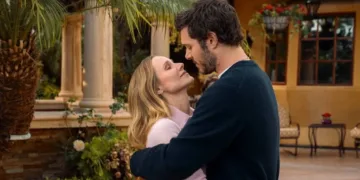











Director Elie Semaan’s Groom & Two Brides opens with the lacquered surface of a high-concept Romantic Comedy. Adam (Abdullah Boushehri) enters as a man trying to manage his own contradictions, secretly engaged to two women. Yasmine (Laila Abdallah), the composed and ambitious daughter of his employer, signals a life organized by status and aspiration.
Sama (Lulwa Al Mulla), a past love with impulsive heat, carries the charge of memory and risk. The setup promises bright chaos and audacious disguise. The tone starts airy, a quickstep that sells mischief. Under that fizz sits an attempted graft of heavier material, a plot that steers the vehicle into a moral haze of secrets and slippery half truths. The first problem is simple. Adam races to keep two worlds separate. The energy feels sustainable. For a while.
Narrative Velocity and the Chaos of Repetition
Momentum defines the opening stretch. The first forty minutes maintain a clipped rhythm, laying out Adam’s absurd bind with clean cause and effect. Early comic beats work because they stay contained, almost gentle, a portrait of people making trouble for themselves through small acts of appeasement.
Then the film loses courage. Levity gives way to a knotted design that slows the pulse. Structure loosens. The earlier speed softens into an uneven second half. The core mechanism, Adam juggling two fiancées, repeats without fresh escalation. The cycle drains laughter instead of sharpening it. Tonal shifts compound the fatigue.
Scenes jump from crisp slapstick to earnest life lessons, a swing that reads like editorial doubt rather than purposeful counterpoint. Extra subplots crowd the frame and thin the triangle that matters, stretching the last hour until it feels overstuffed. The effect resembles a farce that stares too long at its own wreckage and then hesitates to face the quiet sorrow inside it.
The Gilded Cage: Cinematography and Character Dynamics
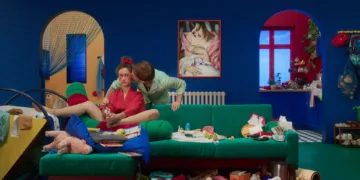
Groom & Two Brides looks sumptuous. A saturated palette and cheerful locations create a festival of surface pleasure. Wedding sequences arrive with exacting, lavish staging, the image polished to a magazine gloss. That brightness works as critique.

The gold glints while the ethics rust. The framing occasionally turns expressionistic. Adam appears wedged between vivid planes of light, the set dressing closing in until the space feels like a cage with mirrors. Shot scale and placement favor symmetry that tightens around him. The choreography of bodies and décor presses him into corners he designed for himself.
Lighting amplifies the theme. Overexposed shine meets compromised choices. The score during the climactic fiesta keeps spirits high, a buoyant track that supports the swirl of motion and masks the cost underneath. Performances hold the attention even as the script wavers. Laila Abdallah plays Yasmine with bright composure and nerve.
Lulwa Al Mulla gives Sama quiet gravity, the emotional ballast of the film. The pair sketch two clear modes of desire and self presentation, practical poise and impulsive fire. The script restricts their growth, keeping arcs short to extend Adam’s confusion. The result lands like a visual feast arranged around a center that refuses to mature.
The Ambiguity of Commitment and Emotional Debt
The film courts ethical gray zones. It studies the habit of self deception that lets one man perform two roles for two partners. Honesty, love’s complexity, and the masks people choose all sit on the table. The concept holds. Execution falters. Pressure never builds to a sustained test of will. The direction keeps releasing tension before it bites. Empathy thins because the squeeze never tightens.
The tone aims for depth and play in the same frame, yet the scenes rarely fuse these aims with conviction. A dry note here: truth does prefer fewer calendars. When revelation arrives, it feels expected rather than earned. The treatment of emotional debt moves quickly.
The final movement resolves with tidy speed. Adam and Yasmine unite. Sama departs. The finish reads like a rush toward a scheduled endpoint. Consequences receive acknowledgment without the weight of time. The closing ambiguity invites interpretation, which has value, yet the path leading there lacks the necessary stress to make that openness sting.
Genre echoes hover at the edges. The moral fog hints at noir psychology even inside romantic comedy architecture. Expressionistic framings support this mood, images that push Adam into bright traps he helped arrange. The audience experience follows the math of suspense. Repetition without variation lowers anticipation.
Pacing slackens once the film stops inventing cover stories and starts circling them. Sound works on perception by keeping spirits buoyant while choices sour, a cheerful cue against an anxious mind. The psychology is simple. Laughter needs surprise. Pressure needs time. The film cracks both valves.
The piece remains handsome, frequently witty, and intermittently sharp about performance. It also stands as a study in how polish can expose fissures. The camera arranges a beautiful prison. The script keeps the door half open. A few steps forward. A turn back to the mirror. Then a smile that hopes no one noticed.
Groom & Two Brides is a Kuwait-set Arabic romantic comedy that premiered globally on Netflix on November 7, 2025. Directed by Elie Semaan, the film follows Adam (Abdullah Boushehri), a man who finds himself secretly engaged to two different women: his boss’s daughter, Yasmine, and his former love, Sama. The film, which comes from the creators of the successful rom-com Honeymoonish, explores the resulting love triangle with a blend of humor, lies, and emotional chaos.
Credits
Title: Groom & Two Brides
Distributor: Netflix
Release date: November 7, 2025
Rating: PG-13
Running time: Feature-length film
Director: Elie Semaan
Writers: Eyad Saleh, Ramy Ali
Producers and Executive Producers: Jamal Sannan
Cast: Abdullah Boushehri, Laila Abdallah, Lulwa Al Mulla, Hamad Ashkanani, Sara Abi Kanaan
The Review
Groom & Two Brides
Groom & Two Brides is a visually arresting, high-gloss production that buckles under its own structural ambition. It starts strong, promising a sharp comedy of errors, but the narrative quickly loses focus, becoming uneven and tonally fractured. While the lead performances maintain interest, the film sacrifices character depth to prolong the protagonist's frustrating deceit. The conclusion is rushed and too convenient. We are left with an aesthetically polished film that, philosophically, is structurally incomplete.
PROS
- Engaging performances from the lead cast.
- Striking visuals and vivid cinematography.
- Lavish set design and successful initial comedic setup.
- Effective technical polish and festive score.
CONS
- Uneven pacing, especially in the overlong second half.
- Inconsistent tone; jarring shifts between farce and serious drama.
- Repetition of the central joke diminishes the humor.
- Female character arcs feel underdeveloped or truncated.
- The final resolution is rushed and unearned.