




























Aoife Kelleher’s documentary, Testimony, offers a clear examination of a long national trauma in Ireland. The film traces the history of the Magdalene Laundries and Mother and Baby Homes, state-sanctioned, Catholic-run institutions where thousands of vulnerable women and children endured cruelty and incarceration. Kelleher keeps her attention on the decades-long fight led by survivors and the Justice for Magdalenes (JFM) advocacy group.
Their campaign has sought to compel the Irish government to acknowledge its role in these abuses and accept responsibility for them. Powered by raw, measured accounts from women who lived through the institutions, the documentary carries a defiant charge.
It stands as an urgent cinematic record that restores voice to people kept silent for decades, pushing Ireland to face what was done in its name. While rooted in Irish history, the film speaks to wider patterns of church-state authority and social shame that many countries recognize in their own pasts.
The Cultural Weight of First-Hand Accounts
The film’s greatest strength sits in its emotional core: survivor testimony delivered with precision and restraint. These first-hand interviews move past a standard documentary rhythm and operate as cultural memory and forensic evidence at once. The women recount forced unpaid labor, systemic cruelty, and incarceration for “transgressions” such as pregnancy outside marriage.
Their stories outline an era of normalized inhumanity, marked by cooperation among society, the state, and the church in stripping women of freedom and dignity. The documentary reveals the chilling practice of legal trafficking of infants, taken from mothers and sold to families overseas.
One detail lands with particular force: a nun throwing back a mother’s hand-knitted baby clothes moments before removing her child. Kelleher treats each account as testimony in the fullest sense, inviting the audience to grasp the human cost of state secrecy and institutional power. The women’s trauma gives the narrative its moral gravity, and their calm insistence on truth becomes a form of cultural resistance.
Narratives of Accountability and State Evasion
Testimony charts the political and legal struggle against government avoidance with care and momentum. The campaign is carried by figures like human rights lawyer Maeve O’Rourke and the founders of JFM. O’Rourke’s disciplined legal strategy, shaped through her academic work, provides a framework for the fight. For years the state maintained it had no case to answer, sustaining a long phase of resistance.

Pressure from outside Ireland, including scrutiny from the UN, helped force movement, leading the government to commission official reports such as the investigation into the Laundries. Yet survivors were often subjected to hostile cross-examinations in these proceedings, a process that re-opened wounds while officials sought to narrow responsibility.
Bureaucratic stonewalling comes into sharp view as the government remains silent on the full scale of the Mother and Baby Homes’ abuses even alongside overwhelming physical evidence, including mass graves. The film condenses this institutional posture into a devastating line attributed to state thinking: “Women’s testimony has no evidential value.”
The JFM campaign’s achievements, including a formal apology and financial compensation for some survivors, register as meaningful steps toward truth. The documentary also makes plain that dignity for all survivors remains unfinished work.
Intimate Style and Global Context
Kelleher approaches the material with intimacy and restraint, a method refined through her earlier documentary work. The visual style fits the urgency of the story, relying on close-focus interviews that keep survivors’ presence and dignity in the foreground. The effect is emotionally affecting and unsettling, an essential watch that records suffering alongside survival.
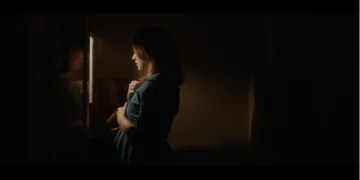
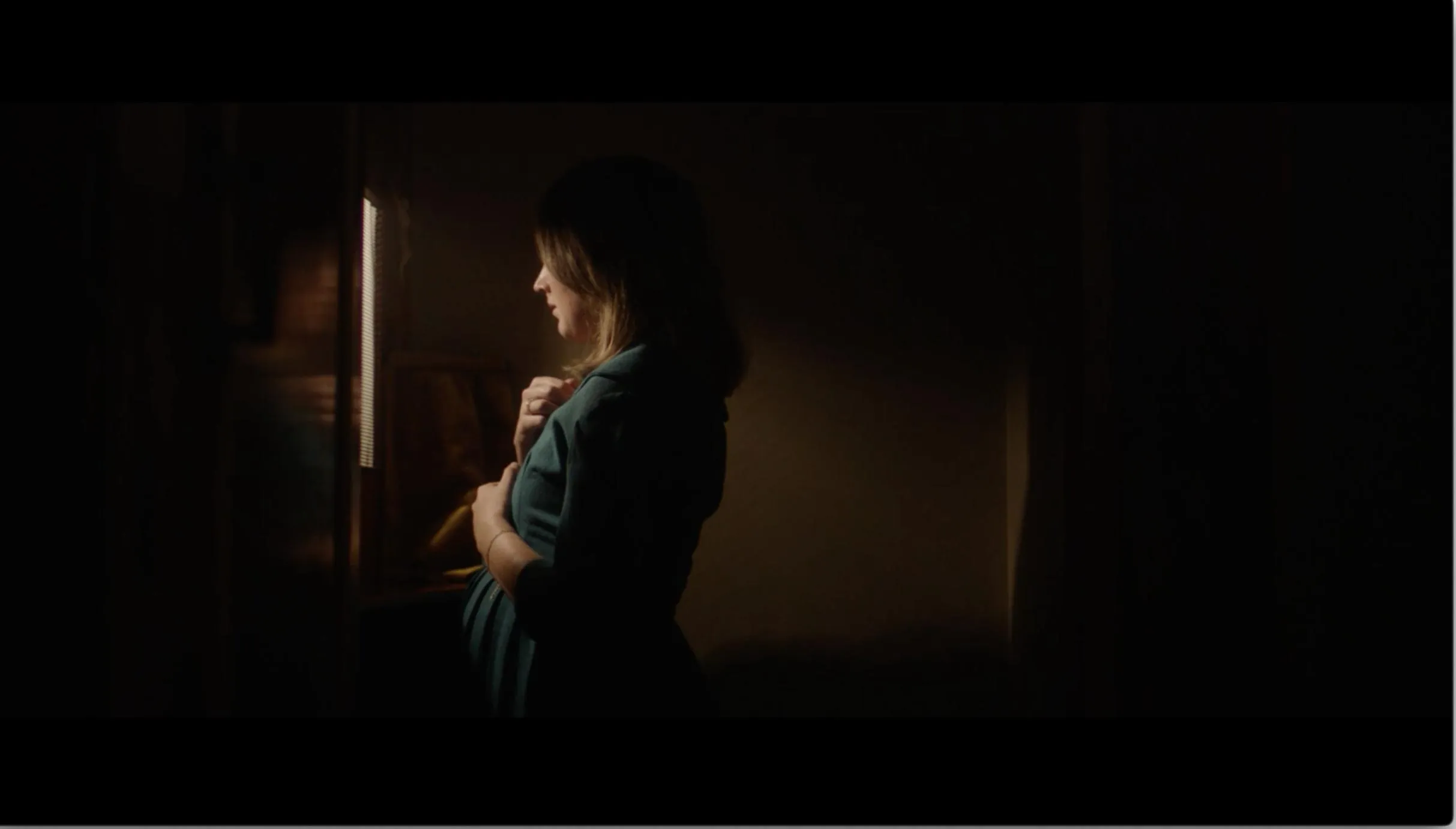
Kelleher folds personal accounts into archival footage, including the white-hot fury of survivor Michael O’Brien’s televised address, a moment that helped ignite Maeve O’Rourke’s commitment. Imelda Staunton’s narration adds steadiness and weight to the through-line of the film. A few stylistic touches, such as slow-motion re-enactments and dense closing credits, interrupt the flow for brief stretches, yet the documentary’s narrative force holds firm.
The final sequence brings the struggle into public space: survivors are honored at a special lunch and greeted by cheering crowds in Dublin. The scene carries a mix of joy and ache, capturing a shift toward national recognition and solidarity. In that moment, the women appear as long-overdue national heroes, and the film leaves their status unmistakable in Ireland’s cultural memory.
Testimony is a hard-hitting documentary that chronicles the decades-long campaign by survivors and the Justice for Magdalenes (JFM) advocacy group to hold the Irish government accountable for the abuses committed in the Magdalene Laundries and Mother and Baby Homes. Directed by Aoife Kelleher and narrated by Imelda Staunton, the film premiered at the Dublin International Film Festival in 2025 and received a UK theatrical release on November 21, 2025. It serves as a powerful record of state-sanctioned cruelty, including forced labor, sexual abuse, and the trafficking of children. The documentary is expected to find its broad audience through a streaming service or broadcaster following its cinema run.
Full Credits
Title: Testimony
Distributor: Underground Films (International Sales), BFI, Screen Ireland, UK cinema release via distributor (TBC, often self-distributed for limited runs), future streaming/broadcasting platform (TBC)
Release date: November 21, 2025 (UK Theatrical Release), Premiered at Dublin International Film Festival (2025)
Running time: 1h 45m
Director: Aoife Kelleher
Producers and Executive Producers: Farah Abushwesha, Rachel Lysaght
Cast: Imelda Staunton (Narrator), Maeve O’Rourke, Philomena Lee, Michael O’Brien, survivors of Magdalene Laundries and Mother and Baby Homes
Director of Photography (Cinematographer): Eleanor Bowman
Editors: Emer Reynolds
The Review
Testimony
Testimony is an uncompromising, vital documentary that successfully transforms historical trauma into an active fight for justice. Director Aoife Kelleher ensures the dignity and measured clarity of the survivors' accounts remain the central focus. The film exposes the long-term, devastating consequences of systemic abuse and bureaucratic evasion within Irish history. It is a cinematic call for truth and accountability, concluding with a necessary, emotional moment of public honor for those who fought for decades against silence. This powerful work is essential viewing for anyone seeking to understand the intersection of social history and human rights law.
PROS
- Powerful, measured first-hand survivor accounts are the film’s core evidence.
- Clearly details the political and legal fight for accountability.
- Exposes the full scale of abuses, including human trafficking and mass graves.
- Maintains a respectful, dignified focus on the campaigners and survivors.
CONS
- Subject matter is intensely difficult and unsettling to watch.
- Minor stylistic choices (e.g., slow-motion re-enactments) slightly detract from the documentary's power.
- The information drop in the closing credits is too dense for easy absorption by the average viewer.