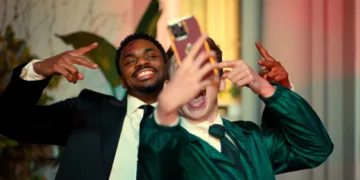











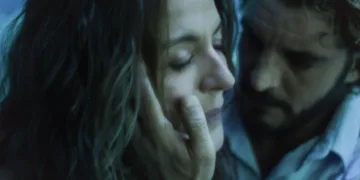
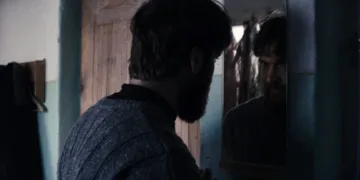









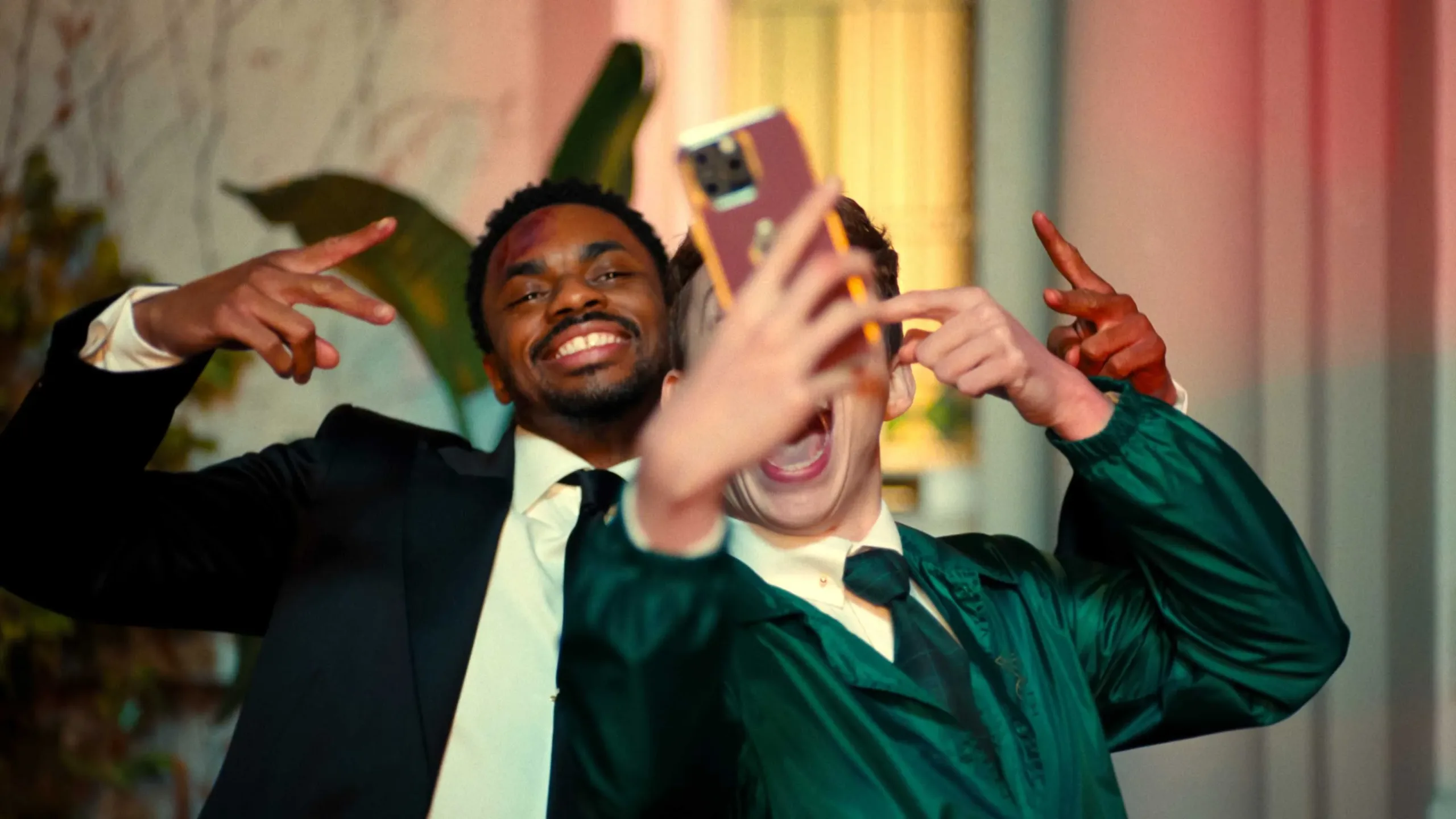

Vince Staples works from a clear vantage point that carries across his music, interviews, and television. The self-titled series frames an alternate-universe Vince inside an absurd, satirical slice-of-life set in Long Beach, CA. The hook comes from a surreal tone that pairs everyday mishaps with dream logic. Viewers who enjoy the prickly social awkwardness of Curb Your Enthusiasm will recognize the comic rhythm, while the show’s surreal tilt nods to the elastic reality of Atlanta.
Season 2 steps back into that groove right away. The flavor remains familiar, yet the temperature drops at once, and the first images hint at heavier weather. The new run signals a reach for greater depth with a mood that turns darker and more severe. I watched the premiere with the same curiosity I bring to a late-night jazz set, tracking how shifts in tempo change the room.
Editing choices keep scenes clipped and conversational, then bend into sudden strangeness. The result treats everyday Los Angeles as a cultural document where small talk, street corners, and local rituals carry history. Season 2 stays funny, but the comedy now sits beside unease, and that tension shapes how the show reads our current moment.
The Darker Current: Horror and Intergenerational Wounds
Season 2 leans into a darker, angrier register and introduces a pronounced horror streak. This marks a clear tonal evolution. Where Season 1 used lightness to expose serious subjects like racial profiling, the new episodes plant both feet in fear and recognizable genre language. Early on, Vince starts seeing the ghost of his recently deceased Uncle James.
The season later turns to a gas station scenario that flirts with cannibal horror and then to a classic haunted house setup that corrals the characters inside a space built for dread. These chapters borrow slasher and road trip cues, yet they keep rerouting expected beats, which keeps the punchlines and the shivers alive in the same scene.
Comedy stays present, and the show now reads like a horror thriller and a sitcom working in tandem. The most persistent hauntings come from inside the family line. The series frames intergenerational wounds as the specter that lingers, and the pressure of walking behind an elder’s path becomes its own quiet terror. I grew up loving midnight creature features, and the season taps that feeling, then ties it to grief and responsibility. That pairing gives the scares real weight.
A Cohesive Nightmare: Narrative Shifts and Biting Satire
This installment brings a tighter throughline than the first season’s mostly episodic approach. The plot traces the aftermath of Uncle James’s death, with James played by Beau Billingslea. The season reshapes the show into a family saga that studies the ties between Vince, his mother Anita, played by Vanessa Bell Calloway, and his estranged sister, Bri, played by Naté Jones. Genre-bending episodes peel back resentment inside the mother-son and mother-daughter bonds and plant the wildest moments inside emotional reality.

The series uses these turns to deliver sharp satire about race in America and the idea of Black excellence. A standout thread follows Vince’s induction into the Black Icon Guild, an eerie, all-white cult run by “Massa” that claims to honor Black celebrities. The piece echoes the racial commentary of Get Out and the social sting of Sorry to Bother You.
Self-referential humor snaps into place too, including a wry meta-joke about the timing of the second season’s arrival. I have a soft spot for stories that feel like a shared lucid dream, where absurdity tracks with lived experience, and Season 2 hits that register. The incidents reach for the wild, and the observations read as true.
Performance, Sound, and Execution
Vince Staples anchors the show with an easy, deadpan touch that steadies even the strangest setups. Vanessa Bell Calloway gives Anita a precise edge that shapes the core relationship and keeps scenes balanced. The soundtrack carries a curated feel that fits Staples’s background in music. The cues move with a light swing and sit comfortably under the series’ signature vibe. From a craft angle, some mechanics feel looser than Season 1.
The writing holds a high bar, yet a few sequences stretch longer than the joke can bear, and several gags repeat past their sweet spot. The finale caps the run with a sudden detour into high-octane action. Vince briefly shifts into a gun-toting John Wick mode, and the set piece tilts the series away from its usual grounded surrealism. As someone who keeps playlists of score cues for late work sessions, I enjoyed how the music smooths those pivots, even when the editing lets a moment linger. The show’s personality stays intact, and the formal risks make the season feel like a live set testing fresh material.
The Vince Staples Show is a satirical comedy series loosely inspired by the life of rapper Vince Staples, who also stars as a fictionalized version of himself navigating the absurdities of life in Long Beach, CA. The second season, which consists of six episodes, premiered exclusively on Netflix on November 6, 2025. Season 2 follows Vince as he attempts to find peace in the wake of a tragic family death, which forces him onto a chaotic road trip with his mother and sister. The series is celebrated for its blend of deadpan humor, surreal storytelling, and sharp cultural commentary, with episodes running approximately 20 to 27 minutes.
Credits
Title: The Vince Staples Show Season 2
Distributor: Netflix
Release date: November 6, 2025
Rating: TV-MA
Running time: Approx. 20-27 minutes per episode (6 episodes)
Director: William Stefan Smith, Ben Younger, Calmatic (for Season 1 episodes; Season 2 episode directors may vary but William Stefan Smith is a key director)
Writers: Vince Staples, Ian Edelman, Maurice Williams, Amy Hubbs, Crystal Jenkins, Winter Coleman, Jeffrey Patneaude
Producers and Executive Producers: Vince Staples, Kenya Barris, Corey Smyth, William Stefan Smith, Andrea Sperling, Leonard Chang, Ian Edelman, Maurice Williams
Cast: Vince Staples, Vanessa Bell Calloway, Naté Jones, Andrea Ellsworth, Watts Homie Quan, Deanna Reed-Foster, Beau Billingslea, Patrick Walker
Director of Photography (Cinematographer): Isiah Donté Lee, Ayinde Anderson, Alan Gwizdowski
Editors: Paul Swain, AJ Van Zyl, James Brill (Finishing Editor)
The Review
The Vince Staples Show Season 2
The Vince Staples Show Season 2 is an ambitious, necessary evolution of the show’s original vision. It successfully transitions the core surreal comedy into a darker, more cohesive family saga, embracing horror tropes to deepen its social satire on Black excellence and intergenerational conflict. The brilliance of Vince Staples's deadpan performance and Vanessa Bell Calloway's scene-stealing presence keeps the series essential viewing, even if the narrative is occasionally less disciplined than the first season. It remains one of the sharpest, most inventive shows currently airing.
PROS
- Successfully shifts to a darker, angrier tone.
- Sharp satire on race in America and fame.
- Inventive blend of surreal comedy and horror/thriller tropes.
- Phenomenal performances from Vince Staples and Vanessa Bell Calloway.
- Cohesive narrative structure anchored by the family saga.
CONS
- Overall execution is slightly less "tight" than Season 1.
- Some moments feel occasionally dragged out.
- Gags are sometimes run into the ground.
- The high-octane action in the finale feels ungrounded and abrupt.
- Excellent soundtrack perfectly complements the show’s vibe.