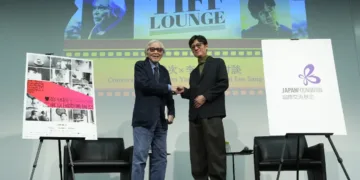



























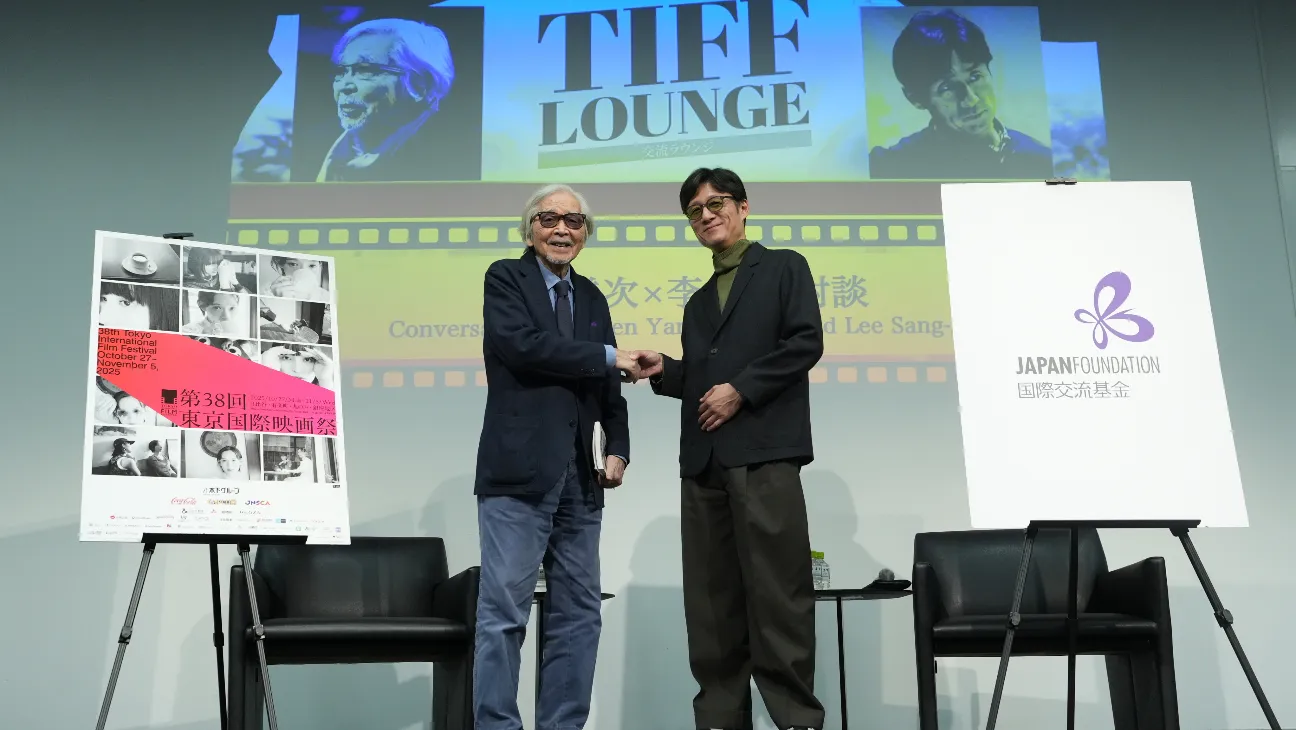

Japanese filmmakers Yoji Yamada and Lee Sang-il used a public conversation at the Tokyo International Film Festival to reflect on craft and industry headwinds, with Yamada urging stronger state support for filmmaking and better conditions for crews and young directors. The exchange, held as Yamada receives a lifetime honor at the festival, framed a generational dialogue: Yamada, whose career spans postwar humanist dramas, emphasized cinema’s social value, while Lee weighed the pressures of raising budgets and reaching audiences at home and abroad.
Their remarks arrived amid an animation-powered market surge that continues to reshape Japan’s screen economy. New data shows the anime sector hit a record roughly $25 billion in 2024, driven by overseas licensing and theatrical hits, reinforcing a split in which animation expands while much live-action depends on domestic TV tie-ins or modest arthouse runs. The recent dominance of anime franchises at the local box office underscores the point, with titles such as the latest Demon Slayer installment setting historic benchmarks.
Festival organizers positioned the Yamada–Lee talk as part of a wider effort to connect Japanese creators with global partners and new buyers. Industry sessions highlighted co-production pathways and the appetite among international distributors for Japanese IP, including ambitions by major studios to scale live-action adaptations of manga and anime beyond a handful of proven brands. The push reflects a strategic bet that carefully packaged Japanese stories, backed by experienced partners and festival exposure, can travel farther in cinemas and streaming.
Inside the festival, concerns about distribution and theatrical fragility were voiced openly, with leaders arguing that festivals are increasingly crucial as discovery platforms while domestic pipelines for mid-budget live-action remain constrained. Against that backdrop, Yamada’s call for policy attention resonated: advocates point to training, safety standards, and grants as levers to stabilize a workforce strained by long hours and uneven financing. The conversation captured an industry balancing international momentum in animation with the need to shore up live-action infrastructure, a tension playing out on Japan’s biggest cinema stage this week.