


















María Zanetti’s Alemania sinks into the dusty, analog pulse of late-1990s Argentina. Sixteen-year-old Lola moves through a life shaped by middling grades and a quiet ache for something else. She sits in the wide middle of the classroom pack, failing Civics and German, and she clings to a student exchange program in Dresden with a kind of stubborn precision. That German destination becomes her private compass.
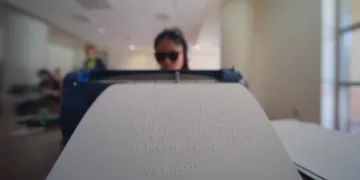
A planned escape route from the familiar. Lola shares the fantasy with her friend Tati, picturing Europe as open ground where a still-forming sense of self can take shape without the weight of old expectations. Days pass with a steadier rhythm: work in a print shop, driving lessons with her father, the small ceremonies of a household watching its money.
These routines fix her in a specific socioeconomic frame, even as her imagination keeps reaching past it. The film keeps rebellion out of the foreground and searches for pressure in smaller spaces, in the scrape between Lola’s contained world and her need for a wider horizon. She treats failure like raw material, something she can convert into a ticket out. The world barely notices. Lola feels every gram of it.
The Gravity of a Fractured House
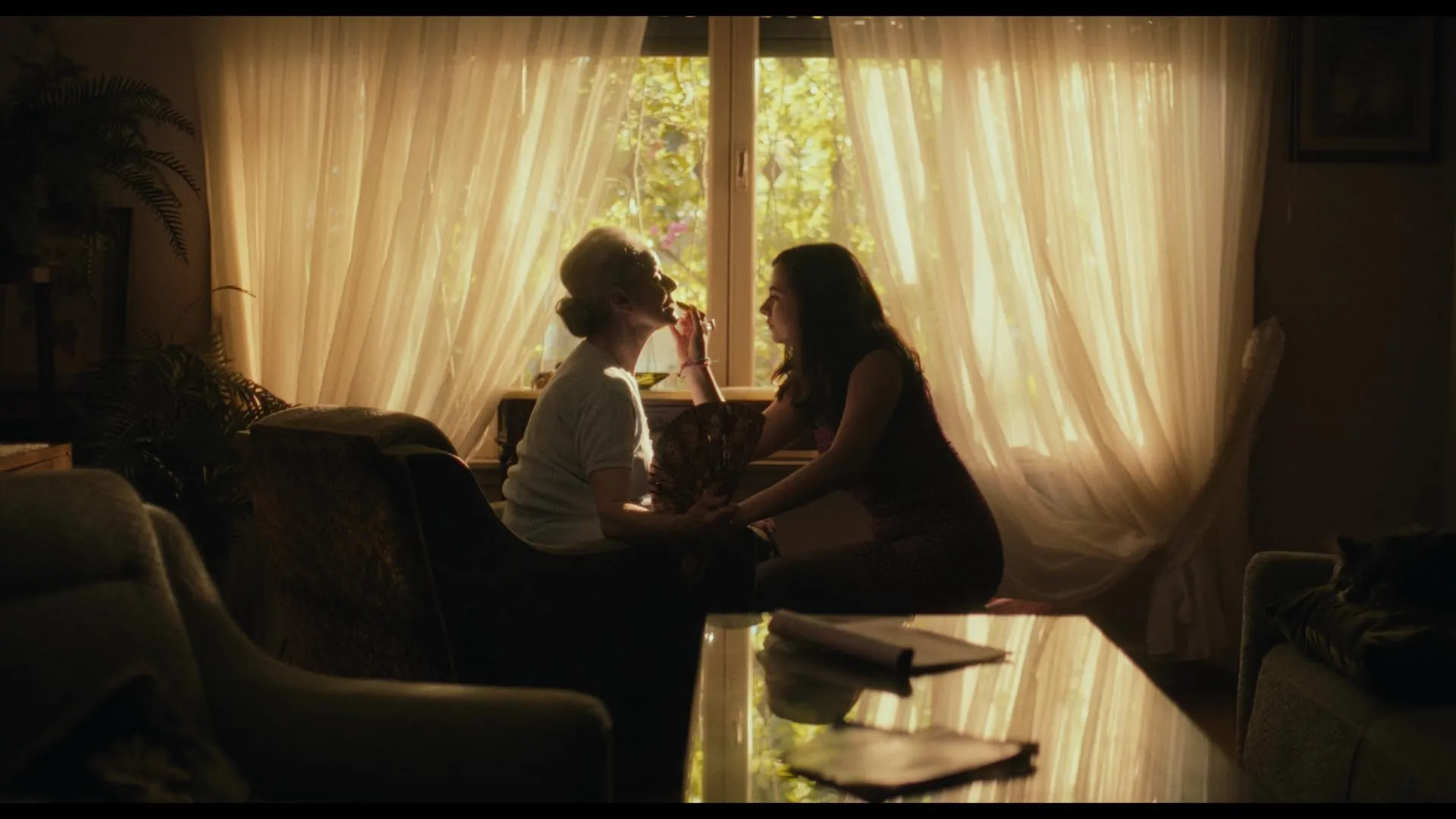
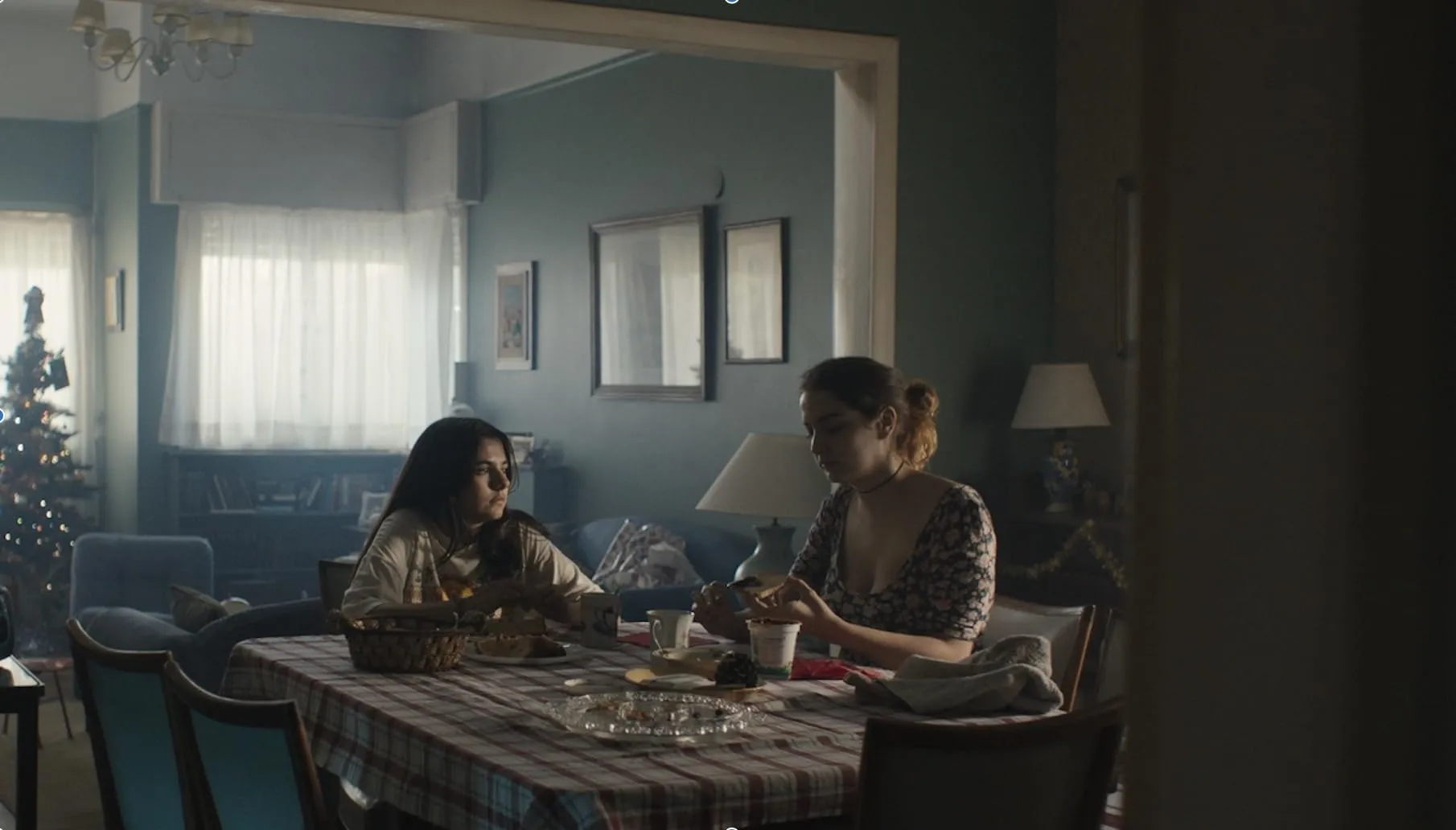
The home operates like a sealed system orbiting a single, volatile sun. Lola’s older sister Julieta lives with precarious mental health, and her manic episodes set the family’s emotional tempo and its spending. The parents strain under an economic downturn, managing a father’s job loss, and quietly selling the family house while performing stability for the children. Lola, the middle child, gets drafted into premature adulthood. She becomes a second set of hands, a secondary caregiver, and a steady witness to the slow fatigue that settles into domestic life.
Zanetti’s script presses into the ethical gray zone of loyalty inside a family. Lola’s future starts to feel like something owed, a debt measured in attention, sleep, and sacrifice. Julieta consumes the available light, and everyone else rearranges themselves around the flare.
The grandmother serves as a blunt philosophical anchor, offering the kind of line that cuts through sentiment in one stroke: love cannot solve a mind on fire. The caretaking story loses its soft edges. Responsibility turns heavy. The household begins to play like a psychological thriller staged in daylight, with the monster wearing the face of chemical imbalance. No mask required.
Close-Ups and Analog Ghosts
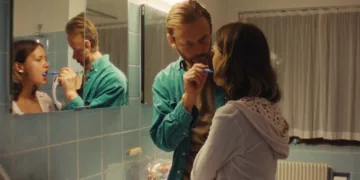
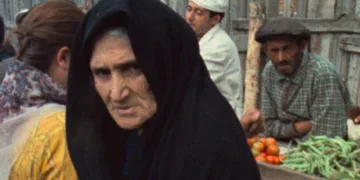
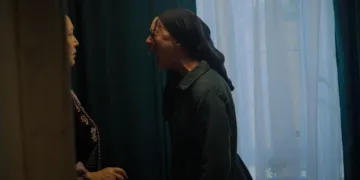
Zanetti builds intimacy through a visual language that stitches memory to cinema. The camera stays restless and uncomfortably close to faces, living in pores and micro-expressions, refusing the safety of distance. Close framing forces a bodily connection to what the characters cannot say. It also flirts with noir’s old habits, the way classic thrillers trap a person inside their own interior weather. Here, the expressionism comes from proximity and pressure, not theatrical set pieces.
The pre-digital period becomes a practical engine for the story. Walkmans and cassette tapes act as emotional conduits, carrying shared feeling with a physicality that matters in this world. The absence of cell phones keeps characters inside shared silence. Space cannot be escaped through a glowing screen. Proximity tightens the screws.
Pacing follows the slow drift of lived time, lingering on the texture of a meal, the hush of a drive, the long seconds when nothing resolves. The 1990s arrive with careful attention to fashion and the particular grime of the era, a reconstruction that stays grounded rather than chasing nostalgia for its own sake. The past becomes a lens for autonomy, for the hard work of claiming room in a life already crowded.
Handheld camerawork injects nervous energy into domestic scenes. Calm feels provisional. Peace keeps a short lease. The camera knows it, and it keeps moving, as if motion can ward off the next crack in the wall. (It cannot, but points for effort.)
The Architecture of Resignation
Maite Aguilar plays Lola with profound subtlety. Her face, luminous and watchful, tracks a gradual shift: a girl shaped by other people’s whims becomes a young woman reaching for agency. She carries a quiet resignation that rings true for a teenager accustomed to being missed in the family ledger of attention. The performance never begs for sympathy. It accumulates meaning through restraint, through the small adjustments of posture and gaze when a child learns that endurance has a cost.
Miranda de la Serna’s Julieta moves with terrifying fluidity. She captures the peril of a “good day” that can sour in a heartbeat, the way hope can become another trap when the ground keeps changing. The supporting cast supplies the weight that keeps the film from tipping into melodrama. The parents embody a weary stability, faces marked by constant vigilance, by the labor of holding a household together while it slips. Their interactions expose the messy reality of family love: affection bound to pressure, tenderness yoked to sacrifice.
Lola’s evolution arrives without fanfare. It takes the form of slow recognition, a private recalibration, the understanding that her life belongs to her even while pain saturates her surroundings. The performances stay away from theatrical flourishes and settle into a lived-in weariness. What remains is a family held by genuine care and pinned by circumstance, lit by devotion, scorched by obligation.
Alemania is a poignant Argentine-Spanish coming-of-age drama that premiered at the San Sebastián International Film Festival on September 22, 2023, and later saw a theatrical release in Spain in February 2024. As of today, December 29, 2025, the film is available for streaming on platforms such as SBS On Demand in Australia and Max (formerly HBO Max) in various international territories. The story captures the delicate transition into adulthood against the backdrop of the late 1990s, focusing on a teenager’s yearning for independence while her family navigates the complexities of mental illness.
Full Credits
Title: Alemania
Distributor: Meikincine Entertainment, HBO Max, SBS On Demand
Release date: September 22, 2023
Rating: 12 (Spain), M (Australia)
Running time: 87 minutes
Director: María Zanetti
Writers: María Zanetti
Producers and Executive Producers: José Esteban Alenda, Juan Pablo Miller, César Esteban Alenda
Cast: Maite Aguilar, Miranda de la Serna, María Ucedo, Walter Jakob, Vicky Peña, Andy Pruss, Gala Gutman, Oliverio Beccaria Hermida
Director of Photography (Cinematographer): Agustín Barrutia
Editors: Sebastián Schjaer
Composer: Sergio De La Puente
The Review
Alemania
Alemania is a sophisticated exploration of the friction between individual desire and familial duty. María Zanetti rejects easy sentimentality, choosing instead to examine the heavy toll of mental illness through an intimate, analog lens. The film succeeds by treating Lola’s quiet yearning with the same gravity as her sister’s volatile episodes. It captures the specific ache of a teenager realizing that growth often requires a painful departure from those we love. This is a grounded, deeply felt work that finds universal truth in the particularities of a fractured home.
PROS
- Authentic, understated performances, especially from Maite Aguilar.
- Evocative 1990s production design that avoids shallow nostalgia.
- Intimate cinematography that creates a profound emotional proximity.
- Nuanced handling of mental health and its impact on the family unit.
CONS
- The deliberate, slow pacing might feel aimless to some viewers.
- The narrative arc follows familiar coming-of-age tropes.