




















Palestinian American filmmaker Cherien Dabis has received the Variety International Vanguard Director Award at the Red Sea International Film Festival, a prize that spotlights directors reshaping global cinema. The honor was presented in Jeddah shortly after the festival’s screening of her latest feature, All That’s Left of You, which follows a Palestinian family across three generations of displacement and resistance.
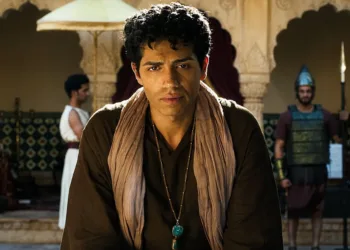
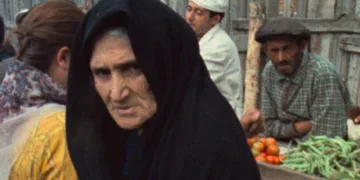
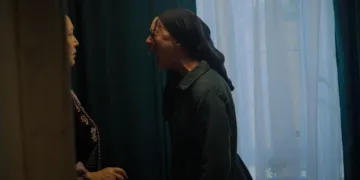
The drama, written, directed and produced by Dabis, moves from pre-1948 Jaffa through the Nakba and into the present day, tracing how one family’s losses and choices echo through time. The ensemble includes Saleh Bakri, Adam Bakri, Mohammad Bakri, Maria Zreik and Dabis herself, with a structure that shifts between past and present as a mother recounts the family’s history to her teenage son.
All That’s Left of You premiered at Sundance in January and has since toured festivals, picked up distribution and been selected as Jordan’s submission for the 2026 international feature Oscar race. The film now arrives at Red Sea at a moment of heightened attention on Palestinian work and intense scrutiny of how festivals and awards bodies respond to the ongoing war.
For Dabis, the award marks a return to a trade publication that named her one of its “10 Directors to Watch” in 2009, shortly after the success of her debut feature Amreeka. She described the recognition on social media as a “full circle moment,” linking her early career break to the current wave of interest in her new film.
Born in Omaha to Palestinian and Jordanian parents and raised between Ohio and the Middle East, Dabis has built a career that moves between independent features and prestige television. Amreeka and May in the Summer examined Arab and Arab American family life from opposite sides of the Atlantic, while her TV work includes The L Word, Ozark, Ramy and Only Murders in the Building, which earned her a historic Emmy nomination for directing.
In a recent interview, she described Palestinian storytelling as “a matter of survival,” arguing that cinema can record histories that official narratives erase. All That’s Left of You embodies that stance through meticulous period detail and a focus on one family’s emotional landscape rather than policy debates. As she receives fresh honors on the festival circuit and leads an Oscar campaign, Dabis positions her work as both personal expression and a sustained record of Palestinian experience across decades.