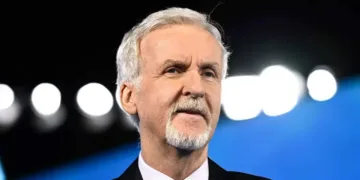



















James Cameron has sharpened his warnings about generative AI, calling the prospect of synthetic actors “horrifying” and arguing that the value of human-made cinema will grow as automation spreads. Promoting Avatar: Fire and Ash in an interview with CBS’ Sunday Morning, the director said new tools can now “make up an actor” and create a performance “from scratch with a text prompt,” a line he rejects outright.
Cameron stressed that he refuses to use AI-generated performers in his own films. He said he does not want “a computer doing what I pride myself on being able to do with actors” and described the actor–director exchange on set as the core of his work. Digital techniques in the Avatar series, he argued, still rest on real performances that drive the Na’vi characters beneath the visual effects.
Recent coverage of his remarks notes that Cameron sees a bright line between tools that assist artists and systems that erase them. He has suggested that as automation encroaches on creative work, human art will feel “more sacred,” because audiences will know real people shaped the choices on screen. An analysis in IBTimes added that he views generative AI as acceptable for speeding up visual-effects tasks or cutting costs, so long as writers and actors keep control of character and emotion.
The comments extend a stance he laid out earlier this year, when he told NME that “Gen AI is never going to take the place of human artists and actors,” and later described generative tools as a “Wild West” that must be regulated so they remain instruments rather than substitutes. Speaking to one trade outlet in August, he called confronting generative AI “the most important issue” facing movies and said the technology could shorten the four-year production cycles on Avatar sequels if handled carefully.
Cameron has also tied generative AI to his long-running fears about machine intelligence. He recently reiterated that AI “superintelligence” ranks alongside climate change and nuclear weapons as an existential threat and warned of a “Terminator-style apocalypse” if autonomous systems run weapons platforms. He has signalled that Fire and Ash, due in cinemas on 19 December, will echo those anxieties with an anti-AI thread in its story.
His stance lands in a volatile labor climate. The WGA and SAG-AFTRA strikes in 2023 secured contract language that restricts studios from using AI to replace writers or performers without consent and compensation, while SAG-AFTRA recently condemned the AI-generated actress “Tilly Norwood” as a threat to human livelihoods. Legal and academic commentators describe those agreements as early attempts to set ethical lines around synthetic performers, even as studios experiment with AI for dubbing, de-aging and background crowds.
Other prominent figures have echoed Cameron’s unease. At the Saturn Awards, Nicolas Cage argued that AI cannot express the human condition and warned that even subtle digital tampering can drain a performance of its emotional truth. Together, these voices frame a growing front of filmmakers and actors who embrace technical innovation yet insist that casting, character and performance remain human work.