


















![Kingdom Hearts Collection [I-III] Review](https://gazettely.com/wp-content/uploads/2026/10/Kingdom-Hearts-Collection-I-III-1-360x180.webp "Kingdom Hearts Collection [I-III] Review: KHII Holds Steady as Newer Entries Fluctuate 40")
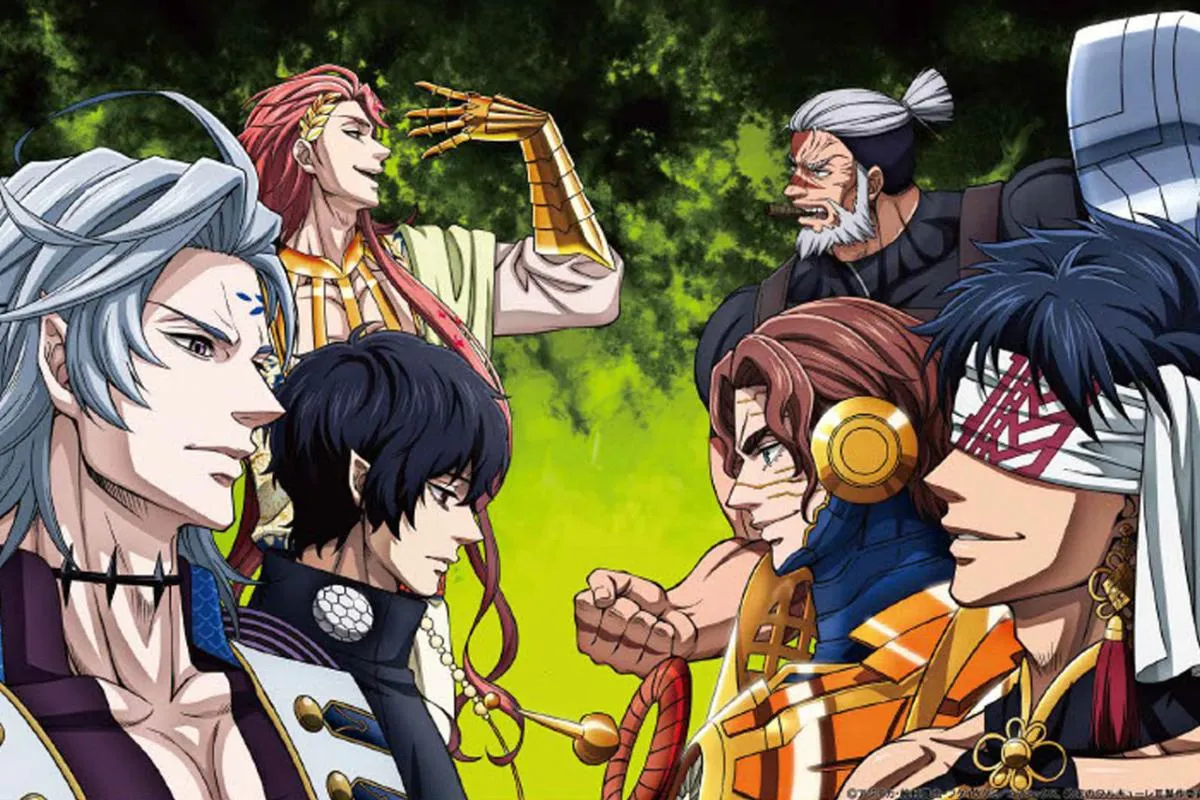

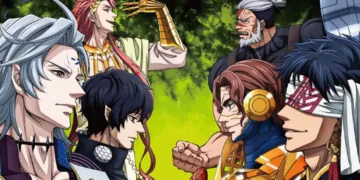
The intermission gives the audience a moment to breathe. Record of Ragnarok Season 3 removes that pause. The theater of the gods reopens with the scoreboard locked at 3-3, and the tension feels like the final stretch of a high-octane masala climax where hero and villain stand level. This third installment delivers fifteen episodes on Netflix, a runtime that lets the saga stretch without feeling rushed.
Production duties have moved to Yumeta Company and Maru Animation, and the change brings a new current of energy. The story covers Rounds 7, 8, and 9 of the tournament, where legends from human history and myth collide to decide humanity’s future. The stakes stay absolute. Extinction hangs over the arena like a guillotine blade. Season 3 skips the rulebook refresher and drops viewers straight into the ring’s violence and philosophy.
Visual Presentation and Animation Quality
Season 3’s visual language speaks with clearer intent than earlier entries. Fans who grew up on Indian action cinema will spot the shift fast. The older stiff, tableau-style staging gives way to motion that carries real drive. Combat flows with the feel of a tightly rehearsed dance number, where timing matters as much as force. Hits land with weight. Impact travels through the frame. Speed lines and impact frames shape a rhythm that keeps the eye moving from strike to counterstrike.
CGI is the obvious talking point. Nikola Tesla’s armor leans heavily on 3D modeling, and intricate mechanical designs tend to push studios toward digital solutions. The integration lands better than many viewers might expect. The 3D pieces sit alongside the 2D background art without tearing the image apart, functioning like a compatible layer that supports the action.
The effect brings to mind high-budget Tollywood spectacle, where practical texture and VFX coexist in service of a big-screen rush. The lighting work stands out. Electricity crackling around Tesla and the dark vibrations surrounding Beelzebub read cleanly against the arena’s backgrounds, giving each fighter a signature visual signature that carries through the chaos.
Character designs keep the sharp angles and heavy shading associated with the source material. Some dense manga detail gets simplified to improve movement, and the payoff appears during the fastest exchanges. A few flourishes land in ways earlier seasons rarely managed.
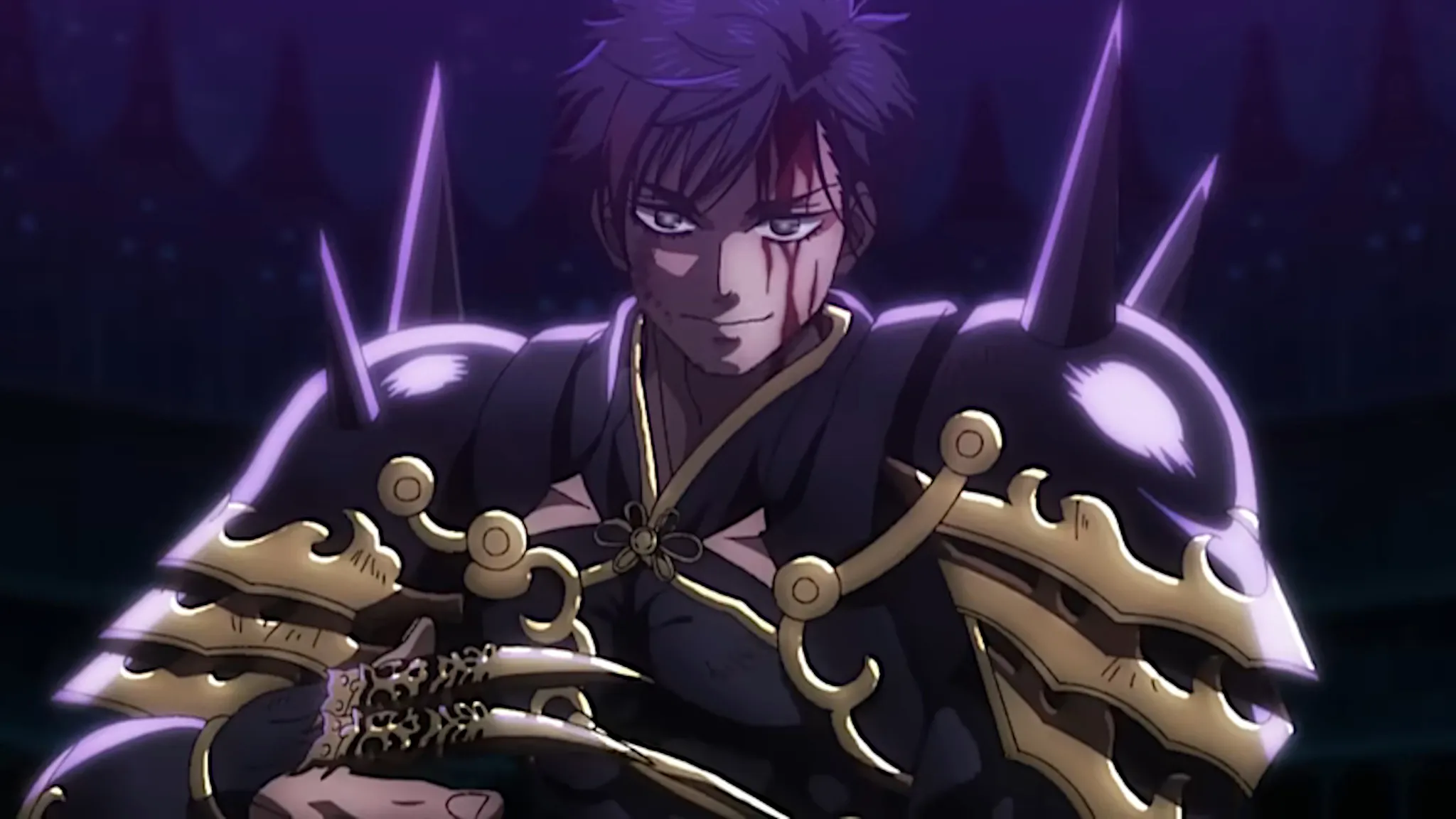
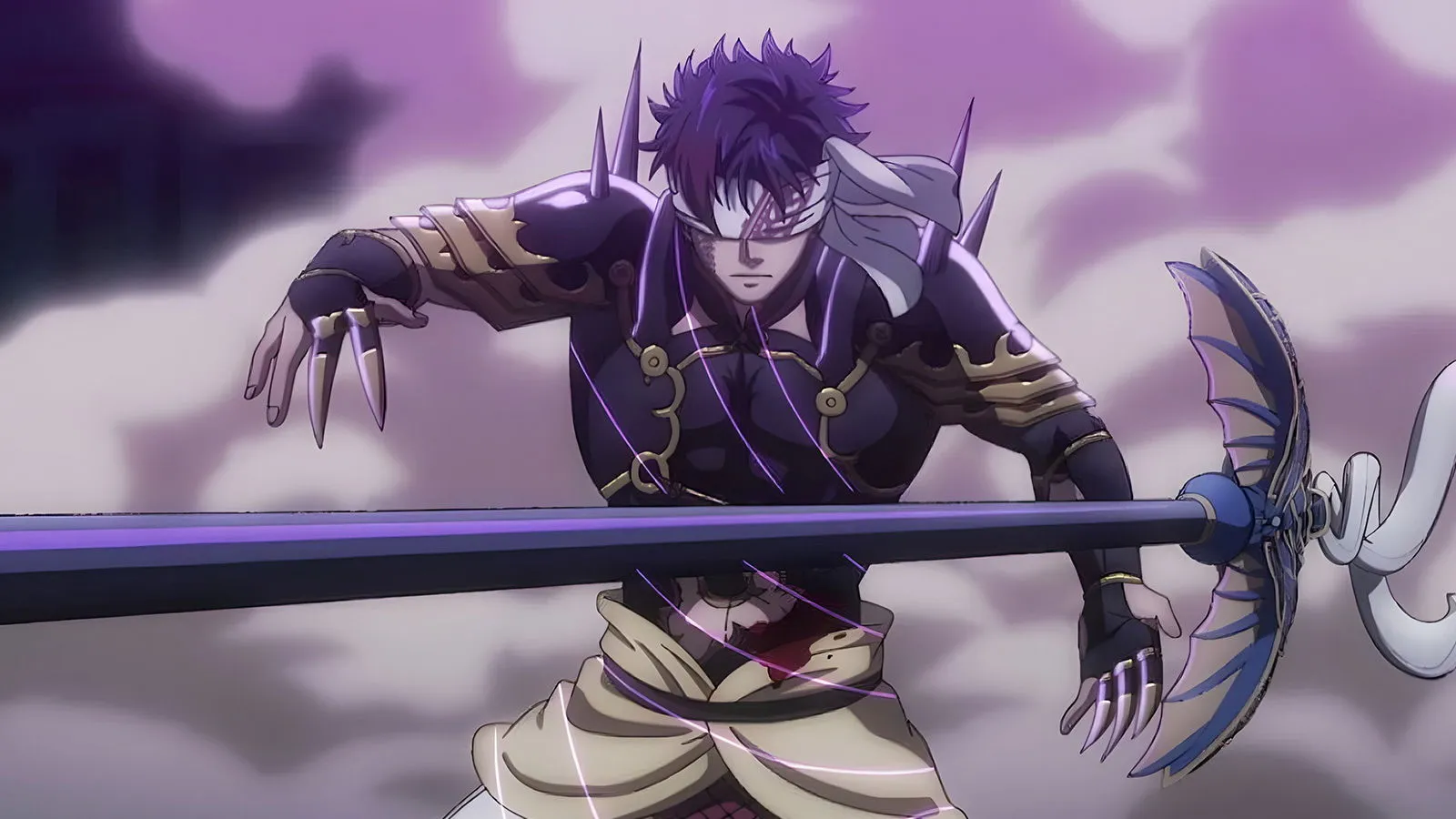
Beelzebub’s offensive techniques warp the air around him, and those ripples communicate force without relying on dialogue. The camera feels bolder too, using low angles and sweeping pans to sell the gods’ scale. “Sakuga” purists may still want frame-by-frame perfection at every second, yet the steadiness is the key gain. The animation holds a consistent baseline that keeps viewers locked into the violence.
Round 7: The Dharma of Kings
Round 7 carries the narrative heft of a historical period drama. Hades, King of the Underworld, faces Qin Shi Huang, the First Emperor, and the match plays as a clash of ideologies as much as bodies. The fight interrogates “Dharma,” framed here as the duty of a ruler.
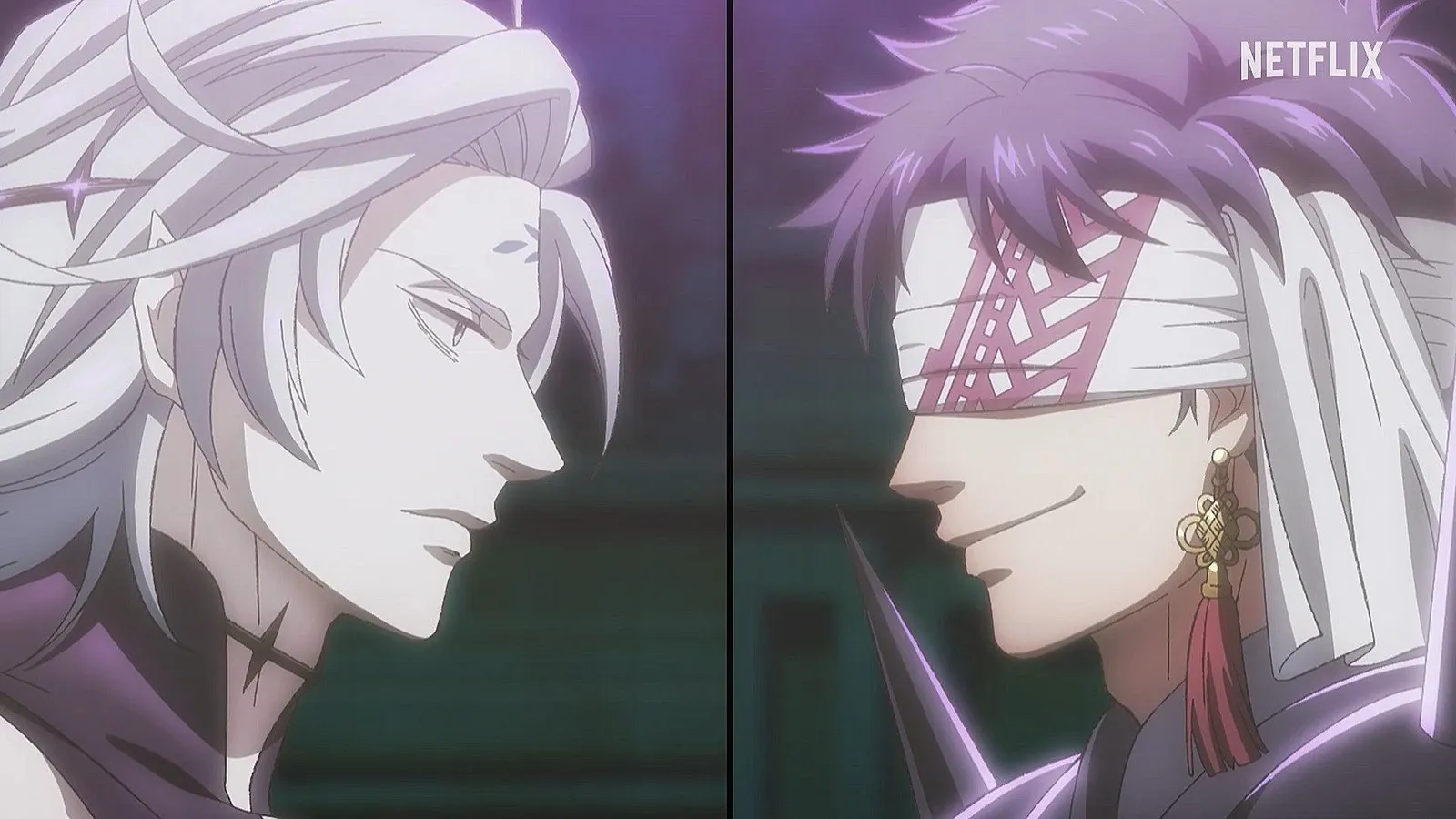
Hades enters the ring with family honor on his shoulders, driven by the need to avenge Poseidon. His characterization leans into the protective elder-brother archetype, shaped by a past where he fought alone against the Titans so his siblings could rule. His weapon merges his own bident with the trident of his fallen brother, and the symbolism lands with blunt force. He carries his kin’s legacy into battle in a literal, visible form.
Qin Shi Huang answers with empathy expressed through pain. His ability involves mirror-touch synesthesia. He feels the pain he inflicts, so every punch he lands hurts him too. That mechanic introduces vulnerability into a tournament built on power fantasy.
His backstory supplies the emotional spine of the arc: a childhood marked by contempt for his lineage, followed by an adoptive mother figure who steps in to save his soul. She teaches him he does not need to claim the world’s hatred as his own. The bond echoes the sentimental engine of classic melodrama, grounding the grand mythic arena in recognizably human emotion.
Their combat stays heavy and grounded. They trade blows with the dignity of monarchs, with neither leaning on cheap tricks. The choreography emphasizes martial arts forms and precise strikes, fitting a bout framed as a duel between rulers. Qin’s “Almighty Spaulders” redirect force, shaping a defense-first rhythm that stands against Hades’s forward pressure.
Momentum swings back and forth, and the match invites investment in both fighters. The story presents them as parallel visions of leadership: one guided by duty and isolation, the other shaped by shared pain and connection. The climax lands a philosophical point about kingship, arguing that a true king stands in front of his people and absorbs their suffering.
Round 8: The Sorcerer of Science vs. The Lord of the Flies
Round 8 changes the atmosphere in an instant. The arena energy shifts from palace gravity to laboratory voltage. Nikola Tesla enters as the light of human intellect, facing Beelzebub, a deity wrapped in shadow. The matchup frames itself as Science against Magic, with Tesla embodying a rare openness in a death match. He explains his moves before executing them, treating the duel like a collaborative academic conference. His optimism reads cleanly. He believes humanity rises through shared knowledge, and he refuses to hoard secrets. That trait makes him easy to root for, positioning him as a figure of industrial-age hope.
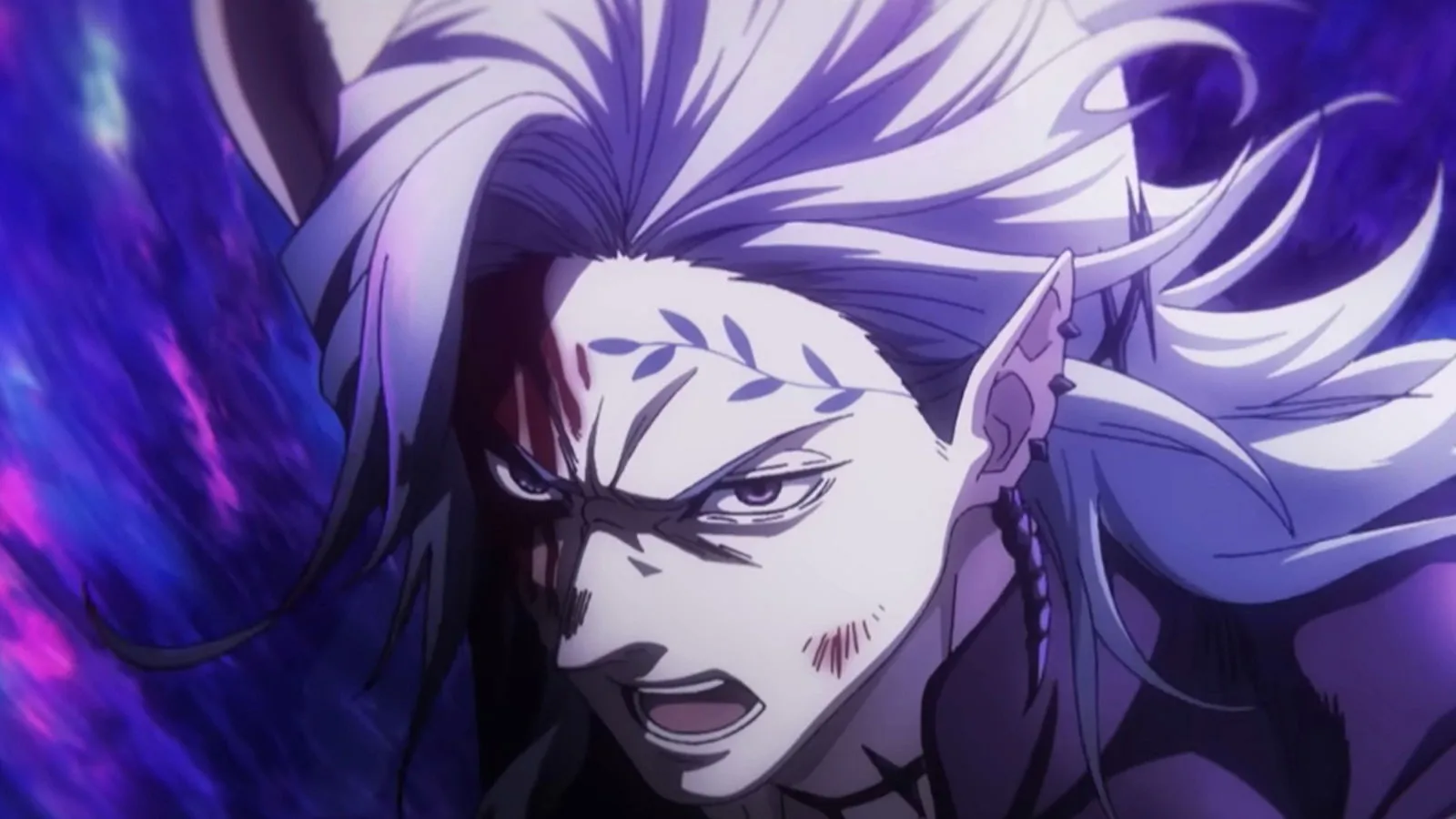
Beelzebub functions as the emotional counterweight. His existence is shaped by a tragic curse: Satan has doomed him to destroy anyone he dares to love. The backstory casts him in the mold of gothic romance, a wanderer marked by isolation and drawn toward death as a release from suffering. His motivation sits in a knot of impulses. He wants humanity destroyed, and he seeks his own destruction as well. Tesla pursues a future built by invention and cooperation. Beelzebub chases obliteration, including his own.
Mechanically, this is the season’s most inventive fight. The martial-arts structure of Round 7 gives way to movement tricks and spatial control. Tesla uses anti-gravity steps and teleportation, zipping around the arena with the energy of a lightning bolt. Visual effects push hard here, with Tesla’s blue electricity cutting against Beelzebub’s purple-black aura. Sound design carries equal weight: the hum of machinery collides with the harsh noise of vibration attacks, turning each exchange into a sensory event. Strategy takes the spotlight. Beelzebub cannot keep up with Tesla’s speed, so experience and prediction become his survival tools. Tesla forces the god into thought, pushing him to anticipate patterns that resist anticipation.
The ending leaves a bittersweet taste. The fight speaks to the limits of human ingenuity when it runs into primordial force, while still treating the effort as a kind of victory for the human spirit.
Round 9: The Spartan Rebel vs. The God of the Sun
Round 9 arrives as a raw brawl, torn from the pages of a gritty graphic novel. King Leonidas of Sparta takes on Apollo, the Sun God, and the pairing fits immediately. Leonidas comes across as a cigar-chomping, foul-mouthed soldier whose hatred for Apollo has burned for centuries. He rejects the need for divine guidance and stands for humanity’s rebellious streak. He fights dirty. He carries a shield that transforms into a yo-yo of destruction. The style is ugly, brutal, and effective.
Apollo enters with the posture of a preening villain. He obsesses over beauty, floats above the arena, and refuses to touch the ground. He dismisses Leonidas as a barbarian, setting up a familiar dynamic of divine arrogance. The script then reframes the meaning of that beauty. Apollo’s perfection comes from endless, agonizing practice, and he treats effort as sacred. He respects people who know themselves.
The round breaks down the idea of “beauty” in violence through physical consequence. Leonidas drags Apollo down into the mud, and Apollo accepts. He stops floating and starts brawling. The visual storytelling emphasizes toll and texture: bruises rise on perfect skin, blood marks shining robes, and the god’s image changes under pressure. Relationship is the engine here.
Hatred dissolves into a warrior’s respect. Leonidas sees that Apollo is no fragile idol. Apollo recognizes that Leonidas’s so-called ugliness carries its own integrity. The last stretch becomes a straight slugfest where the margin of error evaporates and a single mistake means death. The resolution feels earned because both men strip away pretense and finish as equals.
Narrative Progression and Pacing
The fifteen-episode layout supports the story’s momentum. Pacing moves with bullet-train efficiency, covering three full rounds without major drag. Tournament anime often bog down in reaction shots and repetitive flashbacks. Season 3 trims that excess and keeps attention on action and immediate emotional stakes. Manga readers may notice omissions. The introduction of the scientists during Tesla’s round plays differently, and some dialogue is removed. The adaptation still captures the emotional beats without overstaying its welcome.
A significant subplot runs under the tournament. Buddha continues to matter after his match, investigating Odin’s shadowy movements. The detective angle raises the sense that the tournament may function as cover for a larger power play. That thread keeps the macro story active.
The season can sell individual fights while building anxiety about a bigger conspiracy. The final episodes tease the start of Round 10, cutting to a “To Be Continued” screen at the moment excitement spikes. It plays like a classic serialized-TV cliffhanger. The series now feels sure of its identity: a loud, philosophical, violent spectacle with humanity’s defiance as its fuel.
Record of Ragnarok is a high-octane tournament anime adapted from the popular manga serialized in Monthly Comic Zenon. The series premiered globally on Netflix on June 17, 2021, produced by Warner Bros. Japan and animated initially by Graphinica. The story centers on a grand tournament known as Ragnarök, where thirteen notable humans from history must battle thirteen gods to prevent humanity’s extinction. Following a successful second season in 2023, the highly anticipated third season, produced by Yumeta Company and Maru Animation, recently premiered on December 10, 2025, continuing the brutal one-on-one duels that determine the fate of the world.
Full Credits
Title: Record of Ragnarok (Shūmatsu no Valkyrie)
Distributor: Netflix, Warner Bros. Japan
Release date: June 17, 2021 (Season 1), January 26, 2023 (Season 2), December 10, 2025 (Season 3)
Rating: TV-MA
Running time: 24 minutes
Director: Masao Okubo, Koichi Hatsumi
Writers: Kazuyuki Fudeyasu, Yuka Yamada, Yasuyuki Muto
Producers and Executive Producers: Urara Takao, Hiraku Yoshiba, Takao Someya
Cast: Miyuki Sawashiro, Tomoyo Kurosawa, Tomokazu Seki, Hikaru Midorikawa, Wataru Takagi, Soma Saito, Kazuhiro Yamaji, Takahiro Sakurai, Junichi Suwabe, Tatsuhisa Suzuki
Director of Photography (Cinematographer): Yukihiro Masumoto
Editors: Ayako Tan
Composer: Yasuharu Takanashi
The Review
Record of Ragnarok Season 3
This season marks a significant turning point for the franchise. The animation finally does justice to the source material and sheds the stiffness of the past. With three distinct, emotionally resonant fights, the narrative momentum never falters. The character work, particularly for Hades and Tesla, transforms the simple tournament structure into something deeper. While CGI integration remains imperfect, the visual flair and high-stakes storytelling make this an essential watch for action fans. It delivers on the potential of its premise with confidence.
PROS
- Markedly improved animation fluidity and movement.
- Strong emotional anchors in the backstories of Qin Shi Huang and Tesla.
- Brisk pacing that covers three full tournament rounds.
- Creative fight choreography that blends tactics with power.
CONS
- CGI elements on Tesla’s armor stand out against the 2D art.
- Simplified character designs compared to the manga source.
- Minor cuts to dialogue and interactions from the original text.