






















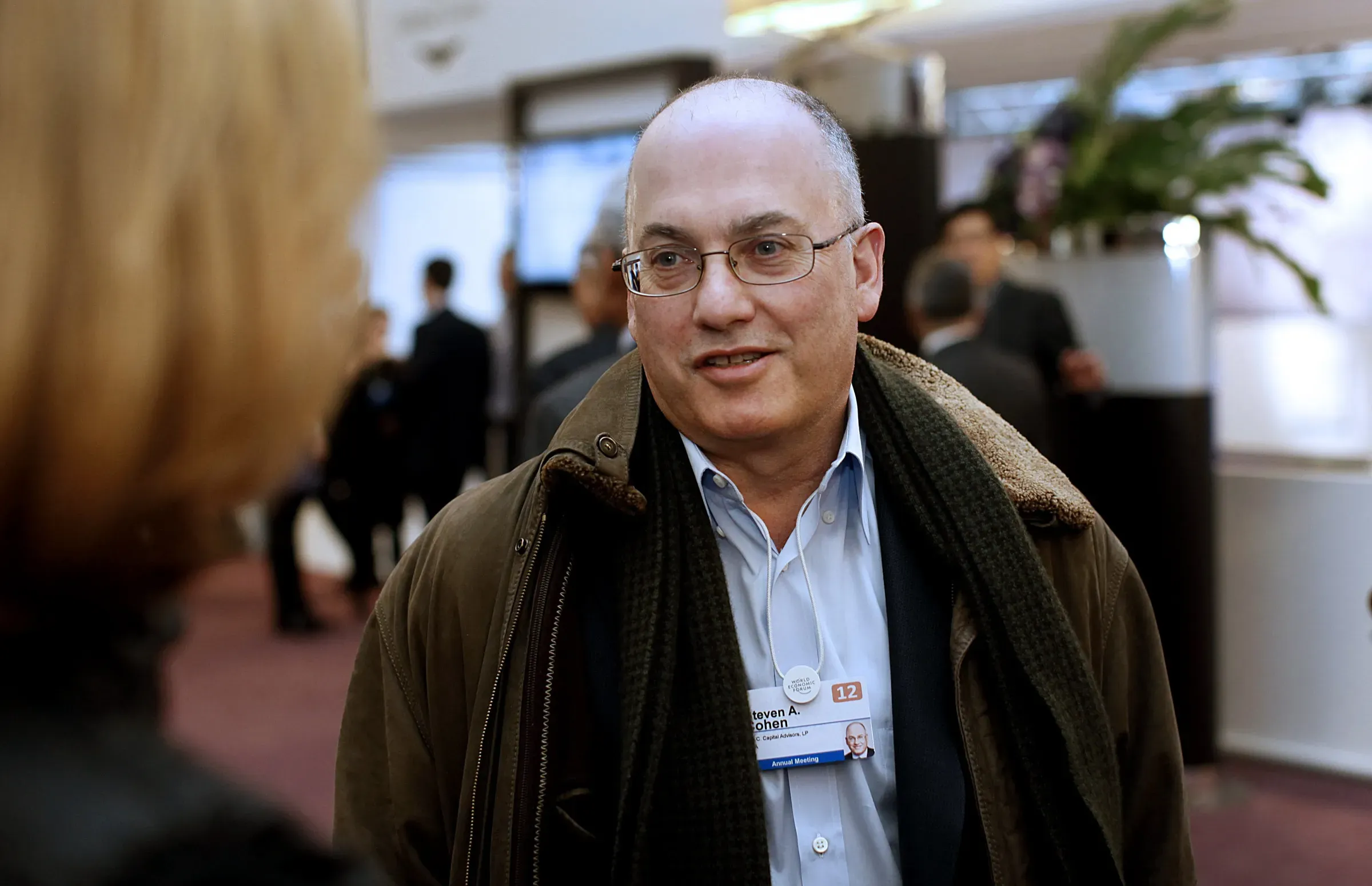

New York’s long-running race for downstate casino licenses reached a turning point Monday as a state panel endorsed three projects, including Mets owner Steve Cohen’s $8.1 billion Hard Rock Metropolitan Park next to Citi Field, clearing the way for the city’s first Vegas-style casinos.
The Gaming Facility Location Board backed Metropolitan Park in Queens, a $5 billion expansion of Resorts World at Aqueduct, and a $4 billion Bally’s casino at the Ferry Point golf course in the Bronx. Regulators said consultants expect about $7 billion in gaming tax revenue between 2027 and 2036, plus $1.5 billion in licensing fees and nearly $6 billion in other state and local taxes. The state Gaming Commission is expected to formally issue licenses before year’s end.
Metropolitan Park would replace Citi Field’s parking lots with a 50-acre entertainment district built by Cohen’s Queens Future partnership with Hard Rock. Plans call for nearly 300,000 square feet of gaming space with 5,000 slot machines and 375 table games, a Hard Rock hotel, a live music venue, a food hall, and extensive new public green space along Flushing Bay. Backers say the project will generate about 23,000 union jobs and a multibillion-dollar stream for city and state coffers.
The other licenses go to an upgrade of Resorts World’s existing slots parlor at Aqueduct, which can add table games relatively quickly, and to Bally’s at Ferry Point, where a prior contract means the Trump Organization stands to receive $115 million if the Bronx project proceeds. All three developments include hotels, event spaces and retail as part of their pitches to state officials.
Monday’s vote capped a contest that began with eight bids across the city. Several high-profile Manhattan proposals, including a Times Square plan backed by Jay-Z, fell away after local advisory boards withheld support. A community advisory committee for Metropolitan Park, by contrast, voted 6-0 to advance the project earlier this fall after the plan cleared city zoning changes and a state parkland-alienation bill.
Governor Kathy Hochul hailed the three winners, saying they “promise to unlock billions in funding for the MTA and create tens of thousands of jobs,” while Queens Borough President Donovan Richards called Metropolitan Park a “boon for the borough,” pointing to projections of thousands of construction and permanent positions. Board member Greg Reimers said each proposal presented strong brand power and facilities that could “transform communities” across Queens and the Bronx.
Opposition remains fierce around Citi Field. State Senator Jessica Ramos, whose district includes the site, said the recommendation “ignores the clear will of our community,” citing town halls and polling in which residents rejected a casino. Grassroots groups such as Queens for All and the Fed Up coalition warn that a gambling complex on public land in a flood-prone area will fuel addiction, worsen traffic and pollution, and accelerate displacement of working-class renters in nearby immigrant neighborhoods.
At Monday’s meeting, protesters interrupted the proceedings with chants of “Shame on you,” while organizer Jack Hu argued that operators target older Asian Americans with free buses and vouchers in hopes they will lose fixed-income checks at the tables. Gambling-law scholars and industry analysts say New York’s population and tourism can support three large resorts, yet they caution that casino revenue forecasts often overshoot early performance.
The commission’s formal vote will set construction timelines. Resorts World could turn on live table games as early as 2026, while Metropolitan Park and Bally’s Bronx point to openings closer to 2030, reshaping Queens’ and the Bronx’s waterfronts just as the Mets and their owner seek to turn Citi Field’s parking expanse into a year-round entertainment hub.