
















The Federal Communications Commission’s Media Bureau warned broadcast stations on Jan. 21 that interviews with political candidates on late-night and daytime talk shows may trigger the “equal opportunities” requirement, forcing stations to offer comparable time and placement to rival candidates who ask for it. The bureau’s notice points stations to Section 315 of the Communications Act and stresses that the rule applies to over-the-air broadcasters, not cable networks or streaming services.
The guidance targets a practice that has hardened into custom: treating talk-show interviews as protected “bona fide news” segments. The bureau said the industry has leaned on a 2006 staff-level decision involving The Tonight Show and then-California Gov. Arnold Schwarzenegger, but it describes that ruling as fact-specific and limited to the program presented at the time. The bureau said it has not received evidence that the interview portions of current late-night or daytime talk shows qualify for the news-interview exemption, and it flagged partisan motivation as disqualifying under longstanding precedent.
In practical terms, the notice shifts risk onto local affiliates and owned stations that air these programs. If a station gives a legally qualified candidate free airtime through an appearance, it must log that “use” in its online political file, after which opposing candidates can file an equal-opportunities request. The bureau framed the record-keeping as central to a broadcaster’s public-interest obligations and urged stations to make the required filings promptly. It also invited any station or program seeking certainty to petition the FCC for a declaratory ruling on eligibility for a news exemption.
The move drew a sharp rebuke from FCC Commissioner Anna Gomez, the commission’s lone Democrat, who said “nothing has fundamentally changed” in the rules and warned broadcasters against pulling back from newsworthy coverage out of fear of regulatory retaliation. Her statement sets up a familiar split inside the agency: one side casting the notice as routine enforcement guidance, the other treating it as political pressure applied through process.
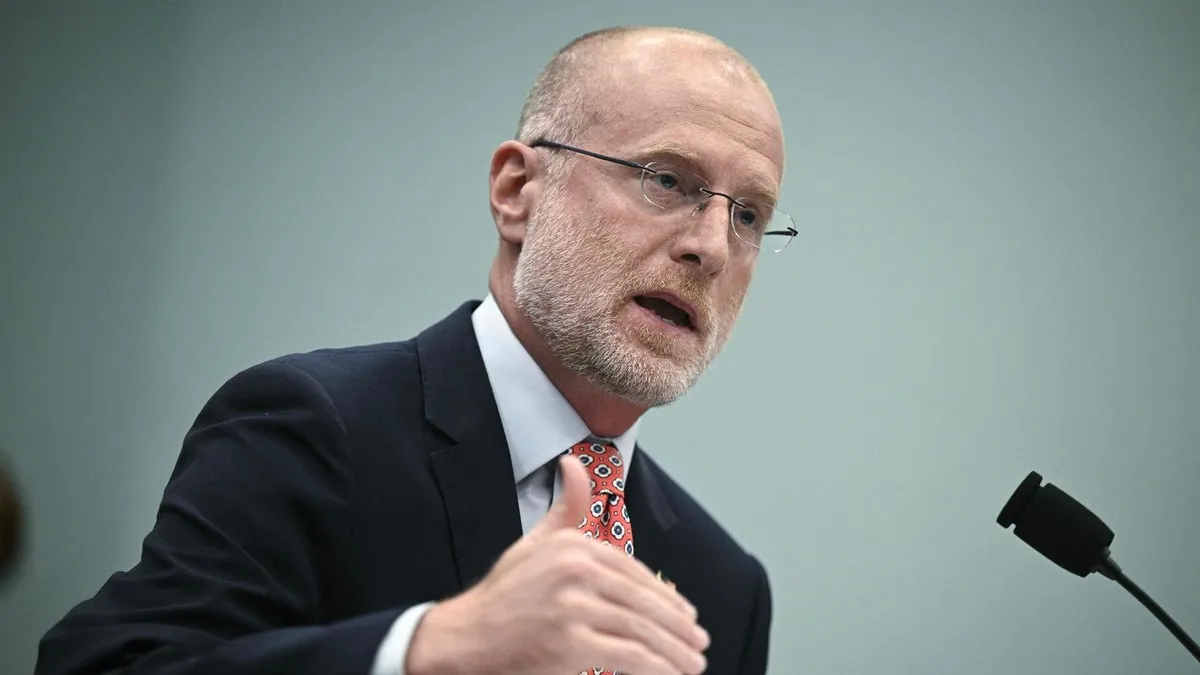
The notice arrives amid heightened scrutiny of broadcast political content under FCC Chair Brendan Carr. Reuters previously reported that Carr reinstated a complaint tied to a candidate appearance on Saturday Night Live, signaling that equal-time disputes may move faster this election cycle.