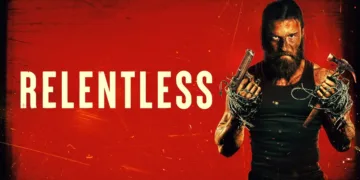























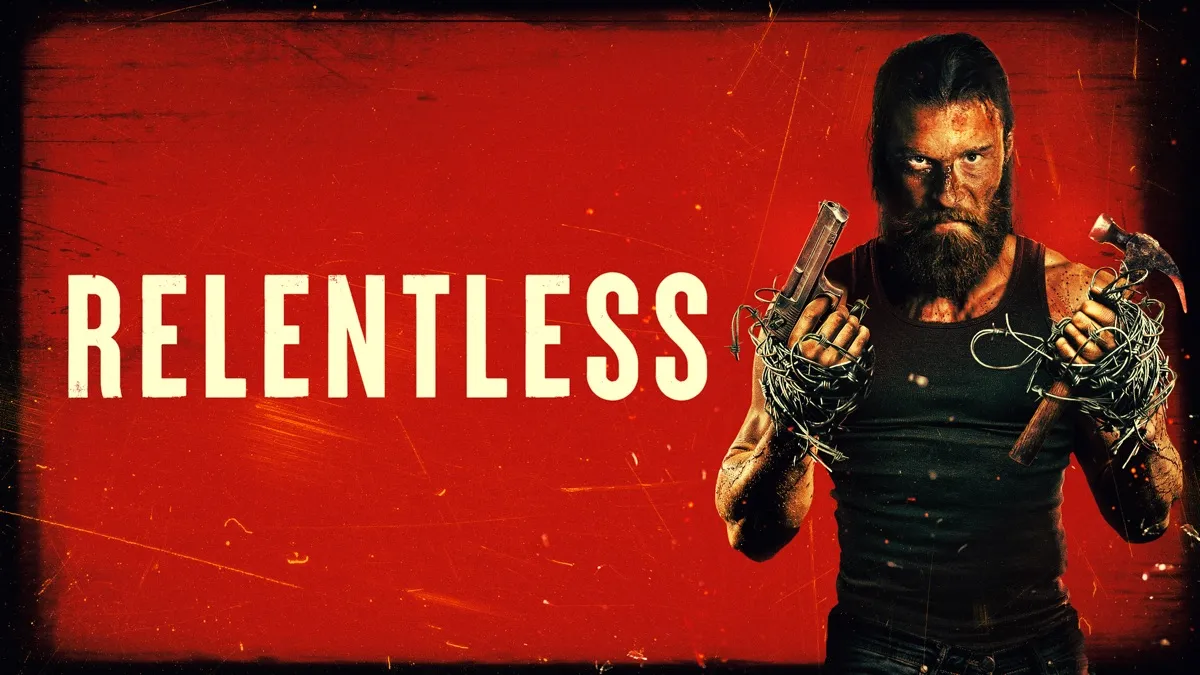

Relentless takes a stark look at the friction between extreme poverty and modern success. The story focuses on two men positioned at opposite ends of the American social hierarchy. Teddy lives in a cramped, aging vehicle and spends his nights listening to old voicemails. His life runs on scarcity and cold. Jun lives in a sterile, minimalist home stocked with expensive technology and fine food.
That gap sparks a brutal home invasion that quickly turns into a high-stakes chase. Director Tom Botchii leans hard on visual storytelling in the opening act. He uses silence to give the audience time to take in the physical differences between these men.
The camera lingers on wealth’s status markers and on the worn signals of homelessness. The approach pushes viewers to face their own assumptions about who looks like a threat. Class disparity becomes the film’s narrative engine, framing physical security as a luxury. The conflict arrives fast and hits with a primal force, peeling away polite surfaces and exposing a deep tension baked into the system.
Shifting Gears and Genre Play
The film runs through several thriller archetypes as it progresses. It starts in home invasion territory, then swings into gritty revenge drama, and later lands in a psychological standoff. That shifting shape keeps the viewer unsettled. The early stretch moves with speed and panic, capped by a visceral brawl on a car hood inside an automatic car wash. Once the setting relocates to a secluded, abandoned house, the rhythm changes. The film slows to make room for verbal sparring.
A laptop becomes the central object of desire, tying Teddy’s desperation to Jun’s professional life. The device keeps the plot in motion even when the action eases up. The middle stretch, though, leans on exposition in a way that feels rougher than the opening. Dialogue lays out past grievances and legal disputes.
Some of those explanations land as familiar identity-theft and financial-ruin beats. The mystery feels strongest at first, and the later answers do not hit with the same force. The narrative finds its sharpest edge in the raw ordeal of survival, with less energy coming from the precise details of the characters’ shared history.
The Texture of Violence
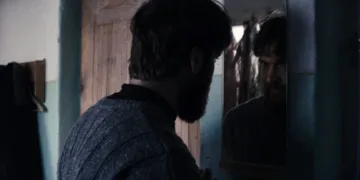
The film’s craft choices lean into a raw, unpolished feel. Handheld camerawork tracks the action with shaky intimacy that mirrors the characters’ instability. Close-ups fixate on sweat, blood, and the mechanical repetition of Teddy lighting cigarettes. The effect sustains a persistent unease.
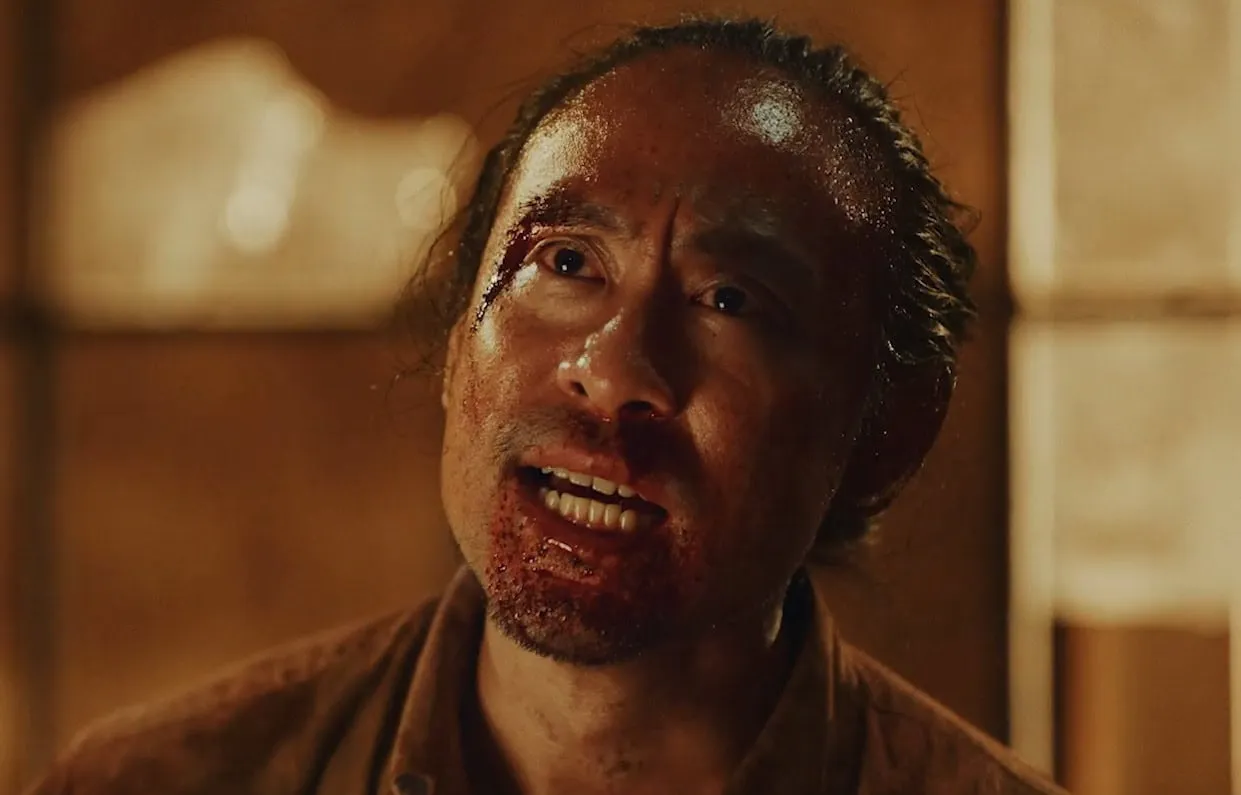
Color also does a lot of heavy lifting. Jun’s home sits in cold, sterile tones with an almost clinical chill. The Idaho locations outside carry a grimy, sun-bleached look that suggests a place left behind. Sound design shapes the atmosphere scene by scene. It shifts from an aggressive, droning score during chases to a punishing silence during captivity. With the sound stripped back, every breath and every blow gains weight.
The violence stays messy and grounded. The fights avoid stylized flash and play as desperate, painful collisions that stress the body’s limits. Editing reinforces that approach, cutting fast and jagged during combat, then holding long and patient takes during the psychological encounters.
Performances in the Pressure Cooker
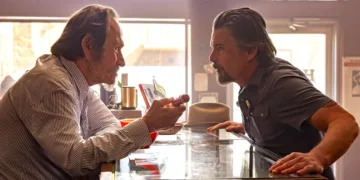
The film depends on Jeffrey Decker and Shuhei Kinoshita to carry its weight. Decker plays Teddy with wounded, animalistic resolve. He communicates loss through posture and exhausted expressions, using his body more than his words. His near-silence in the first act lands with impact, and it sets up his eventual outburst as something earned.
Kinoshita makes Jun a strong counterpart. Jun enters as a portrait of modern composure, and that composure fractures quickly under pressure. His shift into a bloodied, frantic survivor feels convincing, and it brings a human pulse to a character who initially reads as detached. In the second half, the film leans into their “two-hander” scenes, and the actors build sharp chemistry across those exchanges. Their interactions probe motive and self-justification. Teddy moves with a personal sense of betrayal. Jun moves with the instinct to protect his achievements and his safety.
As events tighten, the moral labels start to smear. The performances guide the audience into questioning early sympathies. By the time the final confrontation arrives, neither man fits the shape of a traditional hero. Decker and Kinoshita inhabit these roles in a way that highlights the messy reality of personal justice.
Relentless premiered on Digital and On Demand platforms on January 9, 2026, distributed by Saban Films. This gritty, home-invasion thriller follows a homeless man who targets a wealthy elite, sparking a brutal confrontation that uncovers deep-seated motives and systemic tension. The film is currently available for streaming and purchase on most major VOD platforms, including Amazon Prime Video and Apple TV.
Full Credits
Title: Relentless
Distributor: Saban Films
Release date: January 9, 2026
Rating: R
Running time: 93 minutes
Director: Tom Botchii
Writers: Tom Botchii
Producers and Executive Producers: Tom Botchii, Jeffrey Decker, David Christopher Pitt
Cast: Jeffrey Decker, Shuhei Kinoshita, Jackie Kelly, Molly Maloney, Matt Stuertz, Jerry L. Buxbaum, Jennifer Cozza James, Daniel Schriefer
Director of Photography (Cinematographer): David Christopher Pitt
Editors: Tom Botchii, David Christopher Pitt
Composer: Guilherme Senff
The Review
Relentless
Relentless delivers a visceral exploration of social friction through the lens of a grit-soaked thriller. The film succeeds in its silent opening act, using sharp visual contrasts to challenge the viewer's assumptions about class and guilt. While the narrative momentum falters once the dialogue takes over and the mystery is explained, the lead performances remain anchored in raw, physical intensity. It is a messy, unflinching look at personal justice that favors atmosphere over logic.
PROS
- Strong, physical performances from Jeffrey Decker and Shuhei Kinoshita.
- Effective use of silence and visual storytelling in the first act.
- Gritty, unstylized action sequences that feel grounded and painful.
- Thoughtful exploration of class bias and systemic tension.
CONS
- The pacing slows significantly during the dialogue-heavy middle section.
- Background explanations and motivations feel somewhat cliché.
- Some character decisions lack logical consistency.