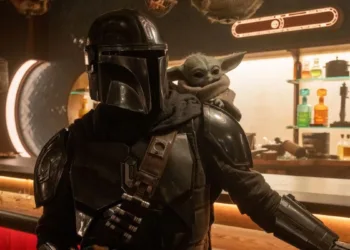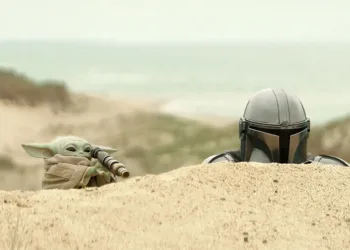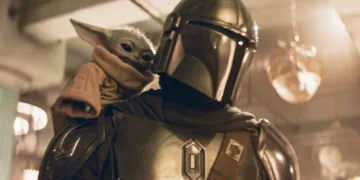


















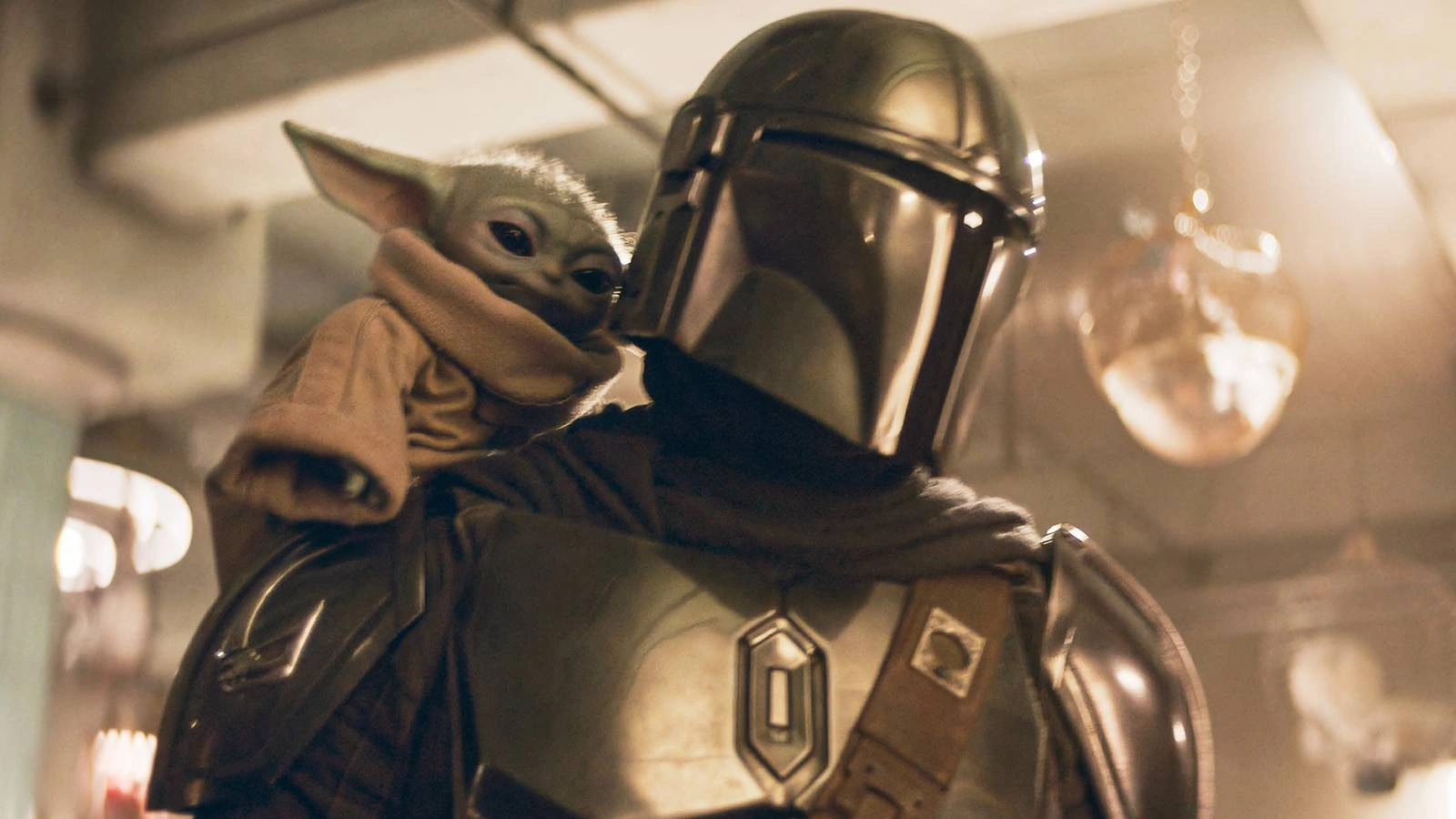

Star Wars returned to cinemas this Memorial Day weekend for the first time in nearly seven years — and while “The Mandalorian and Grogu” topped the domestic box office, it did so with the weakest opening figures of any Disney-era entry in the franchise, earning $82 million over the three-day weekend and an estimated $102 million through Monday’s holiday.
The four-day haul places it just below 2018’s “Solo: A Star Wars Story,” which earned $103 million over the same Memorial Day frame — and “Solo” was widely considered a commercial disappointment at the time. The gap between the two films’ production costs, however, reframes the math significantly. While “Solo” carried a budget in the $300 million range, “The Mandalorian and Grogu” was made for a reported $165 million — the leanest price tag for a Disney-era live-action Star Wars production — making the path to profitability considerably shorter.
Internationally, the film took roughly $63 million in ticket sales, with premium large-format screenings accounting for 41 percent of all tickets sold. Standard tickets averaged $16.01, while IMAX and Dolby Cinema seats fetched an average of $19.43 each.
Critics were cool: the film sits at 63 percent on Rotten Tomatoes, roughly in line with “Solo’s” 69 percent, though audiences pushed back hard against that verdict, giving it an 88 percent score alongside an A- CinemaScore. Boys under 13 were the film’s most enthusiastic demographic, handing it a straight-A CinemaScore and perfect five-star marks on PostTrak, with parents matching that rating. The audience gender split skewed heavily male at 63 percent, with three-quarters of ticket buyers aged 25 and older — a profile that reflects the TV show’s established fanbase rather than a broad new audience.
Disney believes the film can sustain strong legs at the box office, pointing to its audience scores as comparable to recent word-of-mouth performers. The Mandalorian series remains the most-watched Disney+ original with more than 1.3 billion hours viewed globally, and viewership of related Star Wars titles on the platform spiked ahead of the theatrical release.
The result lands at a pivotal moment for the franchise. Reports ahead of the opening suggested internal concern at Disney about audience excitement for this film, with sources indicating more optimism surrounds next year’s “Star Wars: Starfighter,” directed by Shawn Levy, which insiders say recaptures a more adventurous energy. That film, starring Ryan Gosling and set after the events of “The Rise of Skywalker,” arrives in May 2027 — the year Star Wars also marks its 50th anniversary. For Lucasfilm, the question now is whether this cautious but functional start can build into something more through the summer weeks ahead.