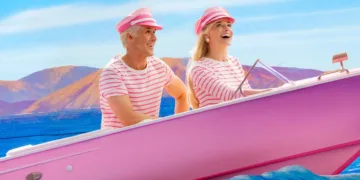






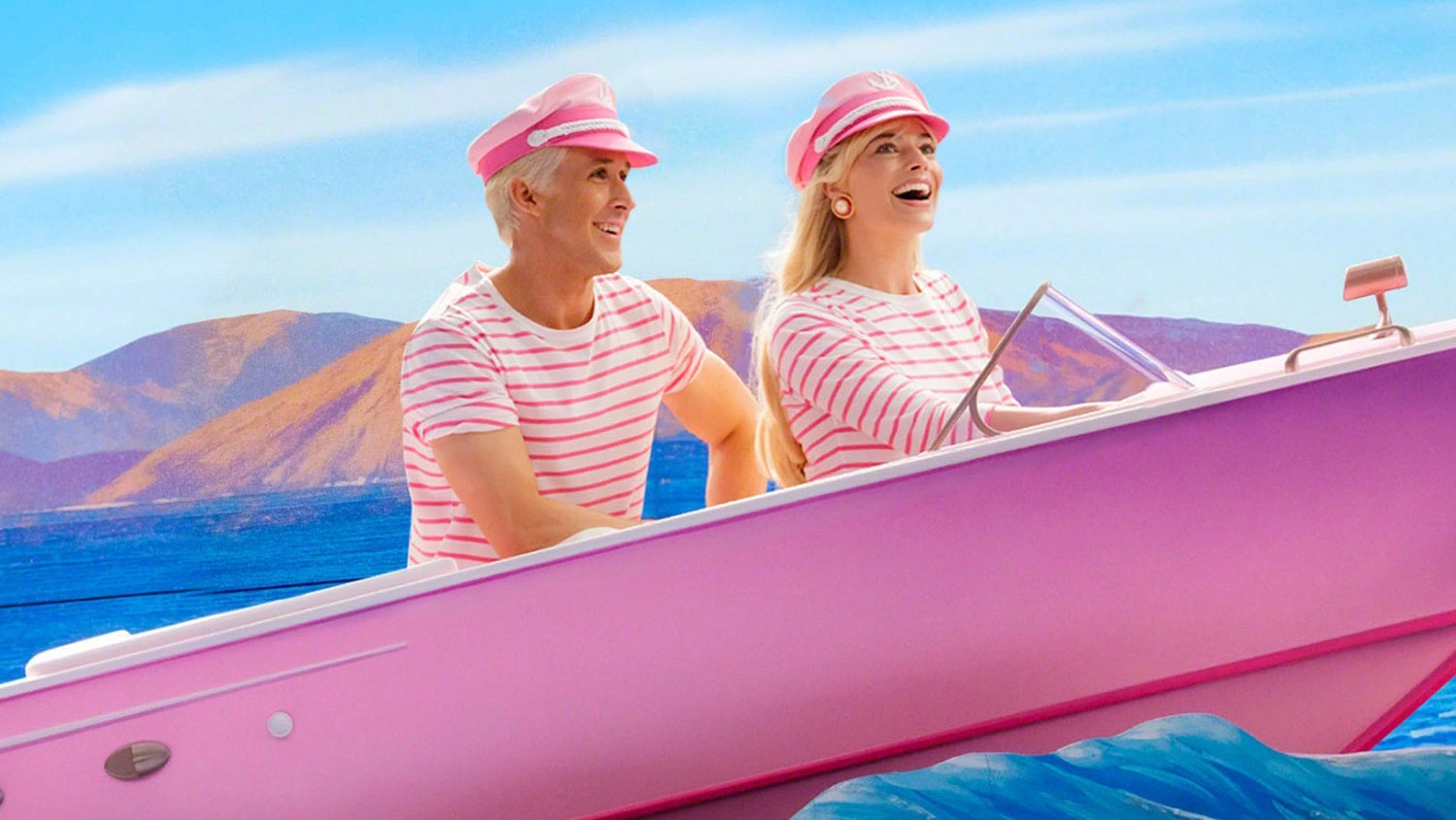

A “Barbie” sequel has stalled at Warner Bros. as the studio struggles to close new contracts with stars Margot Robbie and Ryan Gosling, along with director Greta Gerwig, before rights to the franchise revert to Mattel in December.
Warner Bros. has spent months negotiating with the principal talent, dangling a share of profits tied to box office milestones once the film clears certain thresholds. Gosling is asking for $20 million upfront, according to a New York Times report. Warner Bros. Discovery chief executive David Zaslav rejected the studio’s latest proposals as too generous, the report states, though a company spokesperson disputed that framing, saying talent representatives declined a May offer and have yet to send a counterproposal.
Studio co-chairs Pam Abdy and Michael De Luca addressed the impasse directly. “We have a rights deal with Mattel in place and have made a series of big offers to try and finalize deals to make the next ‘Barbie’ film,” they said in a statement. “Unfortunately, we have been unable to reach an agreement thus far.” Warner Bros. did not offer further comment when reached separately.
The stakes extend beyond salary figures. Neither Gerwig, Robbie nor Gosling signed sequel options when the original film was greenlit, an unusual gap for a franchise that grossed roughly $1.45 billion worldwide and pulled in eight Oscar nominations. That omission left all three free to negotiate from a position of leverage once the movie became a cultural phenomenon.
If Warner Bros. cannot finalize agreements by December, the rights return to Mattel, which would then be barred from reusing the same actors or story elements at another studio and would have to rebuild the franchise from the ground up.
Complicating matters further, Gerwig and her writing partner and husband, Noah Baumbach, have reportedly held a story concept for the sequel for roughly two years but are withholding details and declining to start writing until contracts close.
Gosling, meanwhile, recently signed on to play the villain in Marvel’s “Ghost Rider,” his first superhero role, adding scheduling pressure to the standoff. Even if a deal comes together before the deadline, industry observers expect a “Barbie” sequel would still need several more years of development, pushing a realistic theatrical release toward 2029 or 2030.