











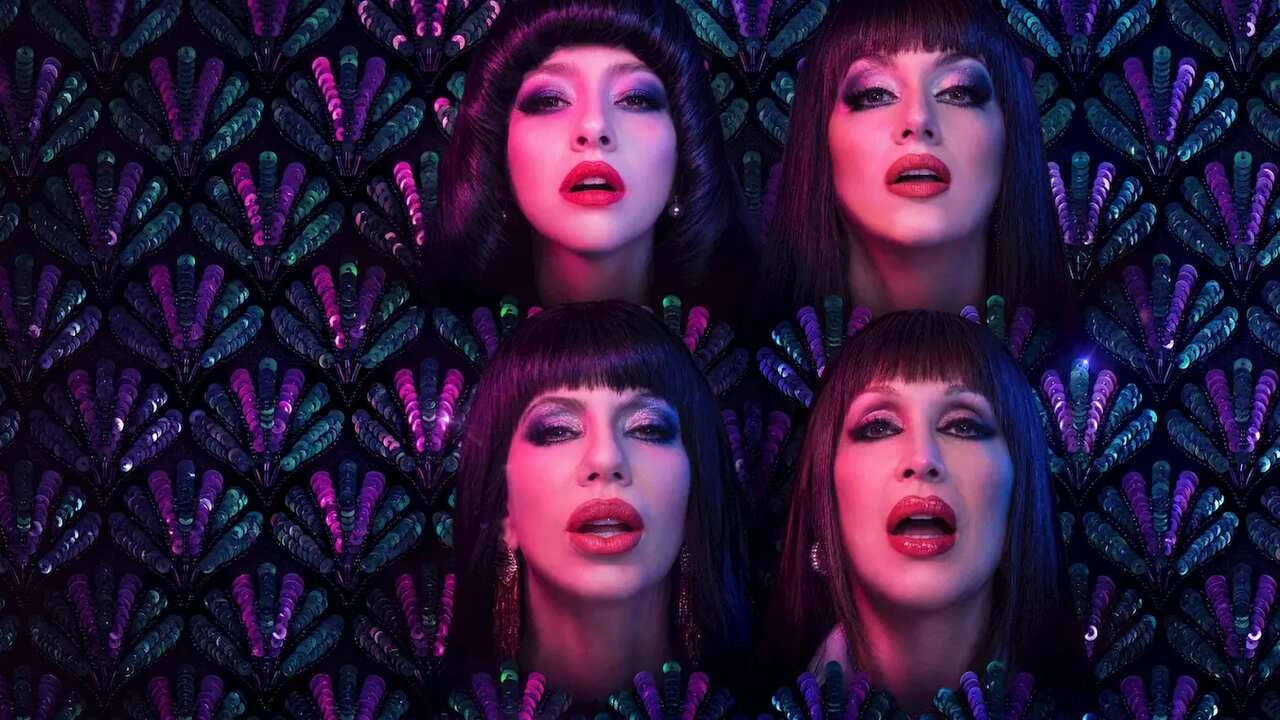

Moria Casán declaring herself the “puppet master” of her own life gives Moria both its governing principle and its most revealing limitation. Netflix’s eight-episode biography allows the Argentine star to narrate the construction of her own legend, beginning with Ana María Casanova in late-1960s Buenos Aires and carrying her through revue theatre, television, celebrity scandal and her 80th birthday celebration.
Director Javier Van de Couter responds by treating biography as performance. The real Casán comments from outside the dramatized timeline, while Sofía Gala Castiglione, Griselda Siciliani and Cecilia Roth portray her across different periods. Reality, memory and deliberate self-mythologizing continually overlap. The result feels appropriate for a woman whose public identity was built through calculated reinvention. Moria never pretends that celebrity simply happened to her. She designed it.
Three Faces of Moria
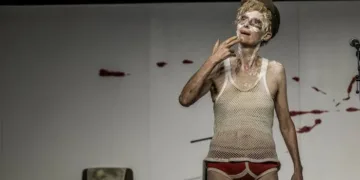
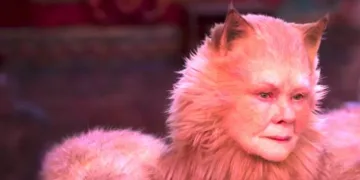
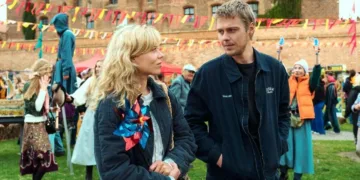
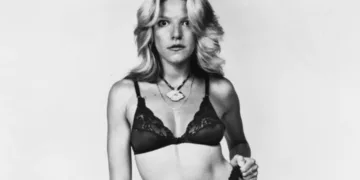
Splitting Casán across three principal performers prevents the series from becoming an eight-episode impersonation exercise. Gala plays the younger Moria through the early episodes, Siciliani carries her through the middle period, and Roth takes over near the end. None relies entirely on vocal mimicry or copied gestures. Each captures a different temperature of the same personality.
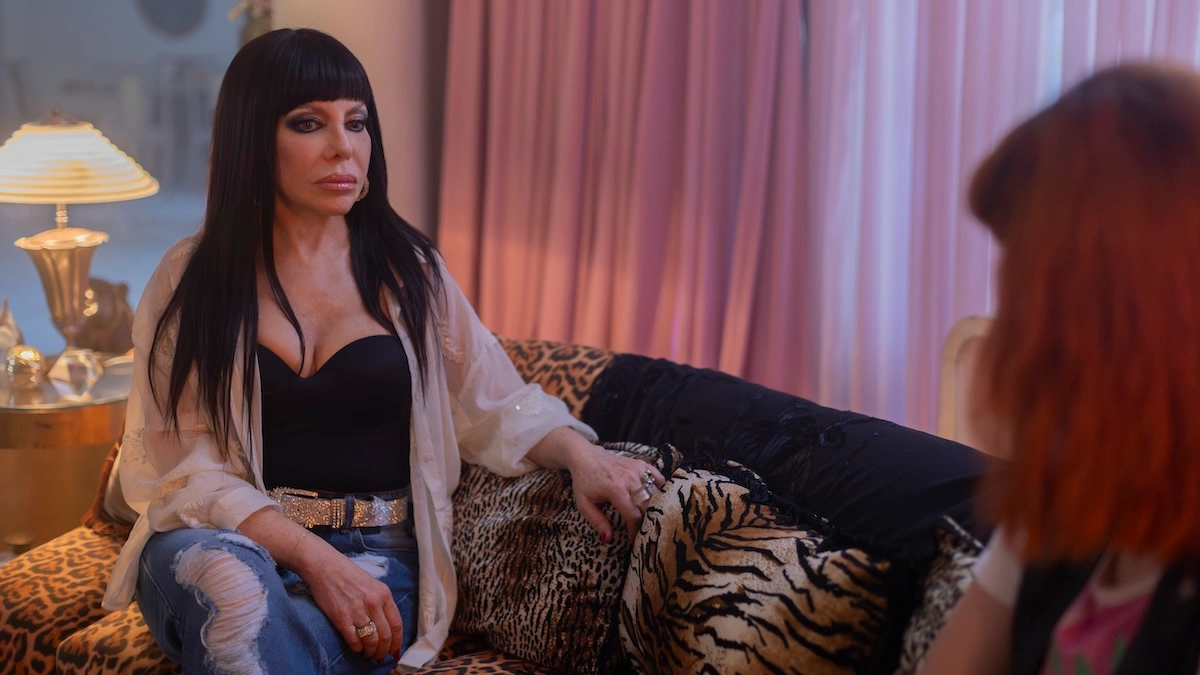
Gala has the advantage of being Casán’s real daughter, and the physical resemblance gives the early transformation particular force. Ana María abandons law school after theatre producer Carlos Petit recognizes her potential, then discovers how quickly sexuality can become professional leverage in Buenos Aires revue culture.
During her first performances, she studies the male audience almost as carefully as they study her. When she later demands control over who can touch her body onstage, the series makes clear that provocation and autonomy are inseparable parts of her emerging persona.
Cosmetic surgery becomes another conscious act of authorship. Her breast implants and rhinoplasty are presented neither as shameful capitulation nor easy empowerment. Episode 1 complicates the image by showing Moria sobbing while wrapped in post-surgery bandages, briefly stripping the glamorous transformation of its confidence.
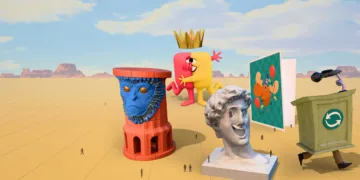
Van de Couter visualizes that self-creation through recurring fantasy images of an enormous Moria towering over miniature theatres and cityscapes. The first appearances have wit, turning celebrity ego into literal scale. Repetition weakens the device. Once the giant-Moria imagery becomes another recurring sexual gag, the metaphor has already explained itself.
Fame Has a Daughter
The series finds sharper material when Sofía begins resisting life inside her mother’s gravitational field. Around Episode 4, her discomfort stops functioning as background tension and becomes the emotional pressure the biography cannot easily absorb into Moria’s preferred mythology.
Photo shoots capture Sofía forcing thin smiles while her mother remains comfortable inside the machinery of publicity. Later confrontations expose a harder problem. Moria repeatedly chooses relationships, particularly her involvement with Luis Vadalá, while Sofía asks for recognition that cannot be satisfied with charisma or money. The woman celebrated for refusing traditional expectations of femininity proves capable of imposing another kind of emotional hierarchy inside her own family.
That contradiction gives the series its richest cultural argument. Moria survives abusive men, patriarchal entertainment structures and an industry happy to profit from female sexuality while policing the women who control it. Her refusal to behave obediently carries genuine political charge. Yet liberation does not automatically produce tenderness, and independence does not excuse neglect.
Episode 6 strengthens that tension through childhood memories that expose formative wounds beneath the public armour. Other passages confront cocaine and alcohol use, abortions, gender violence, abusive relationships and the sensationalism surrounding her Paraguayan imprisonment. Extreme close-ups become especially effective when Sofía pulls away, holding on Moria’s face after the usual confidence has failed her.
The supporting characters receive far less room. Figures from theatre, television, romance and friendship often arrive, serve a piece of Moria’s history and disappear. The imbalance is fitting up to a point. A biography about someone this dominant should feel crowded by her presence. Still, people occasionally resemble accessories in the museum of Moria Casán.
Biography as Revue
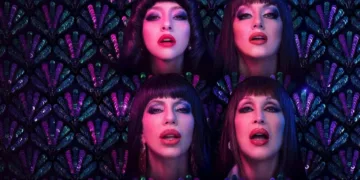
Visually, Moria behaves like the entertainment culture that produced its subject. Walter Cornás and Juan Cavia’s production design floods theatres, clubs and private spaces with theatrical excess, while Alejandro Kauderer and Ignacio Gabriel’s electronic score keeps scenes pulsing with restless momentum. Musical interludes, nudity, fantasy, reconstructed performances and queer camp turn chronology into spectacle.
The approach suits Casán’s relationship with public life. Her career repeatedly converted things Argentine society expected women to conceal, including sexual appetite, ambition, cosmetic alteration, anger and aging, into material for performance. The show understands the historical significance of that refusal.
It also becomes intoxicated by it. Sexual montages recur so frequently that provocation gradually becomes decorative, and some episodes seem more interested in reproducing Moria’s hedonistic aura than examining the people caught inside it.
The quieter passages are harder to escape. At the 80th birthday celebration, the real Moria finally shares the frame with the real Sofía, after the series has spent hours dramatizing versions of their fractured bond. The three actresses who played Moria also return among friends, relatives, performers and familiar faces from her life. For once, the multiplying images of Moria do not make her seem larger. They make it impossible to forget how many versions of herself she has spent a lifetime creating.
Moria premiered on Netflix on August 14, 2026. The series offers a highly stylized and fictionalized look at the life of Argentine icon Moria Casán, chronicling her journey through show business and her path to becoming a national cultural legend.
Where to Watch Moria Online


Full Credits
Title: Moria
Distributor: Netflix
Release date: August 14, 2026
Rating: TV-MA
Running time: 45–60 minutes per episode
Director: Javier Van de Couter
Writers: Javier Van de Couter, Martin Vatenberg
Producers and Executive Producers: Not Available
Cast: Griselda Siciliani, Cecilia Roth, Sofía Gala Castiglione
The Review
Moria
Moria understands that Moria Casán’s celebrity was always partly an act of authorship, with sex, scandal, reinvention, and performance used to seize control of a culture eager to define women for itself. Its strongest scenes expose the cost of that self-creation, particularly Sofía’s growing distance and the uneasy moments when maternal failure interrupts the mythology. Javier Van de Couter’s flamboyant visual language fits the subject, yet repeated sexual montages and fantasy motifs eventually turn provocation into habit. The spectacle dazzles. The daughter gives it consequence.
PROS
- Bold fragmented casting
- Strong Moria-Sofía conflict
- Fearless visual theatricality
- Sharp bodily-autonomy themes
- Effective quieter close-ups
CONS
- Repetitive sexual imagery
- Overused miniature-world motif
- Supporting characters lack depth
- Celebrity mythology softens conflict