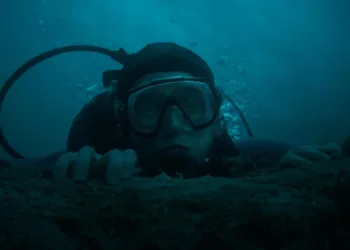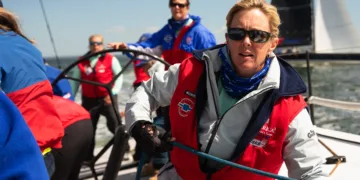



























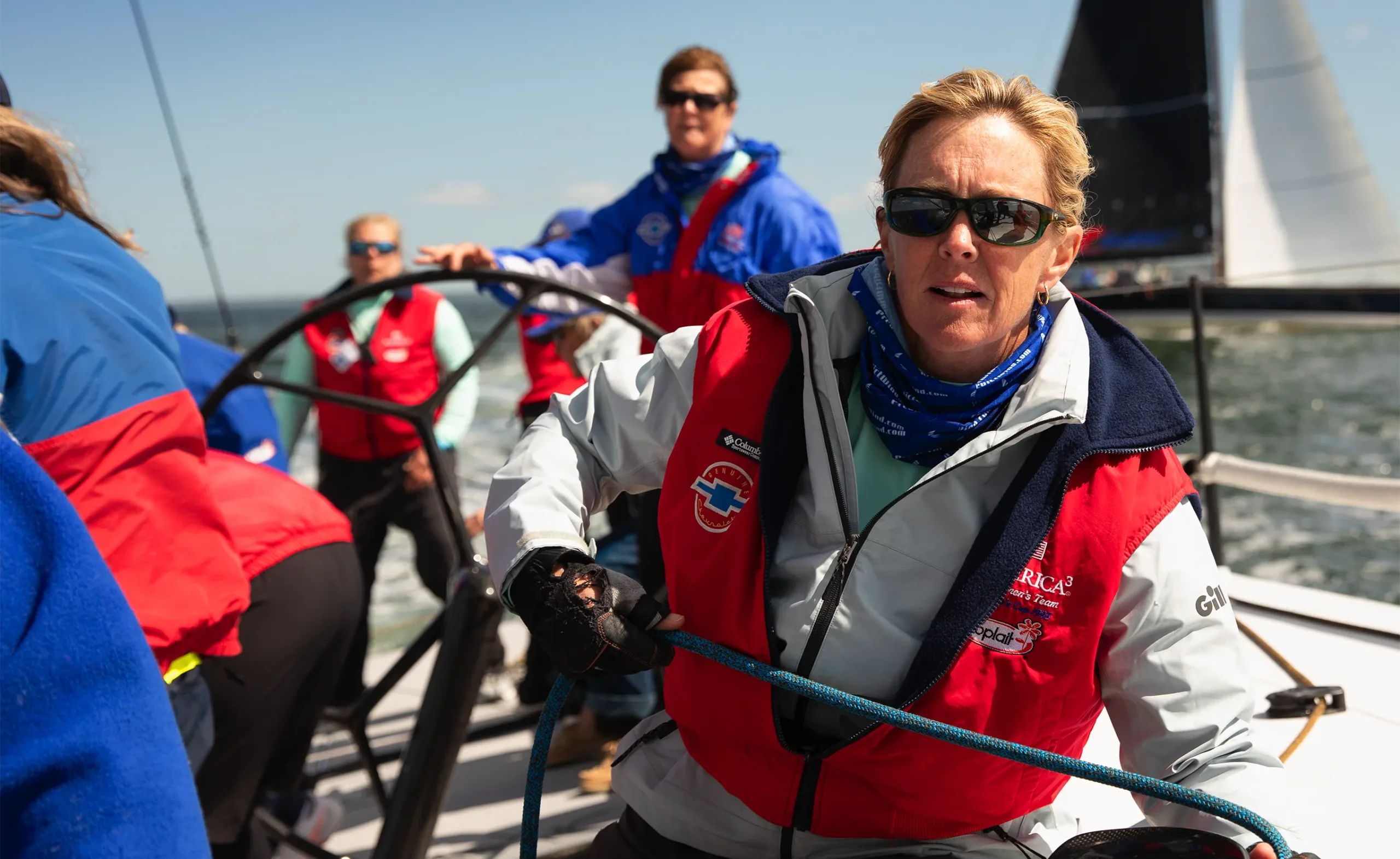

Dawn Riley and the sailors of Mighty Mary recall their 1995 campaign with the pride of athletes and the irritation of people who know that the racing alone did not settle their fate. Mary Mazzio gives those recollections room in a documentary about the first all-women crew to contend for the America’s Cup. The women competed in the trials to select its American defender, a distinction that matters once the film reaches the decisions made off the water. Their place in the competition was historic. Their authority within it was far less secure.
Archival race footage gives their testimony a physical charge. Boats strain through severe weather; one competing vessel sinks. Those images help viewers with little knowledge of sailing understand what the crew faced without requiring a lesson in every rule of the sport.
Mazzio’s interviews supply a different kind of detail. The women speak candidly about building the team and racing together, and the footage lets their accounts stand beside evidence of the work. They emerge as competitors with a shared history, rather than representatives assembled to make an uplifting point.
Bill Koch formed and financed the campaign. His backing made an all-women crew possible in a competition long dominated by men, but it also places the team’s achievement inside an awkward arrangement: the opportunity came through someone else’s power.
Mighty Mary is most interesting when the sailors’ accounts press against the familiar story of a benefactor opening a door. They trained, raced, and earned their result. Access meant little if the people around them could still decide what that result was allowed to mean.
The race against Dennis Conner’s Stars & Stripes brings that question into focus. Mighty Mary’s performance appears to deliver the upset the film has been building toward, while an arrangement made behind the scenes before the race keeps Conner in contention regardless of its outcome.
Mazzio has an unusually sharp piece of sports drama here: the women can do what the competition asks and still find that the terms have shifted elsewhere. Their lingering anger gives the revelation its force. It concerns a race they remember sailing, and a result they had reason to believe counted.
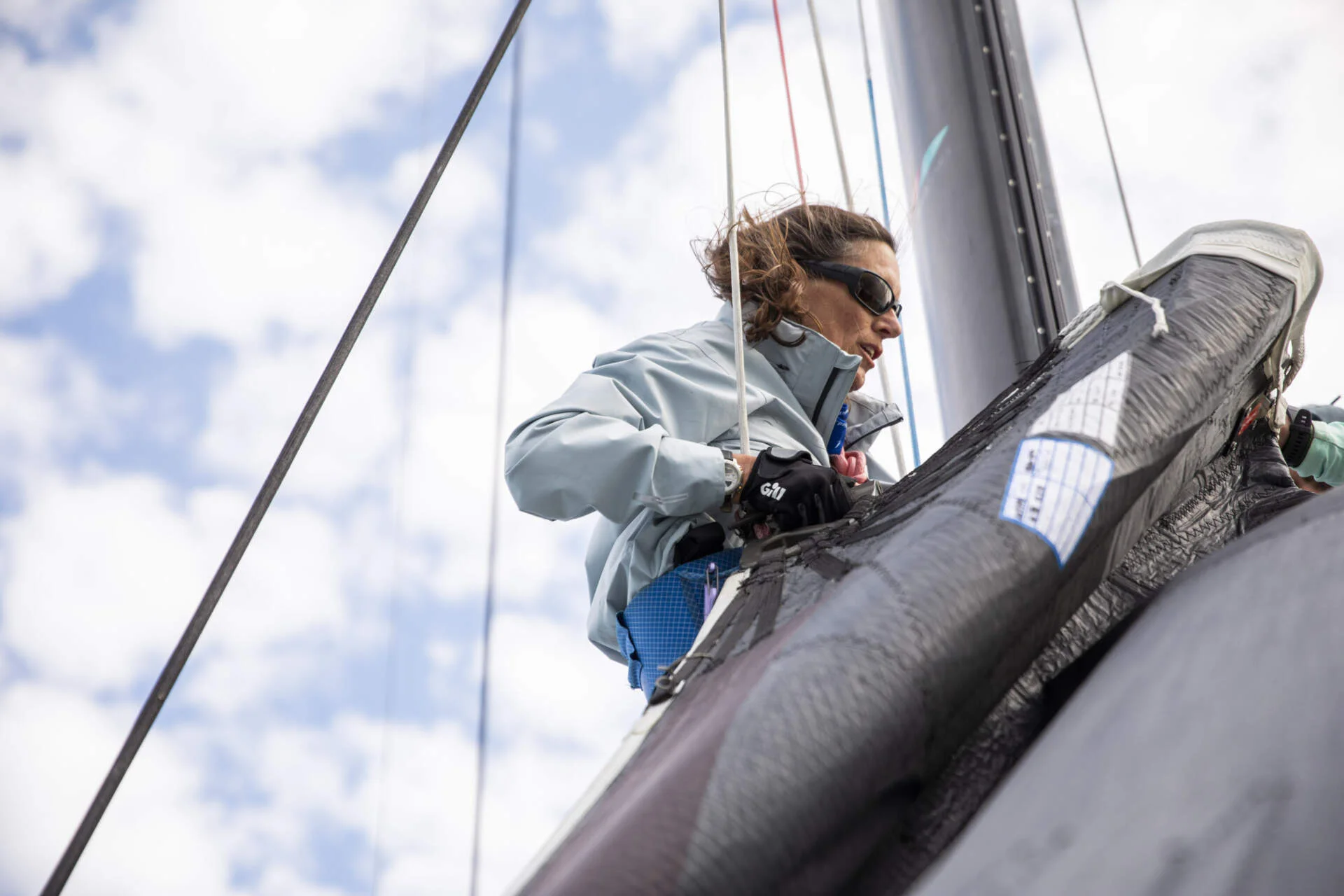
That conflict gives the film’s crowd-pleasing energy something firmer to rest on. The interviews and racing footage make the achievement exciting, while the qualifying dispute shows why a victory on the water could leave the crew with an unresolved grievance.
The detail needed to explain that dispute sometimes interrupts the momentum established by the sailors’ voices and the archival images. The alternating narration by Elizabeth Banks and Hugh Jackman creates a smaller break in rhythm; neither voice offers as much presence as the women recounting the experience themselves. Their accounts preserve both the excitement of the race and the anger that followed it.
Mighty Mary opened theatrically in select cities on September 11, 2026. The sports documentary chronicles the historic 1995 America’s Cup campaign of the first all-female sailing team as they defied expectations in a male-dominated sport.
Where to Watch Mighty Mary (2026) Online
Full Credits
Title: Mighty Mary
Distributor: Paramount Pictures / 50 Eggs Films
Release date: September 11, 2026 (Theatrical Release)
Running time: 1 hour 38 minutes (98 minutes)
Director: Mary Mazzio
Writers: Mary Mazzio, Allison Abner
Producers and Executive Producers: Mary Mazzio, Allison Abner, Grant Hill
Cast: Elizabeth Banks, Hugh Jackman, Dawn Riley
The Review
Mighty Mary
Mighty Mary draws its force from the sailors’ candid recollections and archival footage that makes their achievement thrilling even to viewers unfamiliar with sailing. The dispute over the race against Dennis Conner gives their lingering anger a clear cause. Dense qualifying details and the alternating narration occasionally interrupt the film’s momentum, but the crew’s voices hold its excitement and frustration together.
PROS
- Candid, absorbing crew interviews
- Gripping archival race footage
- A clear account of the dispute beyond the race
CONS
- Qualifying details sometimes slow the film
- Alternating narration disrupts its rhythm