


















Leaving Neverland 2: Surviving Michael Jackson picks up where the 2019 exposé left off, tracing Wade Robson and James Safechuck’s quest for justice through civil courts. Filmmaker Dan Reed frames their decade-long battle with the clarity of a vérité documentarian, intercutting split-screen Zoom hearings with archival footage.
This approach calls to mind India’s parallel cinema of the 1970s and ’80s, when directors like Shyam Benegal and Govind Nihalani foregrounded marginalized voices against institutional power. Here, survivors replace protagonists of bygone social dramas, their testimony standing in for the raw authenticity those Indian auteurs prized.
As with Satyajit Ray’s humanist eye, Reed captures fleeting expressions—Robson’s tight jaw, Safechuck’s distant gaze—to convey internal conflict without didactic narration. The editing rhythm mirrors street montages from Bollywood’s New Wave, shifting between press backlash and small-town courtroom whispers.
A sparse musical score underscores emotional weight, recalling the minimalist ragas used by parallel filmmakers to heighten mood. By casting this Western-centered story in a cross-cultural light, Leaving Neverland 2 nods to global trends in documentary craft—where the personal becomes universal through cinematic language rooted in cultural authenticity.
Roots of Reckoning: Contextual Foundations
Dan Reed returned to Wade Robson and James Safechuck’s experiences with a purpose that echoes the social-issue focus of India’s parallel cinema movement. Much like Shyam Benegal’s Ankur (1974) used intimate stories to expose power imbalances, Leaving Neverland 2 aims to spotlight how institutional fame can shield abuse. Reed’s motivation stems from the unresolved legal fights that followed the 2019 premiere—he sensed a narrative gap between survivor testimony and corporate accountability.
The sequel’s timeline unfolds methodically: Robson’s 2013 televised allegation sets the stage, and the 2019 premiere of the original film catalyzed lawsuits challenging statutes of limitations. Between 2019 and 2023, Reed traces key moments: an initial dismissal on grounds of legal deadlines; the successful appeal that leveraged California’s AB-218 to extend filing windows for abuse survivors; and the build-up to Reed’s 2024 Zoom hearings on Channel 4.
Robson and Safechuck emerge here as more than accusers—they become cultural interlocutors. Wade Robson, once a child performer in Jackson’s circle, grapples with reconciling his artistic admiration and survivor identity. James Safechuck confronts his past through reflective testimony that channels the introspective mood found in the edit-driven narratives of Bollywood’s more contemplative works.
Looking ahead, a jury trial slated for 2026 carries high stakes: a landmark precedent for late-filed claims against powerful estates, and validation of survivors’ voices on the global stage.
Echoes of Parallel Editing in Legal Drama
The opening act reframes the original documentary’s testimony with sparing recaps—brief flashes of childhood home videos, a quick montage of 2019 headlines—then plunges viewers directly into Robson and Safechuck’s current court filings. This technique mirrors the urgency found in parallel cinema’s initial setups, where social injustice is presented without ornamental backstory. Within seconds, split-screen Zoom hearings occupy the frame: on one side, Robson’s steady gaze; on the other, a judge’s raised eyebrow.
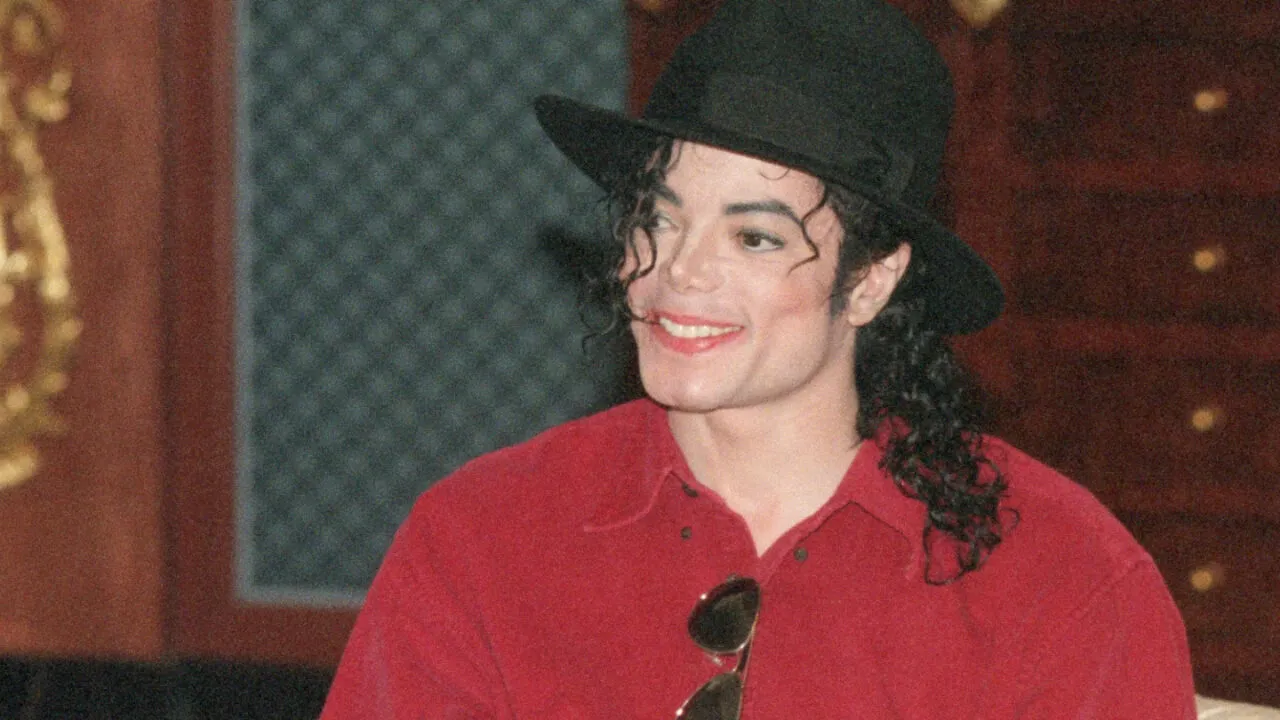
In the middle act, courtroom mechanics unfold with crisp precision. Reed intersperses full-screen shots of legal filings—typed exhibits echoing the stark titles of Indian social-issue films—with on-camera exchanges. When a litigator challenges a statute-of-limitations argument, the camera cuts to close-ups of hands tapping law books, reminiscent of Manoel de Oliveira’s contemplative focus on objects. Archival clips of Jackson’s mansions appear rarely, serving as symbolic counterpoints to the claustrophobic Zoom squares. Moments of procedural jargon give way to human beats: Safechuck’s trembling voice, a judge’s pause before delivering a ruling.
The climactic appeal sequence leans on rhythmic editing: rapid cuts between courtroom transcripts, appellate judges’ nods and headshakes, and legal counsel conferring off-screen. This pacing recalls Bollywood’s montage sequences in courtroom dramas—edited to heighten drama through tightened tempo. When California’s AB-218 overturns a dismissal, the frame splits briefly into four squares—a nod to Bollywood’s Vishwaroopam-style multi-angle storytelling—underscoring the triumph.
In the closing act, Reed offers only a hint of the 2026 jury trial: a single title card over a lingering shot of empty counsel tables. The tempo slows, allowing emotional resonance to settle like a ragtime motif fading into silence. Editorially, the absence of MJJ Productions’ voice widens the focus on survivors’ frames, reinforcing the film’s cultural authenticity while risking gaps in perspective.
Resonances of Resilience and Reckoning
Leaving Neverland 2 presents survivor trauma with a restraint that recalls the humanist ethos of Indian parallel cinema. Robson’s measured recounting of childhood memories—scenes of him navigating Jackson’s Neverland Ranch—mirrors the quiet moments in Govind Nihalani’s films, where characters shoulder internal conflicts against external forces. Safechuck’s reflections, captured in close-ups framed by muted interiors, reveal a resilience forged in private anguish. Both survivors mark milestones—therapy sessions, public testimonies, law changes—as steps in a long healing arc.
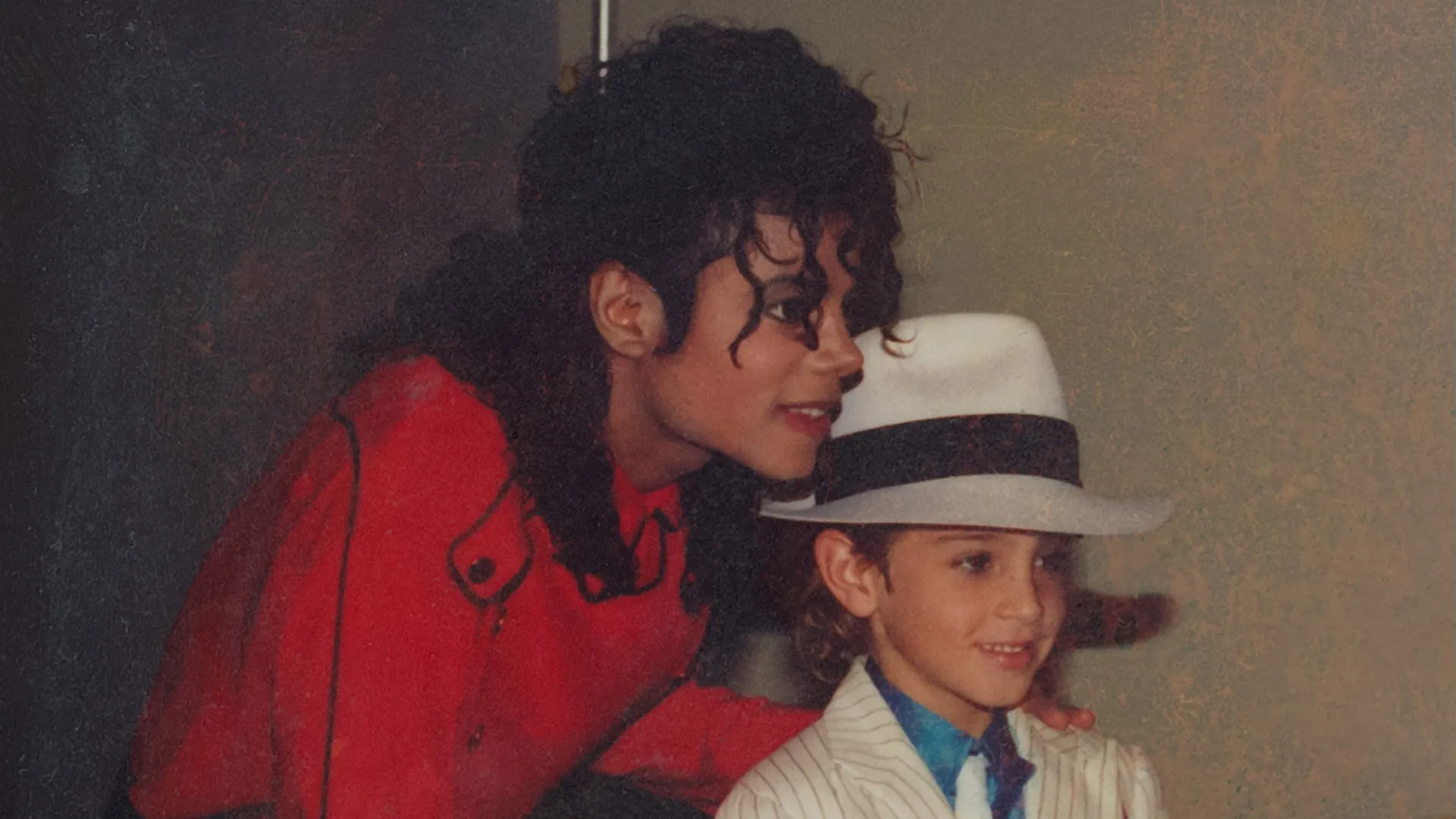
Fame’s protective sheen over Jackson echoes Bollywood legends who once escaped scrutiny behind star power. Here, MJJ Productions and MJJ Ventures serve as a corporate bulwark, their legal filings substituting for on-screen bodyguards. Reed’s decision to showcase courtroom documents side by side with fans’ chants underscores how celebrity can both elevate and conceal wrongdoing.
The 20-year delay between alleged abuse and accusation highlights the burden of memory. In a sequence where Safechuck flips through childhood photographs, the camera lingers on his trembling hand—an editing choice reminiscent of slow dissolves in arthouse Indian films, evoking how time warps trauma. Viewers feel the emotional hurdles as Robson revisits taped depositions, each pause in his testimony weighted by years of silence.
Public perception and misinformation surface in clips of talk-show pundits debating credibility. Oprah Winfrey’s calm affirmation contrasts with a YouTuber’s dismissive scoff—both represent “fan gatekeepers” shaping narratives across cultures. This interplay underscores how media ecosystems, from Western cable to Indian reality broadcasts, influence survivor voices.
Legal victory offers a form of vindication, yet Reed acknowledges unresolved needs: ongoing therapy, fractured family ties and spiritual reconciliation. In this light, Leaving Neverland 2 aligns with #MeToo narratives worldwide, where justice can set legal precedents but may leave personal closure unfinished. Artistic legacy remains contested territory, as Jackson’s music continues to resonate even as his reputation fractures under renewed scrutiny.
Crafted Frames: Direction and Design
Dan Reed applies an immersive restraint in his follow-up, contrasting the expansive arc of the original film with a focused legal odyssey. Rather than reiterate survivor narratives, he allows their voices to guide each sequence, framing them within deliberate visual rhythms. Split-screen interviews simulate courtroom tension—a technique reminiscent of parallel-cinema edits that place equal weight on individual perspectives.
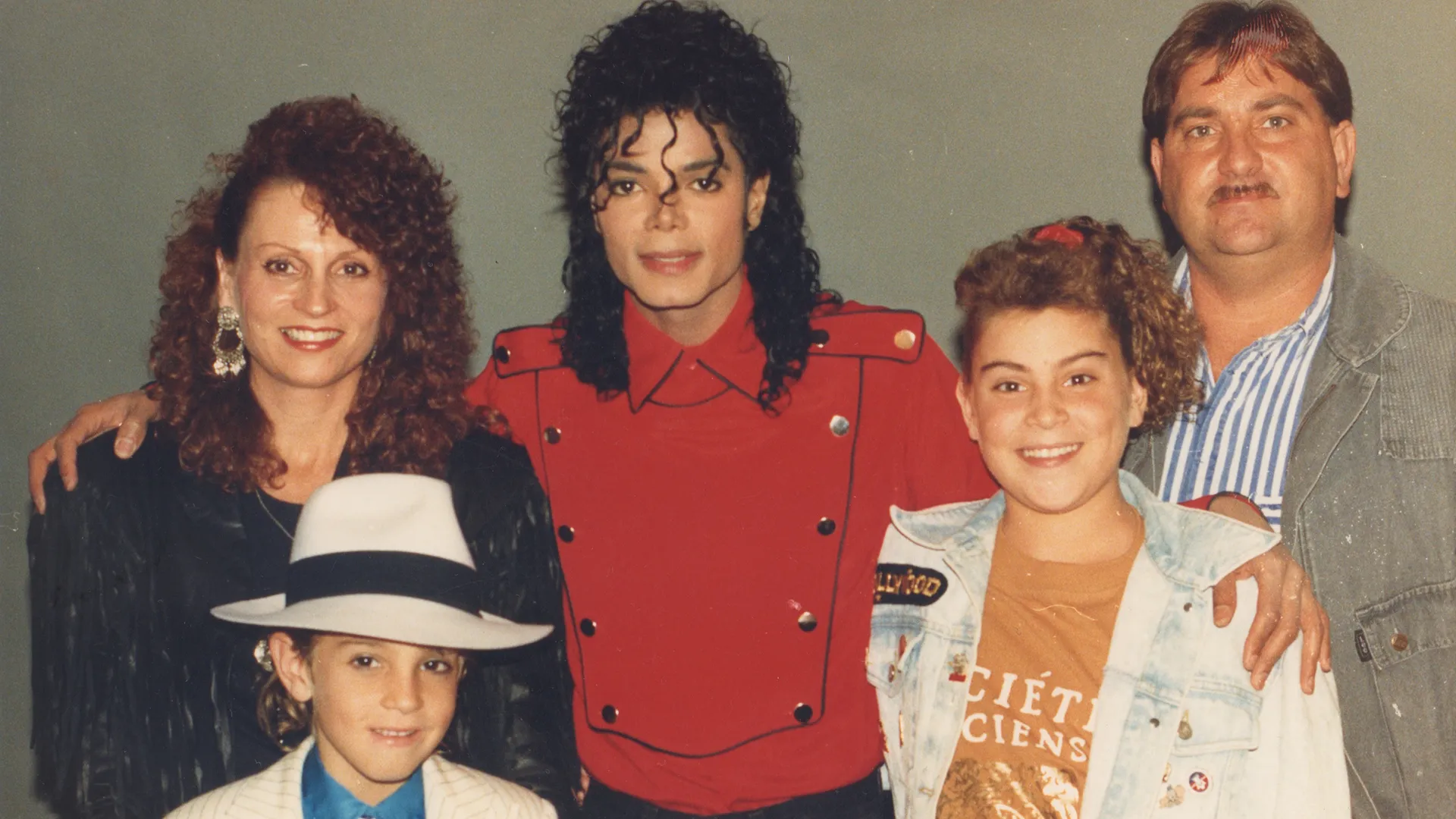
Cinematographer Sam Painter balances static wide shots of Zoom grids with intimate close-ups, allowing viewers to read subtle shifts in expression. Archival intercuts—grainy home videos, late-night news snippets—surface like flashbacks in classic Bollywood social dramas, where memory and present collide. Editors trim procedural jargon to essential beats, creating a pulse that mirrors the ebb and flow of legal arguments.
Sound designer Simon Brooks punctuates moments of testimony with near-silence, offering pauses that carry as much emotional weight as written verdicts. Sparse musical cues—ambient drones and distant piano notes—underscore critical revelations, evoking the understated scores of Indian realist films.
Reed’s visual motifs recur throughout: deserted mansions loom like relics of power, legal documents appear in stark close-ups, survivors stand against neutral backdrops that strip away corporate gloss. In the absence of on-camera estate responses, creative solutions emerge—letters shown in montage, echoing courtroom exhibits in 1980s Hindi thrillers. This resourceful approach keeps audiences engaged, transforming gaps into opportunities for poignant emphasis rather than narrative voids.
Faces of Testimony: Voices That Shape the Frame
Wade Robson emerges as an anchor for the narrative, his measured tone reflecting both survivor candor and a performer’s composure. When he recalls boyhood thrills at Neverland, his voice trembles just enough to convey lingering wounds without melodrama—akin to the unvarnished performances often found in Satyajit Ray’s humanist interviews. James Safechuck offers a complementary arc, revisiting old photographs with quiet reflection that echoes the introspective spirit of Mira Nair’s character studies.
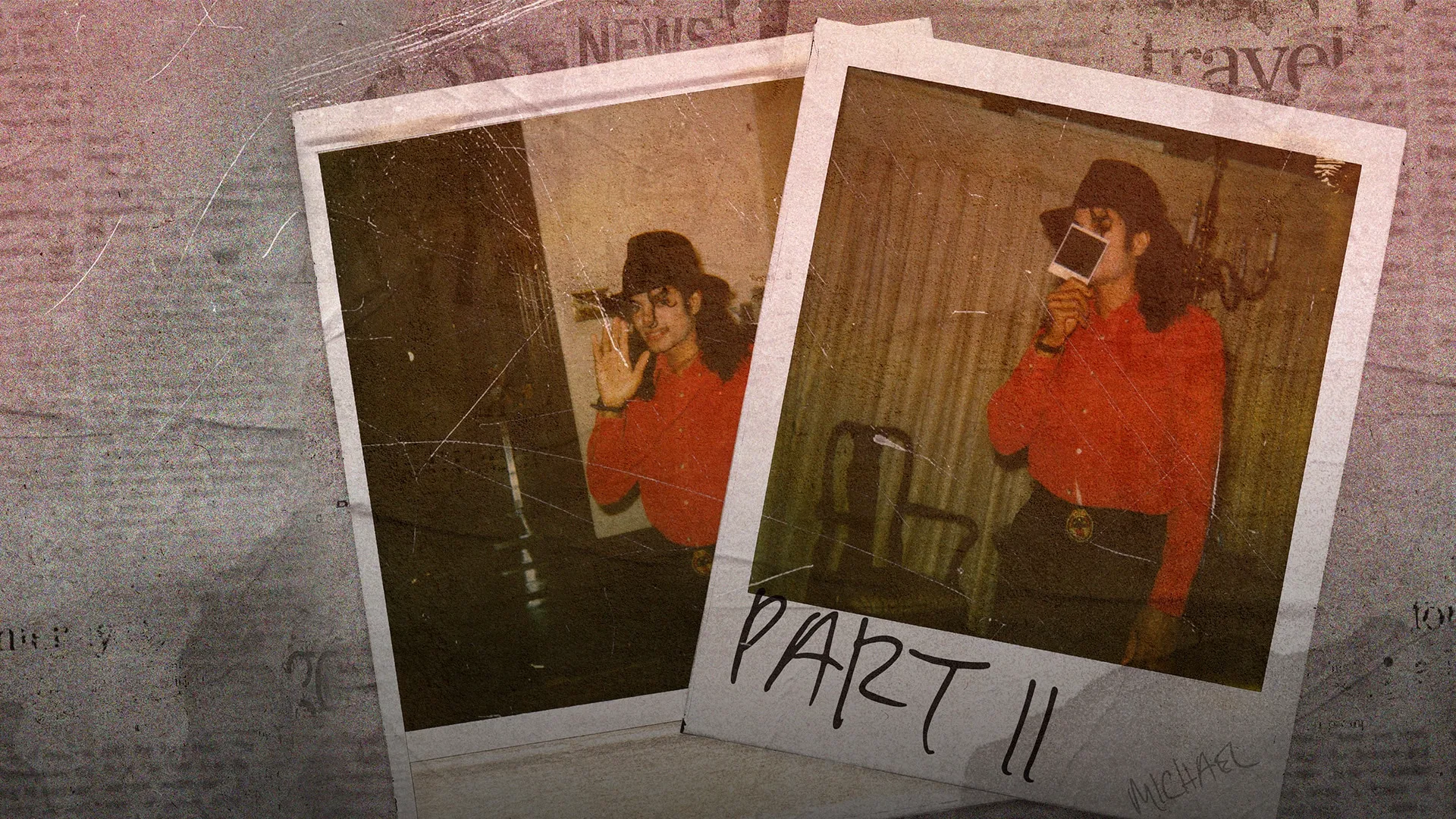
Legal experts Vince Finaldi and John Manly step into the frame with clear-eyed explanations of complex statutes. Their on-screen authority mirrors the didactic yet engaging approach used in docuseries like India’s courtroom-focused TV specials, where legal jargon is unpacked through conversational exchanges. Both convey persuasive power, balancing technical precision with approachable delivery.
Supporting participants surface in brief but telling moments: a parent’s muted expression as they acknowledge past inaction; Oprah Winfrey’s calm commendation of survivor courage; Dave Chappelle’s offhand dismissal of accusations. Each cameo adds texture, while the refusal of MJJ Productions to appear casts a long shadow—its absence felt as a silent emblem of corporate reticence.
Moments of raw emotion—Robson’s held breath before testimony, Safechuck’s glistening eyes—contrast with composed legal testimony, forging viewer empathy. Through these curated performances, Leaving Neverland 2 weaves a tapestry of voices that resonate across cultures, demonstrating how personal narrative and expert analysis can coalesce into universal insight.
Ripples Beyond the Courtroom
California’s expansion of filing windows for abuse survivors marks a turning point akin to legislative shifts that shaped India’s Protection of Women from Domestic Violence Act in 2005, offering new avenues for delayed claims worldwide. This sequel charts how AB-218 could inspire reforms in other regions, encouraging legal systems to reckon with decades-old injustices.
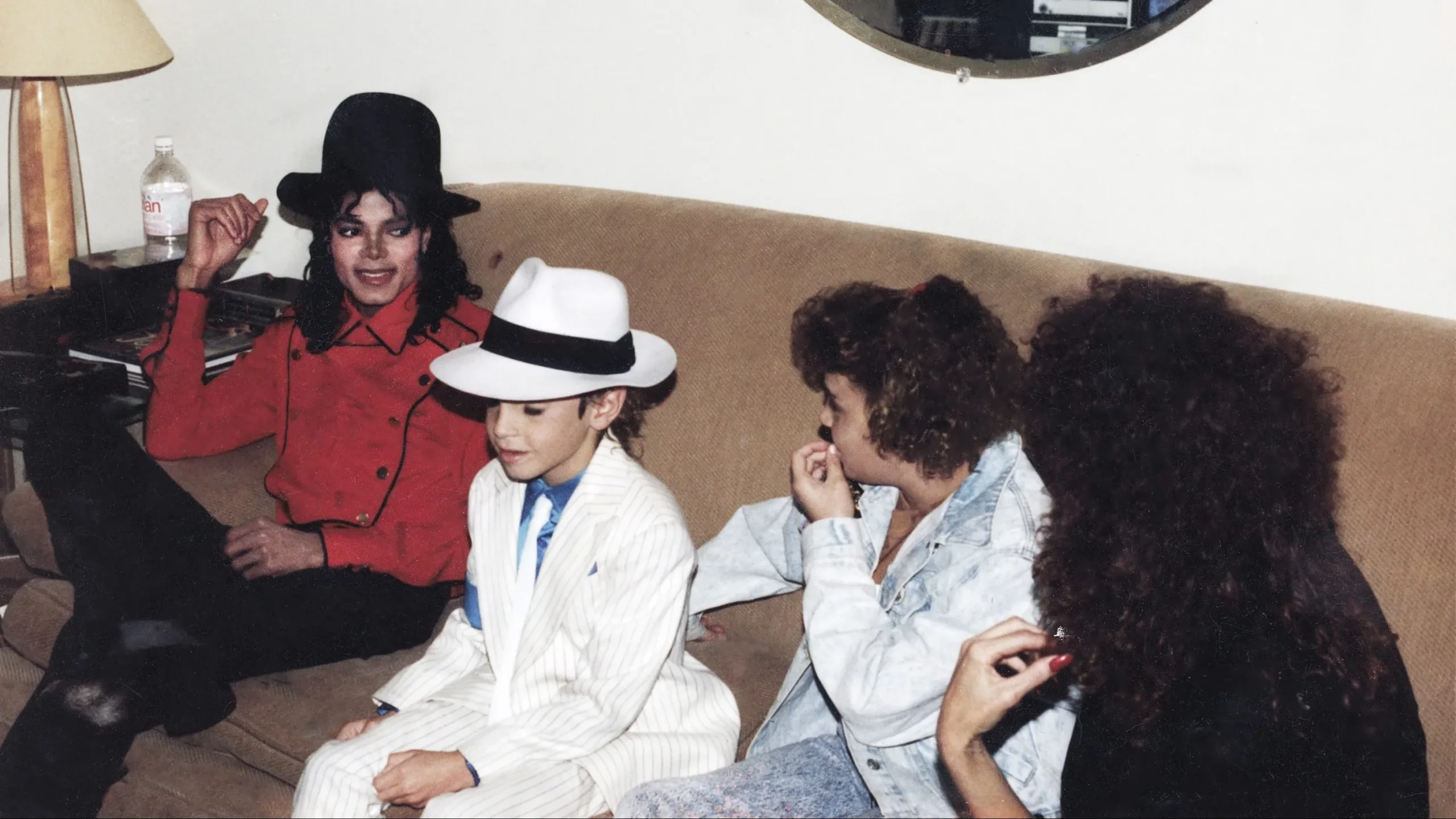
In documentary circles, Leaving Neverland 2 may set a template for survivor-centered storytelling, blending rigorous legal exposition with personal witness in the same way Bollywood’s period dramas recently have woven archival research into character arcs. Its YouTube debut versus Channel 4 broadcast underscores a growing debate over streaming’s reach and traditional networks’ editorial oversight.
Jackson’s musical legacy continues to spark debate: can institutions handle posthumous reputations when allegations resurface? Similar questions emerged when Satyajit Ray’s estate navigated renewed interest in his early films amid ethical controversies.
As eyes turn toward a 2026 jury trial, viewers may expect both courtroom intensity and deeper narrative layers—raising questions about the sequel’s added value. Will institutional accountability gain momentum, or will survivors’ voices remain confined to documentary frames?
Full Credits
Director: Dan Reed
Producers: Dan Reed, Marguerite Gaudin
Editor: Peter Haddon
Production Company: Amos Pictures
Distribution: Channel 4 (UK), Little Dot Studios via Real Stories on YouTube (US and Canada)
Cast: Wade Robson, James Safechuck, Michael Jackson (archive footage), Vince Finaldi, John Manly, Rosibel Ferrufino-Smith, Jason Francia (archive footage), Jordan Chandler (archive footage), Gavin Arvizo (archive footage), Ron Zonen, Bill Dworin, Oprah Winfrey (archive footage), Dave Chappelle (archive footage), Andy Signore, John Branca (archive footage)
The Review
Leaving Neverland 2: Surviving Michael Jackson
Leaving Neverland 2 delivers a compelling update on Robson and Safechuck’s legal fight, blending intimate testimony with deft filmmaking. Reed’s restrained direction and crisp editing illuminate the emotional toll of delayed justice, even as the absence of opposing voices leaves gaps. Though it sidesteps wider cultural debate, its patient pacing and authentic vantage reaffirm the power of survivor-centered storytelling. A must-watch for those tracking evolving documentary norms.
PROS
- Intimate survivor testimonies framed with emotional clarity
- Split-screen editing that heightens courtroom tension
- Editing balances legal detail with personal moments
- Sound design uses silence to amplify testimony
- Cross-cultural resonance with global documentary trends
CONS
- Absence of estate perspective creates narrative gaps
- Procedural sequences occasionally slow pacing
- Short runtime limits deeper cultural analysis
- Heavy legal focus may feel technical for some viewers
- Minimal context on public backlash beyond key clips