













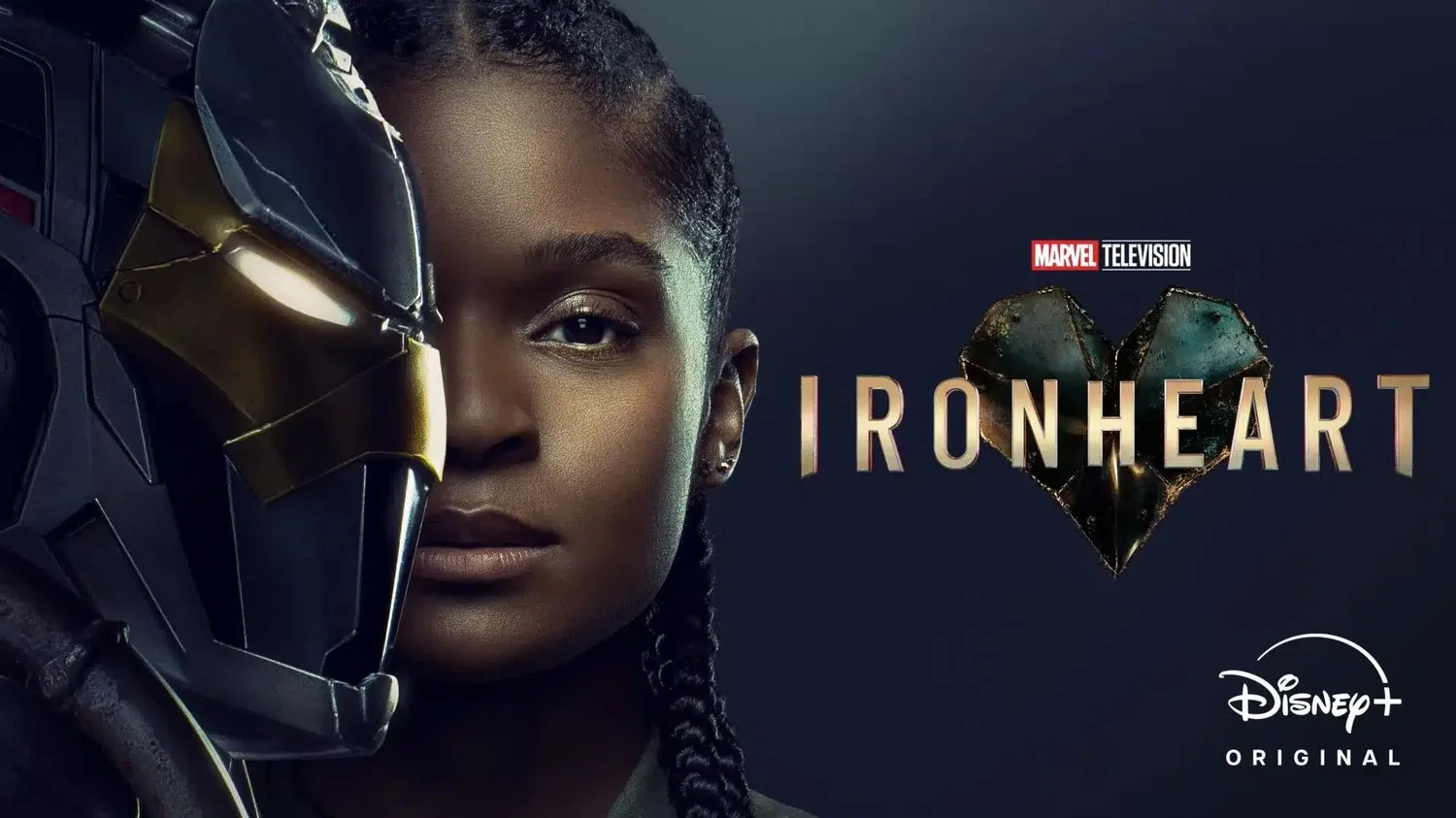

In the shadow of expulsion lies the birth of purpose—Dominique Thorne’s Riri Williams emerges from MIT’s hallowed halls not as failure, but as something far more dangerous: a genius unmoored from institutional constraint. Here is a young woman whose brilliance burns brightest when stripped of safety nets, whose creativity flourishes in the fertile soil of necessity. The series opens with this fundamental rupture—education as abandonment, knowledge as exile—and builds its six-episode meditation around the philosophical tension between what we inherit and what we create from nothing.
Chicago becomes the crucible for this transformation, its South Side streets serving not merely as backdrop but as existential theater where trauma crystallizes into purpose. Riri returns home carrying the weight of dual losses—stepfather and best friend claimed by violence that speaks to the arbitrary cruelty threading through American urban existence. This is grief as architect, shaping the contours of ambition and moral compromise in equal measure.
The series positions itself as spiritual successor to Tony Stark’s legacy while interrogating the very foundations of that inheritance. Where Stark built from privilege, Riri constructs from scarcity; where he had resources, she has resourcefulness. This inversion creates space for examining whether heroism can exist without wealth, whether innovation can flourish without institutional backing. The iron suit becomes metaphor—protection forged from vulnerability, strength hammered from fragility.
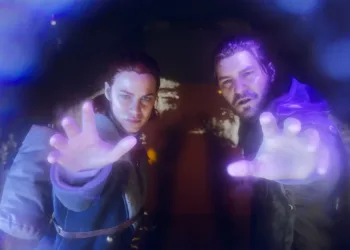
Science confronts magic through Parker Robbins’ Hood, establishing the central dialectic that drives the narrative forward: empirical truth versus mystical power, the measurable against the ineffable. Chicago itself participates in this dance, its streets whispering stories that statistics cannot capture.
The Ghosts We Choose to Keep: Performance as Resurrection
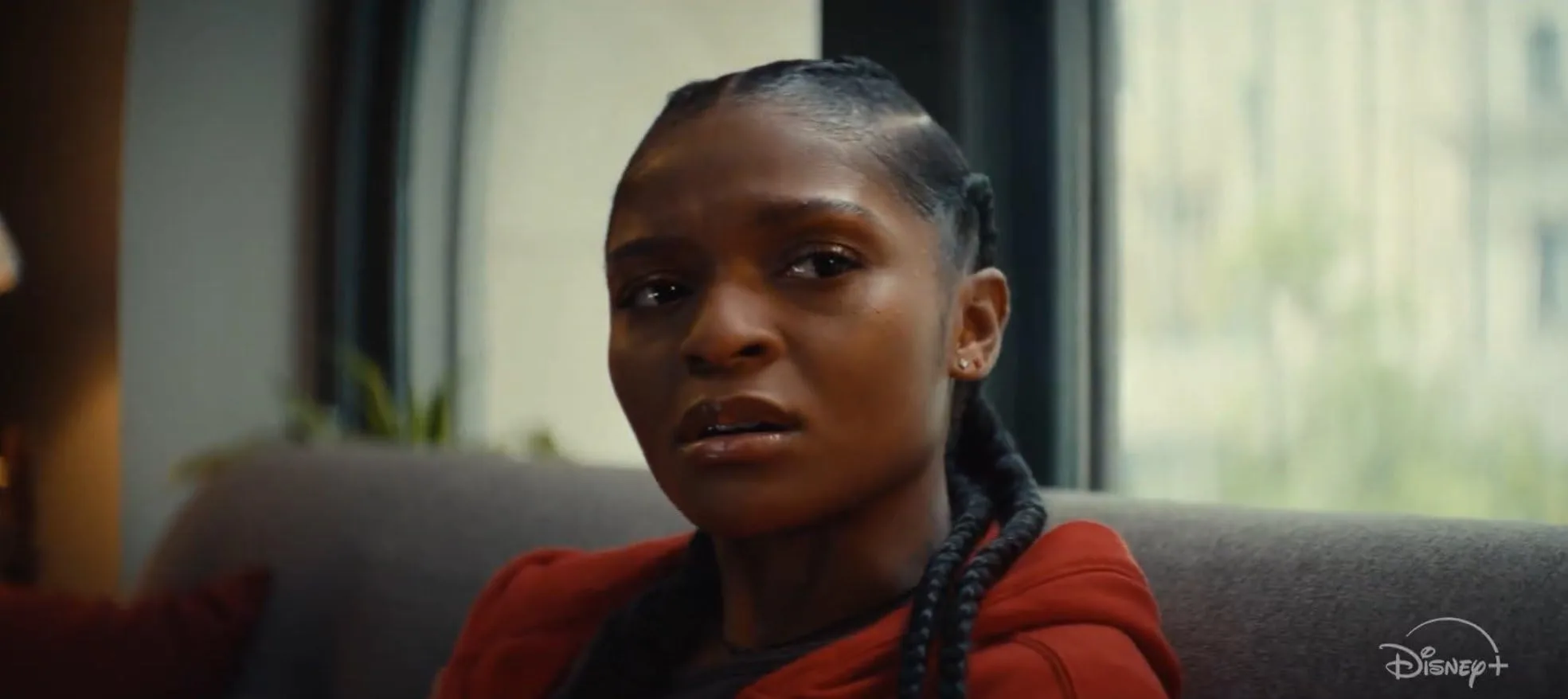
Dominique Thorne inhabits Riri Williams with the particular intensity of someone who has learned that brilliance is both blessing and burden—a flame that illuminates while it consumes. Her performance walks the knife’s edge between ambition and desperation, each scene revealing layers of a character who has weaponized her intellect against a world that offers no safety net for genius without generational wealth. Thorne’s Williams carries grief like armor, her determination born not from confidence but from the existential terror of insignificance. She wants to surpass Tony Stark, yes, but beneath this drive lurks a darker truth: the fear that without achieving greatness, the losses that shaped her will have been meaningless.
The series’ most haunting decision lies in its treatment of death as dialogue partner. Lyric Ross returns as Natalie Washington—not as memory or flashback, but as AI construct, a digital resurrection that transforms mourning into conversation. Here, the show stumbles into profound philosophical territory almost accidentally. What does it mean to commune with our dead through technology? Ross breathes warmth into what could have been mere gimmick, creating chemistry with Thorne that feels simultaneously healing and deeply unsettling. We witness friendship continuing beyond the grave, love persisting through code—but at what cost to the living?
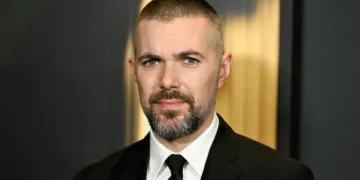
Anthony Ramos embodies Parker Robbins as a figure caught between worlds, his Hood persona suggesting mythic power while revealing very human fragility. His motivations remain deliberately opaque, creating an antagonist who feels less like villain than dark mirror—another brilliant mind seeking legacy through morally ambiguous means. The supporting ensemble—Ehrenreich’s mysteriously benevolent Joe McGillicuddy, the diverse criminal collective of Andre, Denis, and Couleé—operates as extended family born from necessity rather than blood.
Each performance serves the series’ central meditation: how do we construct identity from fragments of loss, and what prices do we pay for the ghosts we refuse to release?
The Fractured Mirror: Narrative as Moral Labyrinth
The series constructs itself as origin myth, yet what emerges feels less like birth than excavation—each episode unearthing layers of moral sediment that have accumulated around questions of justice, legacy, and the prices we pay for power. The three-act structure operates like a philosophical syllogism: premise (genius without resources), development (compromise as survival strategy), and a conclusion that refuses to conclude, leaving viewers suspended in ethical ambiguity.
Within this framework, the heist format becomes something darker than mere episodic convenience. Each job serves as moral test, escalating not just in stakes but in the fundamental challenge they pose to Riri’s sense of self. The series asks: when does Robin Hood become the Sheriff of Nottingham? When does redistribution become exploitation? These questions hover like smoke through Chicago’s streets, never quite settling into answers.
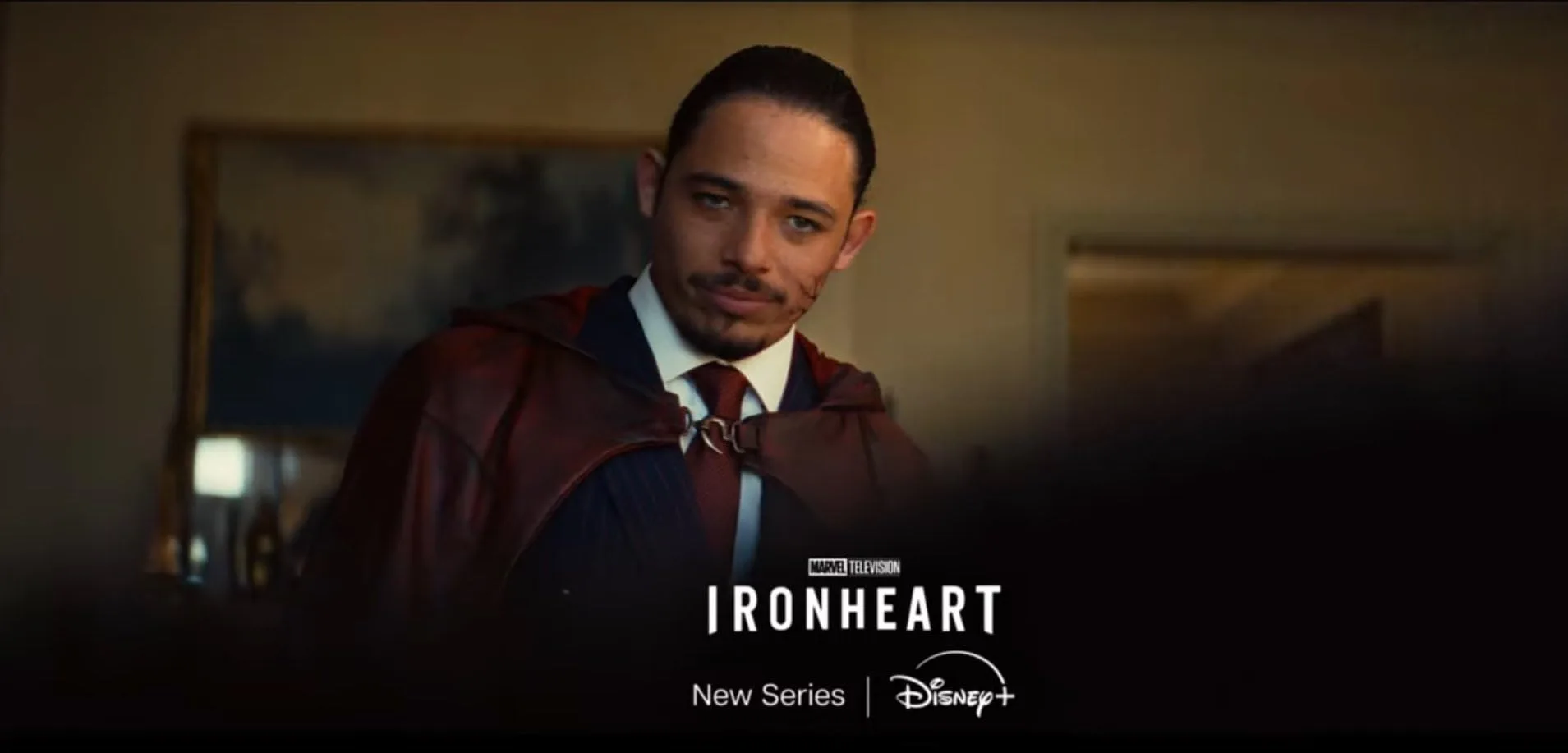
The MIT expulsion functions as expulsion from Eden—knowledge without institutional blessing becomes dangerous freedom. Riri’s recruitment by The Hood’s enterprise represents the classic Faustian bargain, though here the devil wears a literal hood and speaks of justice while his hands work in shadow. The escalating moral dilemmas create a kind of philosophical vertigo: we watch a character we’re meant to admire make choices that grow increasingly difficult to defend.
Science confronts magic not as opposing forces but as different languages attempting to describe the same fundamental mystery—power’s relationship to responsibility. Yet the series stumbles here, treating magic as exotic intrusion rather than exploring how both represent humanity’s attempt to transcend limitation through different means.
The narrative’s greatest strength lies in its refusal to provide easy moral clarity. Vigilantism becomes both necessity and corruption; loyalty transforms into complicity; innovation serves both liberation and destruction. These character-driven moments between action sequences create space for contemplation, for the kind of moral breathing room that allows viewers to feel the weight of choices alongside the characters.
But the structure bears fractures. Pacing stutters between episodes like a heart with irregular rhythm. The finale abandons philosophical inquiry for spectacle, as if the series lost confidence in its own deeper questions. We’re left with setup masquerading as resolution, promise substituted for payoff.
The Alchemy of Limitation: Craft as Philosophical Statement
In the tension between aspiration and constraint, Ironheart discovers its visual soul. The series bears the scars of budgetary limitation like battle wounds, yet these very restrictions force a kind of creative alchemy that transforms mundane spaces into theaters of conflict. Chicago exists here not as digital construction but as lived geography—streets that breathe with history, buildings that carry the weight of genuine habitation. When Atlanta occasionally masquerades as the Windy City, the deception feels less like failure than acknowledgment of cinema’s inherent artifice.
The iron suit itself becomes metaphor made manifest: protection cobbled from salvaged parts, beauty emerging from necessity’s harsh demands. Practical effects integration suggests the philosophical marriage of human craft and digital possibility, though the seams occasionally show like scars across the frame. These technical imperfections feel oddly appropriate for a series about making do with less—Riri’s genius constrained by resources, the show’s ambitions constrained by budget.
Action choreography adopts street-level intimacy that transforms limitation into aesthetic choice. The White Castle sequence achieves something approaching poetry—fast food architecture becoming arena for moral reckoning, everyday objects weaponized through STEM ingenuity. Here, constraint births innovation: when you cannot afford spectacle, you must create meaning.
The soundtrack avoids obvious musical shortcuts, crafting sonic landscapes that feel organically connected to Chicago’s cultural ecosystem. Sound becomes character—the city’s rhythms pulse beneath dialogue, its musical DNA threading through scenes like hereditary memory.
Cinematography maintains human scale even amid superhuman action, cameras positioned at eye level rather than floating in digital godhood. Lighting choices favor authenticity over glamour, shadows falling where shadows would naturally fall rather than where drama might prefer them.
Yet technical limitations leave their marks: CGI inconsistencies that jar viewers from immersion, green screen work that feels painfully obvious, editing rhythms that stumble during crucial action beats. The AI character visualization attempts something profound—digital resurrection rendered visible—but wavers between touching and uncanny.
These production values create their own philosophical statement about making art within systems of scarcity.
The Weight of Witness: Representation as Existential Act
Ironheart carries the profound burden of visibility—a Black woman in STEM occupying center stage in a universe historically dominated by white male genius. Yet Thorne’s Riri Williams transcends tokenism through the raw authenticity of her struggle, her brilliance emerging not despite her circumstances but because of them. The series positions her intelligence as both weapon and wound, a gift that isolates as much as it elevates. In this portrayal lies a darker truth about exceptionalism: how society demands superhuman performance from those it systematically disadvantages.
The Chicago South Side breathes with lived complexity, avoiding the dual traps of poverty tourism and sanitized uplift narrative. Here, economic disparity functions not as backdrop but as active force—shaping choices, limiting options, transforming survival into constant negotiation with moral compromise. The series examines how brilliance without capital becomes tragedy, how educational institutions serve as gatekeepers rather than great equalizers. Riri’s expulsion from MIT reads as indictment of systems that claim meritocracy while demanding conformity.
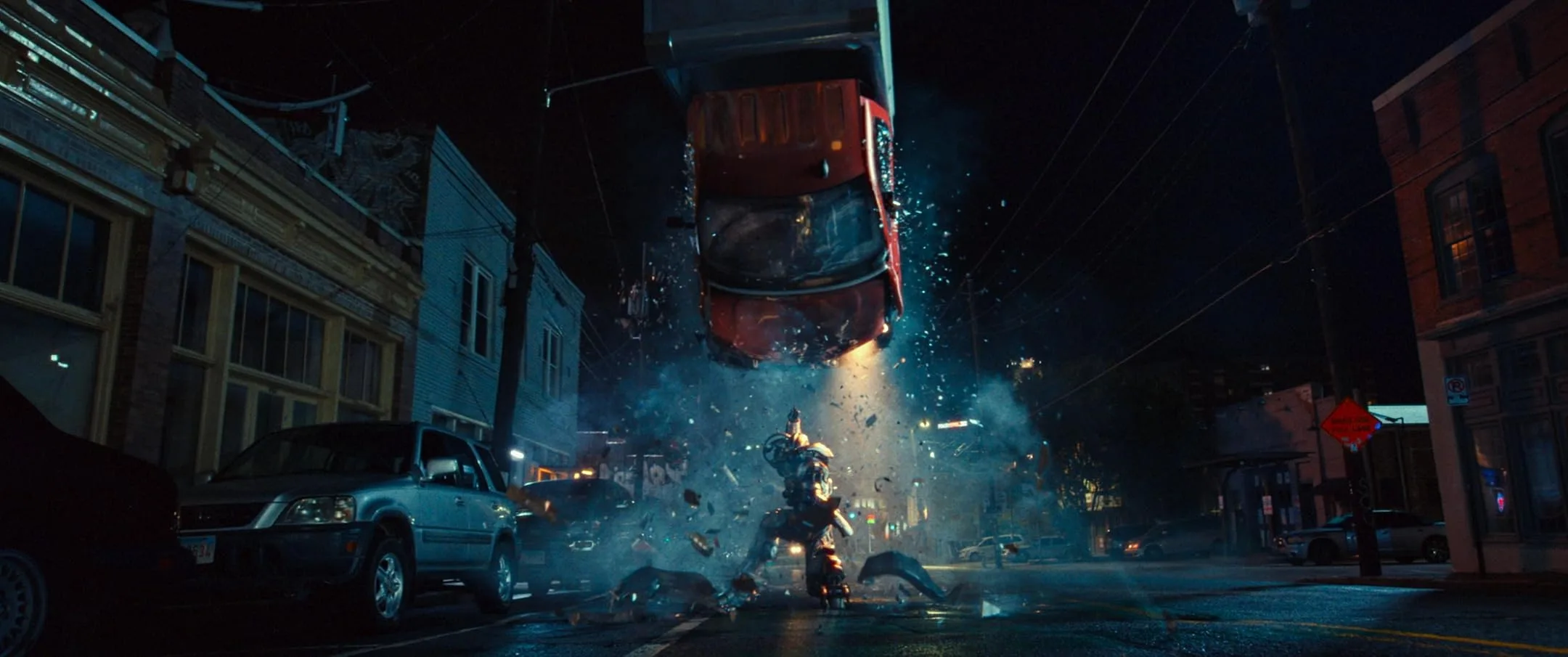
Urban violence haunts these streets not as sensationalized spectacle but as existential reality—the arbitrary cruelty that shapes every decision, every relationship, every dream deferred or destroyed. The series asks uncomfortable questions about community resilience: how do we build bonds when loss is constant companion? How do we nurture hope when death strikes without meaning or mercy?
Technology ethics emerge through the AI subplot, raising questions about digital resurrection that feel increasingly urgent in our age of artificial intelligence. The series stumbles toward profound philosophical territory—what consent do the dead have in their digital afterlives?—without fully grappling with the implications.
Within Marvel’s broader mythology, Riri represents evolution: street-level heroics grounded in recognizable human experience rather than cosmic abstraction. She inherits Iron Man’s technological legacy while rejecting his economic privilege, creating space for heroism born from necessity rather than noblesse oblige. The series suggests that perhaps the next generation of heroes must emerge not from wealth but from want.
The Paradox of Potential: Art Suspended Between Being and Becoming
Ironheart exists in that liminal space between what it achieves and what it might have been—a series that touches profound themes while never quite embracing their full weight. Dominique Thorne’s performance anchors the work with the kind of lived authenticity that transforms superhero mythology into human truth, her portrayal carrying the existential burden of genius without resources, ambition without safety net. Chicago breathes through every frame as more than setting—it becomes co-conspirator in the narrative, its streets whispering histories that statistics cannot capture.
Yet the series suffers from a kind of philosophical vertigo, raising questions about ethics, legacy, and the price of heroism without the structural courage to pursue their darkest implications. The magic-science dialectic never achieves true synthesis, leaving viewers with fragments of deeper inquiry rather than sustained examination. Characters orbit around Riri’s gravitational pull without achieving their own luminosity—supporting players reduced to function rather than flourishing as fully realized beings.
The finale abandons contemplation for spectacle, as if the series lost faith in its own capacity for sustained philosophical inquiry. We’re left with promise rather than payoff, setup masquerading as resolution. This feels particularly tragic given the moments of genuine insight that flicker throughout—instances where the series approaches something approaching profundity before retreating into safer narrative territory.
For Marvel completionists, the series offers sufficient rewards to justify attention. For viewers seeking character-driven superhero narratives that grapple with real-world consequence, Ironheart provides enough substance to warrant engagement, though perhaps not enough to demand repeated viewing.
The series functions best as foundation—not masterpiece but cornerstone upon which something greater might eventually be built. In this, it mirrors its protagonist: brilliant potential constrained by circumstances, reaching toward greatness while bound by limitation.
Full Credits
Director: Sam Bailey, Angela Barnes
Writers: Chinaka Hodge, Malarie Howard, Francesca Gailes, Jacqueline J. Gailes, Amir Sulaiman, Cristian Martinez
Producers: Ethan Smith, Francesca Gailes, Jacqueline J. Gailes
Executive Producers: Kevin Feige, Louis D’Esposito, Brad Winderbaum, Zoie Nagelhout, Chinaka Hodge, Ryan Coogler, Sev Ohanian, Zinzi Coogler, Robert Kulzer
Cast: Dominique Thorne, Lyric Ross, Manny Montana, Matthew Elam, Anji White, Jim Rash, Eric André, Cree Summer, Sonia Denis, Shea Couleé, Zoe Terakes, Shakira Barrera, Anthony Ramos, Alden Ehrenreich, plus Harper Anthony, Regan Aliyah, LaRoyce Hawkins, Paul Calderón, Sacha Baron Cohen
Cinematographers (Director of Photography): Ante Cheng, Alison Kelly
Editors: Rosanne Tan, Deanna Nowell, Cedric Nairn‑Smith, Shannon Baker Davis
Composer: Dara Taylor
The Review
Ironheart
Ironheart emerges as a series caught between ambition and execution—a work that gestures toward profound philosophical territory while lacking the structural courage to fully inhabit its darker implications. Dominique Thorne's luminous performance and Chicago's authentic presence elevate material that ultimately retreats from its own most challenging questions. The series succeeds as character study and fails as cohesive narrative, offering glimpses of greatness constrained by limitation. Like its protagonist, Ironheart represents brilliant potential hemmed in by circumstances, reaching toward transcendence while remaining earthbound.
PROS
- Dominique Thorne's compelling lead performance
- Authentic Chicago setting and atmosphere
- Character-driven emotional depth
- Accessible standalone storytelling
- Creative action within budget constraints
CONS
- Uneven pacing and structure
- Underdeveloped supporting characters
- Anticlimactic finale
- Limited thematic exploration
- Magic/science integration issues