













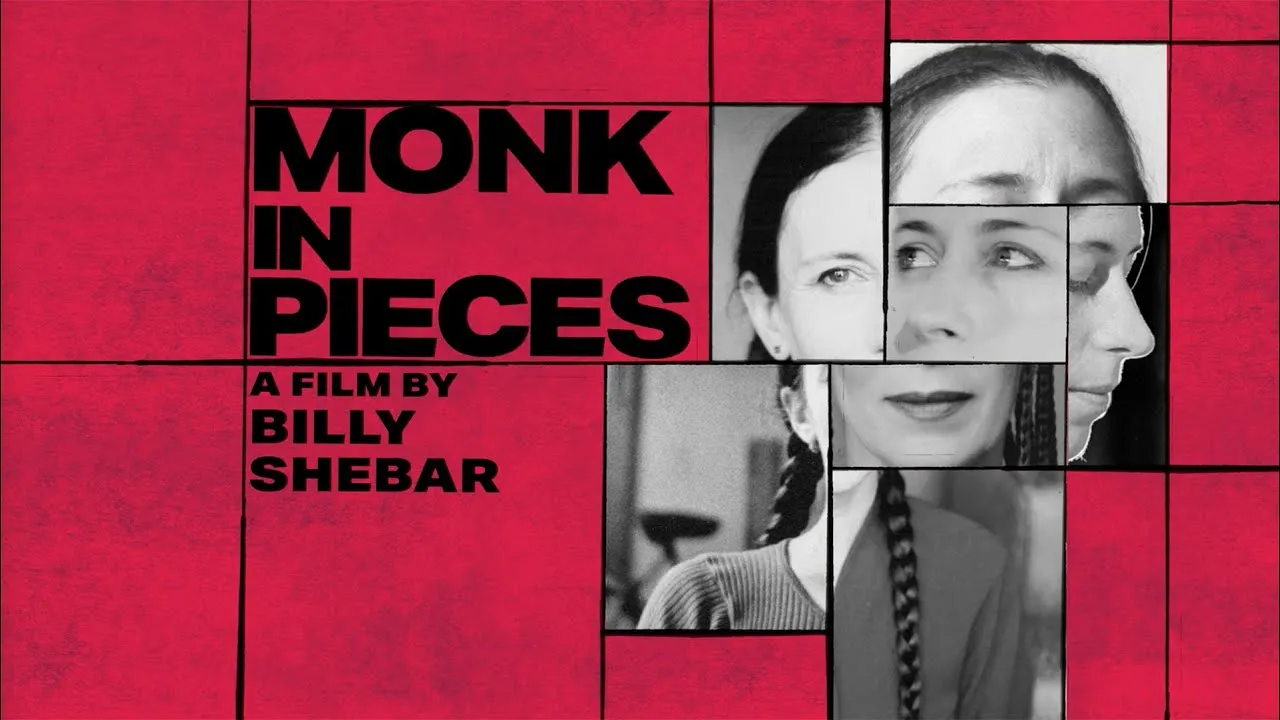

There are sounds that exist before words, utterances from a place so deep within the human animal that language feels like a recent and clumsy invention. This is the territory of Meredith Monk. To hear her work is to hear a voice splinter into a chorus of ghosts and children, a percussive chatter of bone against tooth, a soaring lament that seems to carry the weight of a species.
It is the sound of the body thinking. The documentary Monk in Pieces does not attempt to explain this phenomenon. It wisely chooses to circle it, to witness it, to get close enough to the fire to feel the heat.
The film invites us into the quiet rooms where this storm of sound is born, presenting not an icon but a person, vulnerable and fiercely intelligent. It documents a life spent in radical service to a singular idea: that the fragile, mortal body is itself a complete and sufficient vessel for the most profound artistic expression.
The Shattered Mirror
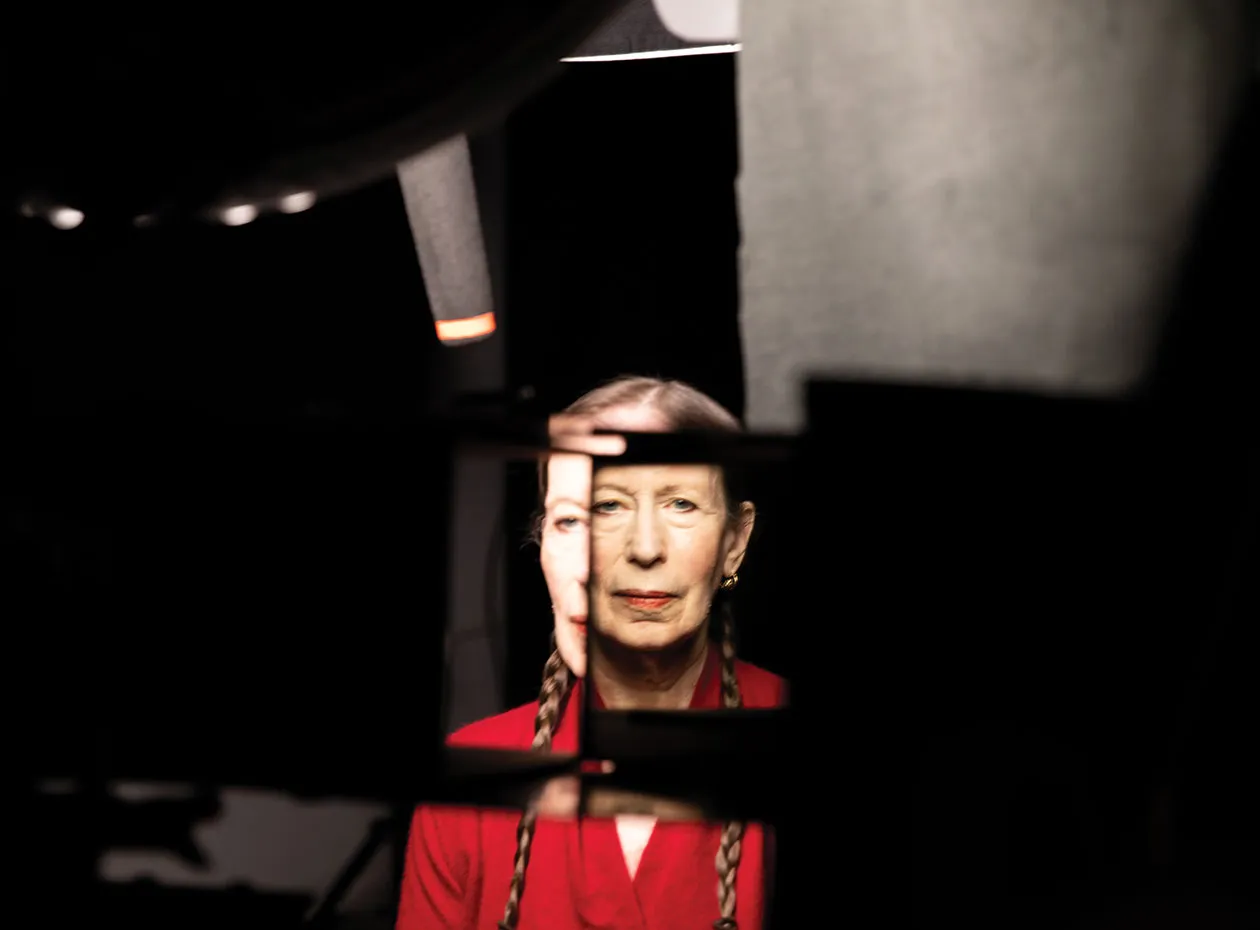
A life is not lived in a straight line; that is a fiction imposed by calendars and biographers. Real existence is a fractured collection of moments, a shattered mirror reflecting a different angle in every shard. The directors of Monk in Pieces embrace this truth, abandoning linear narrative for a structure that feels more like the chaotic simultaneity of consciousness itself.
Their film is a mosaic built from the textured debris of a life: the grainy, almost spectral 16mm footage of early performances contrasts sharply with the high-definition clarity of a contemporary interview, forcing a constant awareness of the gulf of time. This is not mere assembly; it is a philosophical argument against the tidiness of story.
The film’s editing becomes an act of inquiry. In one haunting sequence, a split screen catches Monk across four decades, articulating the same core belief with the unnerving consistency of a recurring dream. Is this a testament to an unwavering vision, or the sound of an artist gracefully trapped within her own myth? The filmmakers never say.
Later, a montage of critics attempting to define her work becomes a cacophony of misunderstanding, a wall of intellectual noise confirming the solitude of her path. Even the animation feels less a flourish and more a necessary descent, a way to map the subconscious.
Its flat, 2D style is a direct nod to her strabismus, allowing us, for a moment, to see through her eyes—to experience the world not as a space to be entered, but as a series of layered planes, a reality fundamentally different from our own.
The Architecture of Wounds
Art of this consequence is rarely born from serenity. It is an architecture built from the fault lines of a life, a shelter constructed within one’s own damage. The documentary quietly guides us into the intimate spaces where Monk’s difficult and luminous gifts were forged.
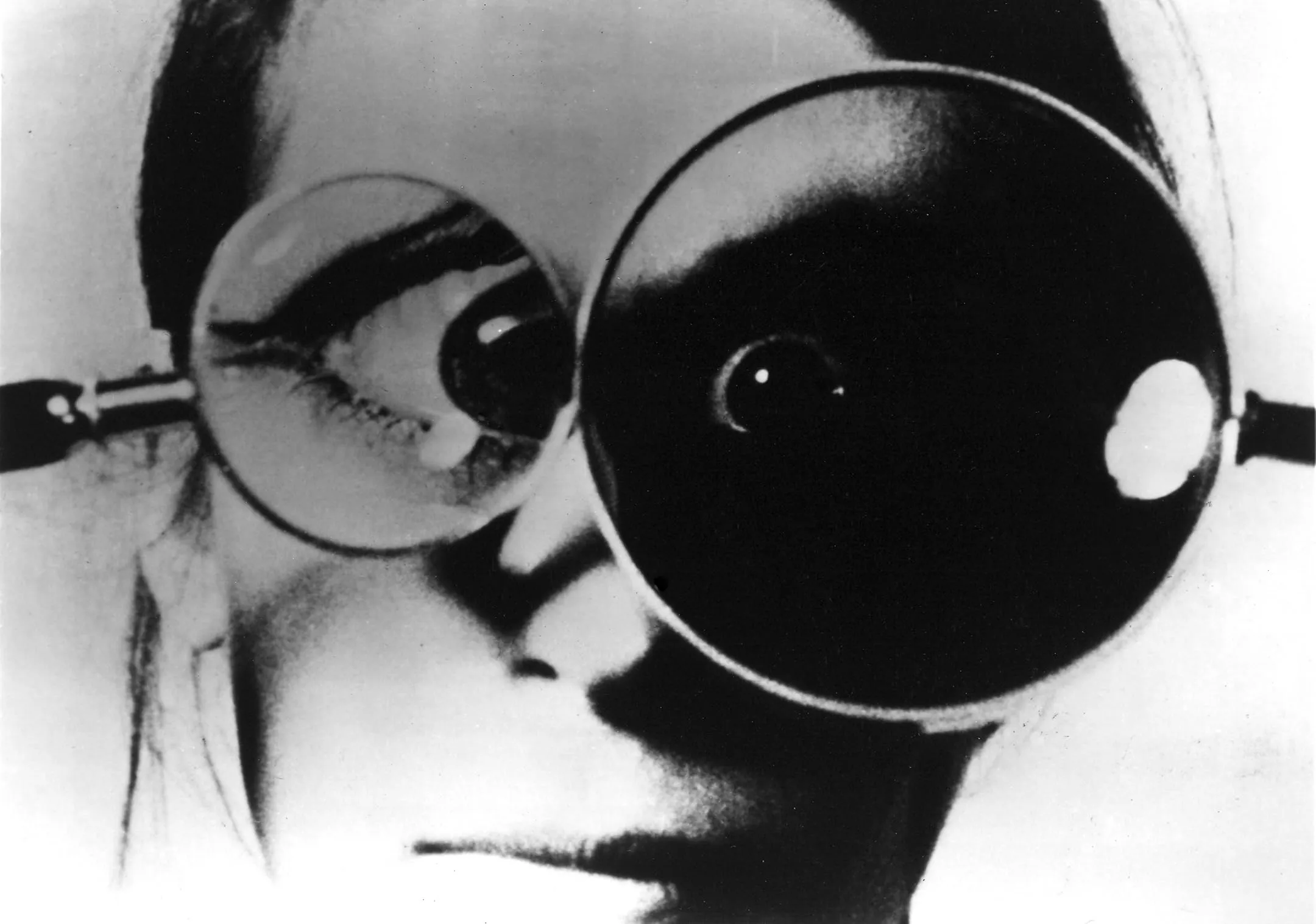
We learn that her childhood strabismus was not a simple flaw to be corrected, but the foundational schism in perception that demanded a new way of being. Her enrollment in Dalcroze Eurhythmics became more than a therapeutic exercise; it was the dissolution of the barrier between body and mind, between a sound and the gesture that creates it—a healing of a philosophical split that would define her entire artistic output.
The ghost of her mother, a singer of commercial jingles, haunts the narrative. Her mother’s professional collapse stands as a stark cautionary tale, a vision of the spiritual death that comes from trading an authentic voice for the fleeting warmth of public approval. Monk’s subsequent career can be read as a lifelong rebellion against that specific fate, a flight from the “bad faith” of a compromised existence.
The film finds its gravest and most powerful note when it touches the raw nerve of grief. The love for her partner Mieke von Hoek, and the profound void left by her death, is shown to be the direct catalyst for ‘Impermanence,’ a piece of desperate alchemy that transforms absence into tangible sound, building a monument not of memory, but of the continuing, palpable feeling of loss itself.
Echoes in the Void
What is a legacy but an echo sent out to prove a sound once existed in the great silence? The voices of collaborators like David Byrne, Philip Glass, and Björk appear in the film not as a simple chorus of adulation, but as testimonials from fellow travelers, outsiders attempting to map the strange continent of Monk’s interior world.
Their admiration confirms that her singular frequency found other shores, altering the topography of modern sound. There is a deep philosophical weight in the sequences that show Monk passing her techniques to a younger generation. To teach your secrets is to prepare for your own erasure. It is an acknowledgment of finitude, a final strategy against the oblivion of time.
We are witnessing the diffusion of a soul, an artist ensuring her questions will persist even after her own voice falls silent. The film denies us the comfort of resolution, concluding with the same open-endedness that characterizes Monk’s work.
Her own words on loss—”You never have closure… and you shouldn’t”—become the film’s quiet, resonant thesis. A life, like a work of art, does not resolve. It is a process, a continuous becoming, that simply ceases. The film leaves us not with answers, but with a lingering vibration, a portrait of a life as a permanent question mark hung against the void.
Full Credits
Directors: Billy Shebar, David C. Roberts
Writers: Billy Shebar, David C. Roberts, Melissa Hacker
Producers and Executive Producers: Billy Shebar, David C. Roberts, Susan Margolin, Katie Geissinger (Co-producer), Sabine Krayenbühl (Co-producer), Jax Deluca (Consulting Producer), Caroline Libresco (Consulting Producer), Daniel Polin (Consulting Producer), Elliott Joseph (Executive Producer), Elissa Leonard (Executive Producer)
Cast: Meredith Monk, Björk, David Byrne, Ping Chong, John Schaefer, Lanny Harrison, Julia Wolfe
Director of Photography (Cinematographer): Jeff Hutchens, Ben Stechschulte
Editors: Sabine Krayenbühl
Composer: Meredith Monk
The Review
Monk in Pieces
Monk in Pieces avoids the trappings of biography to become something more resonant: an unflinching meditation on the solitary path of the true artist. It mirrors its subject’s fragmented, intuitive genius, offering not a simple story but a haunting encounter with a voice that seems to emanate from before language itself. The film is a demanding, deeply intelligent, and unforgettable portrait of a life spent mapping the soul’s most remote territories through sound.
PROS
- An intelligent, non-linear structure that artistically reflects its subject's methods.
- Creates a deeply intimate and humanizing portrait of a complex artist.
- Successfully explores profound themes of legacy, grief, and creative integrity.
- Visually inventive blend of archival footage, interviews, and animation.
CONS
- Its fragmented, non-chronological approach may prove challenging for viewers expecting a traditional documentary.
- Maintains a primary focus on the artistic process, offering limited details on some aspects of Monk's personal life.
- The contemplative, abstract nature requires patient and active viewership.