
























![Kingdom Hearts Collection [I-III] Review](https://gazettely.com/wp-content/uploads/2026/10/Kingdom-Hearts-Collection-I-III-1-360x180.webp "Kingdom Hearts Collection [I-III] Review: KHII Holds Steady as Newer Entries Fluctuate 37")



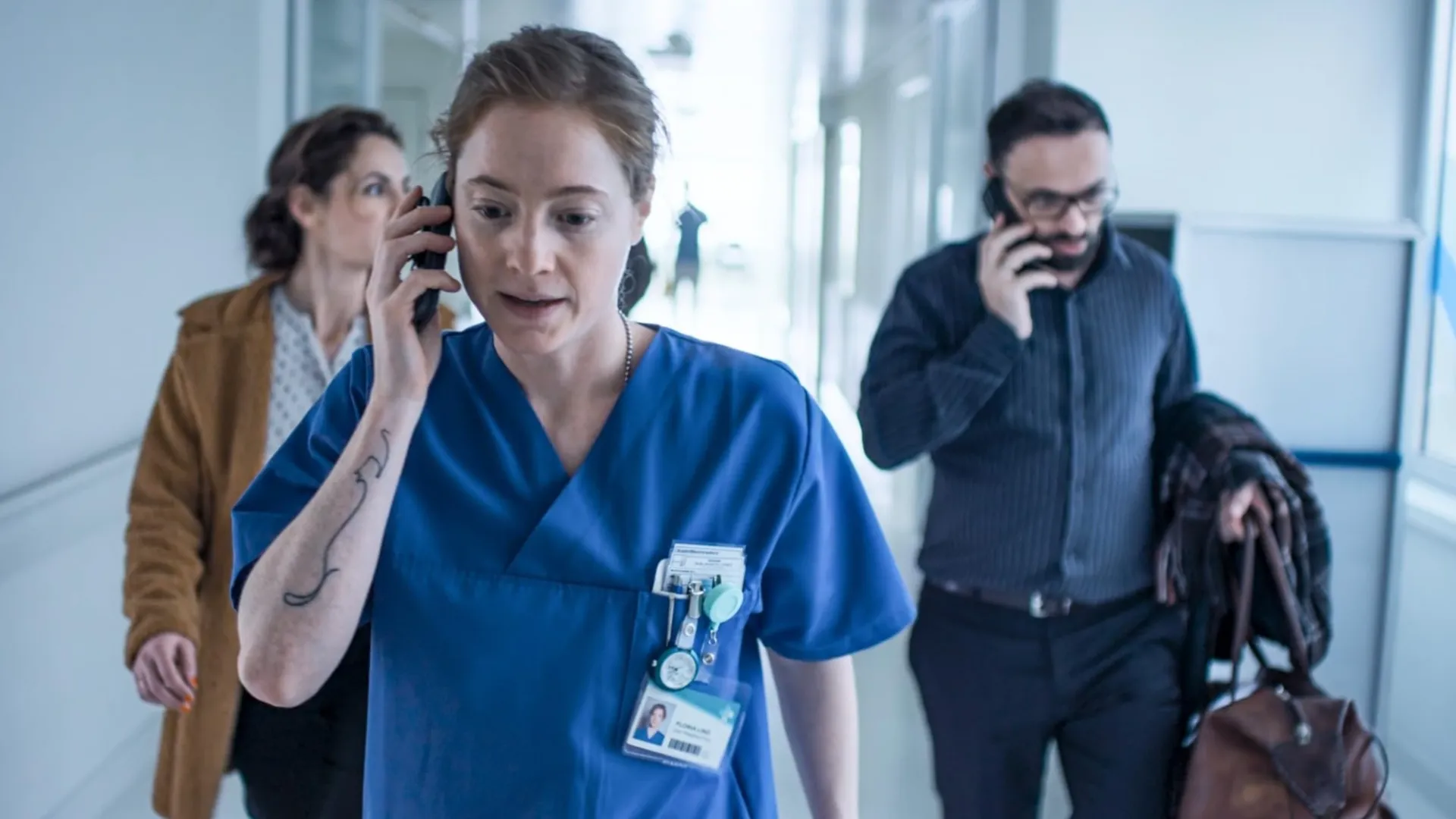

Leonie Benesch says she spent overnight shifts shadowing hospital staff in Basel to learn the “choreography of lines and alarms” before playing Floria, the exhausted nurse at the heart of Petra Volpe’s real-time thriller Late Shift.
The preparation pays off next week when the film opens in UK and Irish cinemas on 1 August after out-selling the latest Bridget Jones sequel in Swiss theatres, where it has become a word-of-mouth hit among healthcare workers.
Premiering in February as a Berlinale Special Gala entry, the 91-minute drama tracks one understaffed evening that tilts from routine care to near catastrophe, mirroring forecasts of a global shortfall of 13 million nurses by 2030.
Critics have praised Benesch’s “credible presence” and the picture’s nerve-jangling pace, calling it a tribute to frontline resilience rather than a standard medical melodrama.
Filmed inside Basel-Landschaft’s cantonal hospital, the project reunited Volpe with producers Lukas Hobi and Reto Schaerli and drew Swiss-German co-financing for its reported €4 million budget, keeping the ward’s claustrophobic geography authentic.
Since its Berlin bow the film has collected a 94 percent Tomatometer from 17 reviews, secured slots at the Sydney, Locarno and European film festivals, and spurred distributors Filmcoopi and Tobis to widen its rollout beyond German-speaking markets.
Nursing unions have embraced the hashtag #WeAreFloria after group screenings, arguing that the story captures the “vicious circle” of sick calls and rising workloads that define many wards today.
Volpe, influenced by former care worker Madeline Calvelage’s memoir, says she wanted to swap white-coat heroics for what she calls “everyday mythic bravery” and to remind audiences that 80 percent of global nursing labour is still done by women.
Industry observers link the film’s momentum to renewed legislative debates on staffing ratios, noting that its ticking-clock structure translates easily across borders and languages.
Benesch adds that her benchmark was simple: real nurses “shouldn’t see the difference” between her movements and theirs—a standard she hopes will make Late Shift feel as urgent in the multiplex as it does on the ward.