
























![Kingdom Hearts Collection [I-III] Review](https://gazettely.com/wp-content/uploads/2026/10/Kingdom-Hearts-Collection-I-III-1-360x180.webp "Kingdom Hearts Collection [I-III] Review: KHII Holds Steady as Newer Entries Fluctuate 37")



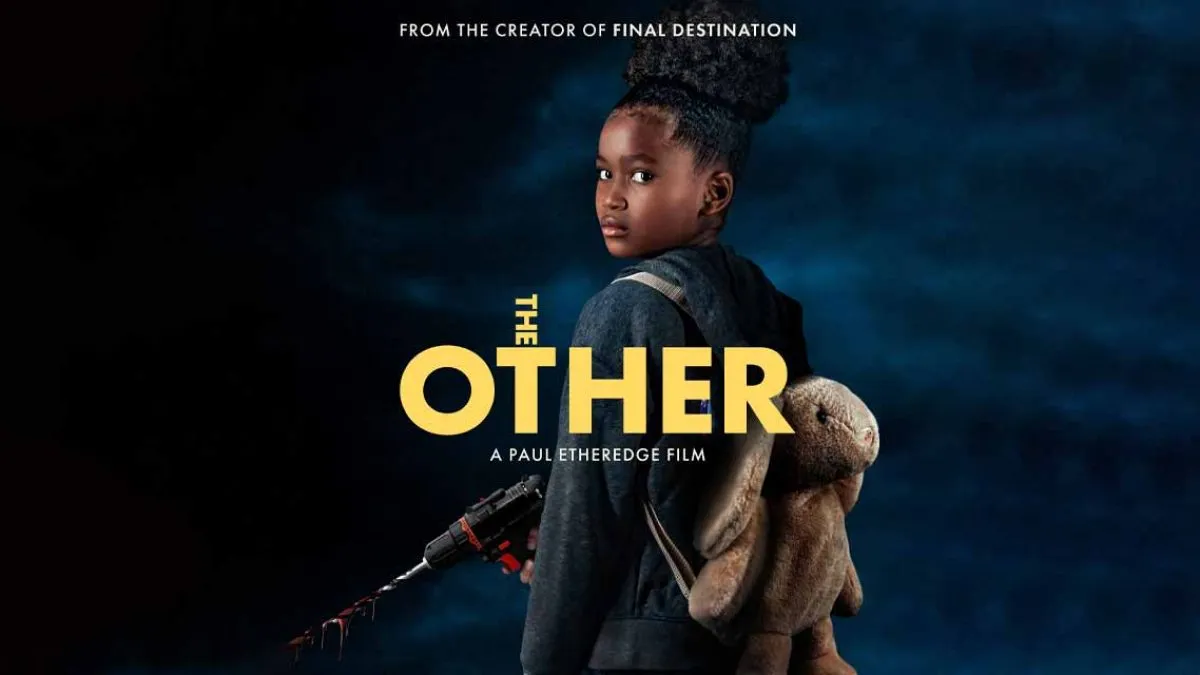
A pristine modern home becomes the stage for a uniquely American nightmare in Paul Etheredge’s The Other. The film opens on a familiar portrait: Robyn (Olivia Macklin) and Daniel (Dylan McTee) are a well-meaning couple attempting to build a family after years of struggle with infertility.
Their solution is to foster Kathelia (Avangeline Friedlander), an eight-year-old girl rendered mute by a devastating family tragedy. The film quickly establishes an unsettling atmosphere, where the quiet corridors of their house seem to hold as many secrets as the silent child they have welcomed.
What begins as a domestic drama about the challenges of adoption soon curdles into something far more sinister. The central question is not simply what happened to Kathelia’s family, but what unseen force is now taking root in this new one. The film uses the supernatural to probe the anxieties simmering just beneath the surface of suburban life.
Portraits of Hope and Desperation
The film’s emotional weight rests on the triad of central performances, which paint a complex picture of modern parenthood. The conflict between Robyn and Daniel is a sharp reflection of competing philosophies. Daniel, an elementary school teacher, brings a professional patience to the situation, viewing Kathelia’s trauma through a lens of empathy and understanding.
His approach is methodical and kind, rooted in a belief that connection can be earned through trust. In stark contrast, Robyn’s desperation to be a mother, sharpened by four miscarriages, manifests as a painful, grasping need that borders on selfish.
Olivia Macklin portrays this desperation with a raw vulnerability. Her attempts to force a bond are a series of profound miscalculations, from giving the young Black girl a collection of traditional white dolls to suggesting she change her name to the more anglicized “Jessica.”
These actions reveal a character whose desire for a child is more about filling a void in herself than about meeting the needs of the child before her. Dylan McTee offers a warm counterpoint, his steady compassion creating a bond with Kathelia that provides the story its heart. Still, the film belongs to Avangeline Friedlander.
Her non-verbal performance as Kathelia is extraordinary, recalling the powerful silence of child protagonists in international cinema who serve as silent witnesses to adult folly. She is a canvas onto which the adults project their hopes and fears, and through her wide, observant eyes, we see a child navigating not one, but two traumatic environments.
The Body as a Haunted House
The Other situates itself within a global horror tradition that treats the body, particularly the female body, as a site of terror. Its visceral approach calls to mind the unflinching body horror of French Extremism, yet its focus remains distinctly American: the corruption of the nuclear family ideal. The film’s most potent scares are born from the psychological trauma of infertility.
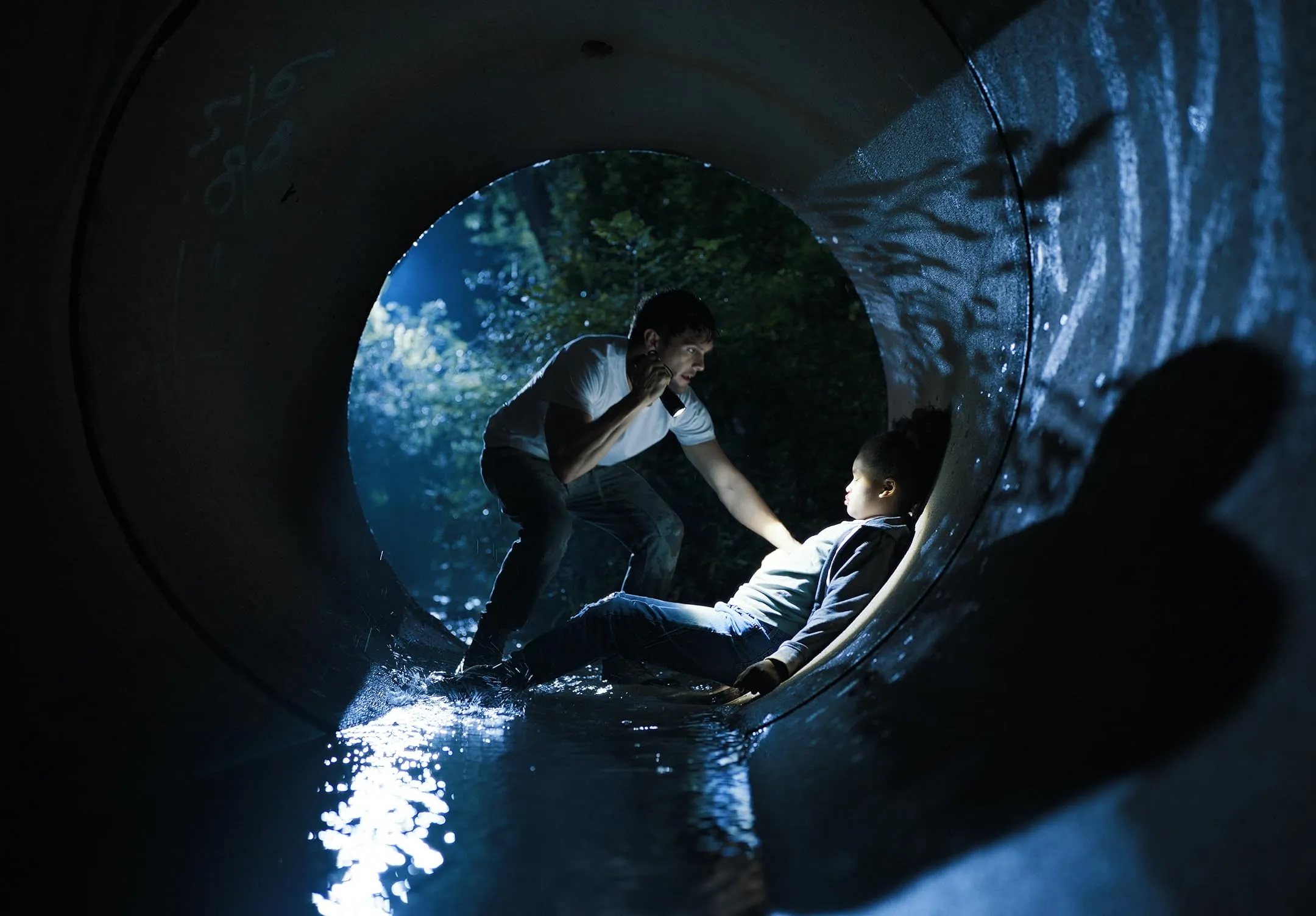
The horror is not gratuitous; it is a physical manifestation of Robyn’s grief and maternal longing. In one devastating sequence, she presents a dead fetus in a jar to her doctor, insisting she is still pregnant. This moment captures the film’s central theme: the inability to accept a painful reality.
This internal state finds external expression as pink goo surfaces in the swimming pool and black mold creeps across bathroom tiles, signs of an organic decay mirroring the psychological one. Paul Etheredge builds suspense with methodical precision, favoring a creeping dread over sudden shocks. The social commentary is woven seamlessly into this dread.
A backyard party, populated entirely by white friends, highlights the couple’s cultural isolation and their inability to create a truly inclusive space for Kathelia. It is a visual representation of the gap between their intentions and their understanding. The film explores the immense pressure to create a “perfect” family and the sacrifices demanded by parenthood, contrasting Daniel’s selflessness with Robyn’s destructive need.
A Visceral Vision
Paul Etheredge’s direction confidently sidesteps the clichés of the “evil child” sub-genre, redirecting the horror toward the anxieties and failings of the adults. The film’s technical craft serves its thematic ambitions, particularly its use of impressive and nauseating practical effects.
The creature that eventually appears is not just a monster; it is the grotesque culmination of Robyn’s toxic desire, a physical form given to a phantom pregnancy. A giant, pulsating membrane in the house beats like a corrupted heart, a powerful metaphor that is both disgusting and strangely tragic.
The production design of the sterile, modern house becomes the perfect canvas for this encroaching biological horror. Etheredge also uses water as a recurring motif of contamination rather than purification, twisting a common symbol of life into one of dread.
The Other succeeds because its gut-wrenching horror is anchored in a painfully human story. It understands that the most terrifying monsters are often the ones we create from our own grief and desperate wishes, a universal fear given a specific and potent form here.
“The Other,” a horror film directed by Paul Etheredge, premiered at the Dallas International Film Festival on April 26, 2025, and was released on Video On Demand (VOD) platforms on June 13, 2025.
Full Credits
Director: Paul Etheredge
Writers: Paul Etheredge
Producers: Jeffrey Reddick, Tim Nagle, Jeff Walker, Lisa Normand
Cast: Olivia Macklin, Dylan McTee, Avangeline Friedlander, Lily D. Moore, Shawnee Smith, Morgana Shaw, Denise Lee, Laurence Pete, Aly Mawji
Director of Photography (Cinematographer): Noe Medrano Jr.,
Editors: Sai Selvarajan, Shrader Thomas
Composer: Holly Amber Church
The Review
The Other
The Other is a deeply unsettling and effective horror film that succeeds by grounding its visceral body horror in genuine human tragedy. Driven by powerful performances and impressive practical effects, it explores the dark side of maternal longing with unflinching precision. While its slow burn and graphic nature may not be for everyone, it is a thoughtful and terrifying piece of cinema that lingers long after the credits roll.
PROS
- Avangeline Friedlander delivers a powerful non-verbal performance, supported by the compelling dynamic between Olivia Macklin and Dylan McTee.
- The film utilizes graphic, tangible special effects that enhance its body horror elements.
- Skillfully explores complex themes of grief, infertility, and the psychological pressures of parenthood.
- Paul Etheredge builds a palpable sense of dread and suspense throughout the film.
CONS
- The graphic body horror and emotional intensity can be difficult to watch.
- The film's slow-burn approach may not appeal to viewers seeking constant action.
- Robyn’s increasingly selfish actions, while central to the story, can make her a challenging character to follow.







