





















The Nordic Council has named seven finalists for its 2025 Film Prize, broadening the field with entries spanning fiction and documentary and including films from Greenland and the Faroe Islands alongside the traditional five Nordic countries. The nominees were unveiled in the run-up to the Norwegian International Film Festival in Haugesund, with the winner to be announced on October 21; the DKK 300,000 award is shared equally by the director, screenwriter and producer, underscoring the prize’s collaborative ethos.
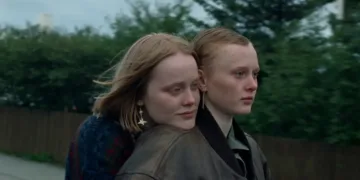
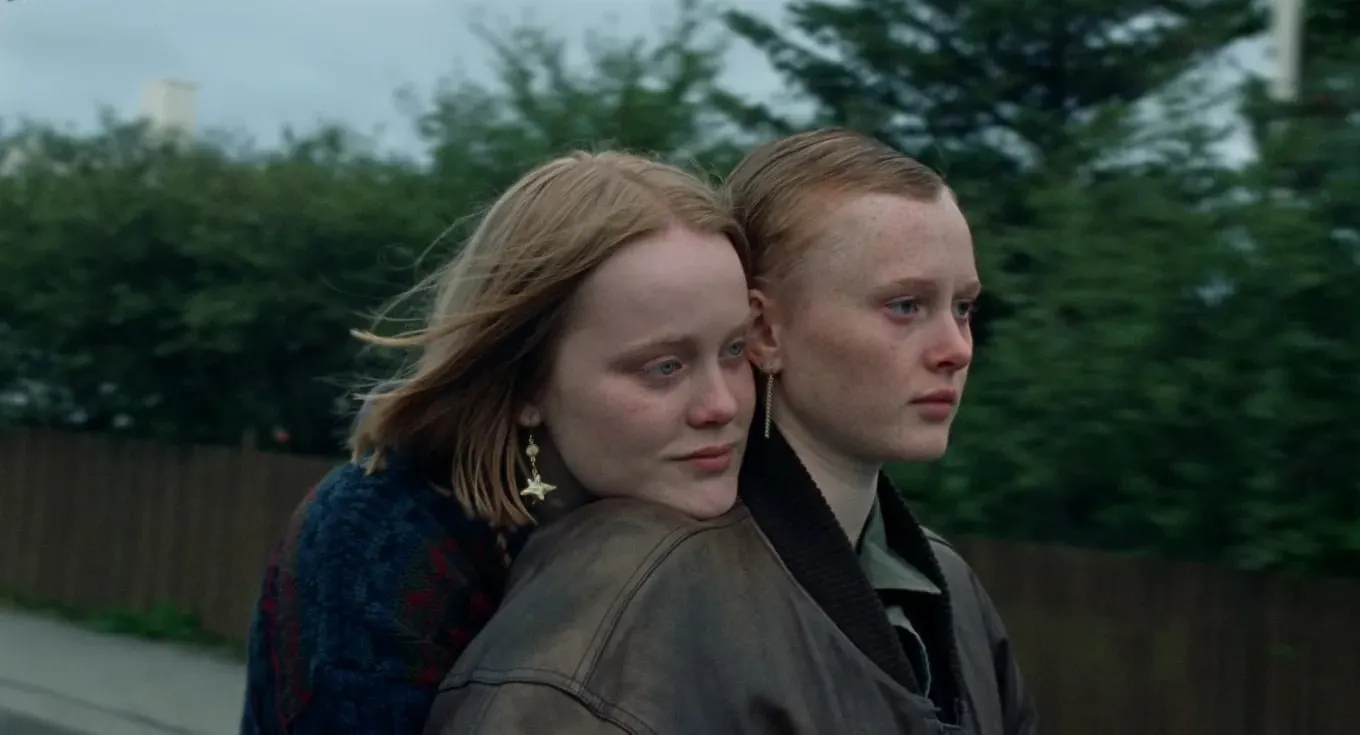
This year’s lineup mixes festival standouts with regionally rooted stories. Norway’s Dreams (Drømmer), from Dag Johan Haugerud, arrives as a major contender after taking the Golden Bear at the 2025 Berlin Film Festival. Iceland’s When the Light Breaks (Ljósbrot), by Rúnar Rúnarsson, opened Cannes’ Un Certain Regard section in 2024 and follows a young art student navigating sudden grief in Reykjavík. Sweden’s entry is Göran Hugo Olsson’s Israel Palestine on Swedish TV 1958–1989, an all-archival, 210-minute examination of how a public broadcaster framed a long-running conflict, refracting media history as much as geopolitics.
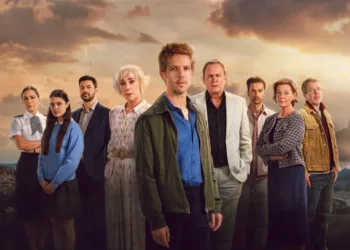
The wider Nordic region is represented by the Faroe Islands’ The Last Paradise on Earth (Seinasta paradís á jørð), a Faroese-Danish co-production about a fishing village on the brink and a family absorbing private loss amid economic pressures, and by Greenland’s documentary Walls – Akinni Inuk, an eight-year chronicle that intertwines incarceration, friendship and reclamation. Rounding out the slate are Finland’s The Helsinki Effect, an archival feature about “slow diplomacy” and the legacy of the 1975 Helsinki process, and Denmark’s debut drama My Eternal Summer, which observes a teenager’s final summer with her terminally ill mother.
Founded as a one-off honor in 2002 and made annual in 2005, the Nordic Council Film Prize recognizes a full-length feature “rooted in Nordic culture” and judged on artistic merit; last year’s winner was Norway’s Sex, also from Haugerud. This year’s seven-film roster—three documentaries and four narrative features—signals the prize’s expanding scope as Nordic screen storytelling continues to straddle intimate character studies and politically tinged nonfiction.