

























![Kingdom Hearts Collection [I-III] Review](https://gazettely.com/wp-content/uploads/2026/10/Kingdom-Hearts-Collection-I-III-1-360x180.webp "Kingdom Hearts Collection [I-III] Review: KHII Holds Steady as Newer Entries Fluctuate 37")



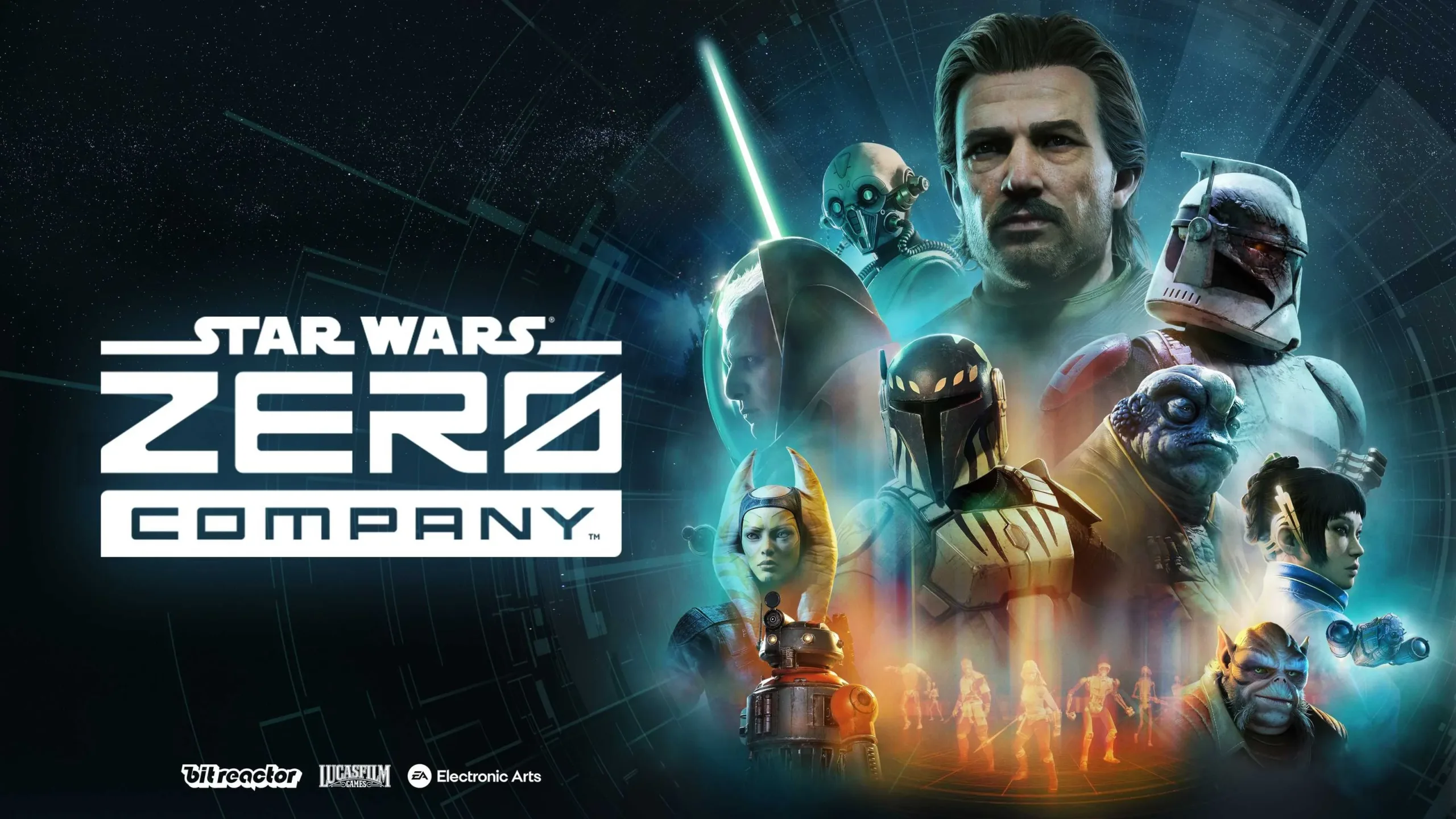

The first camera move tells you where Star Wars Zero Company wants to live. Republic and Separatist fleets hammer each other in orbit, Clone Troopers trade fire with battle droids below, and then the lens drifts away from the famous war toward a much smaller fight happening at its edge. Bit Reactor could have built another game around Jedi generals and galactic icons. Instead, it gives the dangerous work to people history would probably forget.
That choice gives this turn-based tactics game a personality that its obvious XCOM inheritance cannot provide by itself. Hawks, a former Republic commander turned mercenary, leads a crew whose members have been discarded, displaced, discharged, or disillusioned by the Clone Wars. You can choose Hawks’ appearance, species, gender, clothing, first name, and combat specialty, yet they remain a written protagonist with a recognizable cowboy cadence and a damaged military past.
The threat comes from the Infinite Coil, a Separatist-aligned cult spreading a mind-altering plague through insect-like organisms. Its leader, Fathom, carries enough mystery that the story never needs to make her another Sith imitation. Her relationship with her son gives her menace a personal edge, while the possibility that the plague touches the Force remains suggestive instead of swallowing the plot. That restraint matters. Lightsabers exist here. They simply do not own the room.
The People Behind the Blasters
The Den, Zero Company’s freighter headquarters, gradually becomes the game’s emotional map. Missions determine where you go. The people waiting there determine why returning matters. Trick is a medically discharged Clone Trooper still trying to serve the Republic that pushed him aside. Cly carries Mandalorian armor and a revenge motive. Jae comes from a mining family driven from its home by the Coil.
Luco openly despises the Republic while reserving even greater hatred for Fathom. Kabb initially fits the familiar giant-alien bruiser role, complete with strange speech patterns, before his personal missions give that surface comedy some weight. Tel-Rea, an AWOL Padawan investigating the Coil, lets Bit Reactor include Jedi abilities without transforming every tactical problem into a lightsaber solution.
Their personal mission chains are where much of the writing earns its affection. Crew histories resurface, loyalties get tested, and Clone Wars-era characters can appear without making Hawks and company feel like tourists inside somebody else’s franchise.
Some of my favorite relationships happen away from the battlefield. Runa, the former Separatist handling Zero Company’s books and operations, turns bureaucratic irritation into one of the game’s richest comic resources. Her exchanges with Bennic, the younger Republic Intelligence officer stationed around the holotable, work because they carry ideological friction underneath the jokes. She needles his loyalty. Events around them slowly make that loyalty harder for him to treat as an uncomplicated virtue.
Even hired operators receive enough care to make expendability uncomfortable. Different voice personalities let them comment on events, talk with the central cast, and hang around the Den between deployments. Losing one is technically the disappearance of a unit from your roster. Hearing their voice for hours beforehand makes the empty space feel different. Permadeath works best before it happens.
Push Forward, Miss Anyway
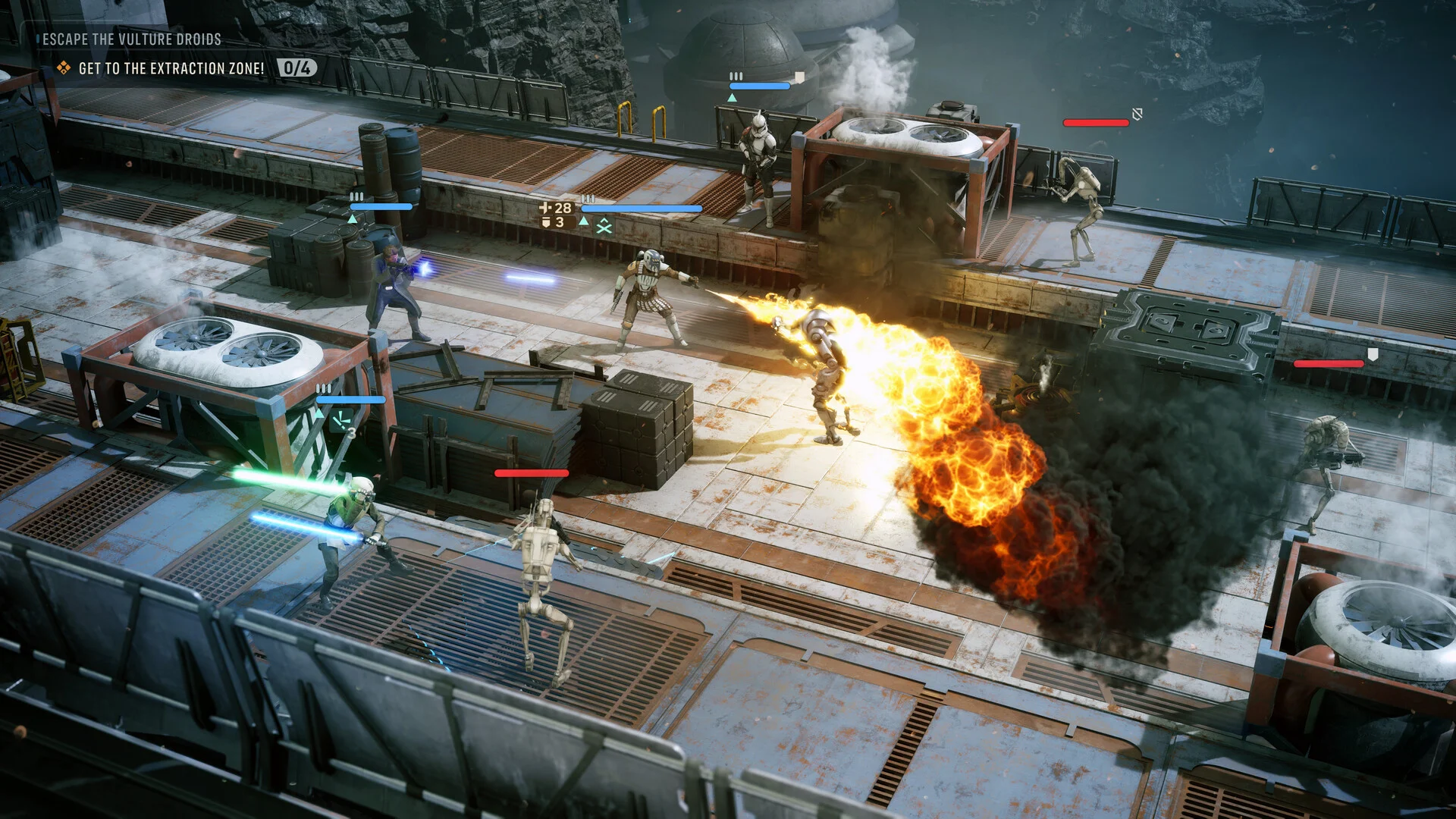
Anyone who has spent time with XCOM will recognize the foundation immediately: four-person squads, cover, percentage hit chances, overwatch, action points, grenades, elevation, and the particular misery of watching a supposedly safe shot disappear into a wall. The rhythm changes once Zero Company asks you to stop treating cover as sacred.
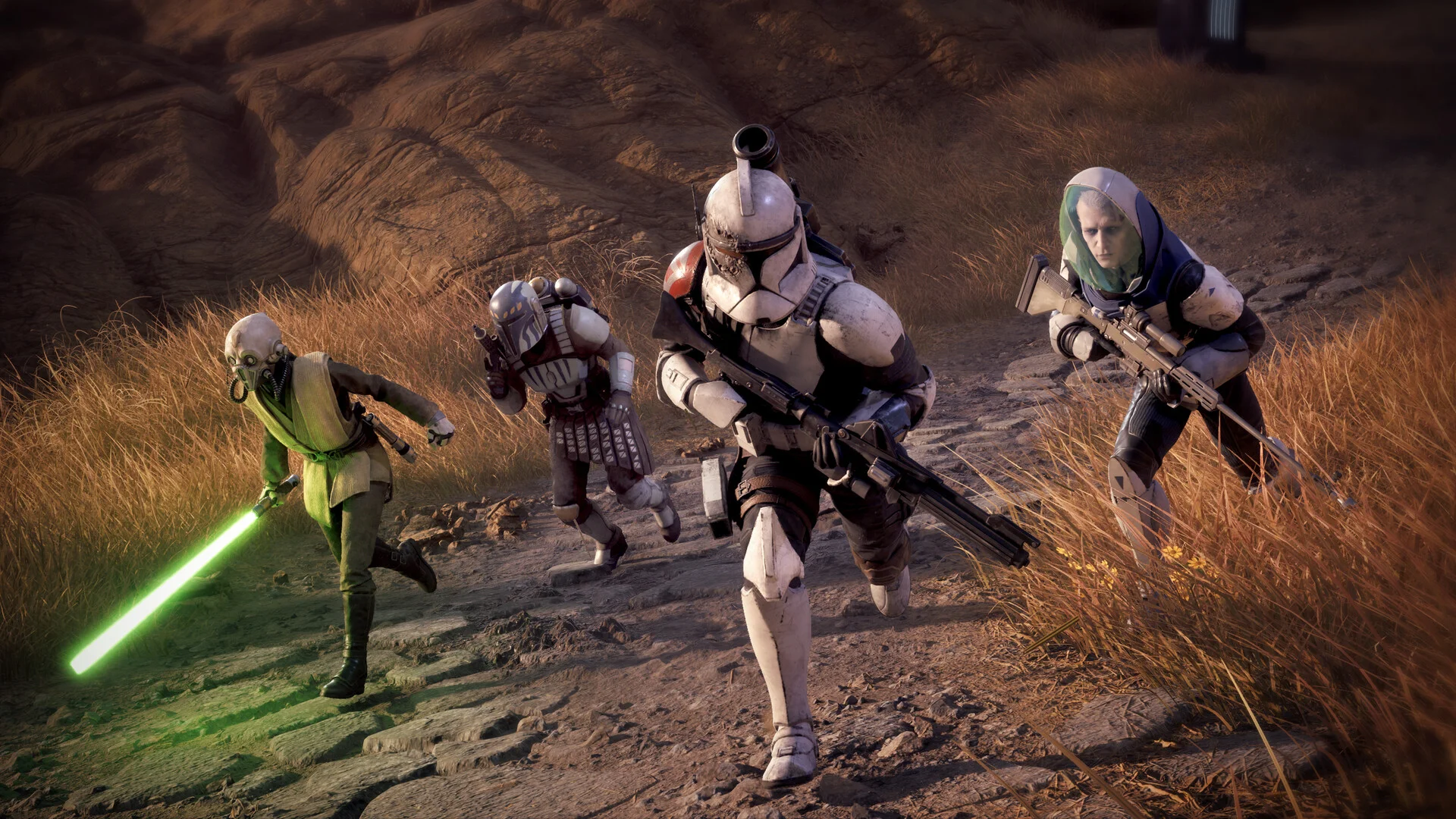
Maps are usually compact, enemies are visible rather than hidden behind fog of war, and attacks can physically reposition targets. You can knock one soldier into another, throw someone from a ledge, shove a target into an ally’s overwatch lane, or bunch enemies together before detonating an area attack. Tel-Rea makes this especially joyful. Force-pushing a hostile body into empty space remains a remarkably efficient argument for Jedi inclusion.
Three action points per operator would normally create a tight ceiling on each turn, but Advantage keeps punching holes through it. Damaging enemies builds a shared resource that can fund extra abilities. Trick can spend it on his rocket launcher. Hawks can hand another action point to a squadmate. Pistols, weak beside rifles in raw damage, become useful because repeated shots can generate Advantage for somebody else’s stronger move.
That makes turns feel cooperative. One operator softens a target. Another generates the resource. A third spends it. The satisfaction comes from watching a plan grow sideways across the squad instead of executing four separate miniature turns.
Backup adds another wrinkle by rotating between characters. The operator holding Backup can designate a teammate who follows their next attack with a guaranteed hit. The promise sounds simple until line of sight gets involved. Position the assisting character badly and the opportunity disappears. Land an unexpected critical hit with the first shot and the target dies before the follow-up can matter.
Zero Company’s named operators push these chains further. Jae can execute an enemy once its health drops below a threshold. Kabb can refund action points through a killing melee strike. Cly’s jetpack lets her land among enemies and set them burning. Trick can revive himself once during a mission. Astromechs skip conventional gunplay and instead pour action points, grenades, and healing items into the rest of the team.
Normal difficulty gives you room to enjoy those tools. Operators need to accumulate three injuries before death becomes permanent, and ordinary damage leaves little lasting consequence until someone goes down. Experienced tactics players may find that safety net too generous. The game can threaten a beloved character without always making you believe the threat.
Enemy variety creates a similar tension. Coil soldiers can strengthen nearby allies when killed, Droidekas force you to think around shields, and sniper or melee units push positioning in different directions. Too many encounters still settle into humanoid variations on familiar jobs. Once the battle droids stop feeling novel, the tactical systems have to supply most of the surprise.
The best missions do exactly that. One sequence sends your squad across a catwalk, then turns the retreat into a moving kill zone as bombers chew through the bridge behind you. Another temporarily gives you an almost unstoppable unit that clears a path while the regular team handles the actual objectives. Elsewhere, you defend separate positions before escaping through reinforcements. Then there are the fights that simply keep spawning enemies. Twenty rounds can make mortality feel very philosophical.
Building People Into Systems
Zero Company gives you unusual freedom to rewrite the mechanical identity of your squad. Hawks can change from Medic to Sniper between missions, redistribute skill points, and switch weapon types without much punishment. Many recruited operators share that flexibility.
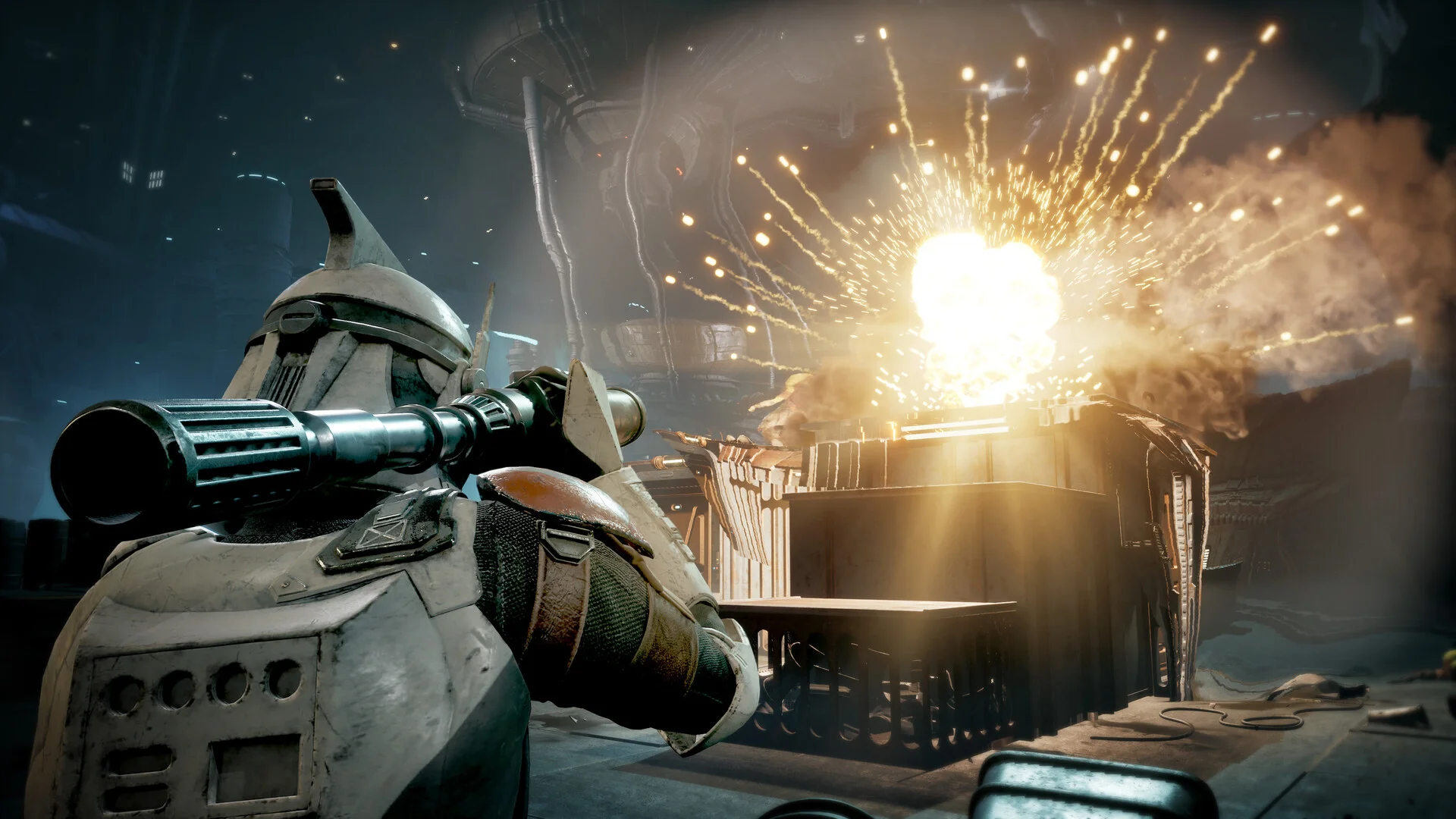
The named companions resist becoming completely interchangeable because each retains a signature role and unique skill. That distinction matters. Jae still feels like Jae when her execution ability finishes a weakened enemy. Cly still moves like a Mandalorian when her jetpack turns vertical space into a shortcut.
Multiclassing opens the system further by allowing characters to invest in a secondary tree. A Gunslinger can build power through repeated attacks, then use Quickdraw to refund an action cost after a kill. Suddenly those fragile B1 droids are resources. An astromech feeding extra AP into that loop can turn one good setup into a long offensive sequence.
Bonds reward repeatedly deploying the same characters together. The bonuses are small at first, such as extra ranged damage or additional movement, then accumulate through consistent pairings. Mechanically, the idea works. Emotionally, it stops short. Two operators can develop a meaningful statistical relationship without their conversations changing much around it.
That feels like a missed opportunity because the writing has already done the harder work. When Trick and Luco carry opposing attitudes toward the Republic, a bond between them could have affected dialogue, mission reactions, or the atmosphere back at the Den. Instead, part of their relationship lives on a bonus screen.
Operations have a similar gap between idea and execution. You spend limited Intel to dispatch people on off-screen assignments that can earn credits, loot, missions, or injuries. Some choices tell you which crew members may object to a morally questionable decision. Choosing who should handle a hostage extraction or facility hack can feel arbitrary when the interface gives too little information about suitability. Sometimes the most XCOM thing in Zero Company is failing because the game never told you what the percentage was.
The Camera Comes Down
Bit Reactor’s most striking presentation trick happens when the tactical camera drops behind Hawks. Major story missions sometimes connect battles with third-person walking sections. You move through an environment, speak with civilians or allies, inspect objects, pick up small Intel bonuses, then cross into another combat space as the camera pulls back into the tactical view.
There is very little to do during these sequences. Paths are linear, interaction usually means approaching something marked for you, and the permanent waypoint feels unnecessary in corridors that rarely offer a meaningful wrong turn. Still, physically walking through the spaces between fights changes how those fights feel. A tactical board becomes a location you just crossed on foot.
The Den benefits even further. Seeing operators standing around the ship, hearing their incidental conversations, and approaching Runa or Bennic at the holotable gives the crew a physical presence that menus could never provide. Republic news broadcasts playing around the base place their jobs against the war continuing elsewhere.
The lavish presentation occasionally fights the technology holding it together. Transit cinematics repeat and cannot be skipped. Enemy turns can hang before resolving. Combat cameras sometimes zoom toward a wall rather than the attack they were meant to dramatize. Reinforcement arrivals can produce graphical oddities, while PC play has reported crashes, screen tearing, framerate drops, animation loops, and forced reloads. Steam Deck performance can sink toward 15 to 20fps even after severe image-quality compromises.
The fixed campaign and handcrafted maps also mean a second run will not mutate the way an XCOM 2 campaign can. What pulls me back is something different: higher difficulties, missed missions, new multiclass combinations, alternate squad relationships, and the possibility that the next extraction will force me to decide who gets home. The galaxy may consider these operators disposable. Thirty hours with them makes that very difficult.
The Review
Star Wars Zero Company
Star Wars Zero Company turns tactical uncertainty into attachment. The best battles are the ones where a risky push, a rotating Backup shot, or one desperate extraction suddenly makes a favorite operator feel frighteningly mortal. Its flexible classes and aggressive combat give the familiar XCOM foundation its own rhythm, while the Den and its argumentative crew make returning home matter. Repetitive enemies, forgiving default difficulty, and uneven PC performance leave scars, but this is still one of the rare Star Wars games where the people behind the blasters become harder to lose than the war itself.
PROS
- Excellent squad characterization
- Aggressive, flexible tactical combat
- Memorable story missions
- Strong class and build synergies
- Rich Star Wars atmosphere
CONS
- Limited enemy variety
- Default difficulty feels forgiving
- Thin exploration sections
- Noticeable technical issues







