






















![Kingdom Hearts Collection [I-III] Review](https://gazettely.com/wp-content/uploads/2026/10/Kingdom-Hearts-Collection-I-III-1-360x180.webp "Kingdom Hearts Collection [I-III] Review: KHII Holds Steady as Newer Entries Fluctuate 37")



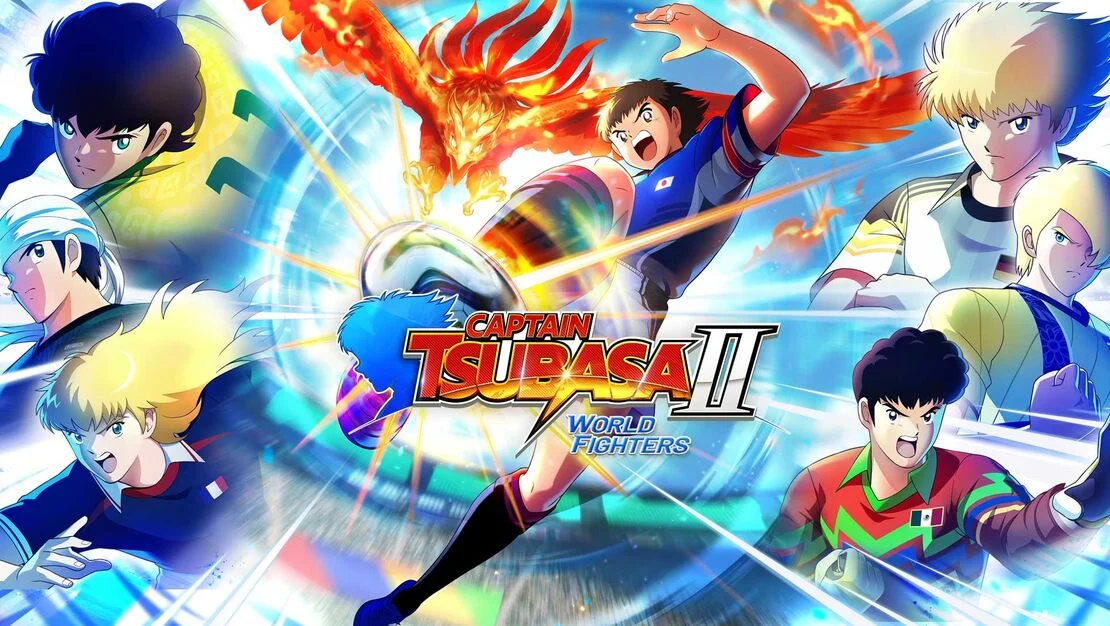

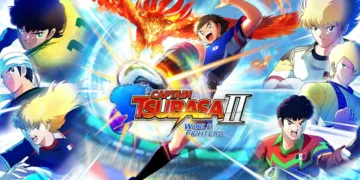
Six years after Rise of New Champions, Tamsoft has returned to Captain Tsubasa with a sequel that understands exactly where the first game needed to grow. Captain Tsubasa 2: World Fighters still treats football as an excuse for impossible shots, flying tackles, dramatic close-ups, and goalkeepers surviving impacts that would probably require several ambulances in a real stadium. The difference is that the spectacle now sits on top of a much stronger competitive game.
Like its predecessor, World Fighters uses recognizable football fundamentals. You pass into space, tackle for possession, dash past defenders, and search for shooting lanes. Anyone familiar with EA Sports FC or eFootball can understand the basic language quickly. Tamsoft then twists that language until the sport begins resembling a fighting game played by 22 people.
That comparison matters because Rise of New Champions sometimes exhausted its ideas before the final whistle. Here, special techniques, goalkeeper management, positional abilities, and the new Chain System give each possession additional tactical weight. The sequel keeps the accessibility that made the 2020 game such an easy recommendation while giving returning players far more to learn.
A New Star in World Youth
The New Stars campaign adapts Yōichi Takahashi’s World Youth storyline, with Tsubasa Ozora and the familiar international cast joined by a custom player created at the beginning of the story. That character can occupy any position, including goalkeeper, which immediately gives the campaign better replay value than a cosmetic avatar system would have offered.
Progression avoids the straightforward RPG approach. Statistics are closely tied to the techniques and abilities you equip, many of which are unlocked by completing episode challenges or viewing optional stories. Playing a match once may progress the campaign, while replaying it to satisfy a specific challenge can unlock another technique for the custom player.
The story uses Side and Link scenarios to give supporting characters room away from the main tournament. Some are simple conversations or smartphone exchanges, so there are stretches where interactivity disappears almost completely. Dialogue choices for the created player shape their responses without redirecting the story, which makes the system feel lighter than it initially appears.
Still, World Fighters is much richer here than its predecessor. The cast exceeds 110 playable characters, and additional scenarios continue after the apparent ending, including material supervised by Takahashi. Matches frequently recreate specific anime and manga moments through triggered scenes, sometimes producing wonderful fan-service sequences. They can also become exhausting. Several cutscenes may interrupt a single match, each briefly halting the action. The skip option becomes increasingly valuable during repeat attempts at episode challenges.
Goalkeepers Fight Back
Goalkeeping is where World Fighters makes its biggest mechanical leap. Shots now involve directional choices, with attackers aiming toward one of six areas while defenders attempt to read the trajectory and select the correct response. A successful prediction can produce a normal or perfect save, giving the player direct influence over moments that previously felt far too passive.
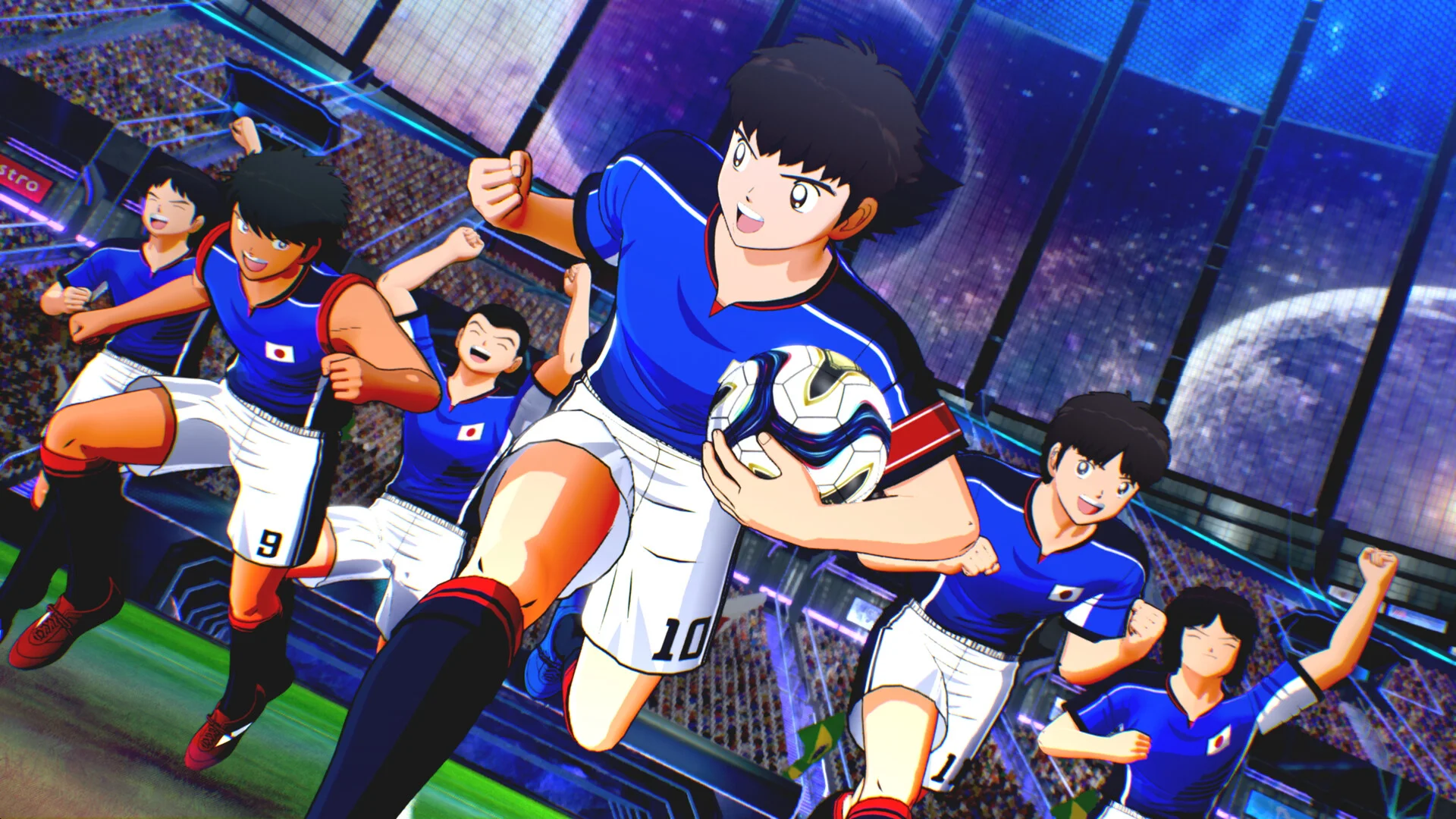
Distance changes the timing window. A shot launched from farther away gives the goalkeeper greater opportunity to react, while close-range attempts force faster decisions. This immediately alters attacking strategy because positioning affects something beyond shot strength.
Goalkeeper stamina remains important. Repeated shots wear a keeper down, and particularly devastating attacks can trigger a Break that permanently reduces their effectiveness for the remainder of the match. Suddenly, an unsuccessful shot can still accomplish something useful. You may fail to score while setting up the next attack.
Miracle Moves and defensive techniques complicate the system further. Ryo Ishizaki’s Face Block can interfere with dangerous shots before the keeper even becomes involved, while certain goalkeepers have special saves activated under character-specific conditions.
The Chain System gives midfield play similar importance. Successful dribbles, tackles, and other actions increase a shared chain count that survives changes of possession. Higher values improve shooting power and charging speed, meaning a player stealing the ball can inherit the attacking momentum their opponent spent several moves constructing. At higher difficulties, that creates a wonderful push and pull. Possession means control of the ball, but it can also mean control of a resource both sides have been building.
Some techniques still need tuning. Powerful defensive slides can leave the ball carrier with almost no meaningful response once the animation begins, and assisted attacks near the penalty area can manufacture dangerous shooting opportunities with surprisingly little preparation. In a game this dependent on timing and counters, those near-automatic sequences stand out.
Bigger, Sharper, Still Excessive
Outside New Stars, the structure remains familiar. Practice and a detailed tutorial explain the growing collection of systems, while CPU matches, friendly multiplayer, private games, and ranked competition provide places to use them. The tutorial is especially useful now because understanding Chain levels, goalkeeper stamina, team abilities, and positional techniques can noticeably change how a match unfolds.
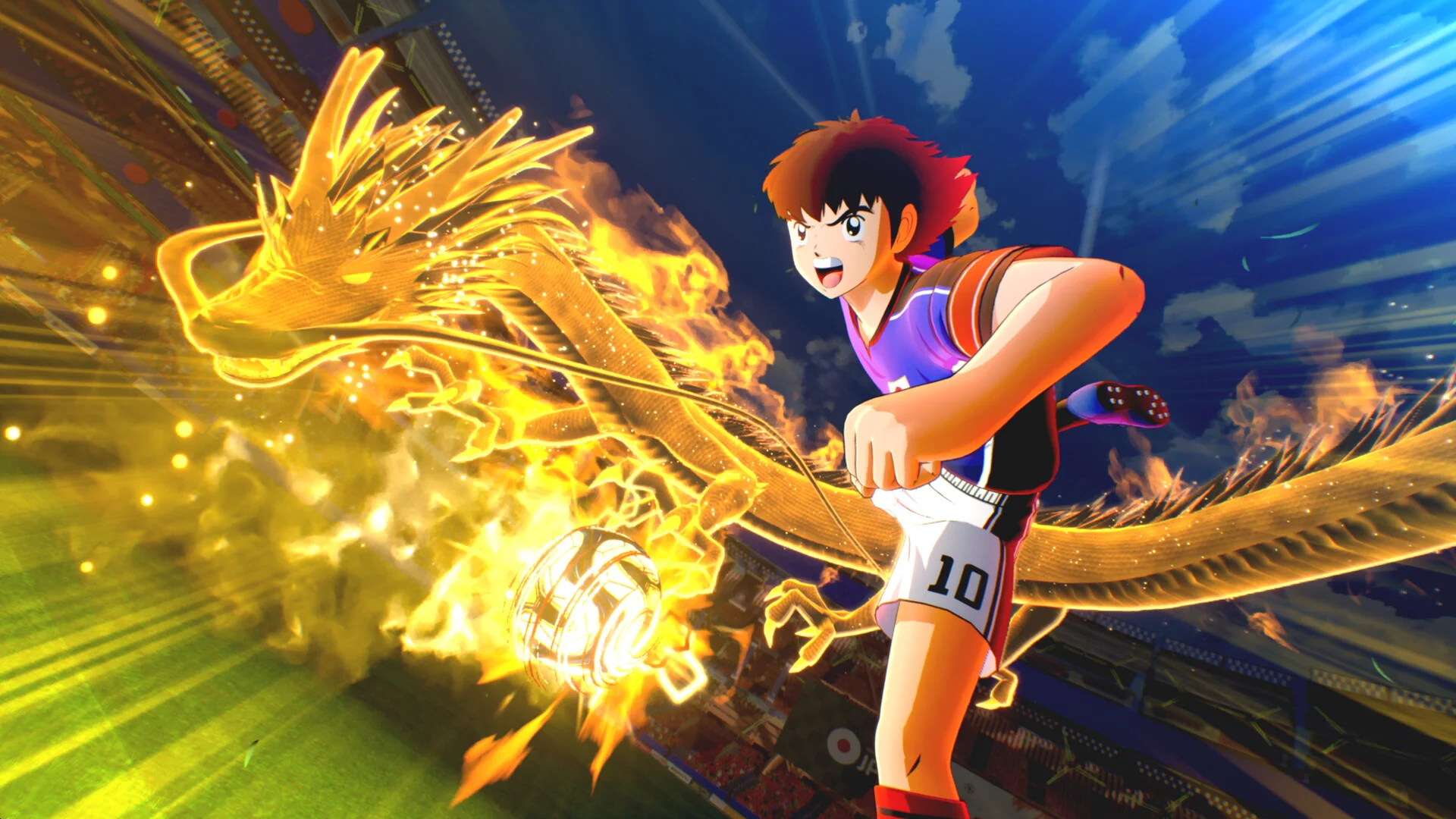
Each of the 32 teams also has a once-per-match Team Skill activated under specific conditions. Combined with the enormous selection of character techniques and customizable moves for created players, it gives competitive matches plenty of variables before two players even begin testing each other’s habits.
The presentation has improved with the move to Unreal Engine 5. Character models are cleaner, special shots remain gloriously excessive, and signature animations sell the fantasy far better than the relatively plain stadiums surrounding them. Defensive animations repeat sooner than the elaborate attacking moves, while commentary can become repetitive across longer sessions.
The interface is busy, yet much of that information earns its space. Both goalkeeper stamina meters remain visible, letting you identify which side is nearing a Break, while the permanent line connecting the controlled player to the ball helps measure positioning and tackle distance. It is hardly elegant, but removing it would make the faster phases of play harder to read.
PS5 performance remains stable, making the absence of meaningful DualSense support especially odd. Even basic vibration is missing. For a football game where shots can tear through nets and defenders launch themselves across the pitch like missiles, the controller remains strangely calm.
The Review
Captain Tsubasa 2: World Fighters
Captain Tsubasa 2: World Fighters takes nearly every idea that worked in Rise of New Champions and gives it a sharper competitive purpose. Interactive goalkeeping, the Chain System, Team Skills, and positional abilities turn matches into wonderfully excessive tactical duels, while New Stars gives returning fans a substantial World Youth campaign to work through. Frequent story interruptions and a few overly dominant techniques can disrupt the rhythm, and the surrounding modes remain fairly conventional. On the pitch, though, this is the sequel the series needed.
PROS
- Excellent interactive goalkeeper system
- Chain System adds tactical pressure
- Huge roster and technique selection
- Substantial World Youth campaign
- Spectacular anime-style special moves
CONS
- Cutscenes interrupt matches too frequently
- Certain tackles feel overly powerful
- Assisted shots can be abused
- Stadiums and commentary lack variety