































One in twenty five. That number, stark and plain, frames the risk spoken to astronauts and spouses before a mission, and it sets the pulse of Once Upon a Time in Space, the third entry in James Bluemel’s documentary series. The series pivots away from battlefields and parliaments to the space race that followed the first moon landing.
Bluemel refuses the pageantry of triumph and technocracy and builds an oral history from people who did the work. Their accounts, often quiet and domestic, hold the story in human scale: ambition, sacrifice, risk, and friendship. The narrative follows the Space Shuttle program and the slow shift from Cold War rivalry to essential international cooperation. The lens points upward, yet the story keeps returning to the ground where consequences land.
The New Face of Exploration
The series leaves the usual Apollo iconography behind, giving little space to Gagarin or Armstrong, and begins in earnest with the Shuttle era. The astronaut archetype changes here. A corps of scientists and specialists enters the frame and resets the image of who goes to space.
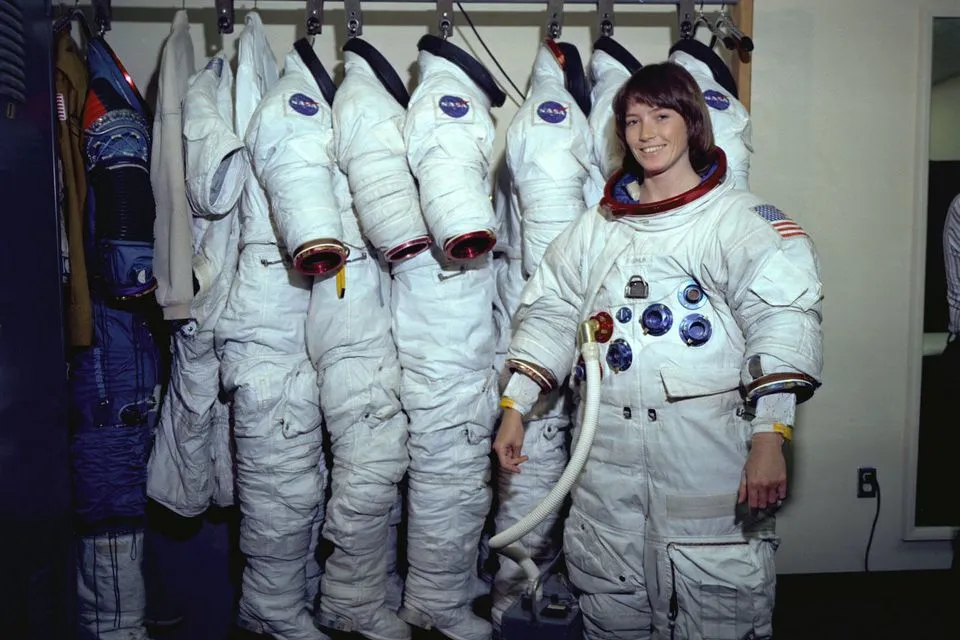
Anna Fisher’s experience sharpens that change. As the first mother in space, she faced a barrage of sexist scrutiny about parental commitment, a scrutiny her male peers escaped. Her daughter, Kristin, speaks to the cost and the judgment, recognizing the sacrifice while calling out the unfair glare that followed it. The documentary pairs that perspective with the life of Ronald McNair, the second Black American in space.
His path from poverty in segregated South Carolina to a seat on a NASA mission reads as a portrait of excellence shaped by hard circumstance. Carl McNair’s testimony carries pride and grief in equal measure and lingers after it lands. All of this unfolds under the weight of risk. Crews and families lived with that one-in-twenty-five warning, and the Challenger disaster made the number feel immediate. The Fisher family’s story sits inside that reality, where achievement and peril share the same air.
Orbiting Civility
Space begins in rivalry and turns into a workshop for diplomacy. The series shows how living together in a pressurized tube above the planet makes national chest beating look small. The Mir era becomes a working model of cooperation, a place where procedure and trust keep people alive.
A sequence with Michael Foale and Russian cosmonauts Aleksander Lazutkin and Vasily Tsibliyev gives the idea its clearest form. An onboard emergency demands composure, skill, and faith in one another. They deliver all three, and a friendship takes shape that owes nothing to ideology. Lazutkin’s reflection that everyone is equal in space, wherever they come from, speaks for the station’s daily practice.
Voices from mission control echo that spirit. Former flight director Ginger Kerrick recalls the beauty of a system that held many nations in a single operational rhythm. She worries that the harmony of that period could fade under new pressures from privatization or a return to power politics. The series listens to that concern without melodrama, letting the memory of effective cooperation argue for itself.
The Quiet Authority of Testimony
Bluemel’s method remains steady and spare. The series resists the urge for thunder and grandeur and keeps to kitchens, office corridors, and control rooms. Technical jargon never crowds the people speaking. The design favors plain language and careful listening, which gives the interviews a calm authority. Frontline witnesses shape the narrative while distant decision-makers recede, and the result feels precise and lived-in.
Archival choices work with that approach. Clips slide into the testimonies as if they were family footage pulled from a drawer. A brief piece with Ronald McNair’s father speaking to a news crew glows with pride and anchors the surrounding memories. The edit keeps attention on faces and voices, then widens to a launchpad or a module window only when the story needs a horizon.
The series keeps returning to the same set of shared emotions: ambition that stretches people thin, fear that tightens every breath, sacrifice that reorders a household, and friendship that survives alarms. By refusing lecture and letting experience accumulate, the series pulls the cosmos closer and keeps the astronaut life legible.
These people wanted what many people want, and they stepped into conditions that demanded careful courage. Their work carried a public weight, and the series honors that weight without ceremony, trusting the speakers to define what their effort meant.
Once Upon a Time in Space is a four-part documentary series directed by James Bluemel, which premiered in the UK on October 27, 2025. The series is the third installment in Bluemel’s highly praised “Once Upon a Time” strand, which focuses on telling massive historical narratives through deeply personal accounts. This installment explores the human story of space exploration in the decades following the moon landing, covering the Space Shuttle program, the Mir and International Space Station collaborations, and the dawn of the new space race. The series premiered on BBC Two and is available to stream in the UK on BBC iPlayer. It was co-commissioned by the BBC and PBS in the US, suggesting a future US release.
Credits
Title: Once Upon a Time in Space
Distributor: BBC Two, BBC iPlayer, PBS, Fremantle
Release date: October 27, 2025
Running time: 4 x 60 minutes
Director: James Bluemel
Writers: James Bluemel
Producers and Executive Producers: Vicky Mitchell, James Bluemel, Will Anderson, Andrew Palmer, Clare Sillery, Tom Pullen, The Open University
Cast: Anna Lee Fisher, Kristin Fisher, Michael Foale, Aleksandr Lazutkin, Ginger Kerrick, Carl McNair, Bill Fisher, Vasily Tsibliyev
The Review
Once Upon a Time in Space
The series succeeds by entirely humanizing the space narrative. It shifts the focus from geopolitical machines to the personal cost, shared risk, and profound cooperation experienced by the astronauts and their families. This deeply felt mosaic offers a compelling vision of collective human effort that easily transcends the Cold War origins of the race. The film is thoughtful, visually resonant, and highly effective as a piece of cultural commentary.
PROS
- Focuses on personal accounts and the post-Apollo era.
- Exposes the historical sexism and racism within the program's context.
- Powerfully documents high-stakes international cooperation.
- Uses excellent, emotionally resonant archive footage
- Makes the grand subject feel intimate and relatable.
CONS
- The narrative is sprawling and sometimes lacks a single, driving thesis.
- The restrained style may not satisfy viewers expecting a traditional, majestic space epic.
- The film feels more domestic than it does cosmic.