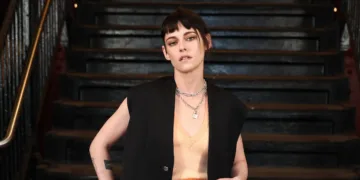

























Kristen Stewart has ignited a new round of debate about acting and gender after describing performance as “quite embarrassing and unmasculine” and questioning why Method acting is so strongly associated with men. In a recent conversation cited from her New York Times press for The Chronology of Water, Stewart argued that acting is “inherently vulnerable” and “submissive,” which clashes with traditional ideas of macho behavior.
She suggested that Method rituals can give male actors a protective armor. Stewart pointed to stories of men doing push-ups before a close-up or refusing to say a line in a certain way, saying those displays let them feel “like a gorilla pounding their chest” before they cry on camera. That, she argued, makes the work look like a rare “magic trick” only they can perform, rather than a shared craft.
Stewart framed Method acting as something “never built for women,” calling it “a luxury that women can’t afford.” She said female performers often juggle caregiving and domestic expectations, and joked that her family would not tolerate her insisting on being called “Jackie Kennedy” off-set during awards-season work on Jackie.
Her comments line up with a larger critique she has voiced through the year. At Cannes, while premiering The Chronology of Water, Stewart dismissed the idea that directors require long résumés as a “bulls**t fallacy” rooted in a male perspective and described the business as hostile to women who want to tell messy, formally daring stories.
Weeks later, at the Academy Women’s Luncheon, she told a room of filmmakers that Hollywood remains in a “state of emergency” for women and urged them to “print our own currency” rather than wait for conditional access to power. In a separate Cannes interview, she bluntly said, “Being a woman is a really violent experience,” tying gendered violence to the way female artists move through the industry.
The Method remarks have quickly circulated across social platforms, where some users praised Stewart for putting words to “fragile masculinity” in acting culture, echoing research that links threatened male identity to status-protecting displays. Others pushed back by naming women known for immersive preparation, or by arguing that Method is often misunderstood shorthand for a broad set of techniques.
Commentary pieces have picked up on that tension. A Filmaesthete analysis highlighted examples such as Natalie Portman and Charlize Theron, who have described Method-style processes as draining and hard to square with family life, reinforcing Stewart’s claim that the system favors men who can center their entire existence on a role.
For Stewart, the discussion folds into a wider project: building a directing career on The Chronology of Water while using interviews and speeches to attack what she sees as male-coded myths about genius, toughness and authorship that still shape who gets to experiment, fail and try again.