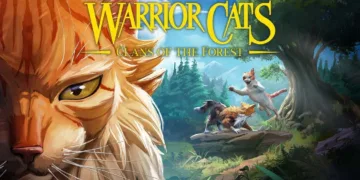






















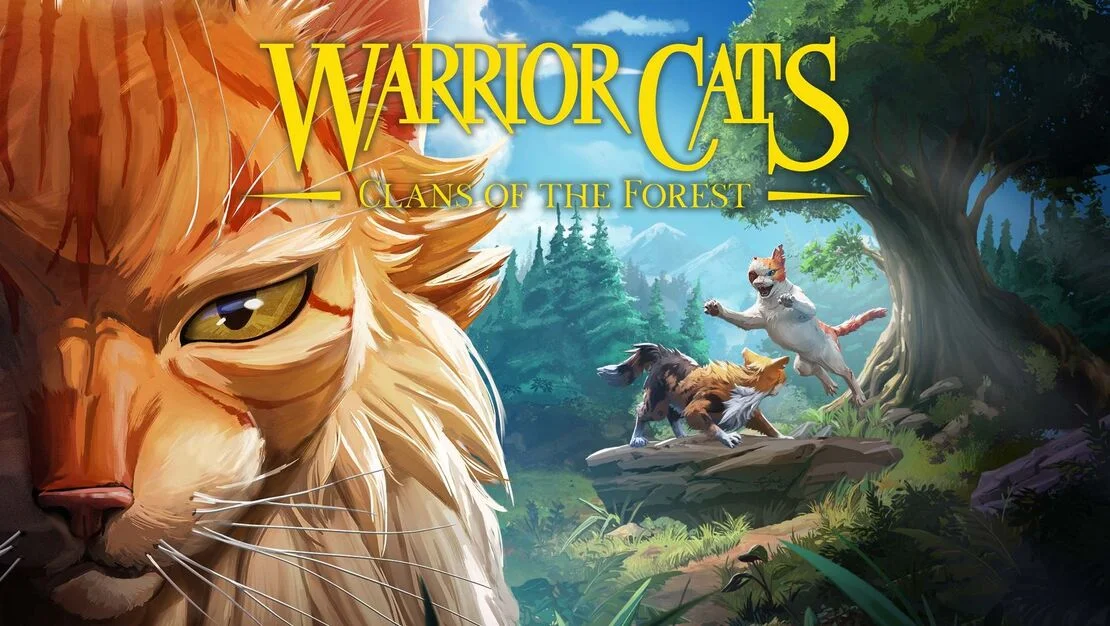

The change from a name ending in “paw” to one ending in “star” gives a cat a public history. Apprenticeship, adulthood and leadership become audible whenever another clan member addresses you. Warrior Cats: Clans of the Forest inherits this useful device from Erin Hunter’s books: identity belongs partly to the individual and partly to the community that recognizes them. Becoming a warrior means entering an existing order, with territorial obligations, a shared code and ancestors whose authority survives their deaths.
For a readership accustomed to inventing warrior names and original characters, the character creator offers a natural extension of that culture. Fur patterns, ear shapes, tails and differently colored eyes let players bring a privately imagined cat into a shared setting. Choosing ThunderClan, RiverClan, WindClan or ShadowClan then locates that invention within a particular tradition. The awkward qualification is that appearance also affects starting characteristics. An expressive decision about how your cat should look can carry mechanical implications you never intended, placing small restrictions on an otherwise generous invitation to participate.
The landscape supplies another recognizable inheritance. Woodland, rocky moors, abandoned campsites and fallow farmland suggest a British countryside reorganized around feline concerns. Human places become terrain at the edges of another society. Meanwhile, the turn-based encounters place that landscape within an internationally familiar RPG language. The interesting question is how these forms work together: can gathering herbs, learning techniques and gaining ranks make the clans’ customs feel like a life the player inhabits?
Some of the ordinary work makes sense on those terms. Hunting replenishes the fresh-kill supply; collecting herbs supports the colony; border patrols give territorial loyalty a physical route. A community needs maintenance, and a game about joining one has good reason to make you contribute.
The difficulty is how little those contributions develop. Finding missing kits, chasing outsiders and collecting supplies recur across campaigns whose different prophecies frequently depend on similar errands. RiverClan’s water problems provide a specific local concern, but the repeated mission structure weakens the practical distinction between belonging to one clan and choosing another.
Promotion makes that thinness harder to ignore. The movement through warrior rank and deputy toward possible leadership is compressed enough that status arrives before relationships have acquired much history. The naming system lends these changes ceremonial weight, while the intervening tasks struggle to justify it.
Dialogue can produce friendship or hostility, yet the available choices seldom build the sense of accumulated obligation that such rapid recognition needs. ShadowClan has a related storytelling problem: mixed-clan ancestry becomes significant abruptly, while a returning established character asks newcomers to supply knowledge the campaign has not adequately established.
Combat handles inherited knowledge with greater confidence. The comparison with early Pokémon is useful at the level of accessible matchups: a small set of legible relationships gives young players something they can learn and apply. Warrior Cats adds a productive complication through persistent stances. A move leaves its user in a particular posture, so choosing an attack also determines how that cat will receive the next exchange. Defense blunts direct attacks, trick moves circumvent defense, and attacking counters trick. The visible turn order makes the timing of those decisions matter.
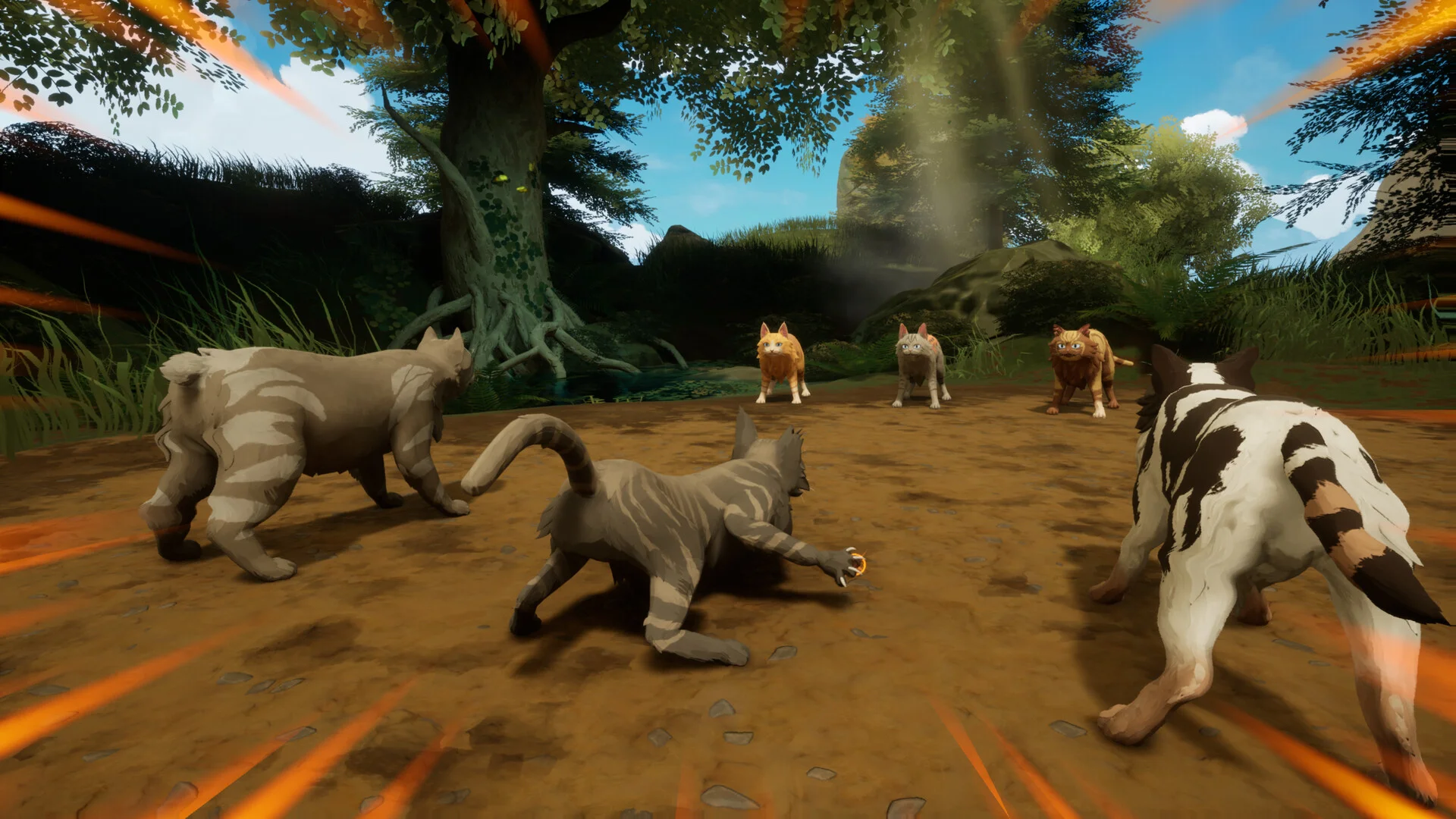
Stamina prevents the strongest available move from becoming an automatic answer. Resting recovers energy while adopting a defensive stance, which may be sensible protection or an opening for a trick attack. Sneaky moves gamble on a powerful hit; reckless ones trade increased damage for increased exposure. These are understandable risks with consequences the player can anticipate. A successful ambush also connects stalking in the field to an advantage in battle, allowing feline behavior to affect the encounter before the command menu appears.
Learning abilities through relationships, training and encounters with StarClan gives this system its particular cultural character. Ancestors become sources of usable knowledge, and clan affiliation can determine which techniques are available. The social world has a practical presence here that rapid promotions often lack elsewhere. Even the post-battle choice between mercy and finishing an opponent makes conduct mechanically legible: sparing grants extra experience, killing grants additional drops. It is a narrow accounting of behavior, with limited evidence of lasting ethical consequences, but it does ask the player to attach a preference to an action.
Outside combat, the countryside alternates between a territory worth exploring and an arrangement of inconvenient routes. Trees and ledges invite movement, while sunning spots grant permanent stamina increases. That last detail is especially well judged: resting like a cat contributes to becoming a stronger one. Invisible barriers and indirect paths are less persuasive. A destination that appears close on the map can require a lengthy detour, and fast travel depends on finding tunnels and reaching another tunnel to use them. Repeated journeys expose the layout’s restrictions long after its initial invitation to explore has worn thin.
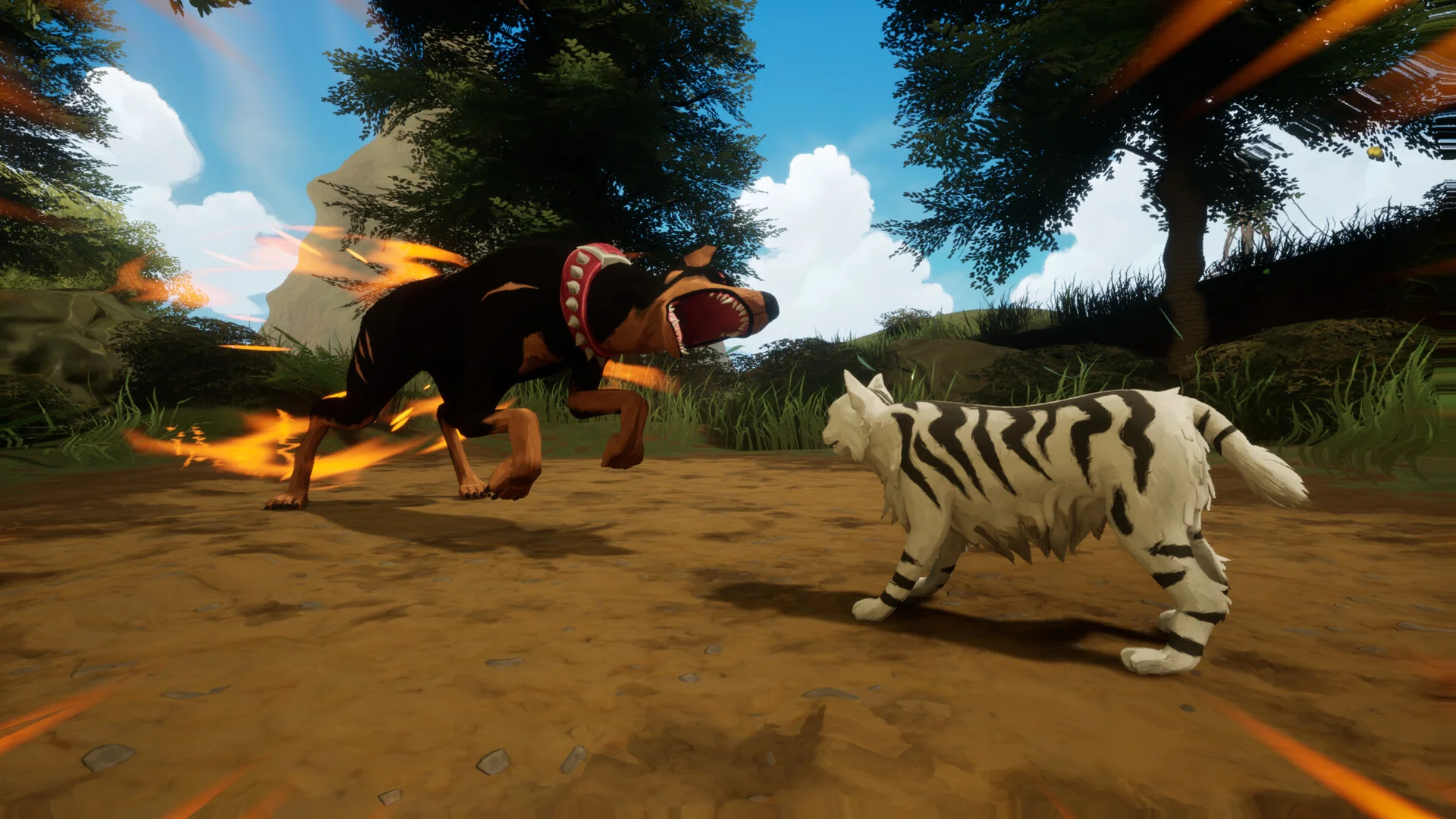
Assistance sometimes belongs neatly to the fiction. A tracker cat can help locate quest items, while StarClan offers guidance toward the next main objective. Asking another member of this society for information gives knowledge a source and a relationship.
The game need not explain everything through floating instructions. Its weaker communication concerns basic field actions and services that remain unclear without much useful discovery attached. Small behavioral details offer more immediate understanding: the preparatory wiggle before a pounce, post-battle yawns and grooming make the bodies recognizable even when the surrounding routines feel artificial.
That recognition is vulnerable to errors in continuity. Narration and subtitles sometimes disagree, and ordinary greetings can appear after threats or during attacks. Such failures damage a game whose central promise depends on treating these cats as members of a responsive society. Richard Wells’s storybook narration gives major life events a fitting spoken form, but a ceremonial register cannot repair a conversation that has forgotten what just happened.
Den decoration returns to the appeal of making a place within this world. Accessories and furnishings extend the original-character fantasy into a home that friends can visit. Yet some construction timers reportedly reach forty hours, outlasting a single campaign by a considerable margin. A player can receive the clan’s highest recognition while still waiting for their home to be ready.
The Review
Warrior Cats: Clans of the Forest
Warrior Cats: Clans of the Forest translates clan tradition most convincingly through combat, where inherited techniques and readable tactical choices give belonging a practical purpose. Customization and feline behavior preserve some of the books’ participatory appeal. Repeated errands, hurried promotions and broken conversational continuity make its communities harder to believe in. The countryside offers places to explore, but becoming its leader feels easier than developing a meaningful history there.
PROS
- Accessible combat with meaningful stance decisions
- Expressive character customization
- Clan relationships and ancestors unlock useful abilities
- Feline behaviors enrich exploration
CONS
- Repetitive missions across clan campaigns
- Promotions outpace relationship development
- Restrictive routes and inconvenient fast travel
- Dialogue errors disrupt social continuity
- Decoration timers outlast short campaigns