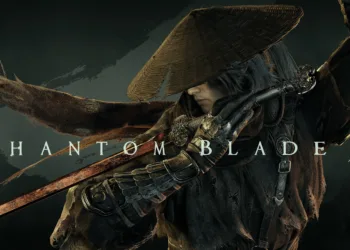


























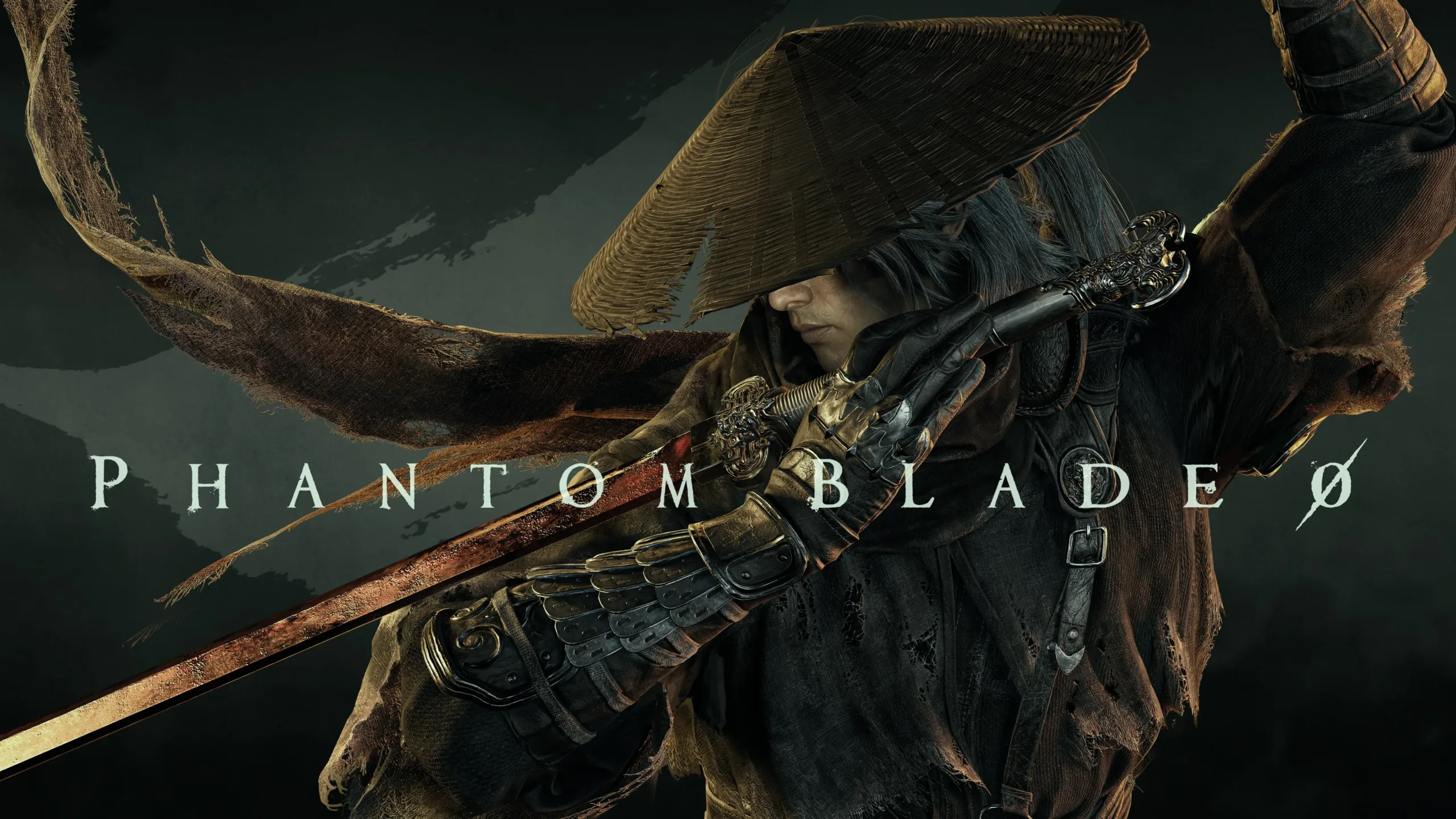

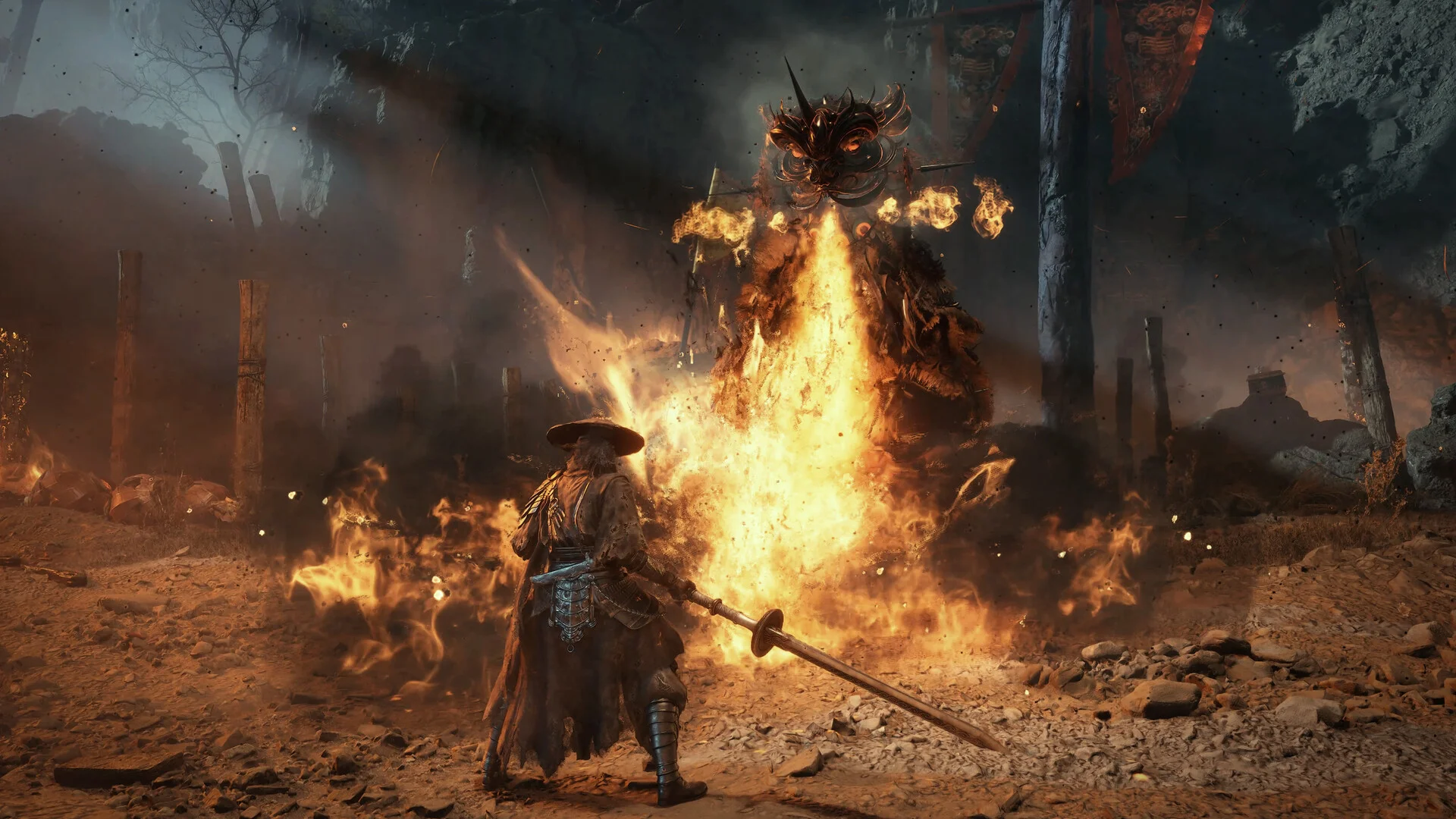
Running low on sha-chi in Phantom Blade Zero gives you a reason to draw your other weapon. Blocking and heavy attacks consume this resource, leaving Soul vulnerable to a broken guard. Switching weapons restores his available reserve, so recovery involves adjusting to a different moveset while the fight continues. A cooldown prevents endless switching from solving every defensive problem. You have to manage the interval, judge the incoming attack, and remember what the weapon now in your hands can do.
That requirement gives weapon progression a practical importance beyond damage numbers. Learning a second moveset helps keep an offensive sequence alive, and early upgrades can be reversed without sacrificing materials. Later reversals require tokens, adding some friction to experimentation. The drunken sword offers a useful example of why revisiting equipment matters: drinking enables remote attacks, while Soul Tempering unlocks latent abilities that can improve its viability. An initially awkward weapon can become worth reconsidering once its available actions change.
S-Game supports that experimentation with unusually responsive defense. Many attacks can be cancelled into a parry, allowing a late defensive decision to interrupt an elaborate animation. Red signals demand dodging; blue signals demand parrying. Quick attacks and evasive movement escape the conventional stamina restriction, keeping Soul mobile while heavier commitments draw on sha-chi. These rules make the choreography readable through participation. You can recognize danger, change your response, and remain involved in the exchange instead of watching an attack animation finish at your expense.
Executions carry this responsiveness into the spectacle. Breaking an enemy’s guard creates opportunities for finishers that incorporate the opponent’s own equipment, while timed prompts can extend the violence across multiple targets. The animation variety gives aggressive play a continuing reward beyond clearing the room. Soul, a betrayed operative of The Order whose reconstructed heart grants him 66 remaining days, acquires much of his credibility through these encounters. His martial expertise becomes something the player can exercise through timing, target selection, and recovery.
Boss checkpoints make a similarly thoughtful distinction between learning and repetition. Clear a phase and that progress survives death, letting the next attempt concentrate on the portion still causing trouble. The encounter retains its dangerous attacks, including potentially lethal ones, while reducing the amount of completed work demanded before another attempt. This changes the emotional cost of failure. A dramatic killing blow can remain alarming without requiring another performance of a phase whose solution the player already understands.
The offensive feedback within those fights is less dependable. An early shield-bearing opponent causes bleeding when struck, making shield removal an obvious priority. The axe Phantom Edge provides an appropriate answer, yet its initial effect is slight enough to make that answer look mistaken. Repeated use or a charged attack can accomplish the task. The problem lies in recognizing progress: a player who has identified the relevant tool can still be encouraged to abandon it. Long charge animations further complicate testing that hypothesis during a fast encounter.

Some early bosses also impose lengthy cycles of defense followed by modest punishment, narrowing the expressive freedom available against ordinary enemies. That criticism needs precision, since the encounters themselves contain substantial variation. Coordinated groups divide attention; horizontal missile patterns reshape positioning; a pole-based battle involving cannon fire gives movement a different purpose.
These fights can ask distinct questions even when guard depletion remains central. A late review-period update targeted boss statistics and performance, leaving the full extent of its changes uncertain. The shield encounter’s communication problem is a firmer criticism than any blanket claim about the campaign’s difficulty.
Equipment develops another purpose outside combat. The bow awarded through the Brooding Old Archer’s quest in the Outpost joins tools such as the throwing sickle in opening previously inaccessible places. Spotting a distant chest, finding the appropriate equipment, and returning to reach it establishes continuity between acquisition and exploration. A new tool changes the meaning of a location already visited. The ink-wash maps reinforce that process by offering landmarks and broad orientation without explaining every route across the terrain.
The arrangement works best when a locked route creates a memorable prospect. A cluster of seven closed areas near a city entrance pushes that principle toward deferred access: the player encounters several invitations that cannot yet be accepted. Returning later has its own cost. Ordinary enemies do not respawn, making cleared routes convenient to cross but stripping repeated trips of the combat that first animated them. Exploration can move from observation and discovery into retracing empty ground, particularly when the map leaves uncertainty about what remains unfinished.
Collision faults are a separate, less defensible interruption. Small obstacles can stop Soul, and invisible walls can interfere with routes that appear reachable. A clearly established equipment gate gives the player a requirement to remember. An apparent route blocked by invisible geometry makes the environment’s information unreliable. The distinction matters in a game whose combat teaches confidence in rapid responses. Frame-rate dips can damage that confidence during timed defense, too, though the late update prevents a settled claim about their persistence across the revised game.
Finding history gives exploration an incentive beyond equipment. Crane Bells reveal episodes from different periods, with optional discoveries supplementing mandatory scenes. Memory Flowers pair buffs with information about characters, while books accumulate through pages found across the world. Each method attaches knowledge to an action: investigate a route, collect an object, activate a bell. The flowers are particularly effective in principle because their immediate mechanical usefulness can draw attention toward a person whose history might otherwise pass unnoticed.
The information itself is harder to assemble. Early shifts between years, months, and days compete with accumulating names, factions, and bloodlines, demanding substantial sorting before the central betrayal gains definition. Optional discovery gives the player control over acquiring some of this material, but the responsibility for making its relationships intelligible remains with the writing. The gold-masked man’s optional training storyline offers a stronger connection between investigation and involvement: a detour leads to an ongoing activity with a character, giving the player something to do within that relationship.
Soul’s limited lifespan receives a different mechanical expression in the 66 Days New Game Plus mode, which permits 66 deaths. The ordinary campaign’s premise does not establish a continuously running exploration timer; this mode instead makes failure consume a finite allowance. That changes the value of the experimentation encouraged elsewhere. Trying an unfamiliar weapon now competes with preserving lives, and a familiar defensive setup gains value because the player understands its risks. Returning to a difficult encounter means carrying both knowledge of its attacks and a smaller reserve of attempts.
The Review
Phantom Blade Zero
Phantom Blade Zero makes weapon switching, defensive timing, and experimentation feel like parts of the same martial discipline. Responsive combat and saved boss phases encourage players to learn without endlessly repeating completed work. That confidence weakens when useful tools give unclear feedback, collision faults obstruct movement, or exploration becomes an empty return trip. Its fragmented exposition also demands patience. The strongest encounters still deliver something special: spectacular choreography shaped by decisions the player understands and controls.
PROS
- Responsive defense and purposeful weapon switching.
- Weapon progression encourages experimentation.
- Boss checkpoints reduce repetitive retries.
- Equipment unlocks fresh exploration opportunities.
CONS
- Unclear feedback for some boss counters.
- Collision faults undermine traversal.
- Cleared routes can make backtracking lifeless.
- Dense exposition obscures narrative connections.