










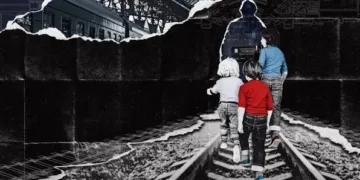













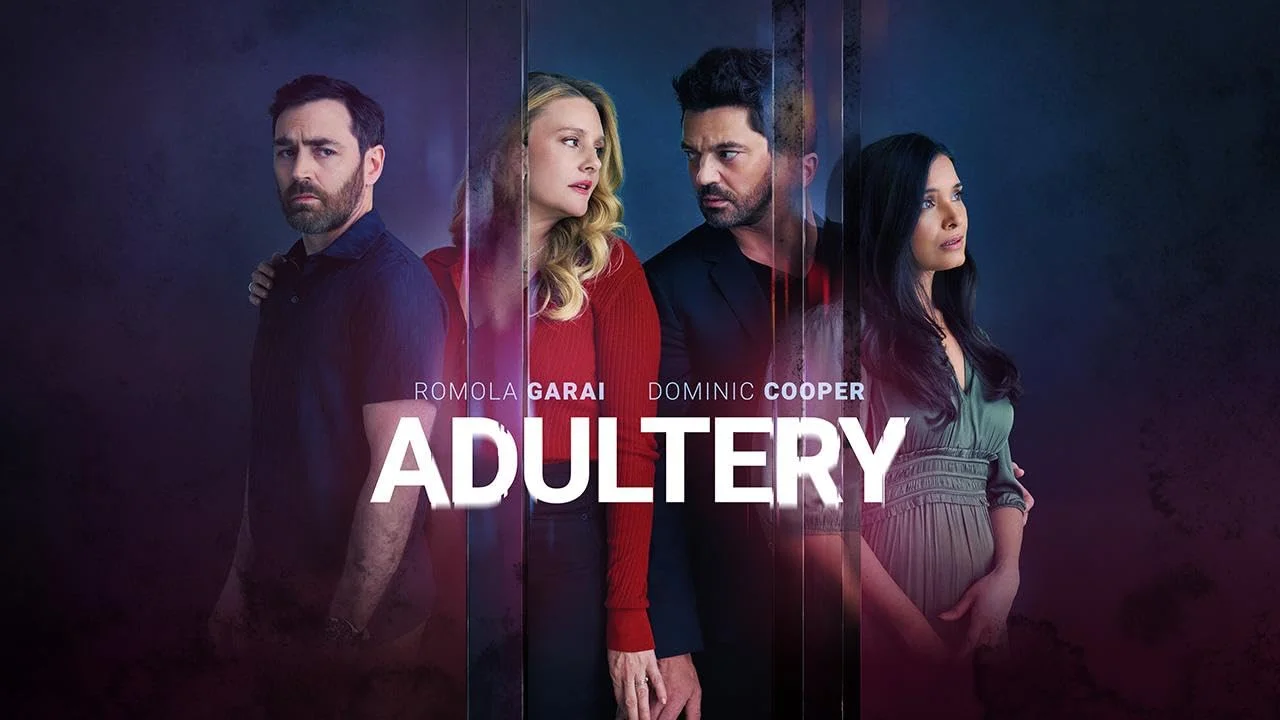

While Ollie and Jess are enjoying a day in Blackpool, their parents are having sex in a GP surgery. Danny Brocklehurst’s six-part ITV drama Adultery places these excursions alongside each other, giving two generations a temporary release from ordinary life. Ollie’s mother, Beth, and Jess’s father, Tom, are attempting to recover something their children have barely begun to experience. The parallel gives the affair an immediate emotional reference point. It also leaves the teenagers unwittingly supplying the romantic ideal their parents are busy endangering.
Jess’s wish for their happiness to stay intact, met by Ollie’s reassurance, makes that danger painfully legible. Leila Khan and Johnny Sanpher’s characters believe they can speak confidently about their future while the adults are secretly changing its conditions. Brocklehurst gets real dramatic value from this arrangement: every parental encounter already has two relationships running through it. The dialogue presses a little hard on the impending disappointment, though. These teenagers can hardly enjoy an afternoon without being made to provide early notice of their own distress.
Beth has the strongest reasons to want an escape. Played by Romola Garai, she is a fitness trainer whose business has collapsed, a mother worn down by financial and parenting demands, and a bereaved friend confronting the abrupt disappearance of someone close. Her dissatisfaction with her marriage to Neil sits within that accumulation. Garai gives the affair emotional credibility by making Beth’s desire feel connected to a depleted life. Attention from Tom offers an experience in which she gets to want something, rather than attend to another requirement. Losing her friend Alison puts a time limit on the possibility of postponing happiness indefinitely.

That makes Beth’s interest in Tom’s comfortable home worth examining. He is an affluent GP; she notices his art books. The attraction extends into the environment around him, a domestic life with room for interests beyond the next demand on her time. Yet the class writing becomes awkwardly emphatic here. Beth’s curiosity is plausible, but using the books so conspicuously to establish what his world offers risks turning the room into an illustrated explanation of social difference. The scene gives the furniture quite a substantial supporting role.
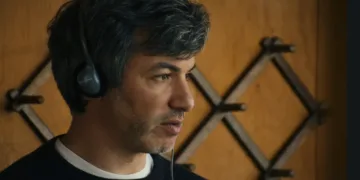
Garai and Dominic Cooper are persuasive together during the progression from exchanged looks and tentative contact to the encounter at his surgery. Their attraction can sustain attention without requiring the audience to mistake it for a good idea. Cooper’s Tom becomes less interesting when his self-disgust starts doing the work that further choices should perform. His admission that he dislikes the man he is becoming has an understandable sting. Repeated involvement after attempted withdrawal can expose weakness, but remorse needs to alter the next encounter if it is to keep producing drama. Otherwise, guilt becomes another appointment he fits around Beth.
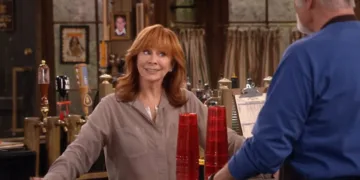
The writing also needs the spouses to remain credible when they inconvenience the central romance. Shelley Conn’s Hannah, a charity fundraiser who has struggled with her mental health, offers a useful test. She wants a coordinated parental response after Jess imitates Ollie’s disrespect toward a teacher, yet is comparatively relaxed about the teenagers taking edibles. Those reactions could belong to the same person. Parents are perfectly capable of maintaining an eccentric league table of concerns. The missing connective tissue makes Hannah harder to understand, however, and her later development has to recover ground that earlier scenes could have prepared.
The lovers’ practical arrangements are often sharper than the declarations surrounding them. Meetings move through cars, Alison’s house and Tom’s Lake District cottage, expanding the affair’s claim on the rest of their lives. Beth presents the cottage trip as an opportunity to scatter Alison’s ashes; Tom offers a cleaning task as his explanation. Beth’s excuse is particularly telling. The bereavement that helps explain her recklessness has become something she can use to protect it. Here the writing lets a logistical choice expose character without requiring anyone to announce what betrayal does to a person.
Contemporary technology makes those logistics harder. Doorbell-camera footage contributes to exposure, while tracking apps and cloud-stored images undermine the possibility of keeping a clean division between public routine and private behavior. This is a productive update to familiar material because the risk grows from objects already embedded in family life. The same devices that make domestic coordination easier preserve evidence of its disruption. Concealment now requires remembering what the household automatically remembers for you.
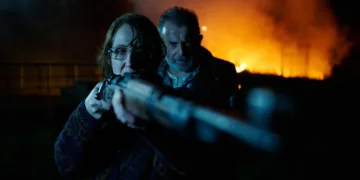
The difficulty comes when this sufficient source of tension acquires extra assistance. Withheld histories, unexpected connections and witnesses arriving at useful moments keep generating episode-level complications, but they compete with the consequences already built into the premise. A discovery produced by the lovers’ carelessness makes their decisions matter. A fresh piece of concealed background asks us to reconsider a situation because the programme has finally released the relevant information. Both can produce an effective interruption. Across six episodes, the latter begins to make emotional development feel subject to a release schedule.
That scheduling matters most after concealment starts to fail. Ollie and Jess have trusted their parents to provide a stable setting for their own relationship, while Beth and Tom have treated that setting as something they can temporarily step outside. Exposure forces those arrangements back together. The series is on firm ground when an excuse, an ordinary encounter or a recorded image makes someone else bear the cost of the affair. Once the evidence is available, though, the harder dramatic question concerns the next family conversation: who can still ask these children to trust them, and what would make that request credible?
Adultery premiered on ITV1 and STV on October 25, 2026, with all six episodes made available to stream on ITVX and STV Player. Created and written by Danny Brocklehurst, the British relationship drama centers on two married parents who find themselves drawn into a clandestine affair after their teenage children begin dating, causing messy complications that threaten to tear both families apart.
Full Credits
Title: Adultery
Distributor: ITV, ITVX, STV, STV Player, Poison Pen Studios
Release date: October 25, 2026
Rating: TV-MA / 16+
Running time: 60 minutes per episode (6 episodes)
Director: Will Sinclair, Daniel O’Hara
Writers: Danny Brocklehurst
Producers and Executive Producers: Sarah Lewis, Danny Brocklehurst, Nicola Shindler, Richard Fee
Cast: Dominic Cooper, Romola Garai, Shelley Conn, Matthew McNulty, Leila Khan, Johnny Sanpher, Andrew Knott, James Murray, Charley Webb
The Review
Adultery
Garai and Cooper supply the attraction; the children supply the stakes. Adultery finds genuine feeling in Beth’s exhaustion and in the damage that private escape threatens to cause. Its everyday lies are often sharper than its big revelations, which keep interrupting the harder work of developing the people involved. An absorbing family mess keeps getting reorganized for the next dramatic interruption.
PROS
- Persuasive chemistry between Garai and Cooper.
- Beth’s grief and exhaustion give her choices emotional weight.
- Teenage romance makes the affair’s wider stakes tangible.
- Domestic technology creates credible risks of discovery.
CONS
- Convenient revelations weaken character-driven tension.
- Tom’s remorse becomes repetitive.
- Hannah’s contrasting reactions lack sufficient development.
- Class signals and ominous dialogue can feel overemphatic.