





















Penny Lane’s Penny Lane studies the world of children’s music on HBO and Max, turning a subject many parents file under “background noise” into the main event. Lane has made a career out of approaching niche corners of culture with curiosity and respect, and that instinct shapes the film from its first images: toddlers seated in front of instruments, moving in unpredictable bursts, staring blankly, and reminding the viewer how mysterious a young mind can be.
The movie carries a playful charge, yet it treats the making of simple songs as serious work, done by professionals who have chosen a tough audience. Toddlers bring enthusiasm, chaos, and honesty in equal measure. Social graces do not enter the room.
By beginning with the children, the film anchors the whole industry in the reality it serves. From there, it follows the people who dedicate their lives to entertaining listeners with no filter. Lane’s approach stays inquisitive, asking why certain melodies lodge in memory for decades, long after the toy instruments have been put away.
The Mechanics of the Earworm
The film argues that success in this field calls for a particular artistic foundation, and many of the featured creators arrive with backgrounds in rock or indie groups. Chris Ballew, once the voice of The Presidents of the United States of America, now performs as Caspar Babypants. He describes toddler shows as physically demanding, with energy demands that line up with a punk set. The point lands because the film keeps returning to stamina as a storytelling engine: these performers have to sustain momentum while reading a crowd that cannot be bribed with cool points.
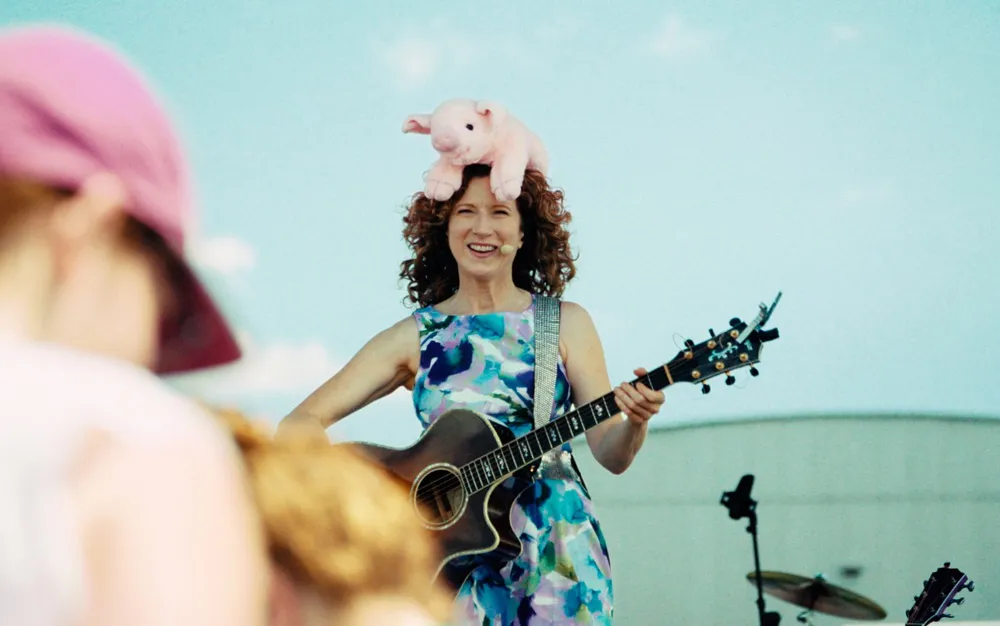
Anthony Field of The Wiggles represents the industry’s massive commercial reach. Through him, the documentary traces how a simple idea can expand into a global brand. Laurie Berkner brings in the pedagogical angle. She found her biggest hits by paying attention to what her students wanted to sing, turning listening into a creative method.
Lane and her subjects get specific about technique. Melodic phrasing needs clarity and directness. Repetition functions as the genre’s adhesive. Call-and-response passages convert listening into a shared activity, giving the songs a social shape. The musicians speak about their craft with a sense of responsibility that matches any other professional field, and the film stresses the rigor applied to each note. The earworms that define early childhood come with real labor behind them, and the documentary keeps that labor in view.
The Business of Childhood
Alongside craft, the film tracks hurdles and ethical complications. Divinity Roxx, known for playing bass for Beyoncé, speaks from her experience as a woman of color and describes the barriers she faced in a space that remains largely white. Her perspective gives the documentary a clear view of the racial dynamics within children’s entertainment, and the film treats that reality as part of the industry’s structure rather than a footnote.
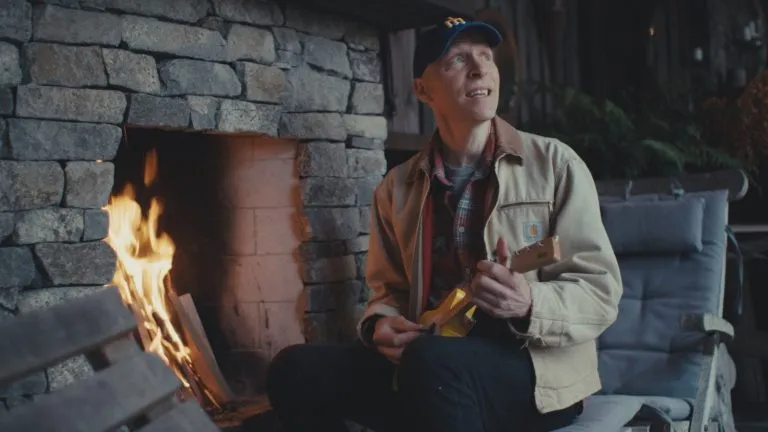
The documentary then turns to the “Baby Shark” situation. Johnny Only, a performer from upstate New York, watched his arrangement of a camp song become a global phenomenon through a massive company. The legal battle that followed plays as a cautionary tale about ownership in the digital age, with independent creators left exposed when larger entities can absorb their work and scale it beyond recognition.
From there, the film moves into AI and content farms, where tracks are manufactured for maximum clicks. Lane presents these operations as the cold end of the business logic: songs engineered for volume and velocity, missing the human connection associated with working musicians. Critics Rob Harvilla and Willa Paskin add economic framing, describing a market that has grown into a billion-dollar industry. The money changes the incentives, which shifts how music gets made and how it reaches families.
The Pursuit of Shared Joy
The film’s strongest material comes from how it captures the emotional lives of the creators. Lane’s interview style encourages candor about career paths, and the musicians speak openly about milestones they may have missed while committing to this line of work. The documentary allows those reflections to unfold on camera, so the process of answering becomes part of the story being told.
Harvilla and Paskin approach the music through their experiences as parents, which gives the analysis a personal stake without turning the film into a diary. Formally, Lane matches subject to style. The editing stays brisk. The visuals keep things playful. At 80 minutes, the runtime holds focus and preserves the film’s forward motion.
Joy sits at the center of the documentary as both a commodity and a real connection. These artists sell it, and they chase it for themselves. The end credits run over childhood photos of the participants, a choice that reinforces the idea of legacy and links the adults on screen to the children they hope to reach. Lane finds meaning in the simple act of singing together, treating the nursery rhyme as shared cultural history carried forward one earworm at a time.
Happy and You Know It premiered today, December 25, 2025, as a special holiday release within the acclaimed Music Box documentary series. The film is currently available for streaming on Max and is airing on the main HBO channel. This production offers a sophisticated look at the children’s music industry, featuring prominent figures from the genre who discuss the technical and emotional labor required to capture the attention of the world’s youngest and most honest audience.
Full Credits
Title: Happy and You Know It
Distributor: HBO, Max
Release date: December 25, 2025
Rating: TV-MA
Running time: 78 minutes
Director: Penny Lane
Writers: Penny Lane
Producers and Executive Producers: Julia Lewis, Gabriel Sedgwick, Bill Simmons, Jody Gerson, Marc Cimino
Cast: Chris Ballew, Laurie Berkner, Anthony Field, Johnny Only, Divinity Roxx, Rob Harvilla, Willa Paskin
Director of Photography (Cinematographer): Naiti Gámez
Editors: Anais Blondet, Frederick Shanahan
Composer: Chris Ballew, Laurie Berkner, Divinity Roxx
The Review
Happy and You Know It
Penny Lane delivers a thoughtful examination of an industry that shapes our earliest memories. The film avoids easy cynicism. It focuses on the artistic labor and personal sacrifices of the musicians. While the Baby Shark legal segment feels slightly disconnected from the character studies, the film maintains a brisk and engaging pace. It offers a rare look at the intersection of childhood innocence and corporate reality.
PROS
- Honest focus on creators like Divinity Roxx and Chris Ballew.
- Serious treatment of a genre often ignored by critics.
- Fast-paced and lighthearted editing.
CONS
- Legal plot points feel detached from the main character arcs.
- Short runtime limits the analysis of shifting industry trends.