



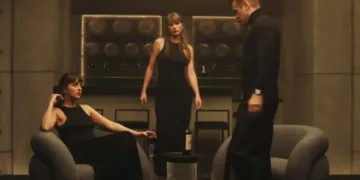
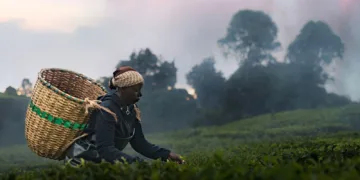
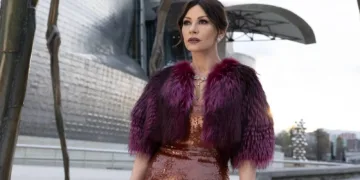
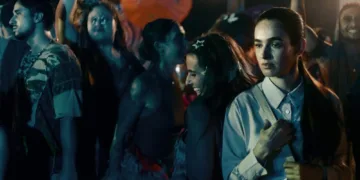



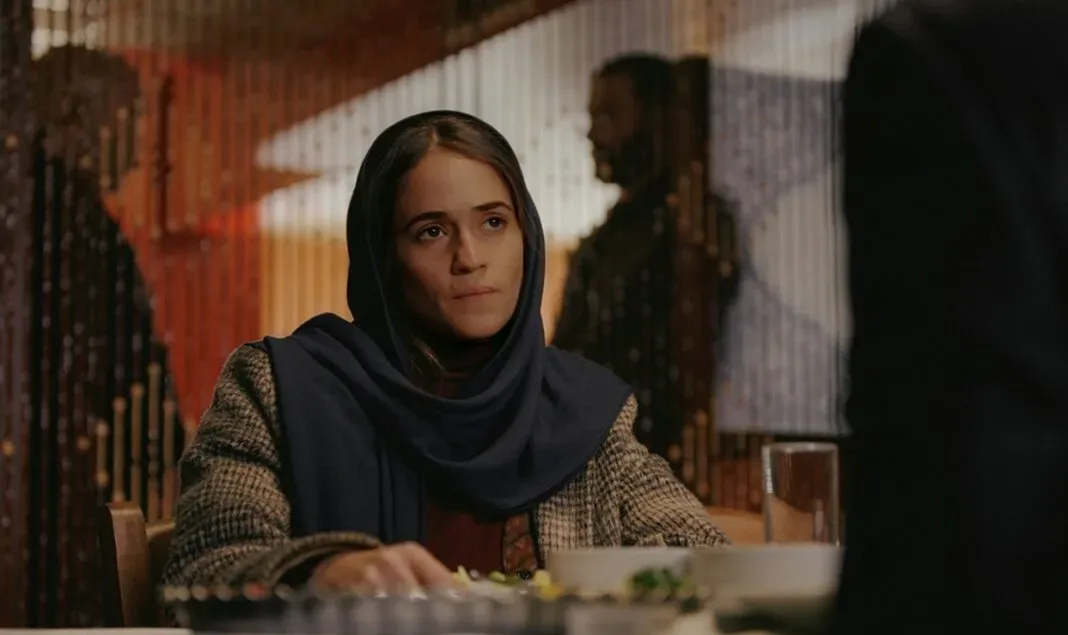
Season 3 begins in the aftermath of a plan that has collapsed in on itself. Tamar Rabinyan moves through the city of her birth like a ghost. Her partner has been killed. Her mentor has disappeared. She now works off the grid, cut loose from the safety that once came with being useful to a state. The Iranian Revolutionary Guard and the Mossad hunt her with the same hungry focus.
Into that pressure cooker steps Eric Peterson, a South African nuclear inspector played by Hugh Laurie. He arrives to assess treaty compliance, and the inspection thread twists quickly into the covert conflict already unfolding around Tamar. The season treats national security as something balanced on the nerves and instincts of a woman who has burned through every buffer.
It follows a hacker trying to claw back some measure of control while the threat of an Iranian warhead moves toward a breaking point. The story keeps its distance from the comfortable rhythms of a case-of-the-week format. It leans into the rough shape of a survival story, and that choice lands with the kind of immediacy that matches the current mood of global paranoia.
Survival in the Silence
Tamar’s grief over Milad and Marjan sits on every decision she makes. She works without cover, without backup, without any promise that someone will extract her if things go wrong. That change rewires the series’ texture. Tamar no longer reads as an elite tool deployed by an institution.
She reads as a fugitive who has to improvise shelter, food, and trust from scratch. Once her status is blown, she starts searching for places intelligence services tend to overlook. She ends up inside a shelter for abused women, a setting that doubles as hiding place and moral mirror. It plays like a desperate turn, and it also fits Tamar’s talent for disappearing into the everyday life of the city.
Those shelter scenes pull the spy plot down to street level. The show uses them to show the pressures women face in this environment, and the weight of that reality hangs heavy over the espionage beats. Tamar’s exchanges with the shelter’s director carry a quiet recognition: both women live with secrets, and both understand what it means to fear the next knock at the door. That connection softens Tamar in a way earlier seasons did not emphasize as sharply. She has to rebuild herself day by day, inventing a workable identity every morning.
The Owl sharpens the fear. Tamar stays alive by reading patterns and predicting movement, all while keeping up a front that conceals her Israeli training. The series keeps its focus on fatigue: the physical wear of running, the mental drag of vigilance, the slow erosion that comes from never fully sleeping.
That’s a genre choice I respond to. I grew up on older spy dramas where the abandoned operative felt like the bleakest figure in the story, and I remember the chill those shows could create with one image of someone alone in a hostile city. Season 3 captures that same dread and gives it a modern setting. The city becomes a cage, and Tamar’s solitude makes her sharper and more exposed at the same time.
New Masks in the Game
Hugh Laurie gives Eric Peterson a steady gravity. The character holds his cards close, and the season keeps his motives hard to read. He presents himself with a polished professional distance, a practiced calm that suggests long familiarity with the rituals of international oversight. Under that surface sits a more tangled relationship to his assignment. He comes across as weary, like someone who has seen the same geopolitical script play out again and again and has started to resent his own role in it.
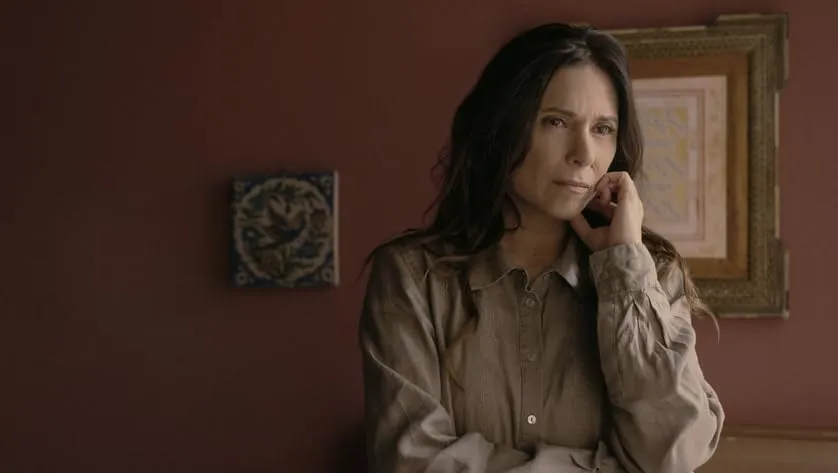
Faraz Kamali carries a different strain. His story turns on the pressure of trying to protect his wife, Nahid, from the blowback of his failures at work. Loyalty to the regime sits on him like a physical weight, and the show makes his exhaustion visible. He lives between duty and the pull of his private life, and the season keeps rubbing those two forces together until they spark.
Nissan arrives as a counterweight to Tamar’s frantic momentum. Sasson Gabai plays him as a veteran agent with a calm that comes from long exposure to betrayal and infiltration. He has seen these cycles repeat, and he carries that history in his posture and in the way he watches Tamar. Their relationship lands as paternal in tone while staying professional in practice. Nissan stands as a living archive of the Mossad’s past, a past the season treats as crowded with ghosts.
His scenes with Niv Sultan lean quiet, heavy with what goes unsaid. They sketch a generational shift in how agents frame their lives. The older operative thinks about legacy. The younger operative thinks about getting through the day. The show places these people inside a moral haze where clean labels fail.
The drama comes from the friction between personal survival and national duty, a collision that keeps repeating across characters and scenes. I keep coming back to how television can function like a peephole into the hidden costs of state power. Season 3 makes those costs feel close and human, keeping attention on faces and bodies rather than symbols and slogans.
Smuggling the Apocalypse
The season’s main engine runs through Ramin Rasmi and the illegal transport of warhead components. That storyline plugs the show into real nuclear anxieties, the kind that sit in the background of daily news and spike whenever a headline hits the wrong nerve. Ramin Rasmi lands as a strong addition to the cast of players. He’s a smuggler who survives by living in the regime’s cracks, and he represents the city’s survival instinct in its rawest form.
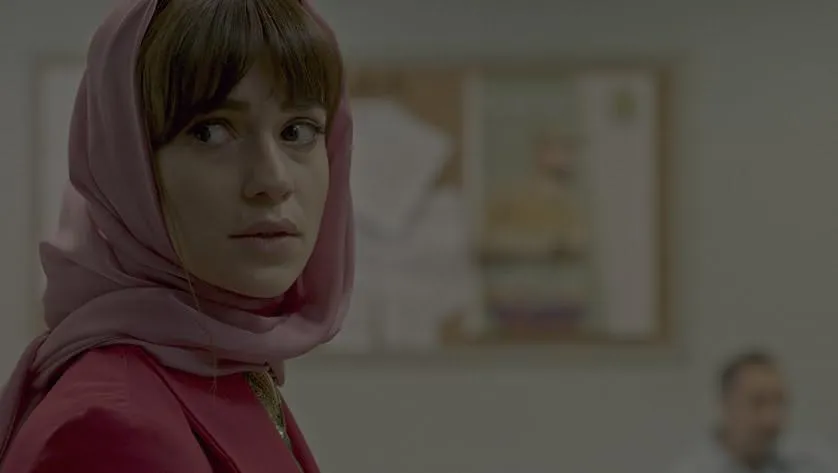
The series builds an atmosphere that echoes contemporary tension. A society sits on edge, with protests and state suspicion humming behind the main plot. Espionage details feel grounded at the level of process. Cyber attacks appear as code, time pressure, and the terror of one small mistake. Chases move through crowded bazaars and tight alleys where visibility collapses and every turn carries risk. The cinematography underlines how hard it is to move, how the environment itself can trap you.
The warhead-component thread moves with patient, procedural attention to logistics. The story invests in the grind of getting dangerous cargo through checkpoints, past clerks, past guards, past the low-level human systems where catastrophe can be triggered by a moment of doubt. Tension comes from the possibility of a paperwork slip, a suspicious glance, an unexpected question. That emphasis on method makes the danger feel touchable.
Inside Iranian intelligence, suspicion runs in every direction. Rival factions keep eyes on each other while also scanning for outside threats, and the show treats that internal surveillance as part of the ecosystem. It pushes away the broad caricatures that many modern thrillers lean on and aims for something colder and more credible.
Watching it, I kept thinking of gritty independent films that care about how things get done, the unglamorous mechanics that power big events. Here, the ordinary rhythm of smuggling gives the potential destruction extra force. A nuclear device becomes a shadow over conversations, a weight none of these people can set down.
The Grain of the City
Athens stands in for the Iranian capital, and the craft work sells it. Production design captures a specific quality of light and dust, the texture of streets that feel lived-in and watched. Handheld camerawork keeps claustrophobia in the frame. Shots often stay tight on faces, limiting what the viewer can see and echoing the characters’ limited choices.
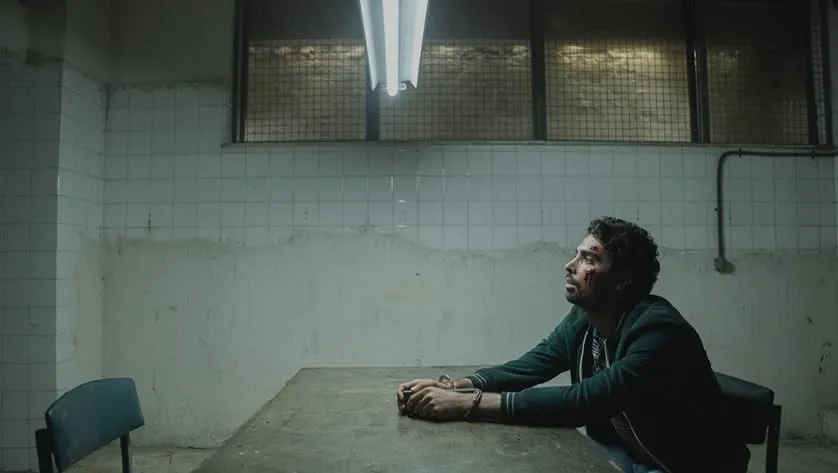
Language does important work here. Farsi, Hebrew, and English move through scenes with an ease that makes the world feel connected across borders and institutions. That multilingual soundscape also reinforces how many different systems are operating at once, each with its own rules and threats.
The season’s pacing starts with a slow burn that invests in investigation and pressure, then ramps into a frantic sprint near the end. The shift feels earned, built out of accumulating tension rather than a switch flipped for excitement. Editing plays with balance, keeping the viewer slightly off-kilter so you feel the same instability the characters live with.
There’s a personal resonance for me in the way the city is filmed. I spent a summer in a Mediterranean city that looked strikingly close to what we see here, and I remember how that density can make you feel exposed, like every balcony has eyes. Season 3 taps into that sensation. The sound design joins the effort, using traffic, voices, and the constant scrape of urban life to bury secrets in plain hearing. It’s a sharp technical accomplishment, one that supports the story’s constant anxiety instead of decorating it.
The Final Tally
By the time Season 3 ends, the show has put the human cost front and center. The closing movement reflects the futility baked into cycles of violence, where victories get counted in losses that never really clear. The final confrontation between Tamar and Faraz plays as something deeply personal. It becomes a reckoning between two people who have been stripped down by the conflict, not a moment staged for a flag or an institution.
Across the season, the series shifts from a mission-driven thriller into a character-focused study of damage. Living a double life leaves psychological scars, and even success carries the taste of defeat. The storytelling grows sharper here, with an emphasis on emotional truth over genre comfort. The ending leaves a sense of the weight carried by choices made in the name of security, and the last image lingers as a reminder of the people living in the shadow of the headlines.
The third season of Tehran made its highly anticipated global debut on Apple TV+ on January 23, 2026, following its initial broadcast in Israel late in 2024. This season continues the high-stakes journey of Mossad agent Tamar Rabinyan, who finds herself isolated and hunted in the heart of the Iranian capital after a failed mission. The production remains a landmark international collaboration, filmed primarily in Athens to recreate the atmospheric tension of modern-day Iran. Viewers can stream all episodes of the series exclusively on the Apple TV+ platform, where it remains a flagship title for international thriller fans.
Full Credits
Title: Tehran Season 3
Distributor: Apple TV+
Release Date: December 9, 2024 (Israel), January 23, 2026 (Global Premiere)
Rating: TV-MA
Running Time: 45–50 minutes per episode
Director: Daniel Syrkin
Writers: Moshe Zonder, Omri Shenhar, Dana Eden, Maayan Oz
Producers and Executive Producers: Dana Eden, Shula Spiegel, Moshe Zonder, Alon Aranya, Julien Leroux, Peter Emerson, Eldad Koblenz, Tal Fraifeld, Anna Winger
Cast: Niv Sultan, Shaun Toub, Hugh Laurie, Sasson Gabai, Shila Ommi, Bahar Pars, Phoenix Raei
Director of Photography (Cinematographer): Giorgos Michelis
Editors: Itamar Goldwasser, Omri Shenhar
Composer: Mark Eliyahu
The Review
Tehran Season 3
Tehran Season 3 succeeds by trading standard spy tropes for the jagged reality of survival. By stripping Tamar of her support and placing her in a state of constant peril, the narrative finds a deeper, more human resonance. Hugh Laurie’s understated presence adds a layer of international intrigue without overshadowing the central conflict. While the pacing occasionally slows under the weight of its own complexity, the technical execution and emotional stakes remain high. It is a haunting, grounded exploration of the personal costs hidden behind geopolitical headlines.
PROS
- Niv Sultan and Shaun Toub provide gritty, nuanced portrayals of characters caught in an endless cycle.
- The use of Athens as a double for Tehran creates a claustrophobic, authentic setting.
- The show avoids simple heroism, favoring moral ambiguity and intricate plot layers.
- The shift from a slow-burn investigation to a high-octane finale is expertly handled.
CONS
- The storyline occasionally borders on being overly dense for casual viewing.
- The initial episodes may feel overextended as the new season establishes its stakes.