




























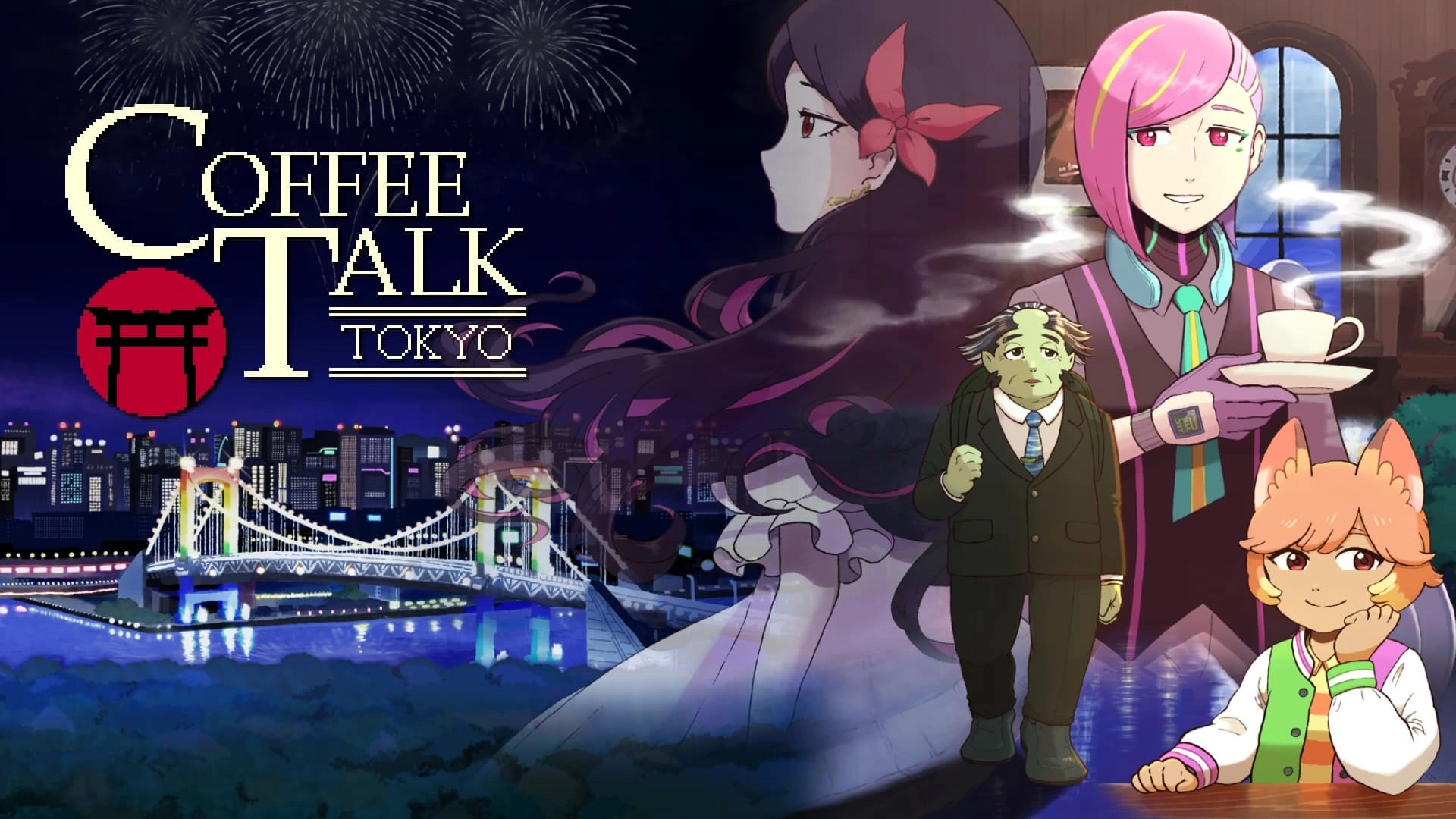

Coffee Talk Tokyo arrives as a narrative-driven visual novel from Toge Productions, with Chorus Worldwide handling publication. Set for release in May 2026 at $14.99, this chapter makes a clear geographic pivot for the franchise. The series leaves Seattle’s rain-soaked atmosphere behind and moves to a late-night refuge tucked among the skyscrapers of Tokyo, Japan, during a hot, humid summer.
The story plays out across 15 days, beginning July 30, 2026, inside an urban fantasy version of the city. Humans live beside mythological creatures, yokai, spirits, and kami. Players take on the role of the Barista, a watchful nighttime presence behind the counter.
Your influence comes through running the cafe, listening to patrons who need comfort, and shaping their lives through the drinks you prepare. The setup casts you as a steady presence for a supernatural society looking for a quiet place to breathe after dark.
Folklore and Vulnerability at the Counter
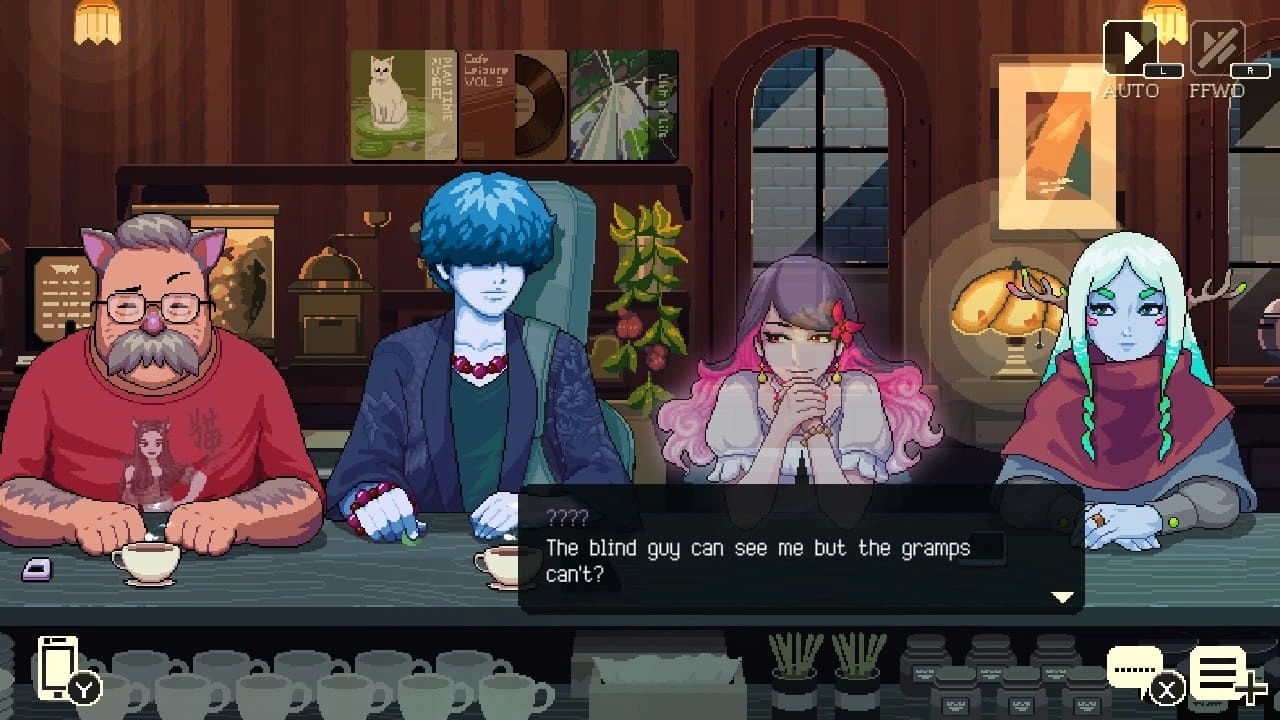
The late-night cafe works as an intimate four-seat refuge, gathering 11 core characters inspired by Japanese folklore and modern social pressure. Toge Productions uses this small space to build narrative depth through focused character vignettes. Vin, your bright cafe assistant, faces the daily reality of chronic illness. Jun, a siren pop star, struggles with creative burnout and heavy music industry pressure.
Ayame, a ghost trying to remember her past life, brings the supernatural and the ordinary into the same emotional register, with her guardian Fuku trying to help her reach the afterlife. Kenji, a retired salaryman, confronts a sudden loss of purpose.
These stories connect through a shared focus on grief. The writing looks past death and studies the quieter sadness tied to major life changes, identity crises, and the need for acceptance among people caught between two worlds. Like VA-11 HALL-A and Necrobarista, the game works best during specific emotional exchanges, especially in moments where conversation feels messy, vulnerable, and recognizably human.
A structural issue appears in the pacing of dialogue and resolution. The narrative sometimes softens difficult conflicts with resolutions that arrive too neatly. Characters often speak with polished emotional clarity, turning brief cafe visits into swift group therapy sessions where every feeling is named with unusual precision. These clean endings can feel artificial, smoothing out friction that called for a sharper, more realistic bite.
Deciphering the Recipe for Connection
The main gameplay loop depends on reading long conversations, catching context clues, and preparing drinks. Customer orders require players to choose a liquid base, a primary ingredient, and a secondary ingredient, then serve the result hot or iced. This entry expands the formula from earlier games with iced beverages, Japanese ingredients such as hojicha green tea, yuzu, and ginger, plus stencil-based tools for the latte art etching system.
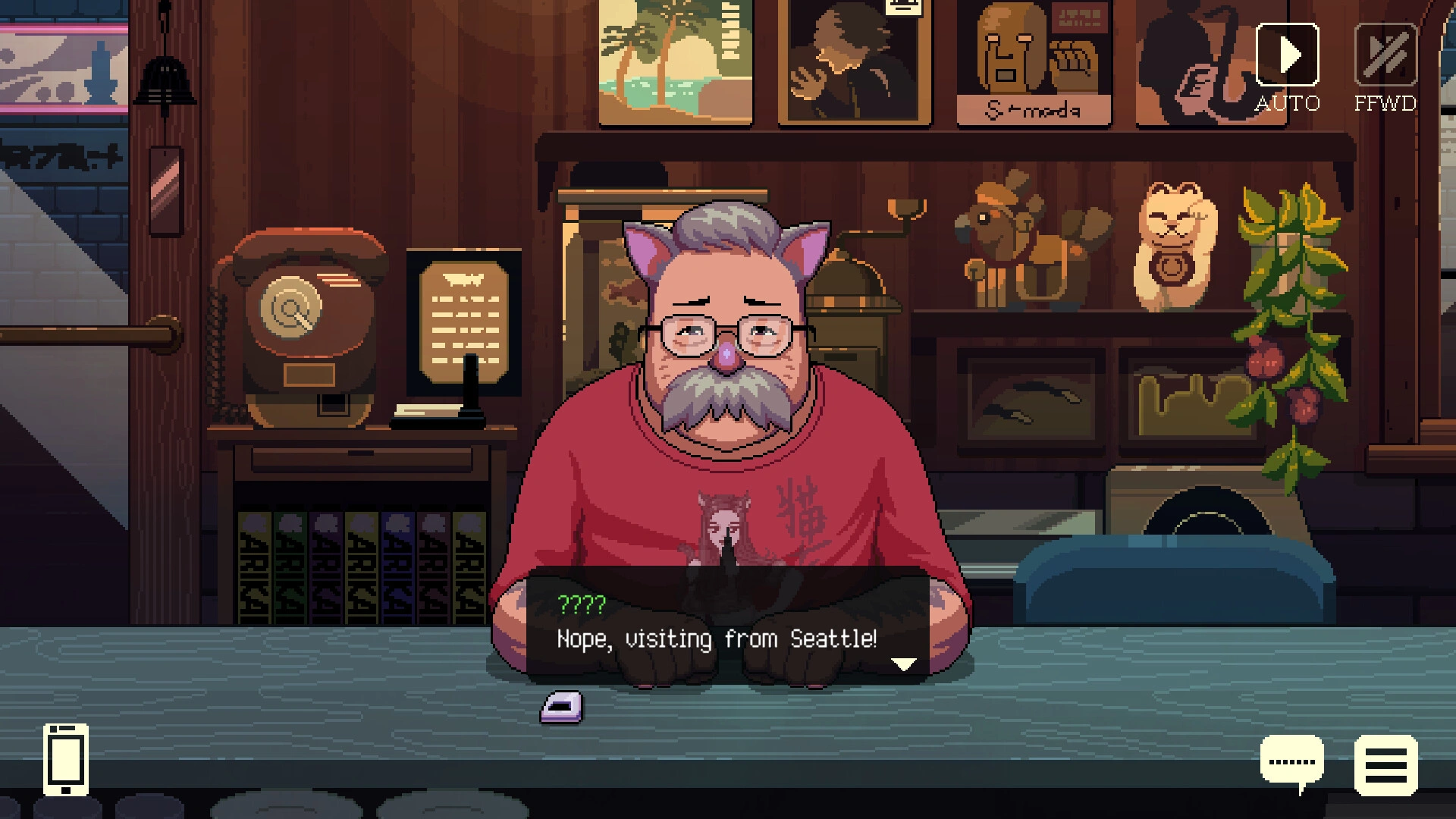
Daily management runs through an in-game smartphone menu. The Tomodachill app acts as a social media feed where players can track character friendship levels, read backstories, and find hidden recipe hashtags. The phone also includes the Brewpad recipe log and the Shuffld music app.
The lack of traditional dialogue choices creates real friction. Since narrative progression depends on drink-making performance, vague orders carry heavy weight. Customers often ask for abstract feelings, such as a drink that “feels like a hug,” with limited mechanical direction. The interface gives no clear confirmation for a perfect order, so a single wrong drink can quietly block access to the best endings.
Quality-of-life tools help the reading flow. A text history log and a “Forward” button make text progression smoother. The larger brewing matrix still needed a dedicated tutorial, since the expanded ingredient and serving options can feel underexplained. Away from the main story, secondary modes offer a change of pace. Endless Mode splits into Free Brew, built for relaxed experimentation, and Challenge Mode, a timed trial built around rapid drink service.
Pixels, Nuance, and Low-Fidelity Beats
Coffee Talk Tokyo keeps visual continuity with earlier entries through detailed pixel art that captures the nocturnal mood of modern Tokyo. With no voice acting, the game leans on expressive character animation to communicate subtext. Small physical details carry much of the emotional weight, from Jun nervously playing with a guitar pick to sharp shifts in facial expression during sudden shock or laughter. These touches give the cast life inside a mostly static setting.
The soundscape comes from returning composer Andrew “AJ” Jeremy, whose 10-track lo-fi soundtrack keeps the mood relaxed, cozy, and reflective. The music also becomes part of the fiction through the Shuffld app on the in-game phone, letting players cycle through tracks, skip songs, or favorite pieces to fit the mood at the counter.
Completionists get extra mileage from the technical extras menu. The game includes a gallery with over 100 unlockable images and a detailed in-game achievement system. Those achievements track milestones from the first brewing mistake to spending a cumulative hour on latte art, stretching full completion to 20 hours or higher.
The Review
Coffee Talk Tokyo
Coffee Talk Tokyo provides a wonderfully cozy, contemplative experience that excels through mature writing and an immaculate lo-fi atmosphere. The shift to Japan brings a captivating new cast, using urban fantasy to explore deeply relatable themes of grief and life transitions. While the iterative brewing mechanics can feel overly simple and the cryptic customer orders occasionally frustrate, the expressive pixel art and structural charm make it a compelling journey for visual novel enthusiasts. It remains a beautifully crafted sanctuary worth visiting.
PROS
- Deploys an emotionally resonant cast with exceptional thematic depth.
- Features highly expressive pixel art animations that masterfully convey subtext.
- Delivers a perfectly tailored, relaxing lo-fi soundtrack by Andrew "AJ" Jeremy.
- Expands options with welcome additions like iced drinks and stencils.
CONS
- Lacks clear feedback indicators for executing perfect drink orders.
- Pacing suffers during occasional, unnaturally clean group therapy resolutions.
- Relies on nebulous recipe descriptions that can cause mechanical frustration.